
When I set out to wander through Thomas Hardy’s Wessex, right around Dorchester in Dorset, I stepped into a landscape shaped by stories, history, and a writer’s imagination.
Hardy’s real-life Dorset inspired the places and characters in his novels, making each path and village feel like pages brought to life.
Touring the fields, valleys, and coastlines that Hardy once called home helped me understand both the author and the world he created.
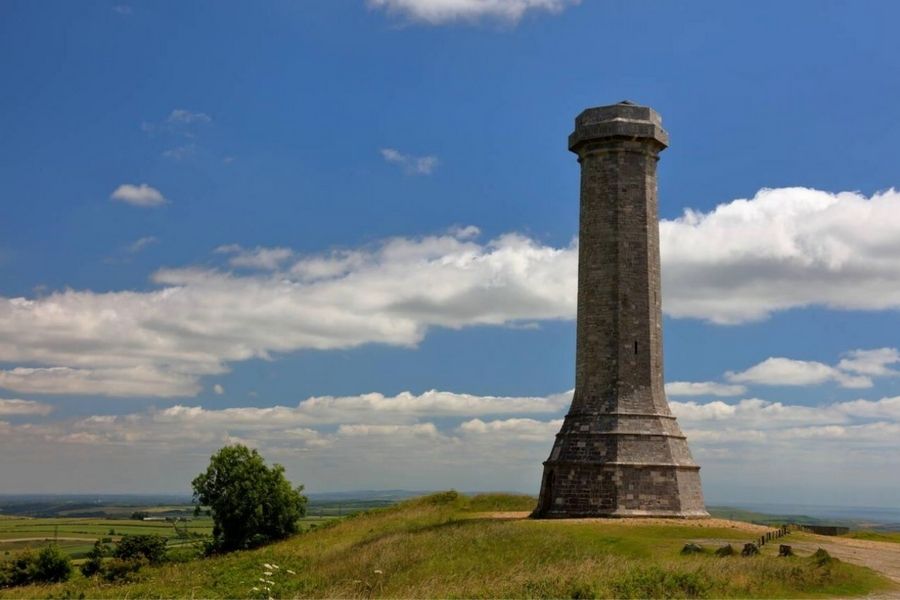
From the quiet lanes near Hardy’s birthplace at Higher Bockhampton to the landmarks found in his books, every mile seemed to connect the past with the present.
I followed the Hardy Way, a long-distance walking route that visits many sites tied to Hardy’s life and fiction.
This experience blended walking, reading, and discovery into a trip that felt personal and meaningful.
Exploring Thomas Hardy’s Wessex
As I walked through Dorset, I noticed how the countryside shaped Thomas Hardy’s vision of Wessex.
Striking rural landscapes, real locations, and Hardy’s careful attention to a sense of place made his world easy to recognize on foot.
Defining Hardy’s Wessex
Wessex, in Hardy’s novels, isn’t a true historical kingdom.
Instead, it’s a region inspired by the real counties of southwest England, especially Dorset.
Hardy used the name “Wessex” to tie together the towns, villages, and landscapes he loved.
His Wessex included both actual and renamed places.
Dorchester became “Casterbridge,” and places like Egdon Heath and Weatherbury were based on real areas.
By blending fictional names with actual countryside, Hardy made Wessex larger than life but still rooted in reality.
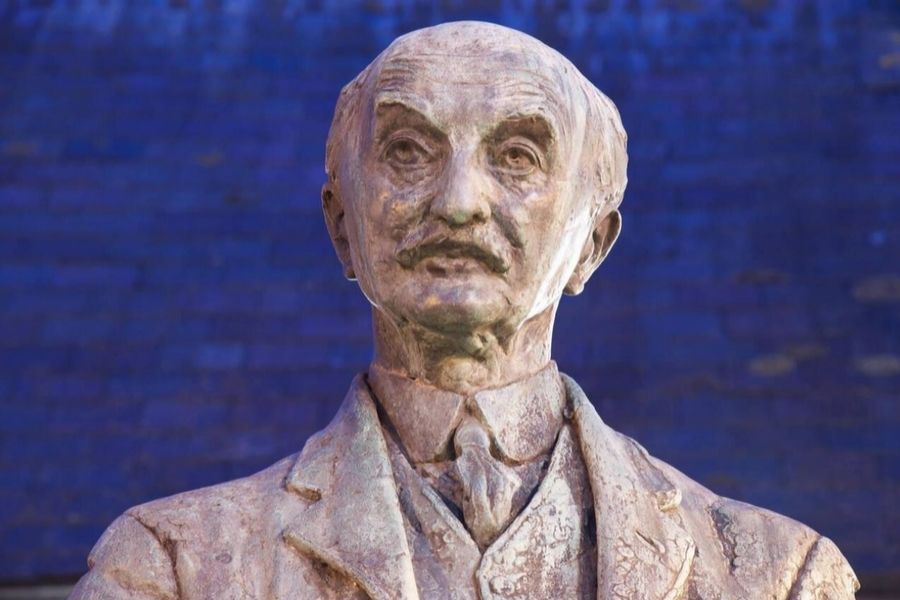
I found that this approach helped me connect the stories to real places while walking.
It also showed me how Hardy saw his homeland as both unique and universal.
Mapping Wessex in Dorset
Walking around Dorchester and the surrounding villages, I could track many named locations on a map.
Hardy’s Wessex covered much of Dorset, stretching into Wiltshire, Somerset, and Hampshire, but Dorset always remained the heart of his fictional region.
Here’s a quick comparison of just a few key places:
| Hardy’s Name | Real Location |
|---|---|
| Casterbridge | Dorchester |
| Budmouth | Weymouth |
| Mellstock | Stinsford |
| Weatherbury | Puddletown |
Many of these towns and villages keep traces of their Hardy identity.
Signs, walking trails, and museums share stories about their links to his novels and poems.
Following the “Hardy Way,” I passed heathlands, farms, and quiet lanes that felt straight out of his books.
Sense of Place in Hardy’s Works
Hardy’s descriptions of the countryside go way beyond scenery.
He used hills, fields, woods, and tiny villages to shape his characters and their daily lives.
The rural landscapes in “Tess of the d’Urbervilles” and “Far from the Madding Crowd” come across as both beautiful and harsh.
Hardy’s sense of place came from close observation.
He described the seasons, wildlife, changing weather, and the isolation or comfort brought by the land.
Every location in Hardy country seemed to have a personality of its own.
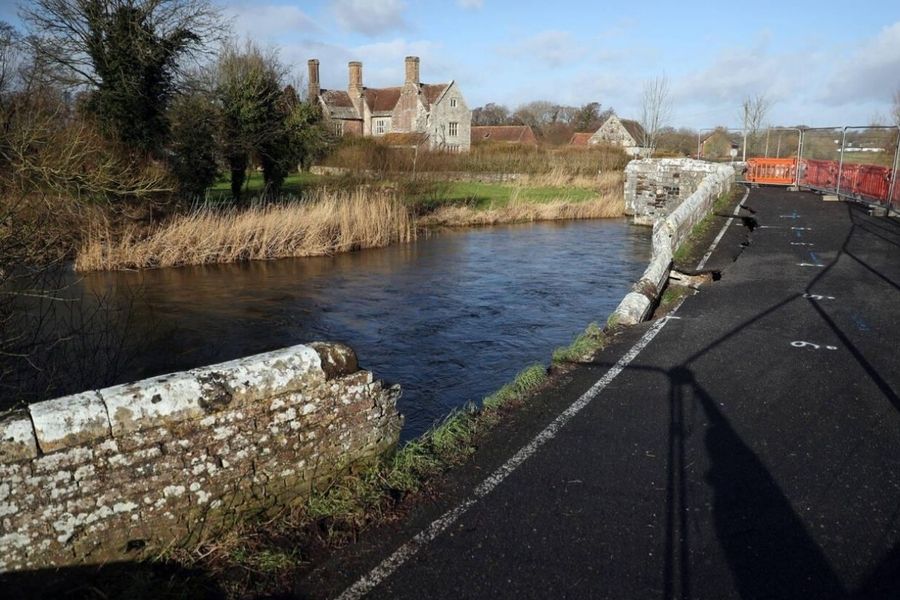
This deep connection between people and place helped me understand why Hardy’s rural Wessex feels so alive.
Each setting shaped the stories I’d read, grounding them in Dorset’s real and imagined landscapes.
Dorchester: Heart of Hardy’s Literary World
Dorchester sits at the center of Thomas Hardy’s fiction.
As I walked its streets, I found real-life places that inspired his classic novels and formed the backdrop of his stories.
From Dorchester to Casterbridge
Hardy turned Dorchester into the fictional town of Casterbridge.
He changed only the name, but kept the historic buildings, narrow lanes, and lively market that still mark central Dorchester today.
Many key events in The Mayor of Casterbridge unfold here, especially around the old corn exchange and market square.
Standing in the town center, I imagined Michael Henchard’s dramatic auctions and secret meetings.
The sense of the past lingers.
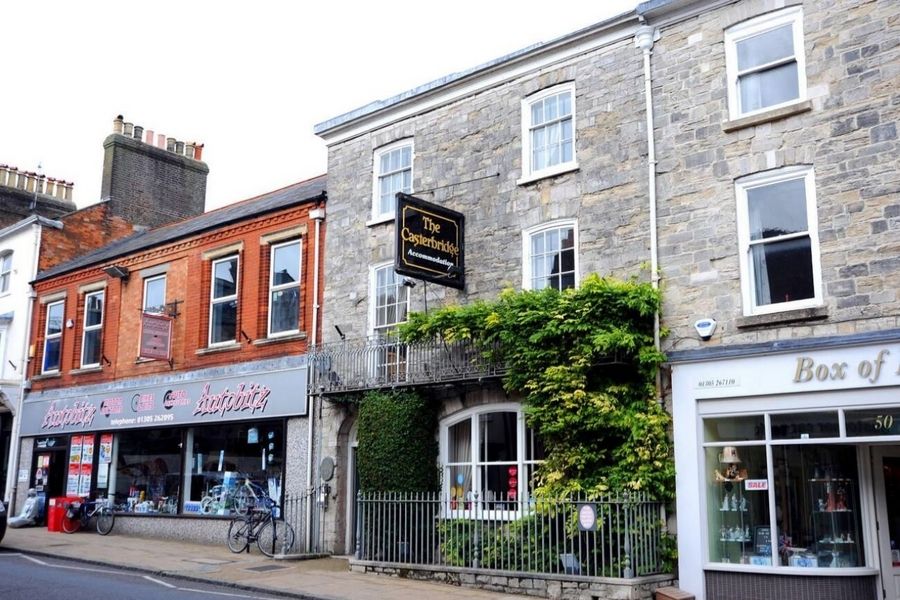
Shops and banks—like the old Barclays building—sit alongside locations featured in his novels.
Hardy mixed local color with real personalities, making Casterbridge feel familiar and enduring.
Discovering Maumbury Rings
Maumbury Rings is a huge earthwork just outside Dorchester’s center.
Originally a Neolithic henge, it later became a Roman amphitheater.
Hardy often visited and wrote about it, drawing attention to its long history and the way it shaped village life.
Walking along its grassy mounds, I could picture scenes from Hardy’s stories set here—moments of drama or quiet gatherings.
Maumbury Rings appears in The Mayor of Casterbridge as the site of public meetings, executions, and celebrations.
The rings connect modern visitors to centuries of local history.
Dorset County Museum’s Hardy Collection
A short walk from the town center brought me to the Dorset County Museum.
Here, the Hardy Collection gathers his manuscripts, notebooks, letters, and personal items in one place.
Seeing the writer’s desk and original drafts made his work feel more immediate.
The exhibits highlight Hardy’s links to Dorchester and the surrounding countryside.
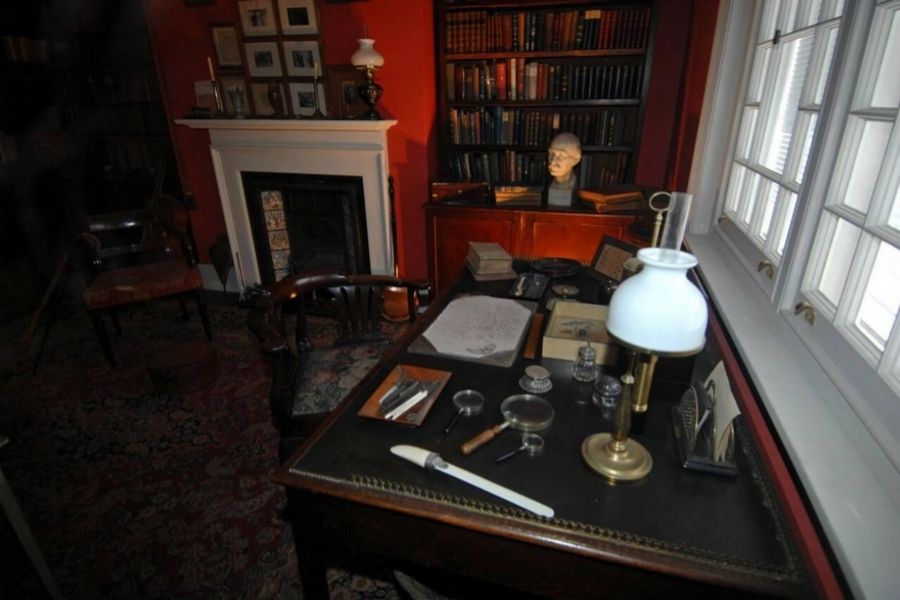
Artifacts are organized by novel and theme, which made it easy to see how local landmarks inspired his plots.
The museum offers maps, guided tours, and special events for Hardy fans.
Essential Sites of Hardy’s Life and Fiction
Many of Thomas Hardy’s most significant places sit in and around Dorchester.
These sites include the home where he was born, the house he designed himself, and the quiet churchyard where he rests.
Hardy’s Cottage at Higher Bockhampton
I began my journey at Hardy’s Cottage, a small thatched cottage in Higher Bockhampton.
Hardy was born here in 1840 and lived most of his early life in these simple, peaceful surroundings.
The cottage is made of cob and has a traditional reed-thatched roof.
Walking through the rooms, I saw the stone floors and fireplaces almost exactly as they were in Hardy’s time.
The garden bursts with wildflowers and still feels hidden from the world, just as it did when Hardy wrote his first poems and novels here.
Today, the National Trust manages the property.
Visitors can tour the inside and explore the nearby woodland walks that often inspired Hardy’s writing.
Max Gate: Hardy’s Dorchester Home
Max Gate is the house Hardy designed and built for himself later in life, not far from Dorchester’s center.
Unlike his childhood cottage, Max Gate is larger and made of red brick with tall chimneys.
Hardy moved here in 1885 and wrote some of his most famous novels in its rooms, including “Tess of the d’Urbervilles” and “Jude the Obscure.”
Inside, I found rooms open to visitors, filled with personal items and family photos.
The garden is wide and open, showing Hardy’s strong connection to nature even as an adult.
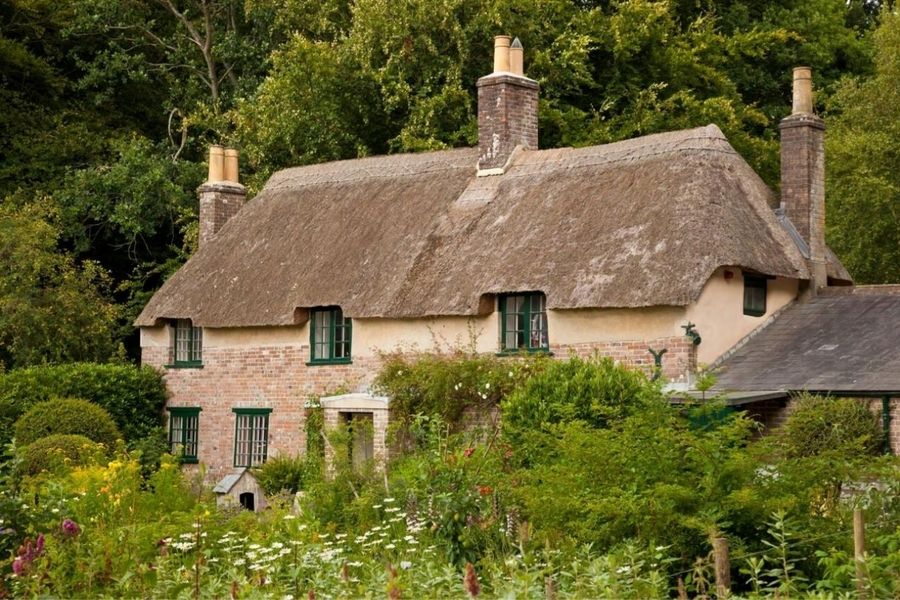
The National Trust now cares for Max Gate.
There are often guides who explain the home’s history and Hardy’s routines.
Stinsford Church and Churchyard
A short walk from Dorchester led me to Stinsford Church, in a quiet village where Hardy’s family worshipped.
The church has a simple stone exterior and peaceful atmosphere.
It’s known for Hardy’s grave in the churchyard.
Here, Hardy’s heart is buried separately from his ashes, which rest in Poet’s Corner at Westminster Abbey.
Several family members are buried nearby.
Many fans visit Stinsford to pay respects at the grave and see the setting Hardy described in his writings.
The site remains much as Hardy would have known it, calm and green with old yew trees.
Walking Routes and Rural Landscapes
Exploring Thomas Hardy’s Wessex, I found a network of walking paths crossing rolling hills, green valleys, and peaceful woods.
These routes often pass through real places Hardy used in his novels and poems.
The Hardy Way: A Literary Footpath
The Hardy Way is a long-distance route dedicated to showcasing the landscapes that inspired Hardy.
It stretches over 200 miles, beginning at Hardy’s birthplace near Dorchester and looping through West Dorset and Wiltshire.
I started at Max Gate, Hardy’s former home, and followed waymarked signs shaped like green and white discs.
These markers guided me through villages, fields, and riversides, many of which appear in his stories.
Along the route, I passed the Frome Valley, home to meadows described in “Tess of the d’Urbervilles,” and into the Blackmore Vale, another setting Hardy often used.
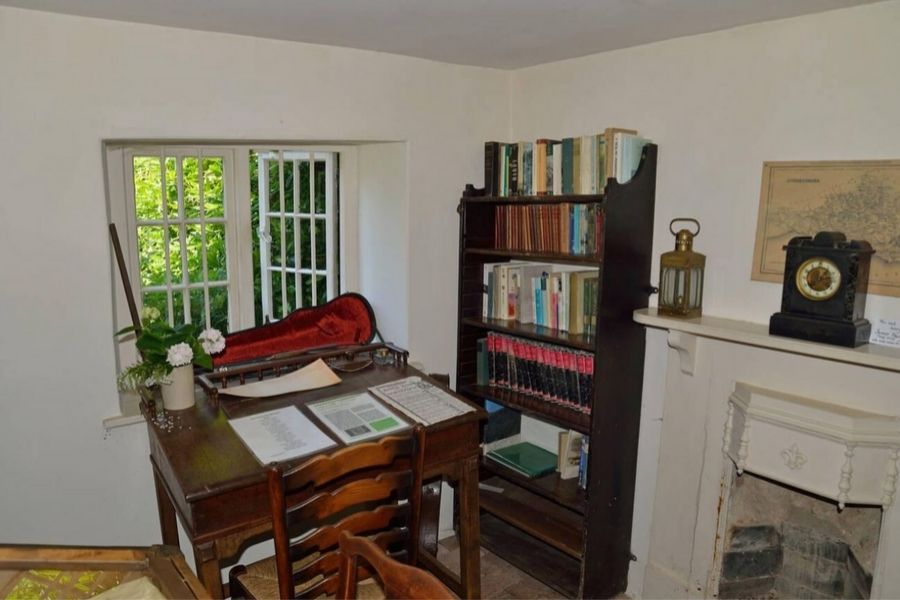
Every few miles, I stumbled across points of interest, such as thatched cottages, old churches, or panoramic viewpoints.
This path made it easy to connect Hardy’s fiction with the real countryside.
Waymarked Trails and Ordnance Survey Maps
Many public footpaths in Hardy’s Wessex are clearly marked and supported by local walking groups.
The network is well-maintained and includes distinctive signs, which made navigation easy for me as I explored.
I brought an Ordnance Survey map, which helped me find small lanes, hidden bridleways, and intersections of paths.
These detailed maps list many literary locations by name, including places Hardy renamed for his novels.
I also used local information boards, which often include short descriptions about Hardy’s connection to each site.
Popular routes near Dorchester lead to places like Stinsford Church, where Hardy’s heart is buried, and the Mellstock area, which features in many poems.
These paths are usually easy to walk and well-signposted.
Ancient Woodland and Public Footpaths
Walking through ancient woodland in Dorset, I found quiet forests of oak and beech that have existed for centuries.
Some paths pass through protected areas, offering a sense of the old landscape Hardy would have known.
Public footpaths wind along the edges of fields, down green lanes, and beside streams.
I crossed wooden stiles and followed shaded trails through bluebell-filled woods.
In spring and early summer, birdsong and wildflowers made these walks peaceful and beautiful.
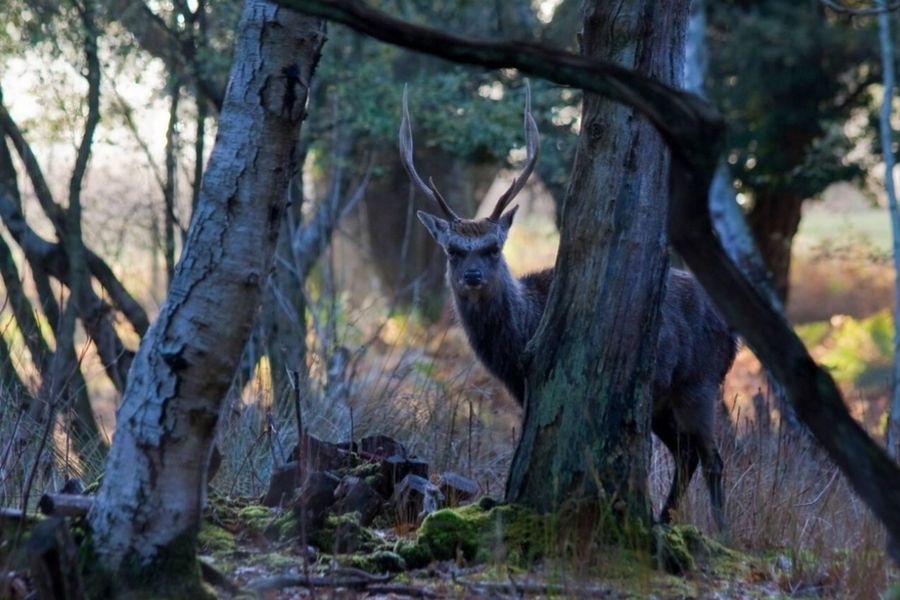
Many woods in the Frome Valley and around the Blackmore Vale remain unchanged since Hardy’s time.
Walking here, I could imagine scenes from his books brought to life in this stillness and greenery.
Hardy’s Literary Landscapes and Local Towns
Wandering through Hardy’s Wessex, I found both real and imagined places woven together.
The villages, market towns, and wild scenery became the backbone of his novels and left strong impressions on me with every step.
Iconic Fictional Locations
Thomas Hardy renamed real places to create the heart of his fiction.
Weatherbury, for example, is based on Puddletown and stands as the central village in Far from the Madding Crowd.
Mellstock, which appears in Under the Greenwood Tree, reflects Hardy’s own home village of Higher Bockhampton.
As I moved through the countryside, I could see how Evershot became Evershead, and how Hardy drew from Beaminster as the inspiration for Emminster.
These renamed spots add a quiet magic, rooted in actual landscapes but filled with literary meaning.
Even Shaftesbury, called Shaston in his work, appears repeatedly as a significant backdrop.
From church towers to quiet lanes, the connection between Hardy’s fiction and reality is visible everywhere I turned.
Real Villages and Market Towns
Puddletown, once called Weatherbury, is a peaceful spot and makes Hardy’s stories feel real.
I stopped by Cerne Abbas, known for its ancient abbey and hill figure, which appears subtly in his novels.
Nearby Evershot, a tiny market town, offered old inns that seemed unchanged since Hardy’s time.
Dorchester, where Hardy himself lived, is called Casterbridge in his books.
The streets, museums, and buildings showcase the county’s literary pride.

Beaminster and Bridport, both filled with stone houses and lively markets, also shaped parts of his Wessex.
In Weymouth, the seaside air and harbors made it clear why Hardy chose it as Budmouth.
Walking in these places, I noticed how much Hardy stayed true to the look and feeling of Dorset.
Coastal and Inland Scenery
Dorset’s coast pulled me right into Hardy’s world—especially at West Bay. Those cliffs are wild, almost theatrical, and the pebble beach crunches underfoot.
From there, I wandered along the Jurassic Coast, winding up in Lyme Regis. That town, with its twisty lanes and old stone, pops up in Hardy’s stories for good reason.
When I reached the Isle of Portland, the wind and waves hit me with the same intensity Hardy described. The rocks jut out, and the sea seems endless.
Inland, the scenery softened. Encombe Valley unfolded with green fields and gentle hills, feeling almost untouched by time.
I spotted the chalk figures near Cerne Abbas, and the ancient stones standing firm around Salisbury. History feels thick in the air.
Corfe Castle rises in broken pieces against the sky, hinting at all the drama Hardy packed into Wessex. Lulworth Cove, on the other hand, felt calm—just a curve of beach and blue water. Still, every stop along the way seemed to echo Hardy’s love for this land.
Tracing Themes and Creative Inspirations
As I wandered Dorset’s lanes and fields, I started to see why Hardy felt so drawn to this place. The villages and old buildings shaped his stories, and honestly, I could feel the creative spark too.
Rural Life and Fate in Hardy’s Novels
Hardy’s novels—Tess of the d’Urbervilles, Far from the Madding Crowd, The Mayor of Casterbridge—all orbit these small towns and the people who live in them. Walking past thick hedgerows, I caught glimpses of Tess’s quiet strength and heartbreak in the landscape itself.
Hardy doesn’t just write about fate; he makes it physical. The land, the weather, the social rules—they all press in on his characters, shaping their lives. Ordinary lives get tangled up in fate, social pressures, and sometimes plain old bad luck.
Egdon Heath, from Return of the Native, isn’t just a backdrop. It’s wild, stubborn, and it almost feels alive. Hardy lets the land itself drive the story, giving it moods and motives of its own.
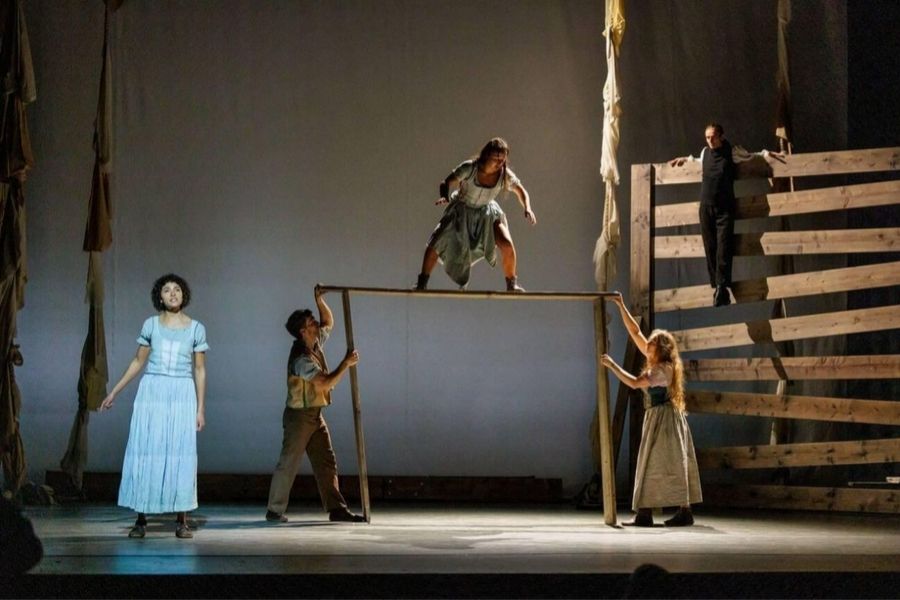
These towns—like Melchester (Salisbury in disguise) from Jude the Obscure—aren’t just places on a map. They act like characters, nudging people’s lives in unexpected ways. As I walked, every stone and hedge seemed to murmur stories of lost dreams and stubborn hope.
Influence of Architecture and Landscape
I stopped at the stone cottages in Higher Bockhampton, and the grand old Athelhampton House. Their details—thatch, brick, weathered wood—matched Hardy’s settings almost perfectly.
The Acorn Inn in Evershot, which Hardy called “The Sow and Acorn,” stands right there, full of stories and maybe a few ghosts. It’s easy to imagine the past crowding in as you step inside.
I made my way to Stonehenge in Wiltshire, where Hardy chose to end Tess of the d’Urbervilles. Those ancient stones add a weight and mystery that you can’t quite shake.
Dorchester—Hardy’s Casterbridge—buzzes with a mix of modern life and medieval echoes. Walking its streets, I felt the line between fiction and reality blur. Each place I visited told me something new about how Dorset’s sights, sounds, and even its unpredictable weather shaped Hardy’s books.
Hardy’s Connections to Other Writers
Wandering through Dorset, I couldn’t help but realize Hardy wasn’t just woven into the local scenery—he belonged to a bigger world of novelists, poets, and thinkers. Sure, he mingled with London’s literary crowd, but somehow, the land of Wessex always pulled him back.
I found out that other townsfolk became poets and authors too. Sometimes, they’d gather at cozy local spots like Bere Regis. The Thomas Hardy Society actually organizes events and tours, and their guidebooks connect Hardy’s stories directly to places around Dorchester.
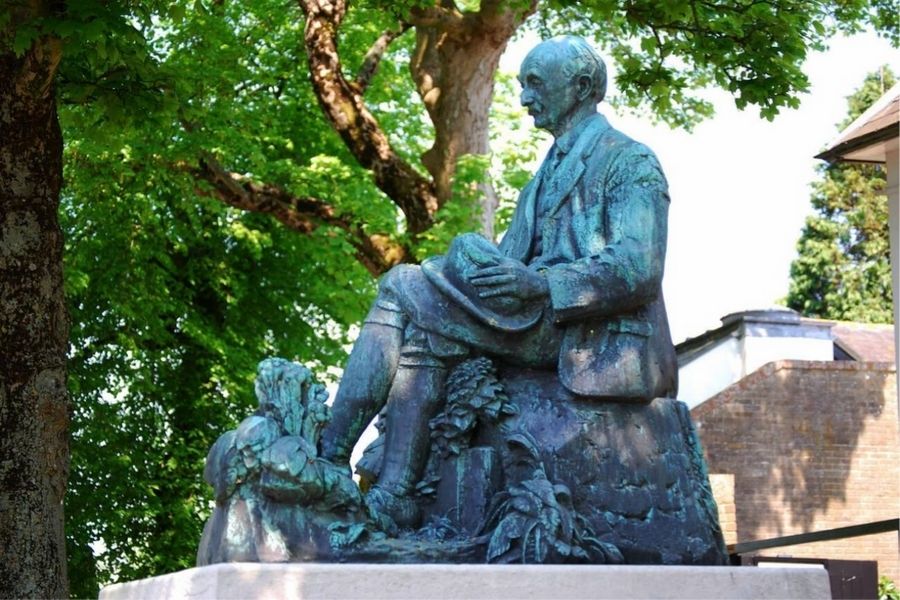
Seeing all these connections, I got why Hardy sparked later writers to look for inspiration in the landscape and local tales. Visiting these spots, I felt a real sense of belonging—not just to Hardy, but to a whole community of people who shared ideas and brought rural England to life in their writing.