
Strolling along the Seine in Paris, I just couldn’t help but gravitate toward Notre-Dame’s silhouette. The cathedral’s towering presence has always inspired me, but now, seeing the restoration up close, it feels even more meaningful.
From the quays, I’ve watched Notre-Dame’s comeback change both the cathedral and the city’s energy. It’s a rare glimpse into Paris’s resilience.
Work crews buzz around, cranes hover over ancient stones, and every detail gets careful attention. I realized how much this landmark means to Parisians and travelers alike. Experiencing all this from the banks of the Seine connects me to the city’s heart—history is literally being rebuilt right in front of me.
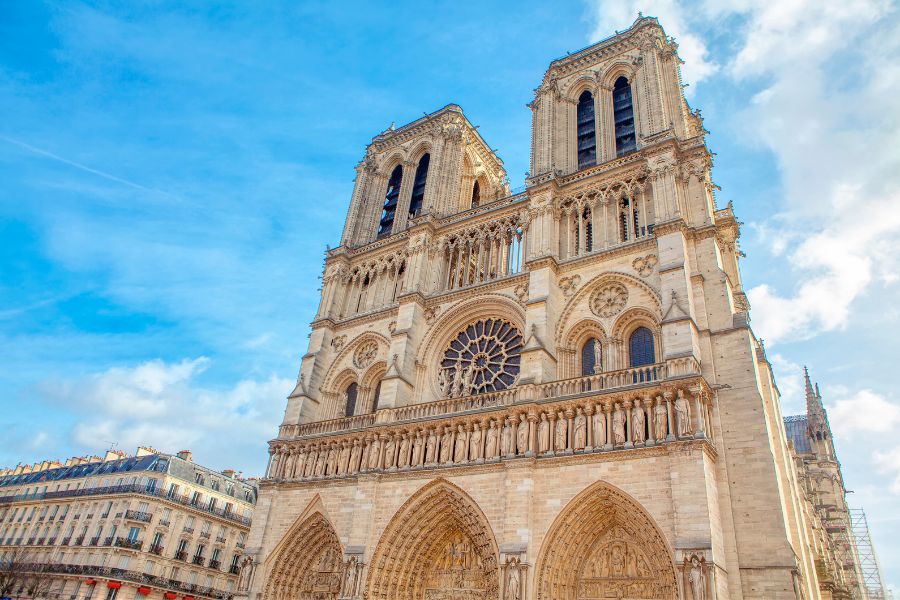
Not every day do you get to watch a world icon recover, stone by stone, from the riverside.
Witnessing Notre-Dame’s Restoration Along the Quays
Standing along the Seine’s quays, I get a front-row seat to one of Paris’s most dramatic transformations. Every visit brings a new angle—scaffolding, fresh stonework, and that iconic spire making its comeback.
Best Vantage Points on the Seine
Some of my favorite views come from the Left Bank, especially on Quai de Montebello. I often stop near Pont de l’Archevêché, where Notre-Dame rises just across the water.
From there, the flying buttresses and all the restoration work are right in your face. On the Right Bank, Quai de la Tournelle gives a totally different vibe.
I love grabbing a bench or browsing the bouquinistes’ green book stalls, Notre-Dame always looming in the background. Early mornings bring the softest light for photos, but honestly, evenings have their own magic as the sun sinks behind the spires.
| Spot | Reason to Visit |
|---|---|
| Quai de Montebello | Close view, classic angle |
| Quai de la Tournelle | Riverside benches, bouquinistes |
| Pont de l’Archevêché | Direct line of sight, great for photos |
Times and Seasons for Optimal Viewing
Notre-Dame’s restoration looks different every season. In spring, cherry blossoms near Square Jean XXIII frame the cathedral, making photos extra special.
Summer brings those endless evenings when the whole façade glows. Autumn feels quieter, with golden leaves drifting by and fewer crowds.

Winter strips away the trees, so you get a clear look at scaffolding and workers high up. For the best experience, I go on weekday mornings or just before sunset. I try to skip midday on weekends to avoid the biggest crowds.
Seasonal Viewing Highlights:
- Spring: Blossoms and soft light
- Summer: Long days, festive riverbanks
- Autumn: Fewer tourists, golden tones
- Winter: Clear structures, crisp air
Walking Tours and Guided Experiences
Guided tours along the Seine bring the whole scene to life. Local guides share stories about Notre-Dame’s architecture and the firefighting efforts after the 2019 blaze.
I’ve learned more in a single hour with a guide than in days of wandering solo. Some tours start at Hôtel de Ville and trace the river, pointing out hidden spots and sharing tips on where to spot restoration details.
Others connect Notre-Dame’s story to the writers and artists who loved the cathedral. While self-guided walks are flexible, I really recommend at least one guided experience.
It helps me notice the progress—like fresh limestone or new carvings I’d otherwise miss. Plus, guides usually know where to find unique Notre-Dame souvenirs from riverbank vendors.
Uncovering the History and Cultural Significance
On my first Paris trip, Notre-Dame’s story hit me everywhere—etched in stone, glowing in stained glass, and pulsing in the city’s rhythm. From medieval builders to literary giants and rebel leaders, the cathedral’s history is woven into France’s soul.
Notre-Dame Through the Ages
It blows my mind that Notre-Dame has stood through nearly 900 years of history. Construction kicked off in 1163 under King Louis VII, back in the High Middle Ages, when religious devotion and artistic ambition ran wild.
Medieval masons shaped its flying buttresses and those massive towers. Centuries later, the French Revolution battered the cathedral—statues lost their heads, and much of the religious art vanished in the name of liberty, equality, and fraternity.
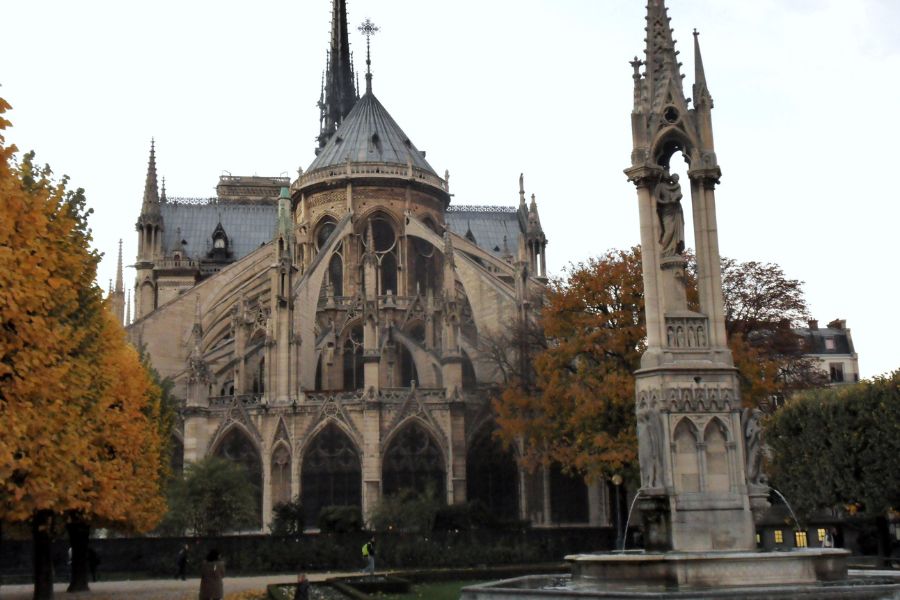
Still, Notre-Dame always bounced back as a symbol of hope. Napoleon crowned himself emperor under its arches in 1804. The bells rang out during both world wars, reminding Parisians to hold on.
Influential Figures: From Victor Hugo to Viollet-le-Duc
Victor Hugo always comes to mind when I think of Notre-Dame. His The Hunchback of Notre-Dame (1831) was basically a love letter to the cathedral and a plea to save it from ruin.
That book sparked public interest and got people caring about historic preservation. Enter Eugène Viollet-le-Duc, the architect who led a massive 19th-century restoration. He rebuilt what revolutionaries had destroyed and even created the cathedral’s famous spire—the same one that fell in the 2019 fire.
Thinkers like Voltaire and Robespierre saw Notre-Dame as a battleground for tradition, faith, and the soul of France. Their legacy lives on in the way Parisians still fight to protect and honor this place.
Notre-Dame in the Heart of French Identity
Walking by the Seine, I really feel how Notre-Dame is tied to French identity. It’s not just a church; it’s the backdrop for national celebrations and mourning—royal ceremonies, public prayers, you name it.
During the Revolution, people used Notre-Dame for new secular rituals. Later, both monarchies and republics gave it new meanings for their times. Those big ideas—liberty, equality, fraternity—echo in its stones.

Notre-Dame stands for French resilience, artistry, and unity. Whether you’re a believer, a history buff, or just a traveler like me, the cathedral’s story makes every visit hit differently.
Gothic Wonders and Artistic Mastery Revealed
Standing here along the quays, I keep spotting new details in Notre-Dame’s restoration that change how I see Gothic architecture in Paris. The mix of expert stonework, mythical creatures, and Notre-Dame’s place among Paris’s great landmarks jumps out at me.
Stunning Gothic Architecture and Sculptures
Notre-Dame’s flying buttresses and towering spires look even more dramatic wrapped in scaffolding. The pointed arches and ribbed vaults—classic Gothic stuff—catch the light in new ways as restoration brings back lost details.
The sculptures along the façade always catch my eye. Saints and biblical figures line up beside kings, each carved with amazing detail. Restorers use old photos and surviving stones to match new carvings to the originals.
Some figures come back from the stonecutter’s workshop looking like they just stepped out of the Middle Ages. Others still wait for their final touches. Watching from the Seine, I follow the dance between old and new.
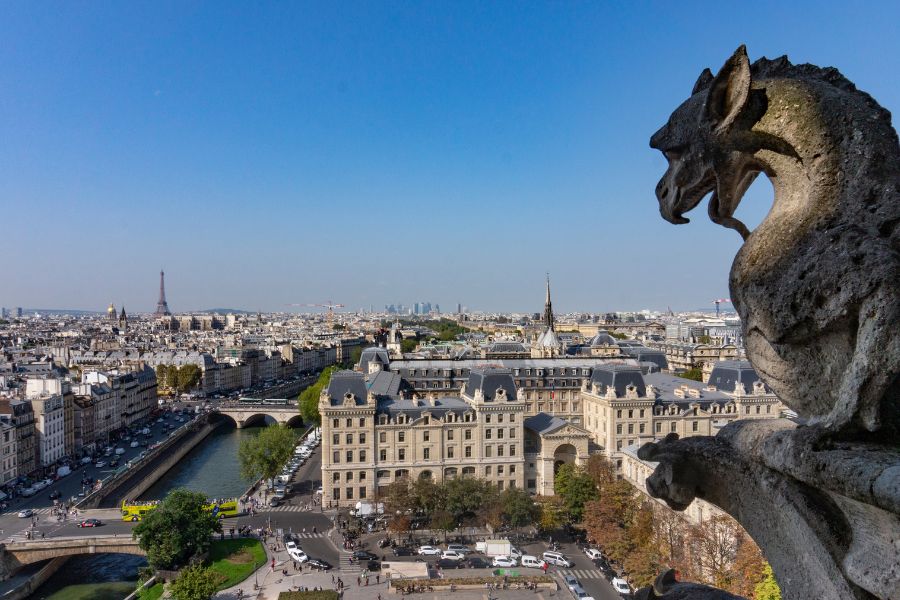
I sometimes use my phone’s zoom or a pair of compact binoculars to spot workers cleaning, swapping out damaged statues, or applying protective coatings. It’s a new way to appreciate the artistry—honestly, it rivals what you’ll see in the Musée d’Orsay or the Cluny Museum.
Chimeras and Gargoyles Up Close
Nothing stands out like Notre-Dame’s chimeras and gargoyles. These fantastic stone creatures—half animal, half fantasy—perch high above, watching Paris.
During restoration, workers have taken some chimeras down, so you can sometimes see them up close in special exhibitions. I got lucky on my last trip and caught a glimpse. Seeing their faces up close made me appreciate their weird charm even more.
Their features are worn by centuries of wind and rain, and I can’t help but wonder what the original stonecarvers imagined. The gargoyles, meanwhile, actually do something useful: they channel rainwater off the roof.
Watching water pour from their mouths in a storm is a reminder that even playful sculptures here serve a purpose. They link Notre-Dame to a long tradition you’ll spot on other grand French buildings.
Notre-Dame’s Role in Parisian Monuments
Standing on the quay, I see how Notre-Dame fits into Paris’s bigger story. Its central spot on Île de la Cité has made it a landmark since medieval times.
From the same spot, I can spot the towers of the Louvre, the dome of the Pantheon, and even the Musée d’Orsay in the distance. Each monument tells a piece of Paris’s artistic history.
But Notre-Dame stands out for its blend of sculpture, architecture, and myth. It isn’t just a church—it’s an anchor for styles you’ll find all over the city, from national museums to winding old streets.
Comparing Notre-Dame’s mix of legends, stained glass, and stone carvings to collections in the Cluny or Orsay, I see how the cathedral inspires other works across Paris. Watching its rebirth from the Seine, I feel connected to a living piece of the city’s creative soul.
Experiencing Paris Around the Cathedral
Walking along the Seine near Notre-Dame, I always notice the mix of daily Parisian life and famous landmarks right at hand. The riverbanks, old buildings, and street performers create a mood that blends the city’s past and present.
Riverbank Picnics and Local Life
I often spot families and friends picnicking on the quays by the cathedral. The stone embankments, shaded by plane trees, fill with Parisians munching baguettes, cheese, and fruit from nearby markets.
Tourist boats float past, and laughter drifts over the water. Sitting here, I watch locals sketch, read, or chat in small groups.
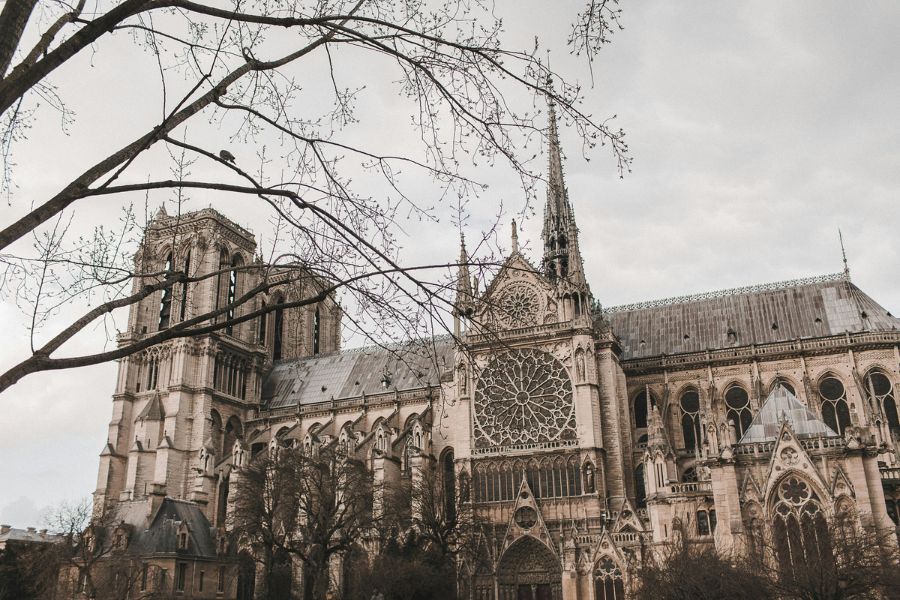
Vendors sometimes set up stands with souvenirs—mini Notre-Dame towers, postcards, or old books. The atmosphere feels peaceful, even with a little bustle. Early evenings are my favorite, when the light gets warm and the river glows.
Nearby Icons: Sorbonne, Palais de Justice, and More
Within minutes of Notre-Dame, I can wander to places like the Sorbonne, the heart of Paris’s academic world. Students spill out of lecture halls, giving the Latin Quarter a lively, youthful vibe.
The Sorbonne doesn’t offer public tours, but just being nearby makes me feel part of something historic. A short walk the other way brings me to the Palais de Justice.
The building stands tall with its ornate gates and police cars out front. Sometimes, I spot officials arriving, and if I linger, I overhear staff chatting over coffee.
It’s a good reminder that Paris isn’t just about old stones—it’s a living, working city. I always suggest ducking down the little side streets here.
Les bouquinistes—the green bookstalls along the Seine—sell vintage maps, prints, and secondhand treasures. It’s a great spot to find unique souvenirs and soak up Paris’s literary spirit.
Savoring Culture: Music, Street Artists, and Events
Weekends? That’s when the quays and the square around Notre-Dame really burst into life. I’ve caught classical quartets playing in the open air, and sometimes, these impromptu concerts just stop people in their tracks.
Street artists set up nearby, painting or juggling for anyone who’ll watch. I’ve even bumped into performers dressed in wild costumes, posing for tips or the occasional selfie.
Local festivals and cultural events seem to pop up out of nowhere near the cathedral. One summer, I wandered into a free jazz concert right by the Seine—the music and the river together just felt magical.
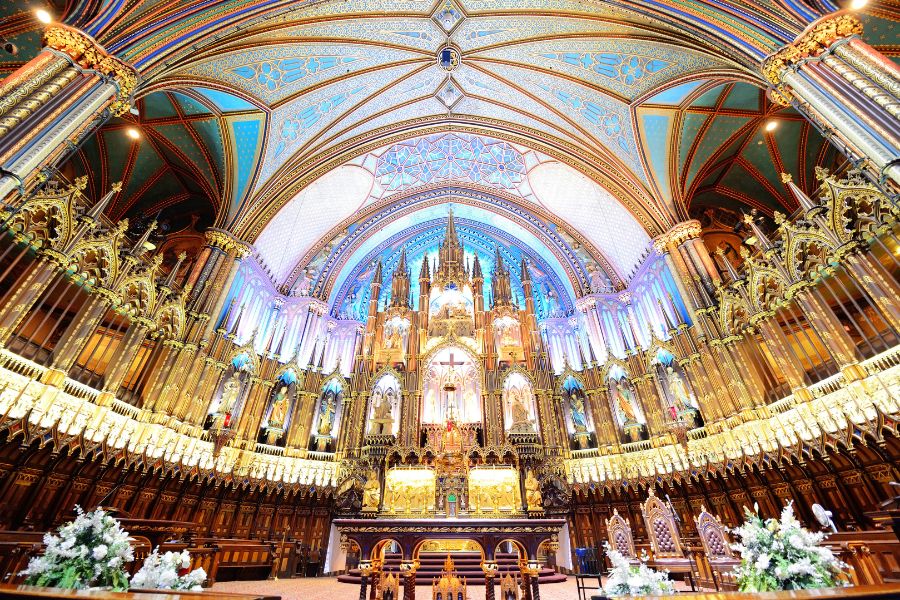
These moments, when music and history tangle together, keep the whole area buzzing with energy.
If you’re into art and live shows, you’ll want to stick around here for a while. It’s rarely quiet, but honestly, every visit feels like you’ve stepped into a scene that’s both ordinary and a little bit unreal.
Legend, Literature, and Lasting Impact
Notre-Dame’s story lives not just in stone, but in the hearts and stories of Paris. From Victor Hugo’s unforgettable characters to the echoes of revolution and the cathedral’s influence far beyond France, Notre-Dame’s impact stretches well past its walls.
Quasimodo, Esmeralda, and Hugo’s Legacy
The first time I read Victor Hugo’s The Hunchback of Notre-Dame as a teenager, I got swept up in how Hugo made the cathedral feel alive. Quasimodo—the bell-ringer with a heart bigger than the building—and Esmeralda, the brave dancer, are legends forever linked to Notre-Dame’s towers.
Hugo used his story to shine a spotlight on the cathedral’s neglect back in the 1800s. In the novel, public opinion shapes the fate of Quasimodo, Esmeralda, and Pierre Gringoire. Claude Frollo stands for obsession and oppression, while the Feast of Fools scene throws you right into the chaos and color of medieval Paris.
Because of Hugo, people remember Notre-Dame as more than just a beautiful building—it’s a place full of drama and humanity. Whenever I walk near those towers, I swear I can feel those characters lingering in the shadows.
Notre-Dame’s Influence on Global Architecture
Notre-Dame changed the way people built things. Its flying buttresses, soaring arches, and stone carvings inspired architects everywhere.
Standing out on the quays, I notice those details aren’t just decoration—they show Paris’s old dream to reach for the sky.
The cathedral’s Gothic style set off a trend that spread to other countries. You can spot hints of Notre-Dame in buildings from London to New York.
Restoration projects, including the current one, show off French expertise that people all over the world admire.
People come to Paris for all sorts of reasons, but if you love architecture, seeing Notre-Dame up close—even behind scaffolding—feels like a once-in-a-lifetime art lesson.
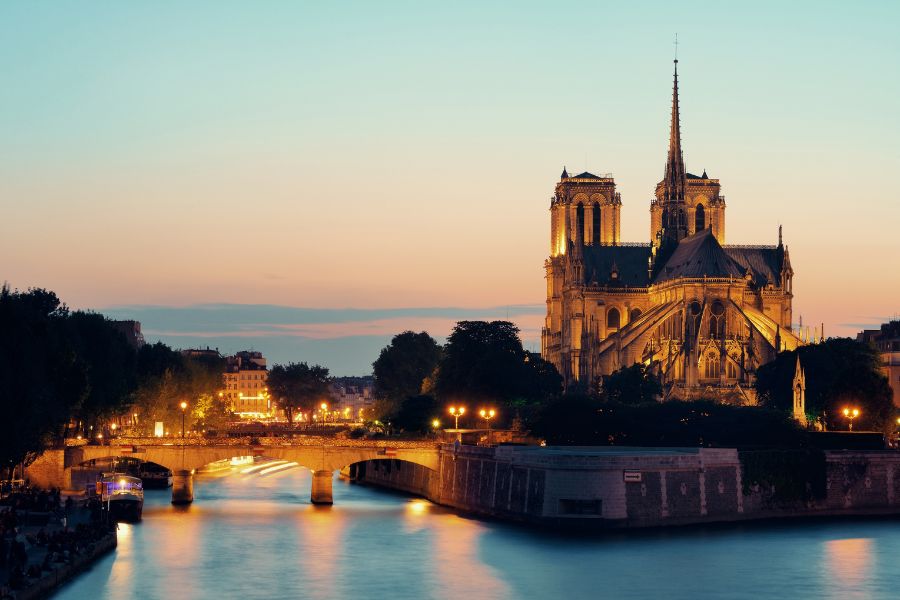
I always tell friends to bring a sketchbook when they visit the quays.
Echoes from the Revolution to Today
Notre-Dame has survived centuries of turmoil. During the French Revolution, the cathedral heard more than prayers—it echoed with protests.
Robespierre and his supporters stormed in and damaged the building to make a statement against the church’s power. They smashed statues and scattered treasures, changing its appearance for good.
Decades passed. Parisians—adults and street kids alike—rallied to save the church after Hugo’s novel sparked fresh love for the monument.
Even now, when I watch workers on the restoration site, I can see that passion hasn’t faded at all.
Notre-Dame stands as a symbol of Parisian spirit—tested by fire, war, and time, but always reborn. People gather along the quays, not just to watch history unfold, but to step into its next chapter themselves.
