
If you’re tired of the crowds and noise of Tenerife or Gran Canaria, El Hierro might just be your dream escape. It’s the smallest, most remote Canary Island—officially a UNESCO Biosphere Reserve—and feels like a hidden gem for anyone craving an authentic connection with nature. Here, you can finally slow down, breathe easy, and let the wild landscapes work their magic.
El Hierro practically demands that you move at a different pace. Instead of racing from sight to sight, you’ll find yourself wandering volcanic cliffs, getting lost in ancient forests, and swimming in pristine marine reserves. With just 11,000 residents and not a single traffic light in sight, the island nudges you to let go of the rush and soak in experiences that actually linger.
I’ll admit, El Hierro’s magic isn’t about flashy attractions or tourist checklists. It’s about what the island draws out of you. You end up diving into crystal-clear waters, hiking through misty highlands, and sampling local cheeses while learning how the island leads the way in renewable energy. This is the place to reconnect with the natural world and remember why you fell in love with travel in the first place.

What Makes El Hierro Unique Among the Canary Islands
El Hierro doesn’t just blend in with the other Canary Islands. Its raw geology, untouched scenery, and bold sustainability efforts set it apart in a way that’s hard to ignore.
Volcanic Origin and Geological Features
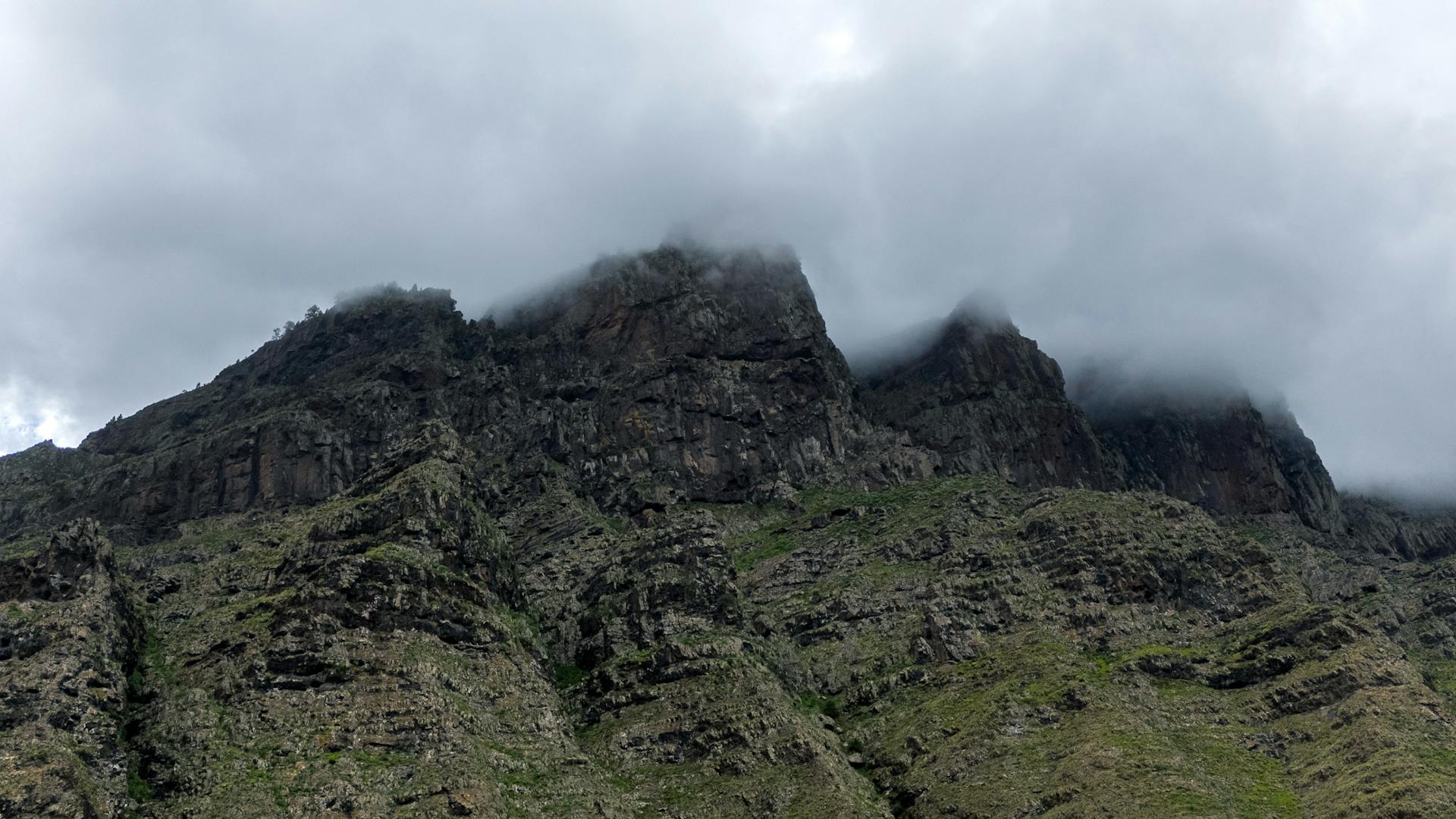
El Hierro is the baby of the Canaries—just 1.2 million years old. You can see and feel that youth in the wild, jagged landscape. It’s rougher and less worn down than the older islands.
What makes El Hierro’s geology so special?
- Over 500 volcanic cones dot the island
- The dramatic El Golfo valley, created by a massive landslide
- Underground lava tubes like Cueva del Caracol
- Ongoing geological changes, including the 2011 Tagoro submarine eruption
The island actually shifts westward, millimeter by millimeter, each year. GPS sensors track this slow drift, a reminder that El Hierro is alive and always changing.
Volcanic activity here feels recent and real. The 2011 underwater eruption near La Restinga formed brand-new ecosystems that scientists still study.
Comparison with Tenerife, Gran Canaria, La Palma, and La Gomera
El Hierro’s isolation makes it stand out. While Tenerife and Gran Canaria pull in millions of visitors, El Hierro stays off the radar and remains the least visited.
Population and development at a glance:
| Island | Population | Tourism Level | Development |
|---|---|---|---|
| Tenerife | 917,000 | Very High | Heavily developed |
| Gran Canaria | 851,000 | Very High | Heavily developed |
| La Palma | 83,000 | Moderate | Moderately developed |
| La Gomera | 21,000 | Low | Lightly developed |
| El Hierro | 11,000 | Very Low | Minimally developed |
Cultural traditions here feel more alive than anywhere else I’ve visited in the Canaries. Locals still craft cheese using time-honored techniques and collect water the old-fashioned way.
La Gomera is remote and small too, but El Hierro takes sustainability even more seriously. They’ve set stricter limits on development and lead the way in renewable energy.
Tenerife and Gran Canaria built up huge resort areas. El Hierro made a conscious choice to avoid that path, focusing on conservation and keeping things simple.

UNESCO Biosphere Reserve and Sustainability
El Hierro became a UNESCO Biosphere Reserve in 2000. It also holds the UNESCO Global Geopark title, which is pretty rare.
The Gorona del Viento project powers the island with wind turbines and hydro storage, and on good days, they run entirely on renewables.
Sustainability highlights:
- First island in the world to hit energy self-sufficiency with renewables
- Heritage breeds and traditional farming methods still thrive
- Building and development get tightly controlled
- Endemic species flourish at Europe’s highest density per square kilometer
No other Canary Island matches El Hierro’s full-on commitment to sustainability. Sure, La Palma and La Gomera are beautiful, but El Hierro leads the way in practical solutions.
The island’s water-saving tricks, from ancient mist-traps to modern rainwater collectors, show how innovation and tradition can work together.
Nature’s Sanctuary: Landscapes, Climate, and Biodiversity
Step onto El Hierro and you’ll feel like you’ve entered a living, breathing nature lab. The subtropical climate supports ancient laurel forests and rare species that thrive in wild volcanic craters. The Atlantic’s influence shapes everything, from the coastline to the patchwork of microclimates inland.
Subtropical Climate and Seasons
El Hierro enjoys a subtropical climate—think mild, comfortable temperatures all year. Winters hover around 64°F, and summers rarely climb above 77°F.
The island really only has two seasons. From May to October, it’s dry and sunny. Then, from November to April, the trade winds bring in some rain.
Weather at a glance:
- Summer: Low humidity, clear skies, 70-80°F
- Winter: More rain, higher humidity, 60-70°F
- Trade winds: Blow steadily all year, strongest in summer
Temperature and rainfall shift with elevation. The coast stays warm and dry, while the highlands get more rain and stay cooler—perfect for rare plants.
Laurel Forests and Endemic Flora
El Hierro’s laurel forests are some of Europe’s last ancient subtropical woodlands. In the misty highlands, these forests feel almost prehistoric.
Some of these trees have been around for millions of years. The El Sabinar area is famous for its twisted junipers, shaped by relentless winds. They look like something out of a dream.
Notable endemic species:
- Hierro giant lizard (Gallotia simonyi)
- Canary Island pine (Pinus canariensis)
- Tree heath (Erica arborea)
- Canary laurel (Laurus novocanariensis)
These forests act like giant sponges, catching moisture from the clouds and feeding underground springs. That’s how the island keeps its water flowing, even in the dry months.

Volcanic Craters and El Golfo Valley
El Golfo Valley dominates the north—a vast volcanic amphitheater formed when a huge chunk of the island slid into the ocean.
The valley stretches four miles wide and drops more than 3,000 feet from the rim to sea level. Farmland covers the valley floor, shielded by dramatic cliffs.
Volcanic highlights:
- Malpaso: The island’s highest peak at 4,892 feet
- Dozens of volcanic cones and craters
- Lava tubes and mysterious caves
- Fresh lava flows from recent eruptions
The volcanic soil is crazy fertile. Farmers here grow pineapples, tropical fruit, and veggies in the valley’s unique microclimate.
Natural Pools, Caves, and Coastal Areas
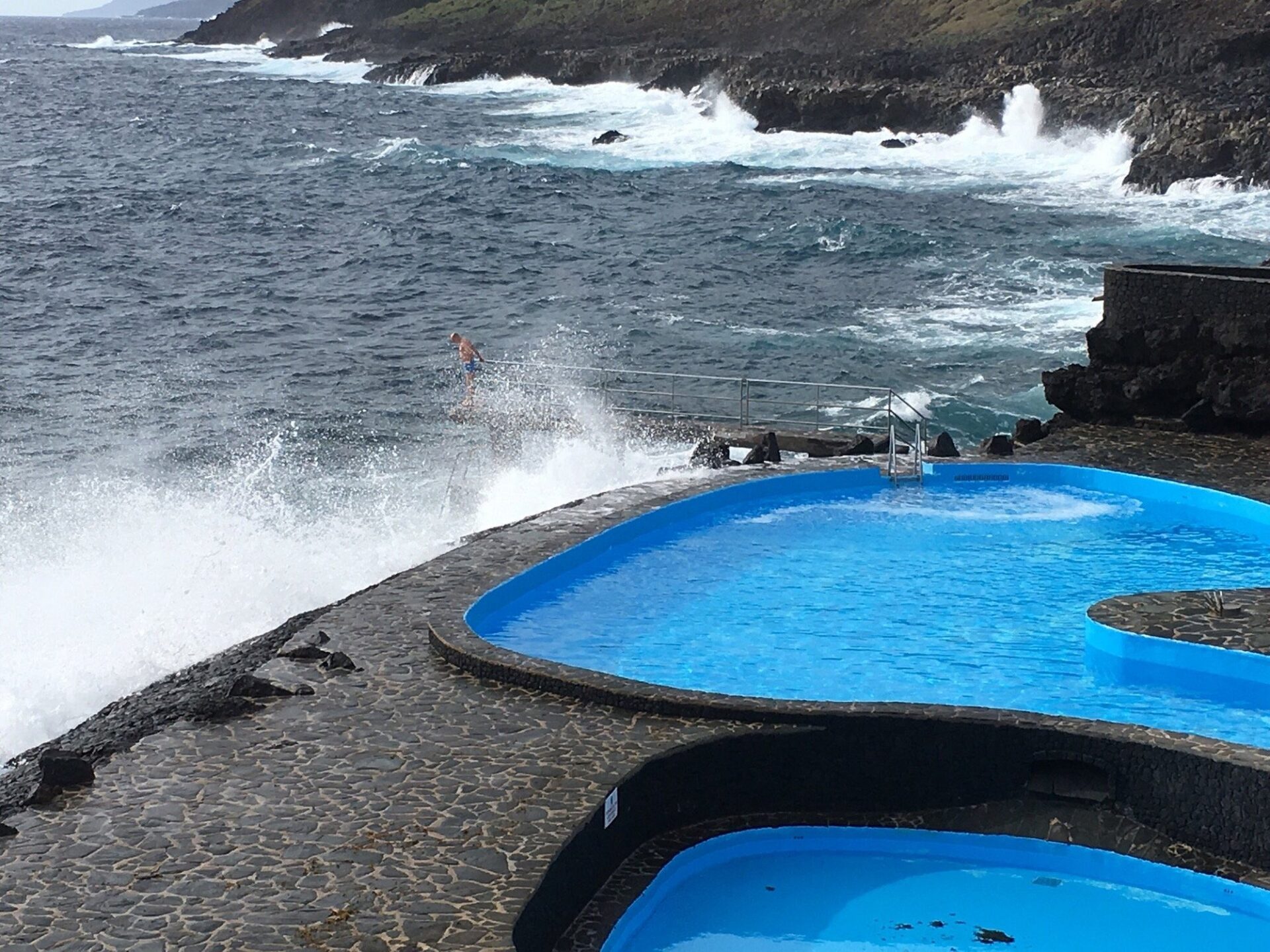
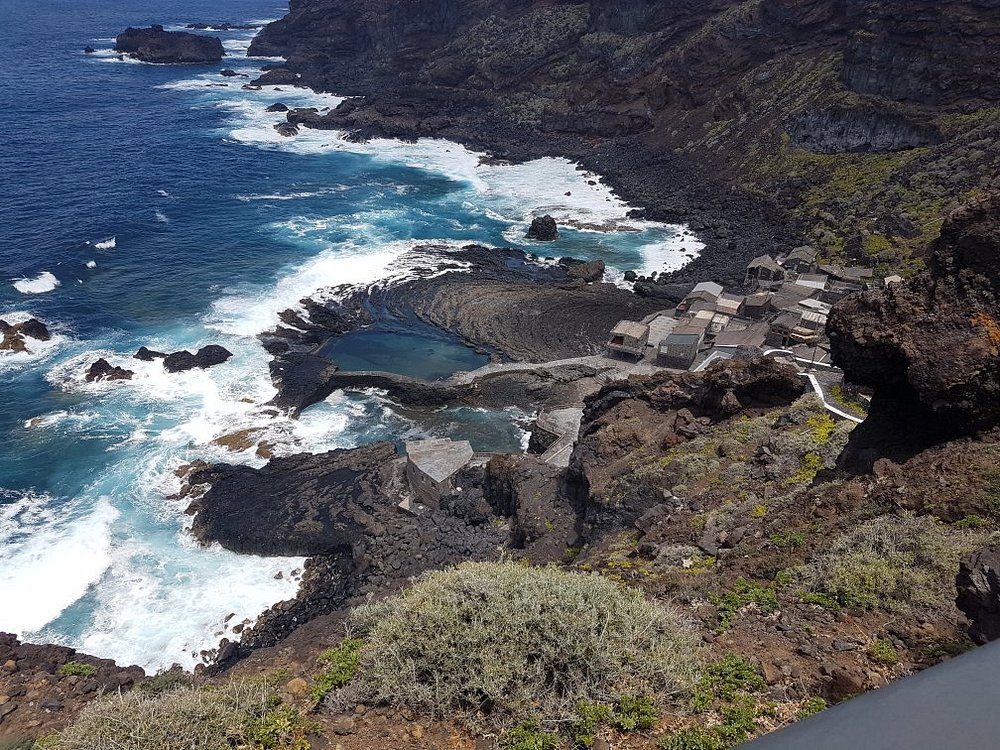
El Hierro’s coastline is wild, shaped by volcanoes and the pounding Atlantic. You won’t find many sandy beaches, but the natural pools are unforgettable.
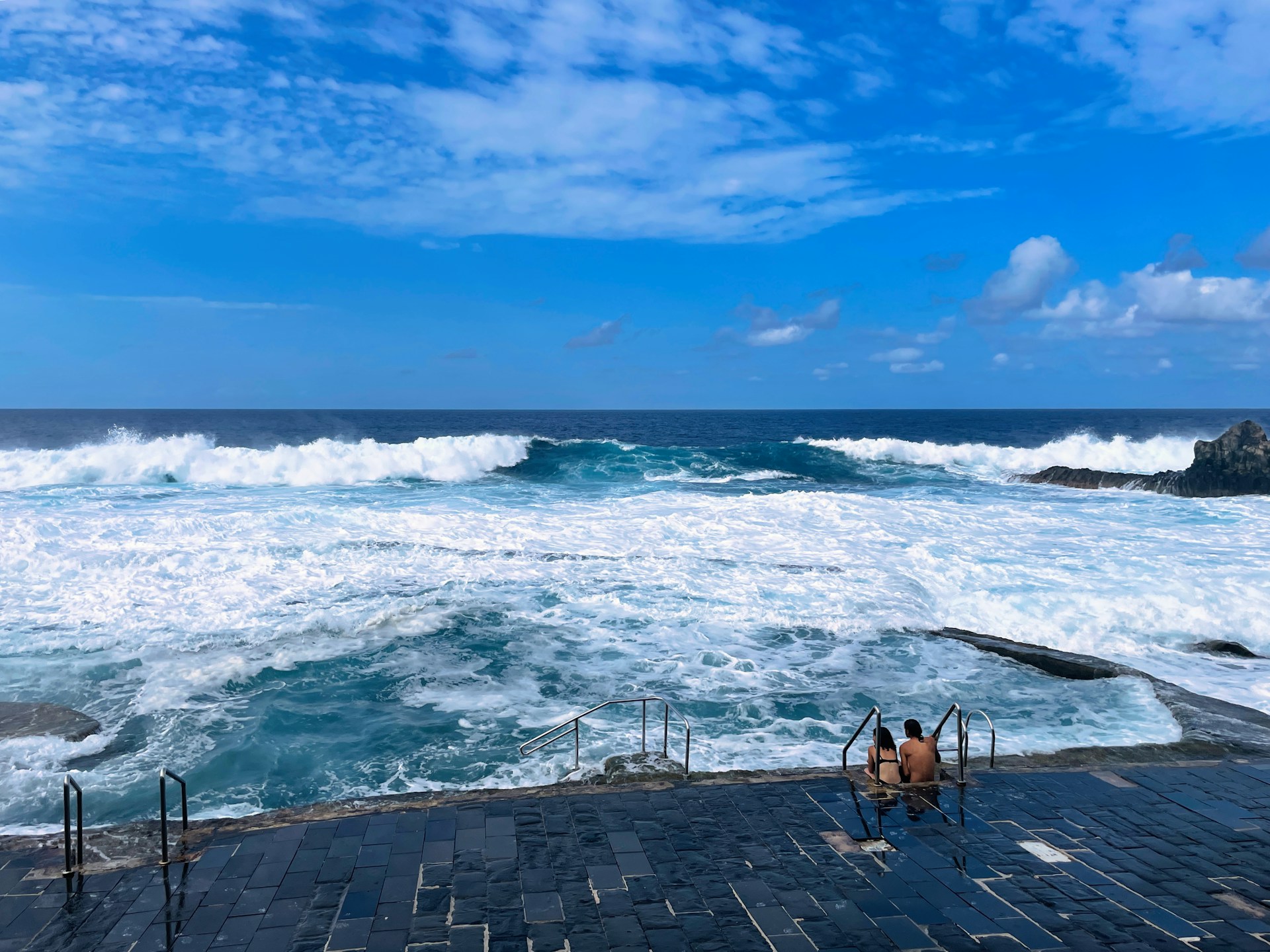
Charco Azul is the standout—a deep-blue pool carved into black volcanic rock on the northern coast. Even when the ocean’s rough, the water in the pool stays calm and inviting.
Coastal gems:
- Lava rock pools for swimming
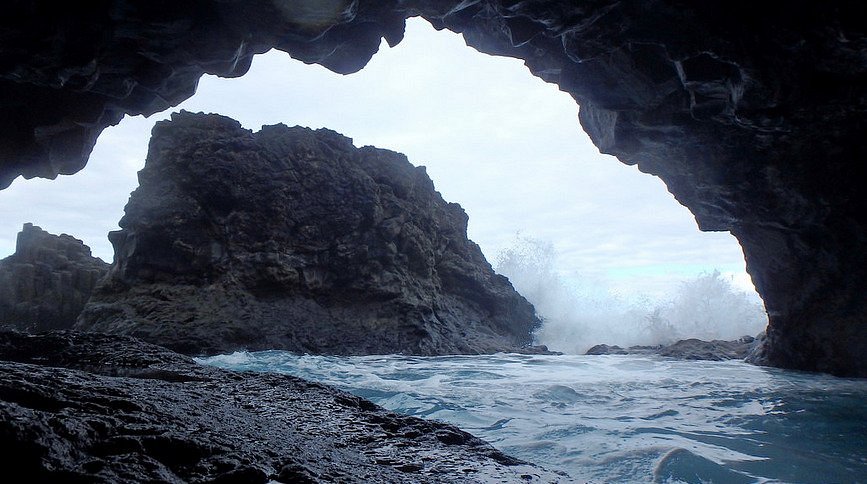
- Sea caves formed by waves
- Volcanic rock formations everywhere you look
- Tide pools teeming with marine life
The surrounding Atlantic Ocean is rich with life. I often spot whales and dolphins not far from shore.
Underwater caves and cliffs make this a diver’s paradise. The water’s so clear you can see up to 100 feet—what’s below the surface is just as wild as what’s above.
Immersive Experiences: Slow Travel, Hiking, and Deep Connection
El Hierro invites you to slow down and really experience the place. The hiking trails wind through volcanic landscapes and traditional villages, offering a window into authentic island life.
The Philosophy of Slow Travel on El Hierro
El Hierro has a different rhythm. People here care more about who you are than what you do.
The island’s small size makes it easy to explore at your own pace. Locals often leave their doors open, and it’s not unusual to find yourself sharing stories over a morning coffee.
What slow travel looks like here:
- Morning swims, then chats with neighbors
- Long, lazy lunches with papas con mojo as the sun sets
- Walking from village to village instead of driving
- Spending hours at a single viewpoint, just watching the world
If you let go of your schedule, the best moments just happen. I’ve stumbled into unexpected wildlife sightings and spontaneous village celebrations this way.

Best Hiking Trails and Scenic Viewpoints
El Hierro actually has more trail miles than roads. The landscape can change in a heartbeat—one minute you’re in a desert, the next you’re surrounded by lush forest.
La Llanía is a great intro trail. It’s easy, and you get a taste of the island’s volcanic terrain without too much effort.
For something a bit wilder, I recommend El Sabinar. The wind-twisted junipers there look almost surreal.
Camino de Jinama is for serious hikers. It climbs 1,000 meters in just 4 kilometers—a route locals once used to reach El Golfo valley.
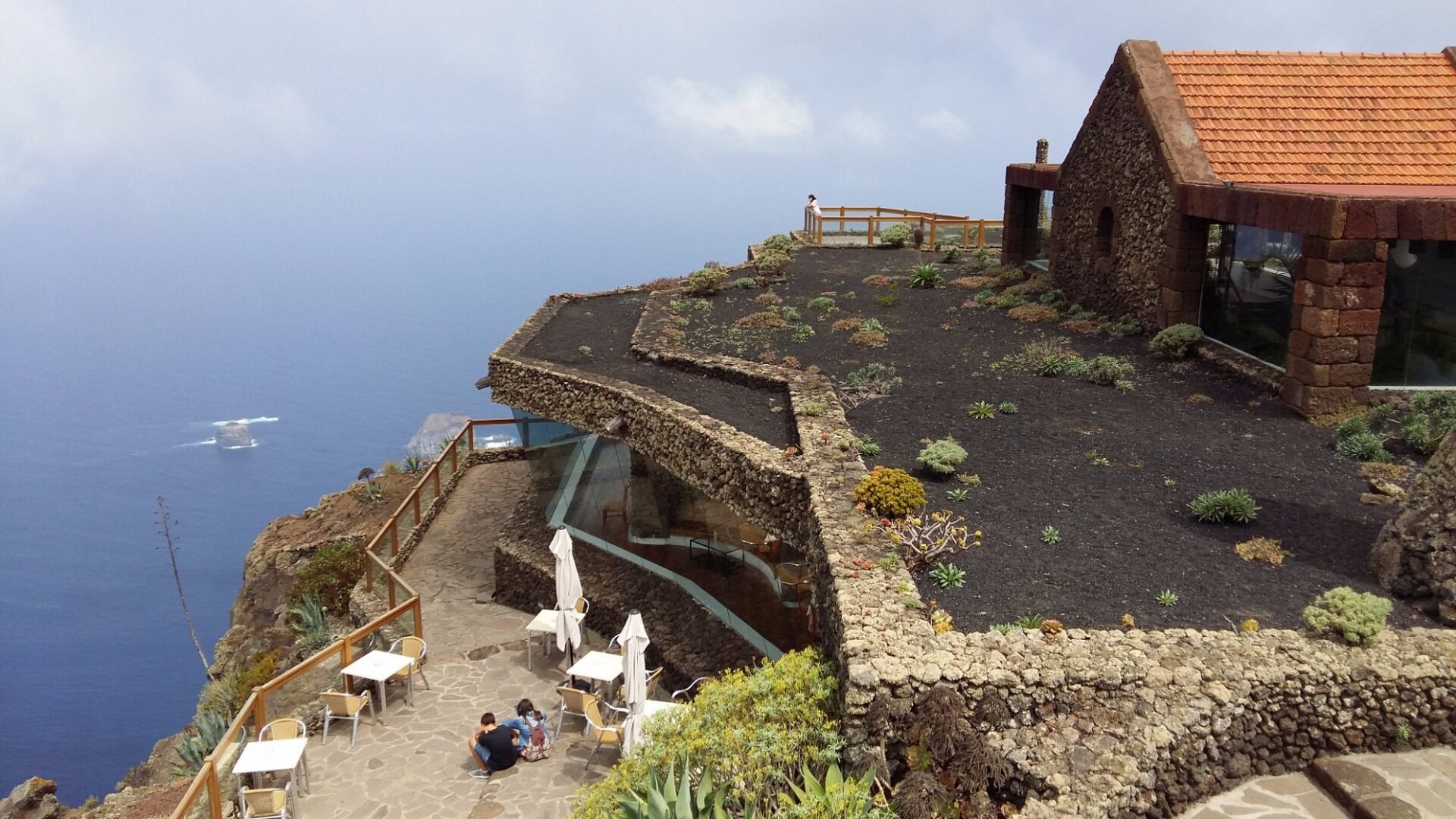
The Mirador de la Peña, designed by César Manrique, offers epic views across the valley. Try to catch it at golden hour when the rocks light up.
Climbing Malpaso, the highest point, gives you a 360-degree panorama if the sky’s clear. The trail takes you through everything from dry scrub to misty cloud forest.

Discover La Restinga and Authentic Villages
La Restinga is the beating heart of El Hierro’s fishing community. Despite its popularity with divers, it’s managed to keep its authentic vibe.
Mornings in the harbor buzz with fishermen prepping their boats and sorting the day’s catch. I love grabbing a coffee and watching the action unfold.
The volcanic coast here creates wild underwater landscapes, perfect for diving and snorkeling.
Up in the highlands, traditional villages cling to the hills. People still tend terraced gardens and practice crafts passed down through generations.
Local markets run on their own schedule. Vendors show up when they’re ready and pack up when they’ve sold out. It’s refreshingly real—no touristy rush.
Exploring the Underwater World: Diving and Marine Life
El Hierro’s underwater world is something else. The water’s always between 18°C and 25°C, and you can see up to 50 meters on a good day. Volcanic arches, caves, and steep walls create a dramatic playground for marine life and divers alike. You really have to see it to believe it.
La Restinga Marine Reserve and Coral Reefs
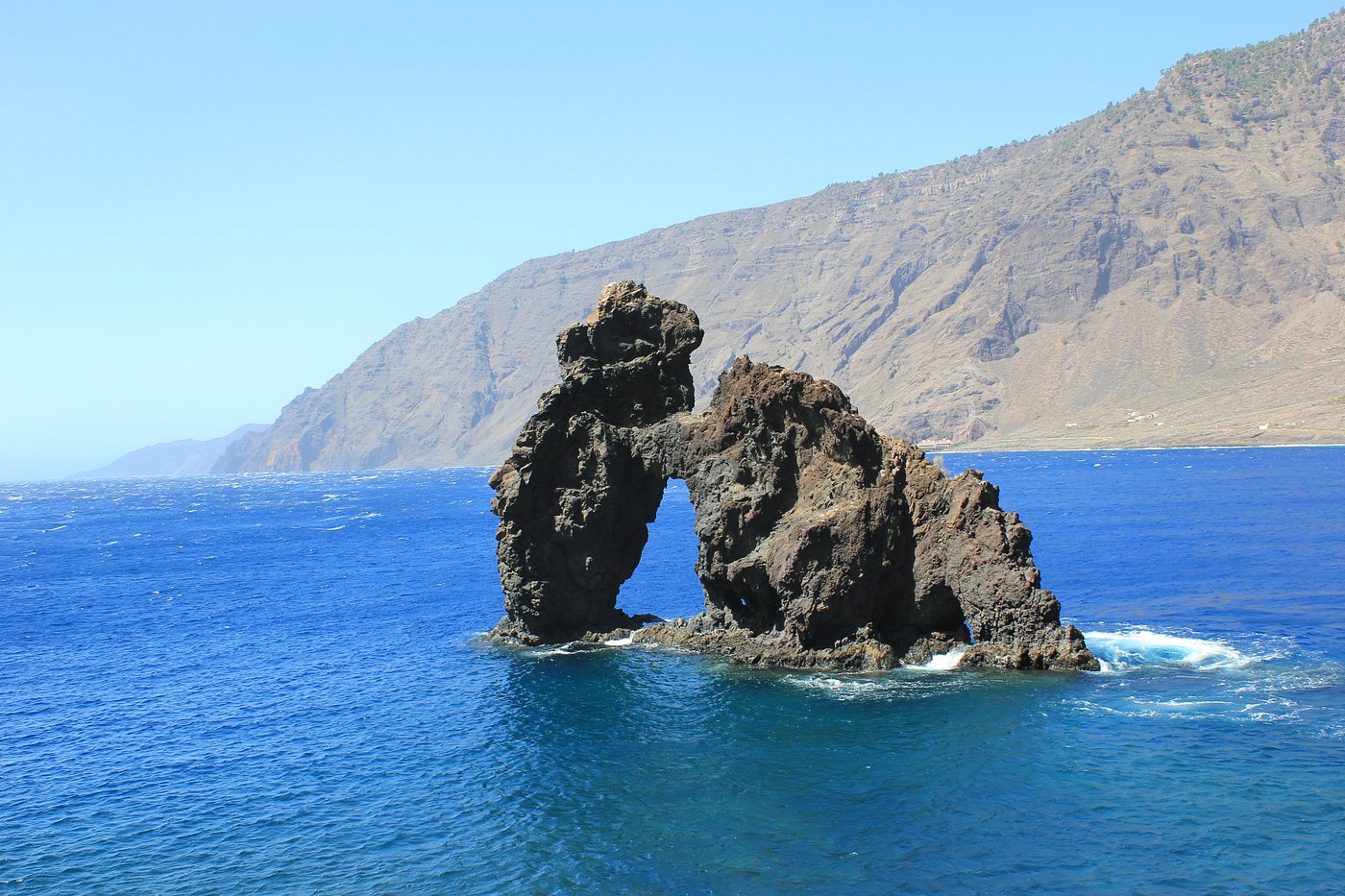
The Mar de las Calmas Marine Reserve protects the southern waters around La Restinga. Volcanic formations beneath the surface create a haven for sea creatures.
Coral gardens flourish in the clear Atlantic water. The volcanic arches and caverns are packed with colorful fish—sometimes it feels like you’re swimming through an aquarium built by nature.
What makes the marine reserve special:
- Calm, protected waters
- Wild volcanic underwater terrain
- Crystal-clear visibility, sometimes up to 50 meters
- Year-round diving, no matter the season
Lava drop-offs and underwater caves shelter schools of barracuda, groupers, and all sorts of reef fish.
The marine reserve status keeps the ecosystem healthy. Divers follow sustainable practices, and the coral and fish populations thrive as a result.
Diving Experiences and Marine Biodiversity
El Bajón really takes the crown as the island’s top diving site. Picture a submerged mountain with steep walls, teeming with marine life that draws in divers from all over Europe.
You’ll find yourself swimming alongside some pretty big creatures here. Manta rays, dolphins, and sea turtles often glide past, especially near the seamount’s dramatic drop-offs.
I’ve seen incredible biodiversity at different depths. The volcanic landscape shapes these little underwater worlds, and each one seems to attract its own set of species.
Common Marine Species:
- Large Fish: Groupers, barracuda, amberjacks
- Rays: Stingrays, occasional manta rays
- Reptiles: Loggerhead sea turtles
- Small Fish: Damselfish, wrasses, parrotfish
Diving conditions stay solid year-round. Thanks to the Atlantic location, the water’s usually a pleasant temperature and currents rarely get in the way.
Local dive centers run courses for every level. PADI certification is available, so even beginners can jump in safely and pick up a few conservation tips along the way.

Coastal Adventures and Natural Pools
If diving isn’t your thing, El Hierro’s coast has some wild swimming spots in natural lava pools. Charco Azul and La Maceta are favorites, carved right out of volcanic rock.
During high tide, these pools fill with crystal-clear seawater. It’s a gentler, more relaxed way to enjoy the island’s marine life, no scuba gear required.
Charco Azul feels like a secret grotto, with water so blue you’ll wonder if you’re dreaming. The vibe is pretty magical.
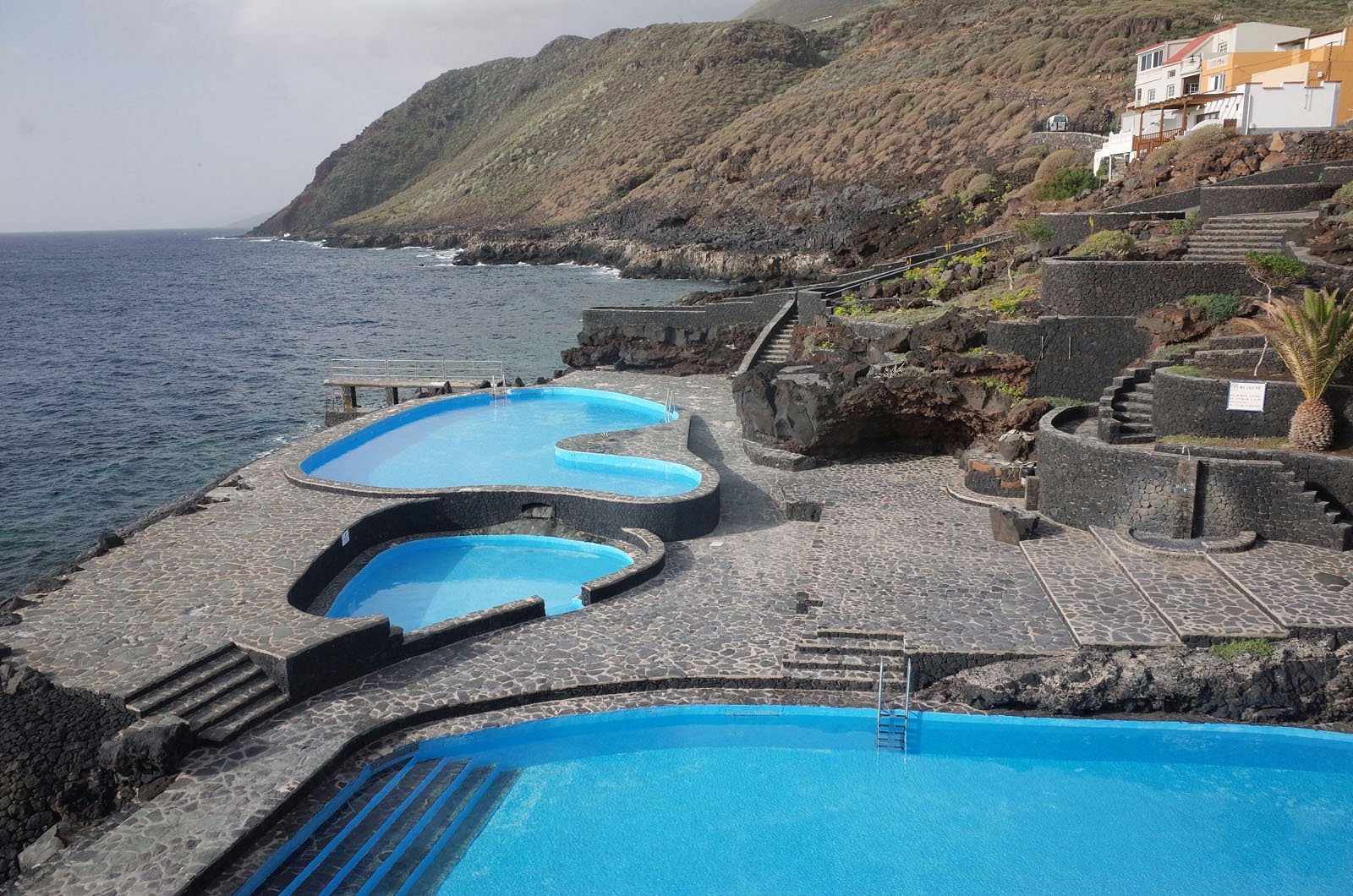
La Maceta offers several pools linked by walkways. Families love it here since the pools are big, safe, and have easy access.
Natural Pool Features:
- Free access and parking
- Carved from volcanic lava
- Protected from ocean waves
- Suitable for all swimming abilities
Snorkeling around these pools shows off smaller fish and colorful marine life. I’d suggest bringing reef shoes—the rocks get slippery, and you’ll want to explore a bit.
The pools stay swimmable all year. When the Atlantic gets too rough for diving, these sheltered spots are a perfect backup.
Culture, Traditions, and Local Gastronomy
El Hierro’s culture feels rooted in ancient traditions, always tied to nature and the sea. The island celebrates its most sacred festival every four years, and legends swirl around mystical trees. Even the food here tells a story—volcanic soil and the ocean combine in every dish, especially those bold local sauces.
Bajada de la Virgen de los Reyes and Festivals
The Bajada de la Virgen de los Reyes is hands-down El Hierro’s biggest event. Islanders have kept up this tradition every four years since 1741.
It all started during a brutal drought, when locals carried their patron saint’s statue from La Dehesa to Valverde. I’m always amazed by this 27-kilometer procession—whole families join in, dressed in white, walking together for hours.
The festival flips the island’s usual calm on its head. Suddenly, the streets fill with dancers and folk music drifts through every village.
Los Carneros de Tigaday is another quirky tradition during carnival. People dress up in sheepskins and roam La Frontera, playfully scaring others and smearing shoe polish on faces.
When summer rolls around, towns like:
- El Pinar throw lively evening dances and events
- Valverde hosts music performances
- La Restinga celebrates by the coast with plenty of seafood

Heritage Sites and the Garoé Tree
The Garoé Tree is probably El Hierro’s most mysterious spot. Locals have called this laurel their “holy tree” for centuries, since it gathers water from mist and clouds.
I find it fascinating that the original Bimbache people survived thanks to this tree. The laurel forests here are so dense that fog just clings to the leaves and drips down, creating fresh water.
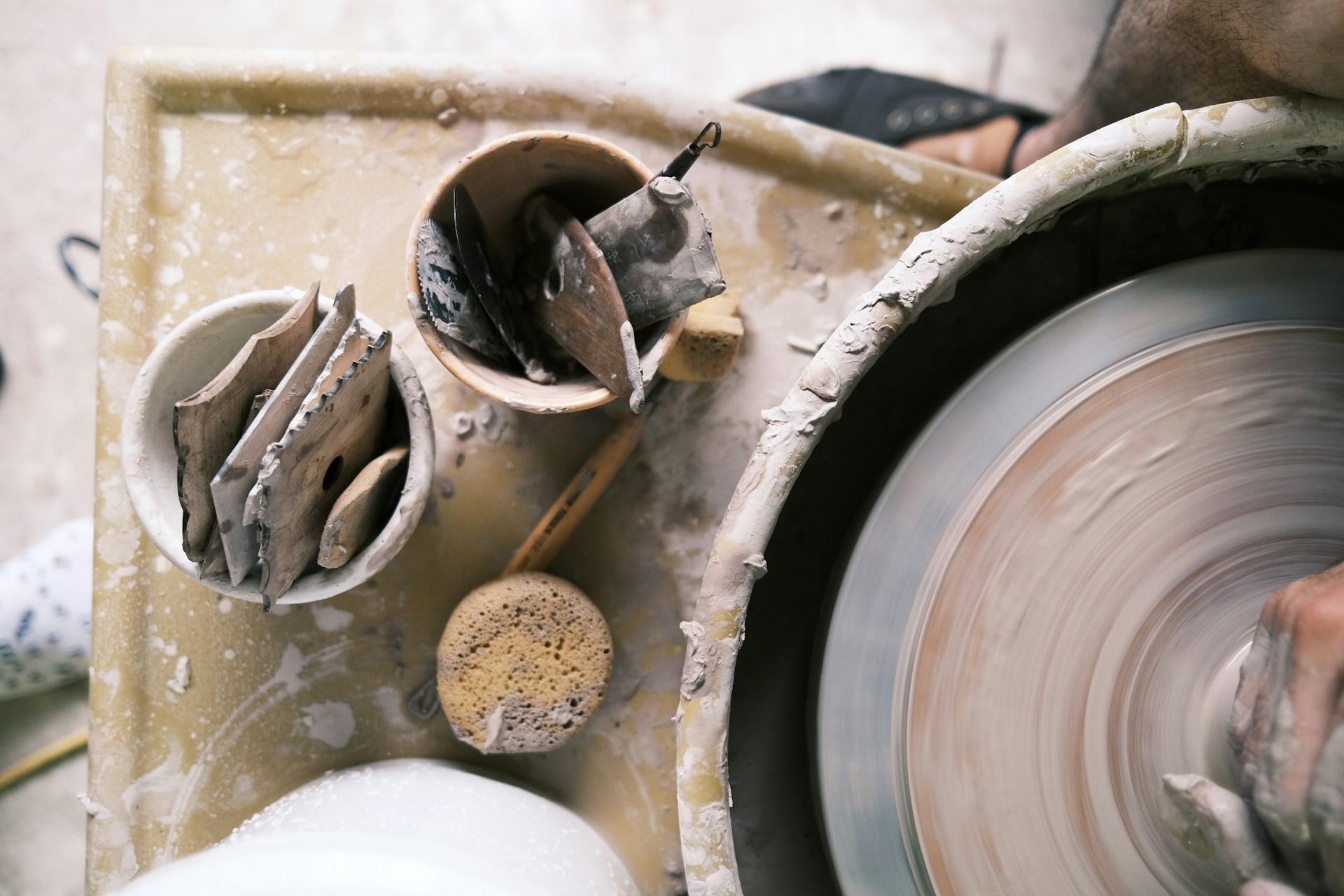
In El Pinar and Sabinosa, artisans still keep old crafts alive. They shape wood, clay, and willow the same way their grandparents did.
Traditional crafts include:
- Pottery using volcanic clay
- Basketwork from native plants
- Wood carving for household items
- Textile weaving with natural fibers
The island keeps Canarian wrestling alive too. Wrestlers try to topple each other in matches that feel both ancient and exciting.
Salto del pastor is another tradition—shepherds use long poles to leap over rough ground. It’s part sport, part survival skill.
Canarian Cuisine: Mojo Sauce and Local Specialties
Mojo sauce is basically the soul of Canarian food, and you’ll find it on every table in El Hierro. I never skip ordering both types—red mojo with peppers and the green one loaded with cilantro and garlic.
The volcanic earth here grows some amazing produce. Local chefs prefer to keep things simple, letting the real flavors shine through.
Essential El Hierro dishes:
- Fresh fish, caught daily from the Atlantic
- Artisan cheeses made from local goat and sheep milk
- Papas arrugadas—wrinkled potatoes with sea salt
- Grilled meats with island herbs
Fish is a big deal. You’ll see grouper, sea bream, and tuna on menus, often served just hours after being caught.
Isolation shaped El Hierro’s food scene. The cuisine mixes Spanish roots with indigenous touches, and restaurants focus on honest, authentic recipes using homegrown herbs and veggies.
If you get the chance, try the local cheeses. Each one tastes a little different depending on where the goats and sheep graze—El Hierro’s landscapes really make their mark.
Planning Your Visit: Getting to and Around El Hierro
Getting to El Hierro takes a bit of patience—you’ll need connecting flights through the bigger islands first. But honestly, that slow journey just sets the mood for the rest of your stay. The island’s simple transport and limited places to stay actually help you feel closer to nature.
How to Get to El Hierro
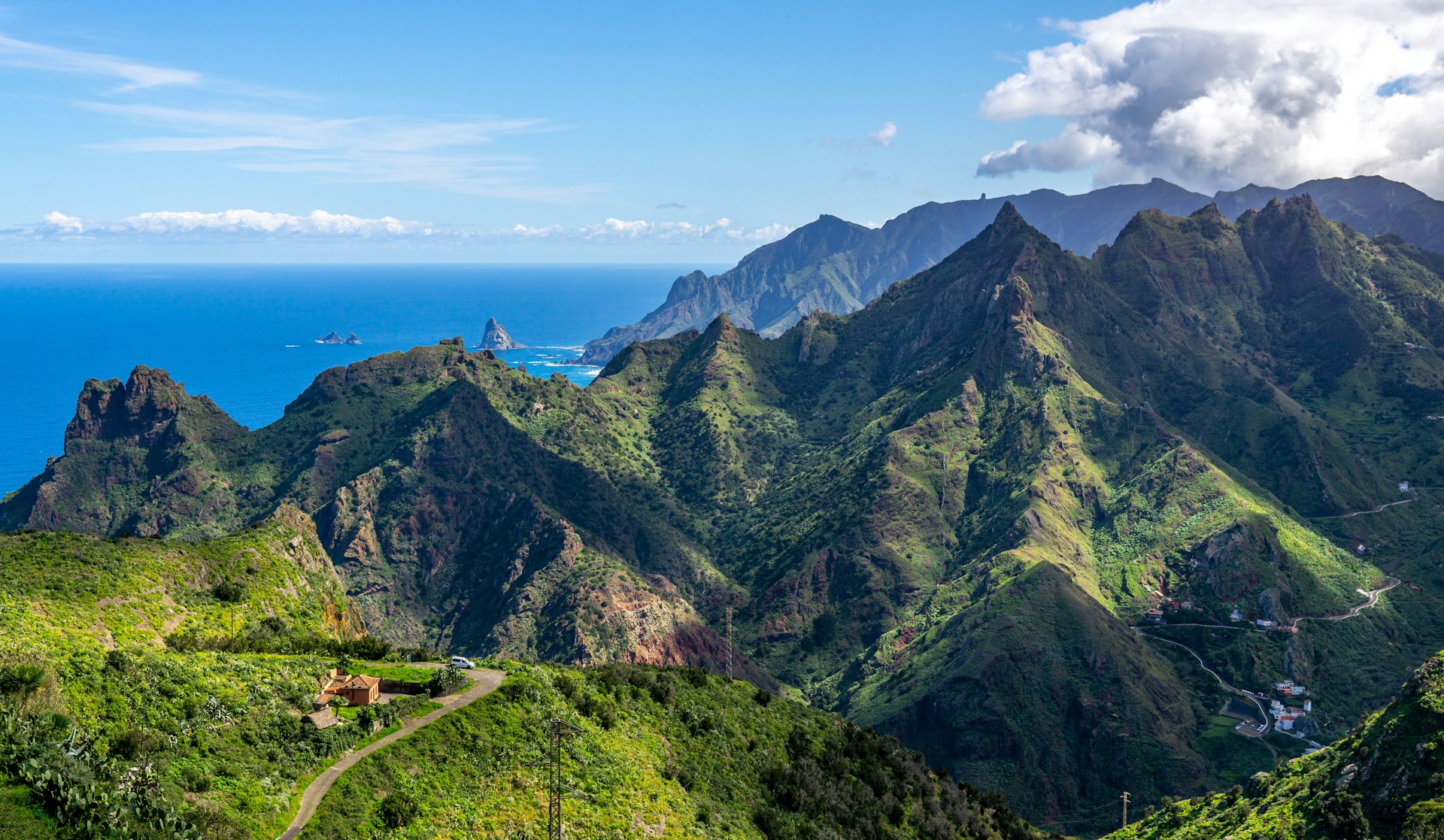
You can’t fly straight to El Hierro from abroad. You’ll have to land in Tenerife or Gran Canaria first.
From Tenerife, I always recommend the quick 55-minute hop with Binter or Canaryfly. They run daily flights to El Hierro’s tiny airport.
Gran Canaria offers flights too, about the same length. Just watch out—there are fewer flights in winter.
Ferry Option from Tenerife:
- Leaves from Los Cristianos port
- Takes around 2.5 hours
- Not as frequent as the flights
- Handy if you want to bring a rental car
Definitely book your tickets ahead, especially in summer. The planes are small and seats disappear fast.
Transportation and Accommodation Tips
Getting Around:
You’ll want to rent a car here. Public transport is pretty limited, and the best spots are often up winding mountain roads.
Book your car before you arrive. There aren’t many rental agencies and they run out, especially in high season.
Where to Stay:
With only about 10,000 residents, El Hierro doesn’t have a big tourist scene. That means no crowds, but also fewer hotel choices.
Here’s what I suggest:
- Rural houses (casas rurales) for a more local feel
- Small hotels in Valverde, the main town
- Coastal apartments near the dive sites
Book your place early. The island keeps visitor numbers low to protect its UNESCO Biosphere Reserve, so rooms go quickly.

Travel Essentials for Nature Lovers
Honestly, don’t forget to pack hiking boots with solid grip. El Hierro’s volcanic paths and tangled forest trails will absolutely chew up flimsy shoes.
You’ll want to toss in a few layers. The weather shifts a lot as you move from sea level up to 1,500 meters—one minute it’s sunny, the next you’re reaching for a jacket.
Nature-Specific Gear:
- Snorkeling gear comes in handy for those wild natural pools.
- Binoculars make spotting rare birds and lizards way more fun.
- Reef-safe sunscreen is a must if you care about the marine life (and you should).
- A reusable water bottle works perfectly since the tap water’s totally fine.
I’d suggest downloading offline maps before you land. Some parts of the island feel a bit off the grid, and your phone signal might bail on you.
El Hierro only has two main towns: Valverde (the capital) and La Restinga (famous for diving). It’s smart to stock up on snacks or gear here before you wander off into the wilder corners.
