
After years of wandering Britain’s countryside in every season, I’ve come to love how spring offers the most magical transformation. Wildflowers burst into life, baby animals stumble into the world, and those longer daylight hours? They just beg you to get outdoors.
Between March and May, the countryside wakes up from winter’s sleepy hush. Suddenly, fields glow with golden daffodils, and bluebells spill across ancient woods like spilled paint.
Baby lambs bounce around in green pastures, and birds fill the air with music again. The weather turns just right—no more icy winds stinging your face, but not so hot you feel like melting on a hike.
Honestly, this season feels like nature’s grand opening. Every week brings something new—one day it’s wild garlic, the next, a new chorus of birds. If you time your countryside visit for spring, you’ll see why it makes all the difference.
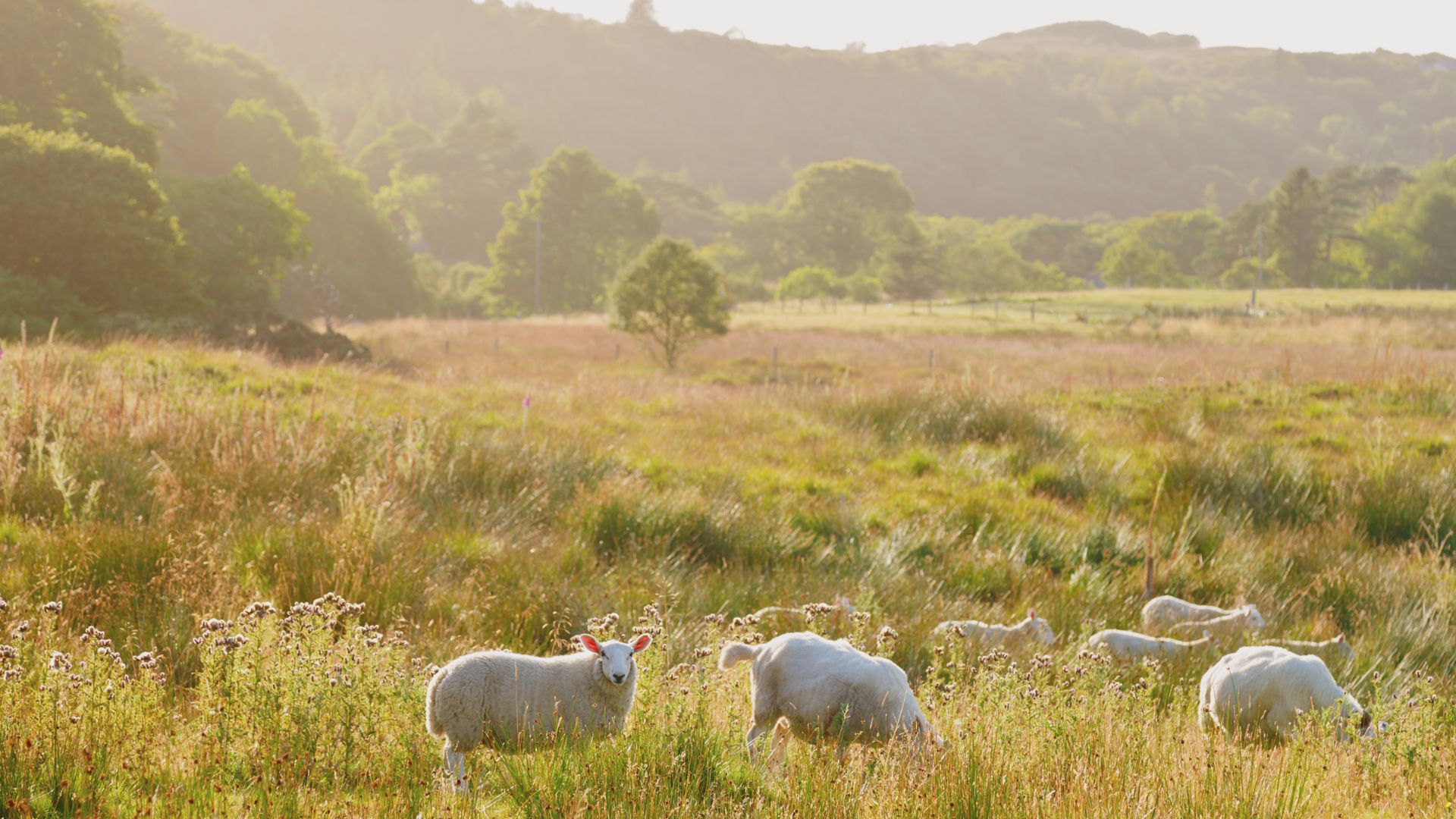
Why Spring Transforms the UK’s Countryside
Spring shakes off winter’s grip and fills the countryside with energy. Wildlife wakes up, and plants leap into their growing season.
Lengthening Days and Warmer Weather
The clocks spring forward in late March, and suddenly, evenings stretch out. I love having extra daylight to roam after work.
April and May keep adding minutes to each day. The sun lingers, and I find myself wandering country lanes until late.
Temperatures climb, too. Early spring hovers around 50-55°F, but by late May, you might catch a day hitting 77°F.
This is the sweet spot—hiking feels easy, and I can finally ditch the heavy coats. No more slipping on icy paths.
Gardens fling open their gates, and walking trails become friendly again. It all feels like the whole countryside is inviting you in.
Reawakening of Nature After Hibernation
April and May bring out the animals. Hedgehogs start sniffing around gardens, and bats flutter above quiet lanes at dusk.
Birds get busy again, filling the air with songs I almost forgot over winter. Their music echoes across meadows and through woods.
Wildflowers pop up in waves. Daffodils lead the charge, then primroses, and finally, bluebells take over the woods.
Trees shake off their bare look as buds explode into green. Suddenly, the whole landscape turns from gray to every shade of fresh green.
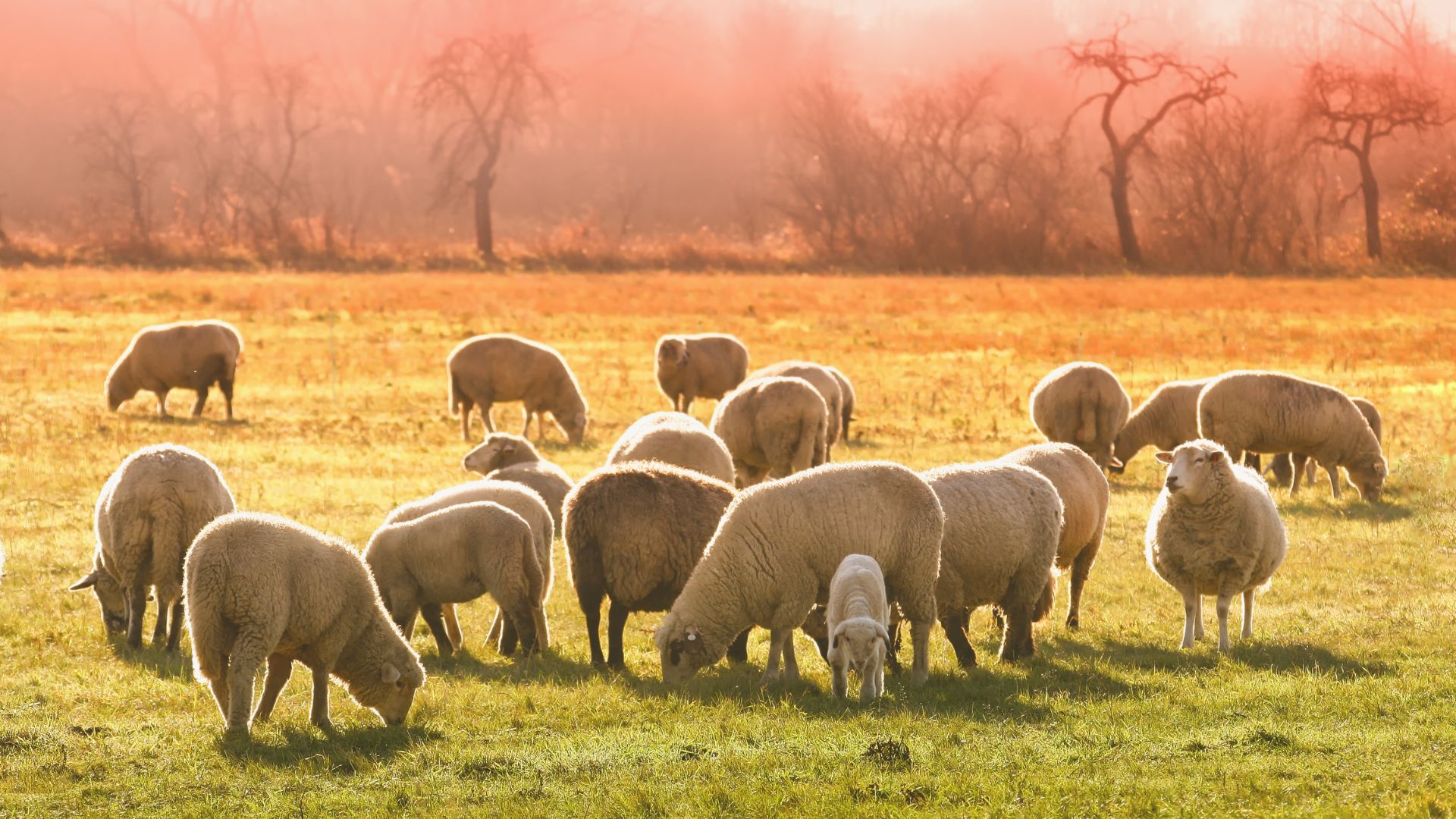
Farm animals return to the fields. Lambs bounce around, and cattle graze where there was nothing but mud a month ago.
Spectacular Spring Flowers: Daffodils, Bluebells & More
Spring paints the UK countryside in wild color. Golden daffodils blanket meadows, and ancient woods fill up with purple-blue bluebell carpets.
Wild garlic joins the show, tossing in its white blooms and that unmistakable scent. April and May are the months when it all peaks.
The Magic of Bluebell Woods
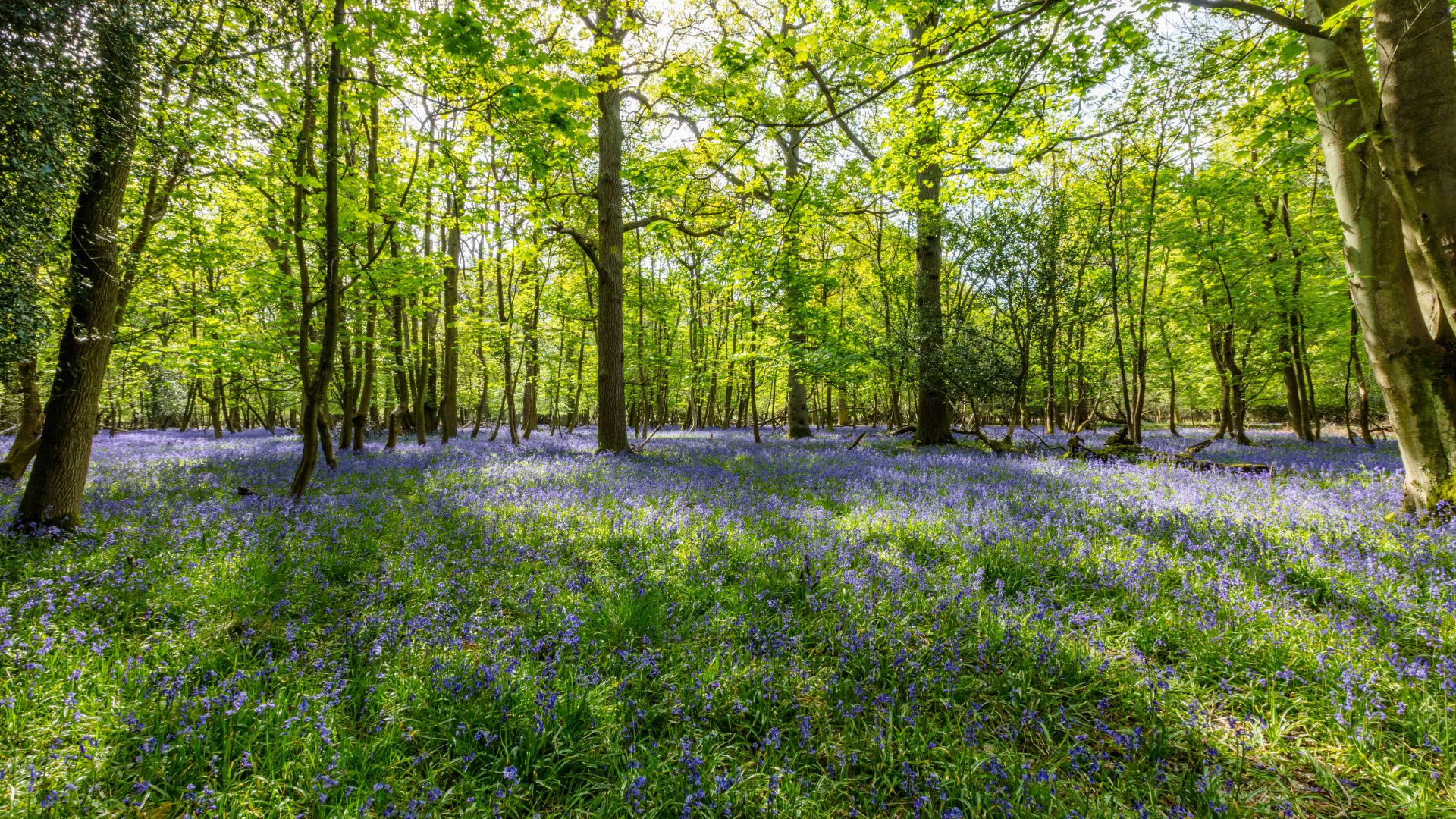
Honestly, nothing beats wandering through a bluebell wood in late April. The purple-blue flowers stretch out in every direction.
Ancient woodlands across the UK put on this show. The best time to catch it is mid-April to early May.
Best spots for bluebells:
- Ashridge Estate, Hertfordshire
- Lanhydrock, Cornwall
- Winkworth Arboretum, Surrey
- Middleton Woods, Yorkshire
On warm days, the sweet scent hangs in the air. I notice bluebells love dappled sunlight under oak and beech trees.
The English bluebells have curved stems and hang to one side. They’re more fragrant than the Spanish ones, which is a nice bonus.
Blankets of Daffodils in Meadows
Daffodils mean spring has truly arrived. I spot them from February to April, lighting up fields and parks.
They naturalize easily, so they keep coming back year after year, often spreading into huge golden colonies.
Peak daffodil times:
- February-March: Early bloomers
- March-April: Main daffodil season
- April: Late varieties wrap things up
For jaw-dropping displays, I head to the Lake District or the Welsh valleys. Wordsworth’s daffodils at Ullswater still put on a show every spring.
Daffodils aren’t just yellow. Some have white petals and orange centers, others are doubles or tiny miniatures. There’s a whole world of them out there.
Wild Garlic and Other Colorful Blooms
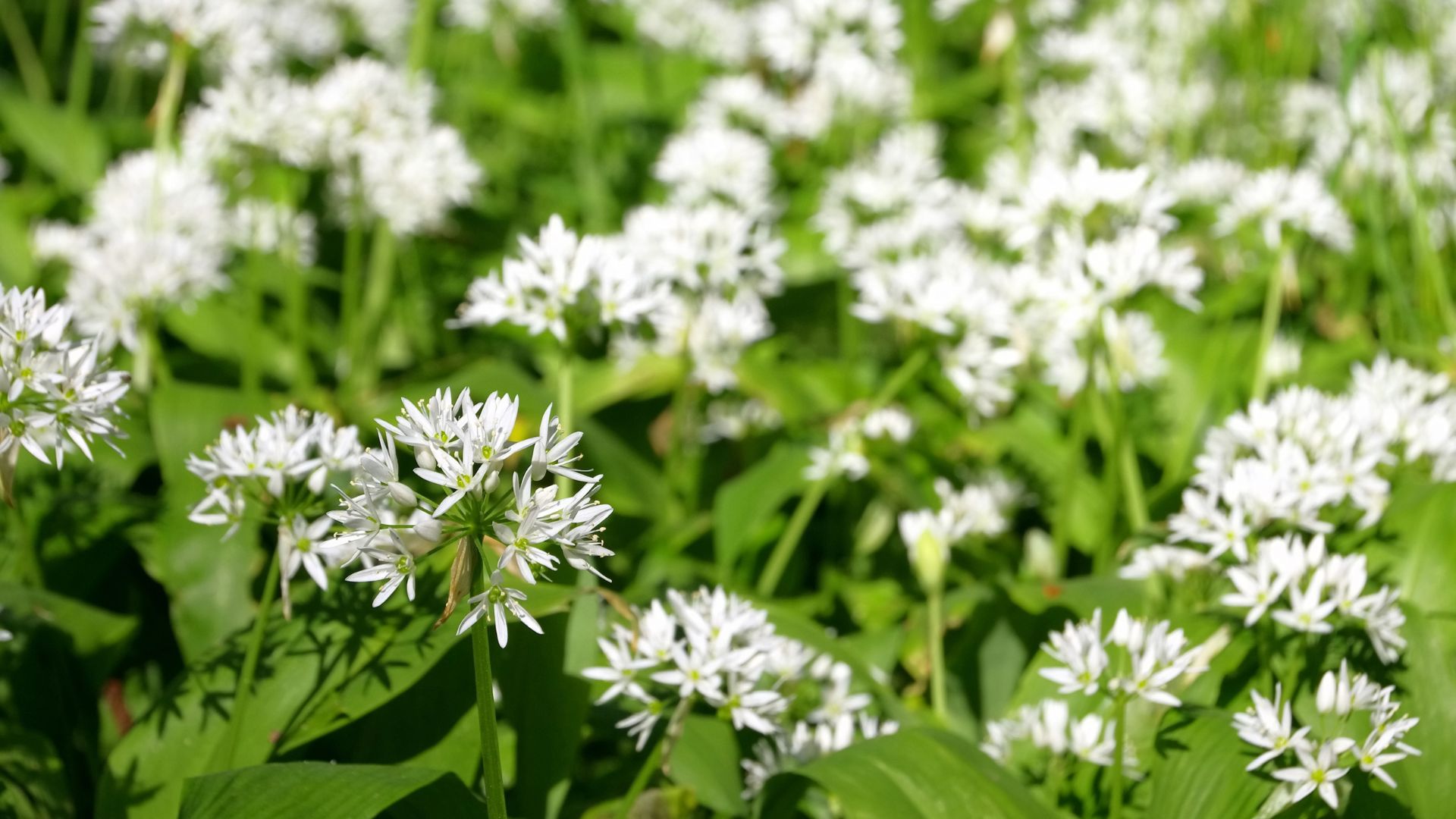
Wild garlic turns woodland floors into white carpets in April and May. Step on it, and you’ll get that punchy onion scent.
Sometimes it grows right alongside bluebells, giving you a blue and white patchwork in the shadier woods.
Other spring flowers worth spotting:
- Wood anemones—delicate white stars
- Yellow celandines in damp corners
- Purple violets along the edges of woods
- Pink campion brightening up hedgerows
Wild garlic spreads fast underground. The leaves taste mild and garlicky—I sometimes pick a few for cooking.
Primroses show up early, sometimes as soon as late February, dotting banks and clearings with pale yellow.
Seasonal Wildlife Wonders in the Countryside
Spring brings the countryside to life. Animals shake off hibernation, and the whole place buzzes with new energy. Newborn lambs take their first wobbly steps, and birdsong returns at dawn—it’s a sensory overload in the best way.
Baby Lambs and the Lambing Season
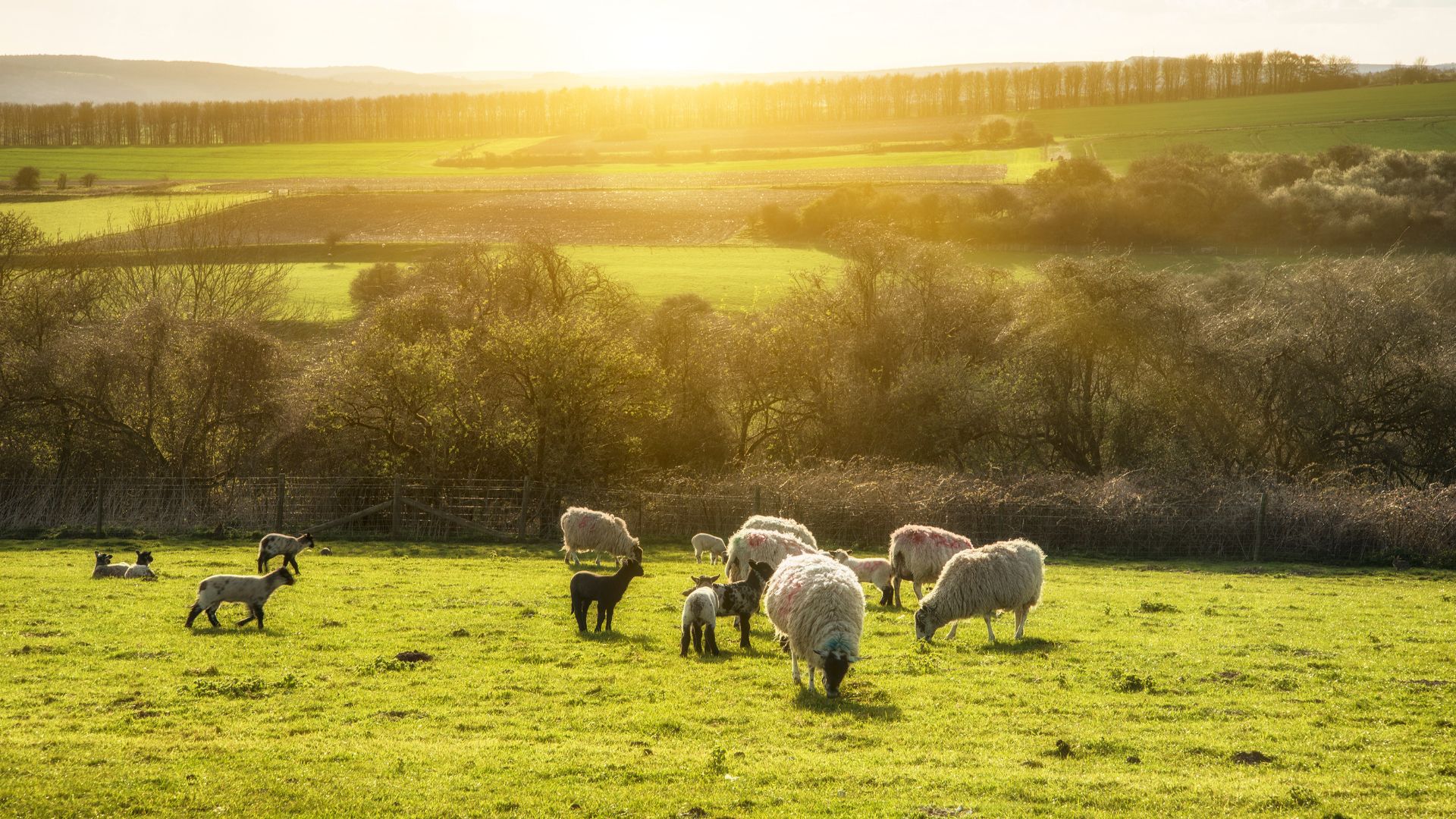
Lambing runs from February to May. I always look forward to this time—there’s something special about seeing lambs bounce around in the fields.
Most sheep give birth during these months. The weather’s milder, so it’s easier on the newborns. Lambs arrive with thick woolly coats, ready for whatever spring throws at them.
A few lambing facts:
- Ewes usually have 1-3 lambs each
- Lambs stand up within minutes of being born
- They stick close to their mums for weeks
I often spot lambs playing together near footpaths. Their energy is infectious—it’s impossible not to smile.
Farmers start them off in sheltered spots, but after a few weeks, they’re out in the open fields. Watching lambs follow their mothers is one of those classic countryside sights.
Emergence of Spring Birds and Birdsong
Birds return as soon as it warms up. The dawn chorus kicks off in March and just gets louder as spring goes on.
Birds I hear most in spring:
- Robins—they sing all day, honestly
- Blackbirds—those evening melodies
- Wrens—tiny birds, huge voices
- Song thrushes—they love repeating their tunes
Birdsong serves a purpose—they’re attracting mates and staking out territory. The best time to listen is early morning, between 5 and 7 AM.
Different birds take turns. Robins start before sunrise, wrens join in later. It’s worth setting an alarm for.
Nesting ramps up big time. Birds dart around with twigs and moss, building secret homes. If you watch closely, you’ll spot them at work.
Butterflies, Hares, and Other Creatures
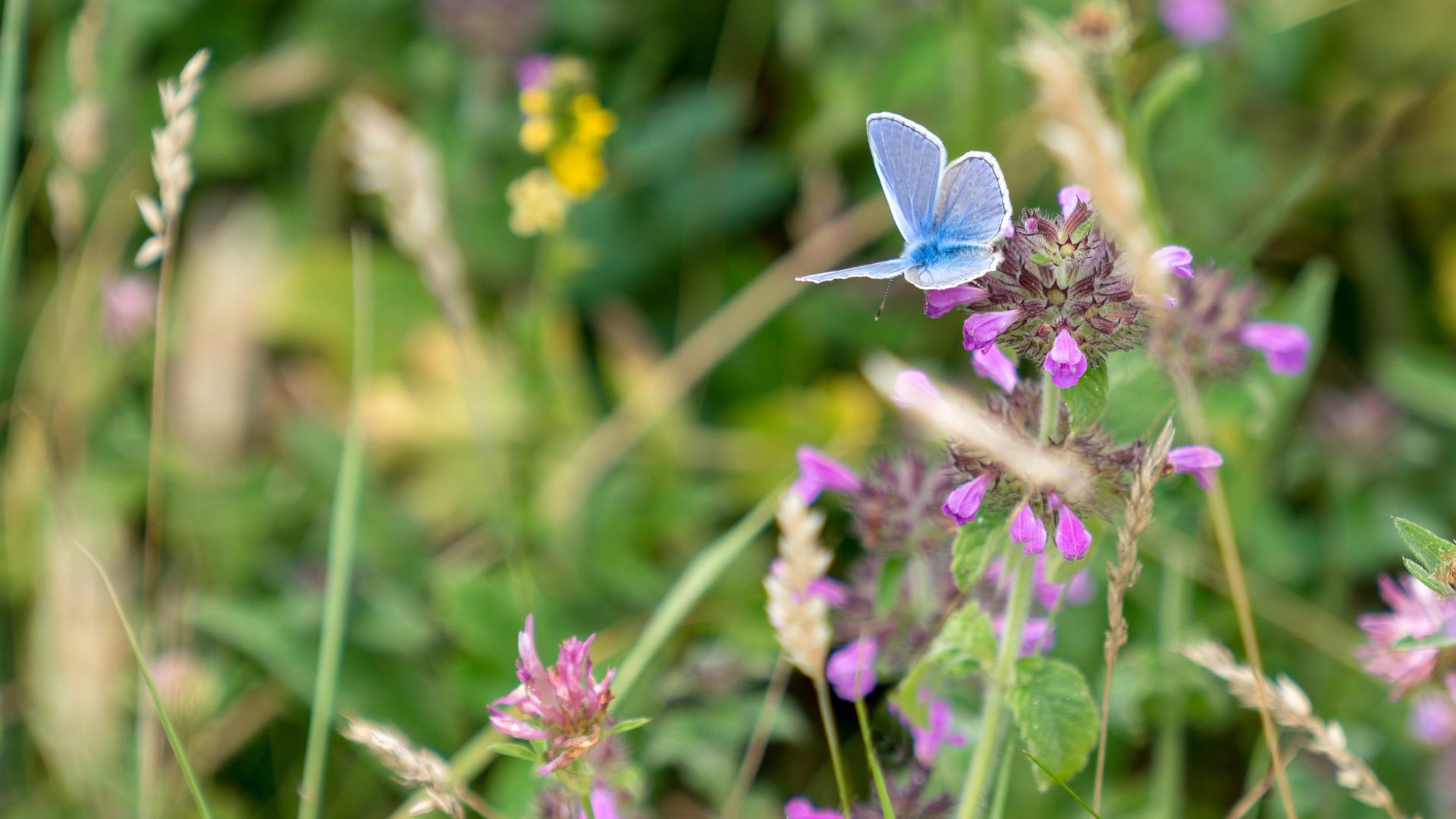
Spring wakes up all sorts of creatures. Butterflies flutter out of hiding, ready to find mates.
Butterflies I see most often:
- Brimstone (the males are bright yellow)
- Peacock (look for those “eye” spots)
- Small tortoiseshell (orange and black)
Brown hares start boxing in March and April. Females fend off the males, and it’s honestly hilarious to watch in open fields.
Hedgehogs wake up around March, searching for their first meals in months. Badgers get busier, too.
Bees buzz into action, pollinating everything in sight. Bumblebees show up first, then honeybees. Their sound is pure spring.
Frogs start spawning in ponds and ditches. If you spot jelly-like clumps in shallow water, that’s frogspawn—the start of a whole new generation.
Favorite Activities for Springtime Adventures
Spring turns the UK countryside into a living masterpiece—wildflowers everywhere, new leaves glowing, and wildlife on the move. From March to May, there’s no end to the adventures you can have: outdoor walks, snapping nature photos, woodland wanders, or taking the family to local celebrations.
Walking and Hiking Among Spring Flowers
Spring hiking is hands-down my favorite. The air feels fresh, trails aren’t too muddy, and wildflowers make every step a treat for the eyes.
Wildflower seasons by type:
- Daffodils: March to early April
- Primroses: March to May
- Bluebells: Late April to mid-May
- Wild garlic: April to June
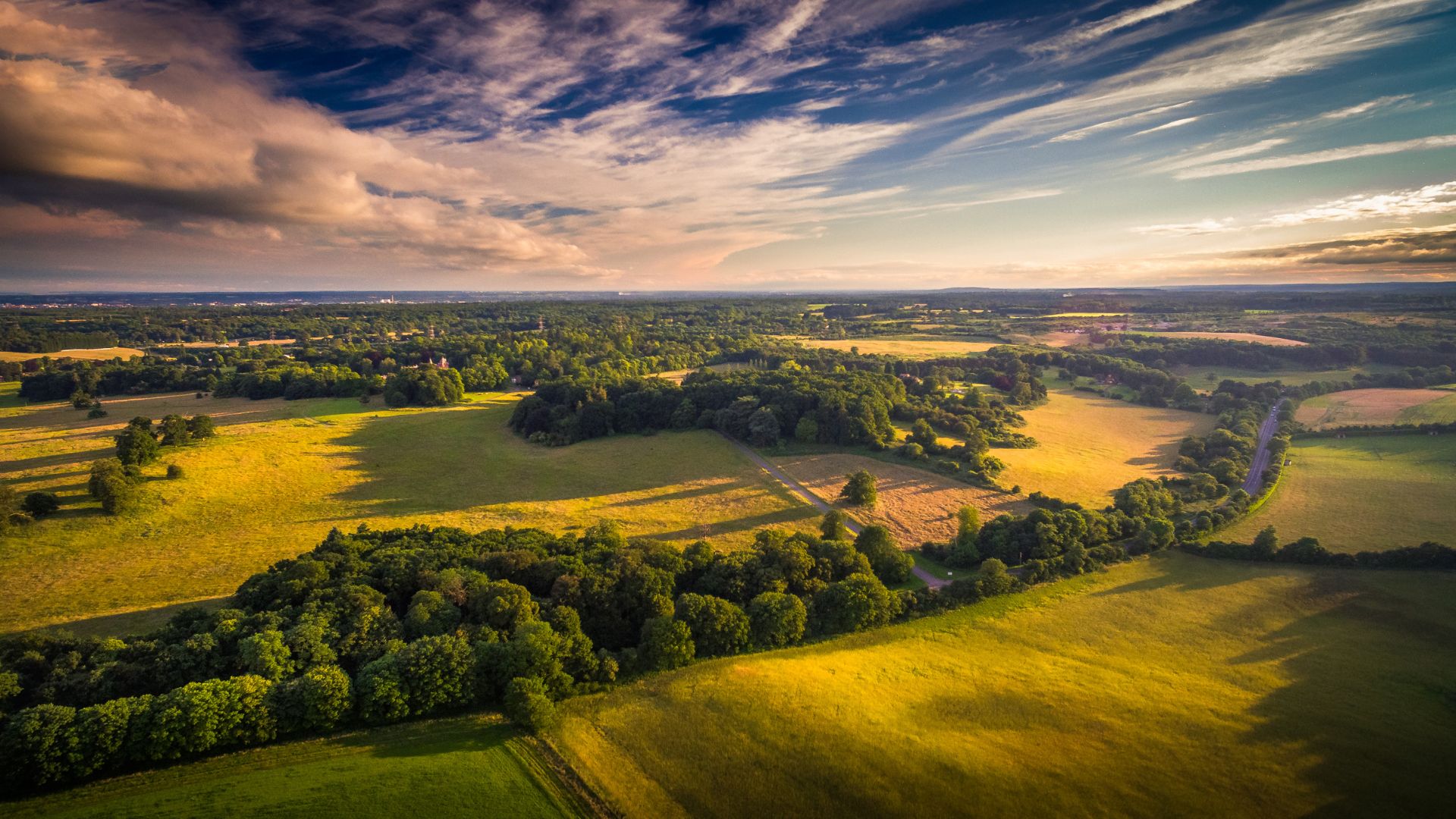
The South Downs Way is a winner—rolling hills, cowslips, and orchids. The Cotswold Way offers gentle strolls through villages surrounded by yellow fields of rape seed.
Up in Scotland, the West Highland Way opens up after winter. Gorse flowers burst into yellow, and the birds return in full voice.
Spring weather keeps you guessing, so I always bring layers and waterproofs. The ground can stay soft, so sturdy boots are a must.
Best Places for Woodland Strolls
Bluebell woods are pure magic in spring. For a few short weeks, ancient forests turn into an ocean of blue.
My top picks for bluebells:
| Location | County | Best Time |
|---|---|---|
| Ashridge Estate | Hertfordshire | Late April |
| Lanhydrock | Cornwall | Early May |
| Kew Gardens | London | Mid to late April |
| Winkworth Arboretum | Surrey | Late April |
I go early in the morning for the best light and fewer people. It’s worth the early alarm, trust me.
Wild garlic carpets many of these woods, and the scent is unforgettable. Fresh beech leaves make the sunlight dance.
Most woods have marked trails. I prefer circular walks that last about an hour or two—just enough to really soak it all in.
Photography Tips for Capturing Spring
Capturing spring’s beauty takes a bit of planning. Flowers and soft light make for amazing photos if you know a few tricks.
My go-to camera settings:
- Macro mode for close-ups
- Low ISO (100-400) for crisp shots
- Wide aperture (f/2.8–f/4) for that dreamy blur
- Fast shutter for moving lambs or birds
Mornings are best—dew on petals makes everything sparkle. I like to arrive before sunrise for that golden light.
For bluebells, I get down low. It makes the flowers look endless and dramatic against the trees.
Cloudy days are perfect for flower photos—no harsh shadows. Sun can be tricky and sometimes ruins the details.
I always pack spare batteries. Cold mornings drain them fast, and I take way more photos than I plan.
Family-Friendly Easter Events and Festivals
Spring is packed with family events and local festivals. Easter egg hunts pop up in gardens across the countryside, and it’s not just for kids—adults get to enjoy the flowers and scenery.
Farms open their doors for lambing season. You can see newborns up close, and some places let you try bottle feeding or petting the animals.
Fun family activities in spring:
- Easter egg decorating workshops
- Craft sessions with pressed flowers
- Woodland scavenger hunts
- Maypole dancing at village fairs
Country shows kick off in May, with local food, crafts, and old-school games. Kids love learning about farming, and I always end up with a basket of fresh produce.
Village spring fairs usually feature live music, Morris dancing, and early strawberries. It’s a great way to feel part of the season.
Spring’s Unique Sights and Sounds
Spring in the UK countryside is a full-on sensory experience. Blossom-laden trees transform hillsides, and bird calls fill the air from morning to night. It’s the kind of season that makes you want to linger outside just a little longer.
Blossoming Trees Across the Landscape
Spring in the UK always surprises me with just how quickly the countryside changes. One day, the trees seem bare, and suddenly, cherry trees explode with clouds of pink and white petals in April.
Apple and pear orchards don’t want to be left behind, so they follow soon after with their own delicate blooms. It’s a bit of a floral relay race, honestly.
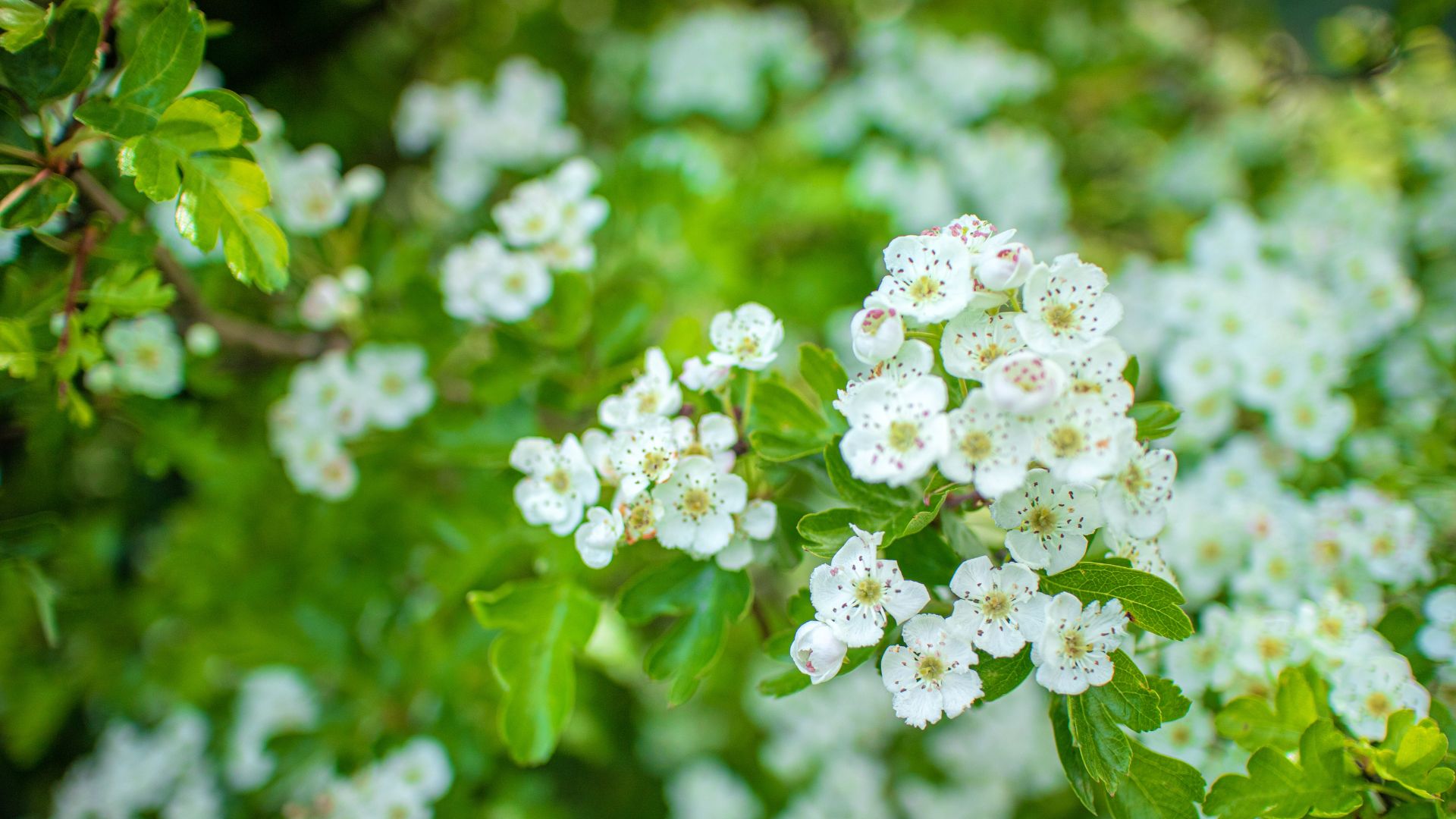
Hawthorn hedgerows line the fields, covered in white flowers by late April and early May. I can catch their sweet scent on the breeze, sometimes long before I spot the blossoms.
Common Spring Blossoms:
- Cherry trees – Pink and white flowers in April
- Apple orchards – White and pink blooms in late April
- Hawthorn hedges – White clusters in May
- Blackthorn – Small white flowers in March
Timing really depends on where you are. Southern counties usually get blooms about two weeks before the north, while higher ground lags behind the valleys.
Sounds of Spring: Dawn Chorus and Birdsong
If you’ve never heard the dawn chorus in April or May, you’re missing out. I wake up to a full orchestra of birdsong, each species trying to outdo the others in claiming territory and attracting a mate.
Robins kick things off before sunrise, their clear notes slicing through the early morning. Blackbirds join in with their rich, flute-like calls that seem to echo everywhere.
Song thrushes repeat their phrases three or four times, almost like they want to make sure you’re listening. Wrens, though tiny, belt out songs loud enough to surprise anyone. Skylarks climb high above the meadows, singing long, complicated tunes as they rise.
Peak Dawn Chorus Times:
- 4:30 AM in May
- 5:00 AM in April
- Best months: April through June
The chorus usually lasts about half an hour after sunrise. Birds take turns, so the soundscape shifts as the morning unfolds.
Frequently Asked Questions
Every spring, visitors ask about the best places to see flowers and where to spot newborn lambs. The season brings its own weather quirks, longer days, and a bunch of special cultural events that really shape the countryside experience.
What are the best locations to witness spring blooms like daffodils and bluebells in the UK?
I’d start at Kew Gardens in London if you want a world-class spring display. Between March and May, you’ll see everything from daffodils to cherry blossoms.
In York, daffodils line the medieval city walls and Clifford’s Tower. The contrast between ancient stonework and bright yellow flowers makes for some of my favorite photos.
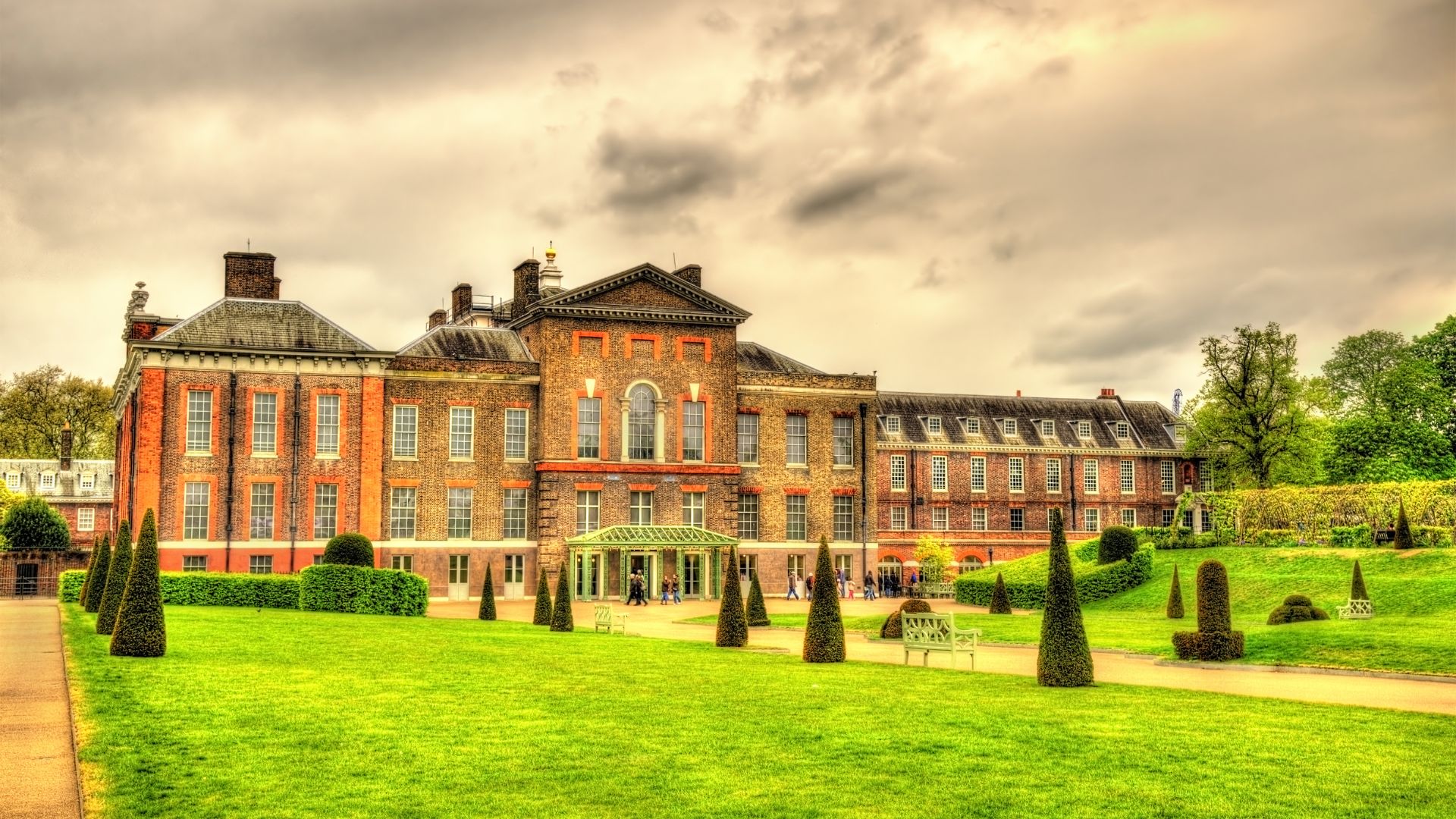
London’s parks—Hyde Park, St James’s Park, and Kensington Gardens—are also fantastic for spring flowers. Locals and visitors both flock there once things start blooming.
Villages and towns across England plant daffodils in public spaces, so you’ll stumble across beautiful patches almost everywhere in March and April.
Wild bluebells usually bloom in woodlands from late April into May. I always look for them in ancient forests and established woodland areas—they’re magical when the ground turns blue.
Why is spring considered the ideal time to observe newborn lambs in the UK countryside?
Lambing season here usually runs from February to April. Farmers choose this time because the weather improves and fresh grass starts growing.
March and April are your best bets for seeing lambs in fields. The lambs are old enough to play outside, and honestly, their energy is infectious.
Spring weather makes countryside walks a lot more pleasant. You can stay out longer without freezing, which is a definite bonus.
Farmers often move sheep closer to roads and footpaths during lambing. That way, it’s easier for everyone to spot the lambs from public areas.
Longer days and milder temperatures mean you’ve got plenty of chances to see lambs while you’re out exploring.
How does the arrival of spring alter the landscapes and outdoor activities available in the UK?
Spring flips the switch on the countryside. Brown, tired landscapes suddenly turn green. Trees get fresh leaves, wildflowers pop up everywhere, and the grass thickens.
Walking becomes a joy instead of a chore. Temperatures climb from around 7°C in March to a comfortable 13°C by May, so it’s easy to spend hours outside.
Attractions that close for winter open their doors again. Historic sites, gardens, and countryside spots extend their hours and bring back full programming.
Picnics in parks and outdoor dining at pubs return. Restaurant terraces and beer gardens fill up with people enjoying the sun.
Photography in spring? It’s a dream. Blue skies, blooming flowers, and lush greenery make every picture look good.
River activities like boat trips on the Thames or canal tours start up again as the weather warms. I always look forward to those first spring outings on the water.
What type of weather can visitors expect when exploring the UK countryside during spring?
Spring weather here is famously unpredictable. You might get sunshine, rain, and even a bit of hail all in one afternoon.
March averages around 7°C and gets about 34mm of rain. It’s the chilliest spring month, but you’ll have fewer crowds.
April warms up to about 9.5°C, with 33mm of rainfall. It can be windier and wetter, so don’t forget your raincoat.
May is the warmest spring month at 13°C on average. Rainfall bumps up to 40mm, so an umbrella or waterproof jacket is still smart.
I always pack layers and a good waterproof, no matter what the forecast says. A warm, hooded coat is more versatile than heavy winter gear since you can adjust what you wear underneath.
Evenings can still get pretty cold, so bring something cozy for late walks or evening plans.
Which cultural or traditional events are unique to the UK’s spring season for tourists to experience?
The Chelsea Flower Show takes over London for five days each May. Garden designers from all over the world compete, and visitors get to wander through jaw-dropping displays.
May Day on the first Monday of May brings traditional fairs all across England. Expect Morris dancing, Maypole ribbons, and the crowning of May Queens.
The London Marathon happens in late April. The race winds past iconic landmarks, and cheering from the sidelines costs nothing.
Oxford and Cambridge go head-to-head in the Boat Race every late March. Crowds gather along the Thames to watch this historic rivalry for free.
York’s chocolate festival in April is a sweet highlight. You’ll find chocolate-making workshops and city-wide trails celebrating local treats.
Some towns get creative with spring events. The Tetbury Woolsack Race in Gloucestershire, for example, has people carrying heavy wool sacks up steep hills. It’s quirky, fun, and totally worth seeing if you’re nearby.
How do the daylight hours in spring affect tourism and sightseeing opportunities in the UK?
Every spring, the UK jumps forward an hour at the end of March. Before this shift, you’ll usually get around 11 hours of daylight to play with—plenty for a day out, but you might still feel the time crunch.
Once April arrives and the clocks have changed, daylight stretches to about 13 hours. Suddenly, there’s no need to rush through those countryside rambles or city strolls. You can take your time, maybe even linger over a late lunch outdoors.
May is the real treat. With up to 15 hours of daylight, you can start early and keep exploring well into the evening. It’s almost hard to run out of time—unless you’re the type who wants to see absolutely everything.
I’ve noticed that with these longer days, outdoor attractions often stay open later. By April or May, most places that cut back hours in winter are back to their full schedules. It’s a relief, honestly, not having to check closing times every five minutes.
If you’re into photography, spring is a dream. The light sticks around, and you don’t have to race the sunset just to grab that perfect shot. I’ve found golden hour lasts longer, and you can get creative with your timing.
Sunset usually lands somewhere between 6 PM and 7 PM in spring—definitely later than in winter, but not quite the endless evenings of summer. It’s a good idea to plan your indoor activities or dinner for after the sun dips. That way, you really make the most of every ray.
