
Every spring, something magical happens across the United States. Wildflowers explode into color, turning deserts, mountains, and valleys into vibrant, living tapestries.
I always get excited when I see the first hints of green and gold after winter. There’s just something about wildflowers that feels like hope.
The best wildflower viewing spots stretch from California’s golden poppy fields to the meadows of Washington and the rolling hills of Texas. Each place has its own personality, with different flowers blooming at different times.
Some places are all about desert poppies and cacti, while others are high-altitude meadows bursting with mountain flowers.
If you want to catch the best displays, you’ll need to know when and where to go. Timing is everything.
Here are my ten favorite wildflower adventures for spring 2026. I’ll share my go-to parks, tips for catching peak bloom, and a few things I wish someone had told me before I started chasing wildflowers.
1) Antelope Valley California Poppy Reserve, California
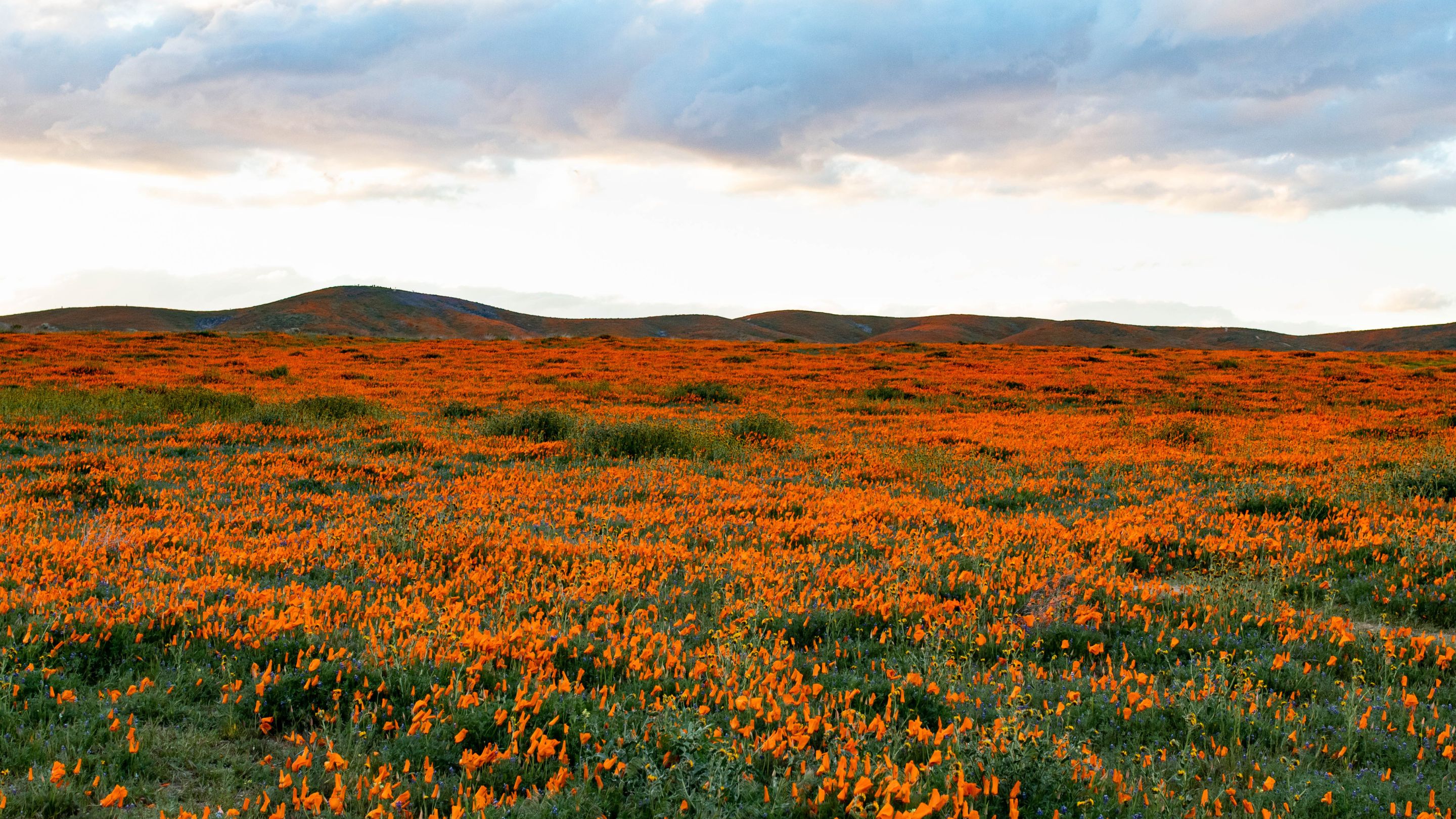
Antelope Valley California Poppy Reserve sits about 15 miles west of Lancaster in northern LA County. This 1,800-acre state reserve protects the most reliable poppy fields in the state.
Every spring, the hillsides here turn neon orange as California poppies take over the Mojave Desert grasslands. The wildflower season usually runs from mid-February through May, but honestly, it changes every year.
A good rain year means a better show, so I always check the Wildflower Hotline (661-724-1180) or the reserve’s Facebook page for updates before I go. Trust me, nothing’s worse than showing up to a field of dry grass.
It’s not just poppies, either. You’ll spot owl’s clover and other native blooms mixed in, making the whole place feel like a painter’s palette.
There are miles of walking trails, so you can wander right among the flowers (just don’t step on them!). Bring water, sunscreen, and your camera.
I find mornings are the best for photos and cooler air. Plus, the crowds are thinner.
2) Big Bend National Park, Texas
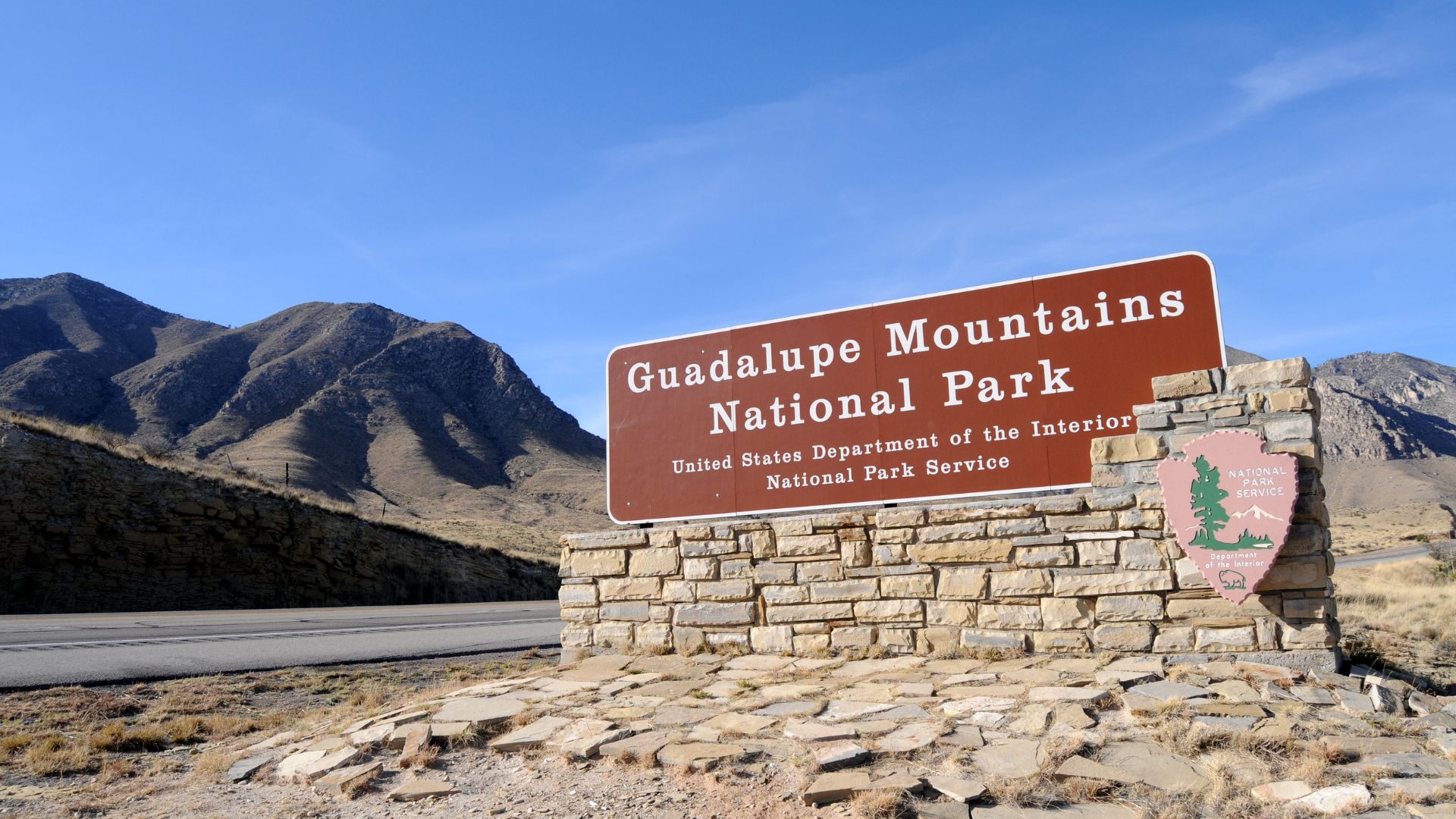
Big Bend National Park in spring is something else. From March to April, the desert bursts into color, and it’s honestly surreal.
Big Bend bluebonnets—tall and striking—cover the park. You can’t miss the bright yellow desert marigolds or the purple guayacan shrubs lining the washes.
I love hiking here when the wildflowers are out. The variety depends on how much rain fell the previous fall and winter, so every year feels a bit like a gamble.
Sometimes, cacti flowers bloom right next to the wildflowers, which is a combo you won’t see in most places. The rugged landscape makes the colors pop even more.
Aim for late March or early April for peak bloom. Temperatures are just right for hiking and snapping photos.
3) Shenandoah National Park, Virginia
Shenandoah National Park is a wildflower wonderland with over 850 species. The show starts in late March, when hepatica and bloodroot push through the leaf litter.
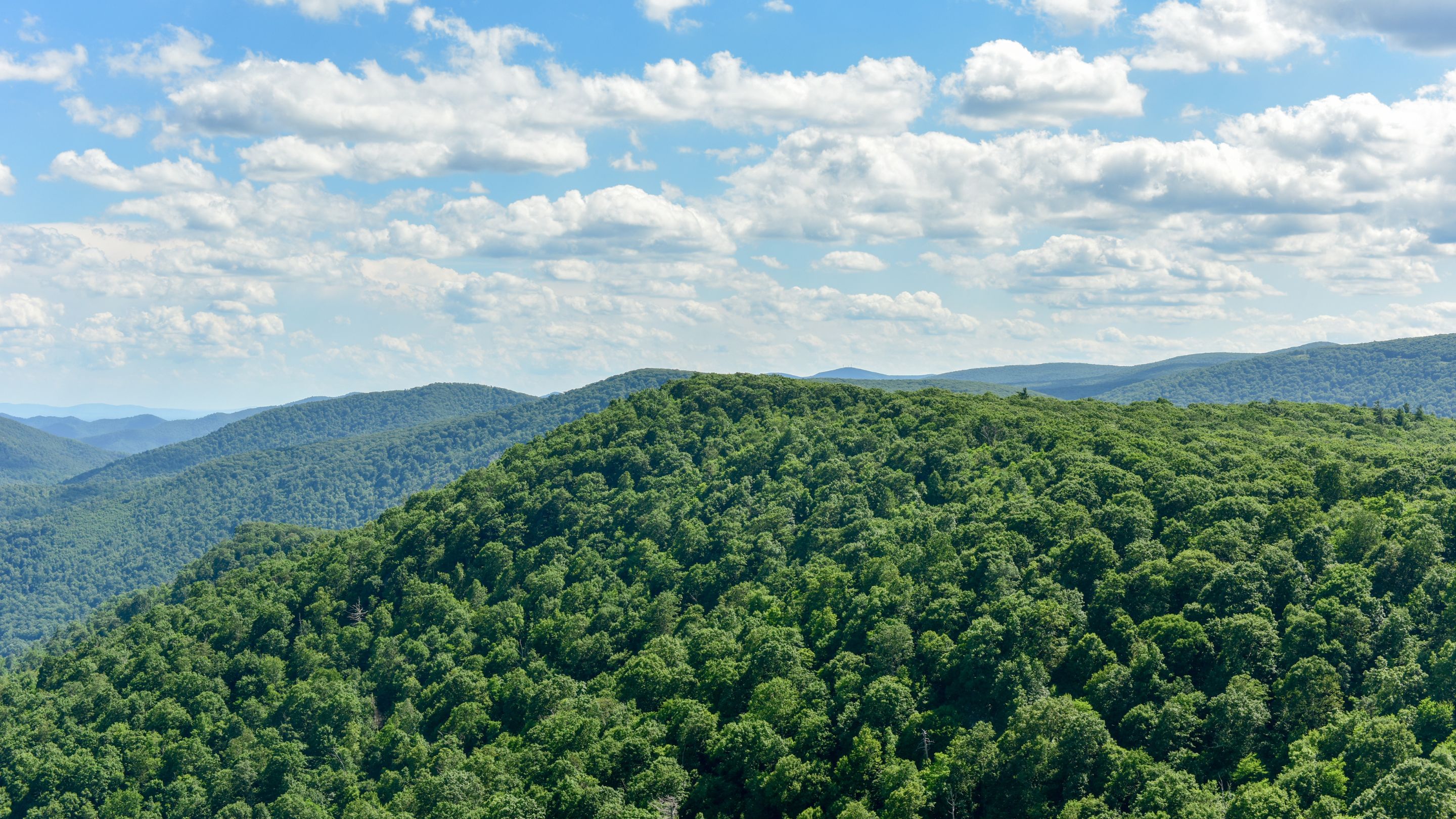
This park sprawls across Virginia’s Blue Ridge Mountains, so you get a mix of meadows, forests, and rocky slopes. Violets—purple and yellow—pop up as the days warm, followed by trillium and other spring classics.
April through June is the sweet spot for wildflowers here. Elevation changes mean you’ll find blooms at different stages, so you can catch flowers for weeks.
I recommend the Overall Run Falls Trail (6.4 miles) for great wildflower spotting and a waterfall payoff. Along the way, you’ll see violets, bloodroot, and trillium.
Skyline Drive offers easy access for flower viewing, but if you’re up for a hike, you’ll discover even more hidden gems.
4) Mount Rainier National Park, Washington
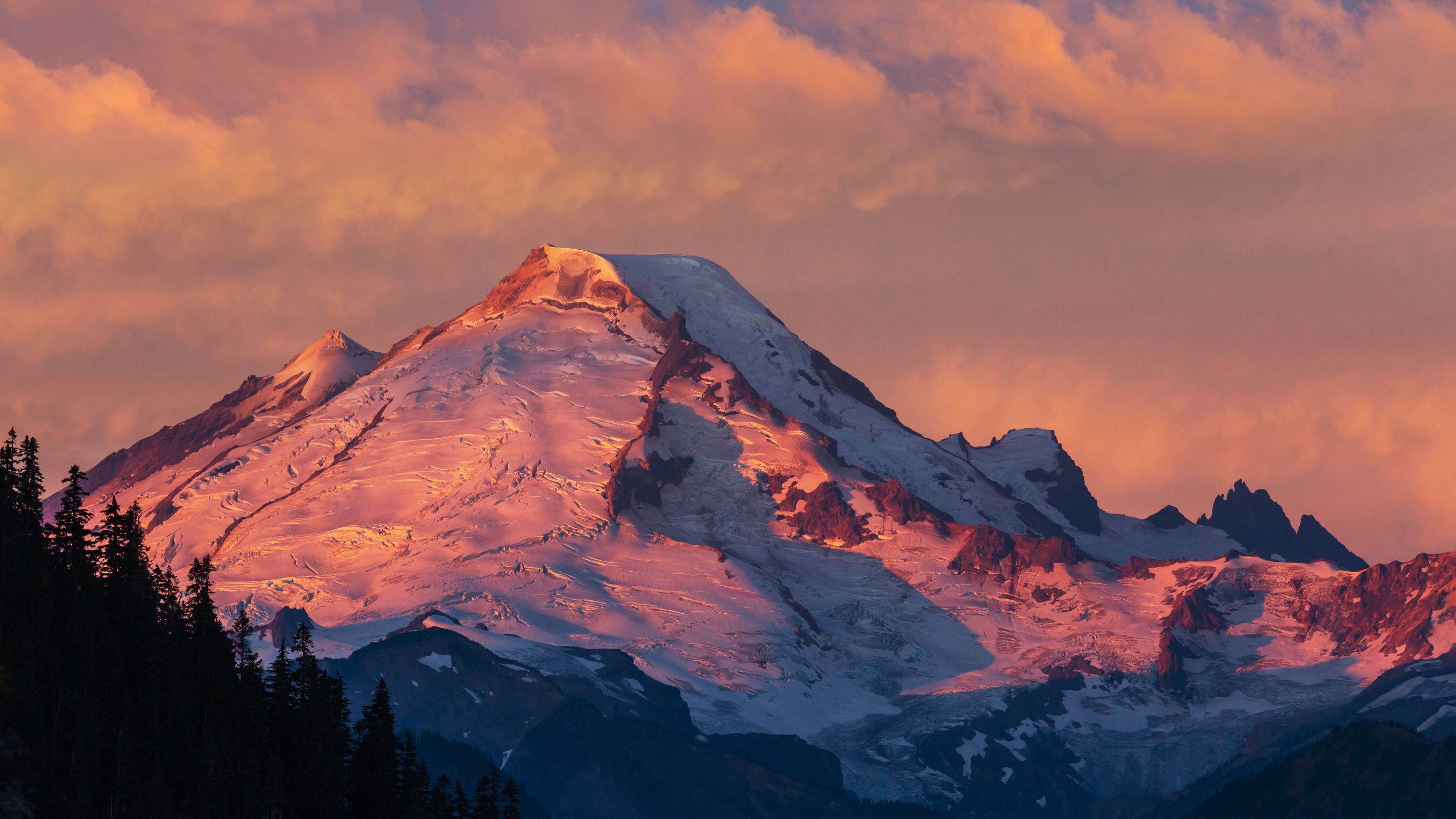
Mount Rainier National Park puts on a wildflower show that’s hard to beat. The subalpine meadows explode with color when the snow finally melts.
Late July to early August is prime time here. The park boasts over 250 wildflower species, and the sheer variety is mind-blowing.
I always head to Paradise or Sunrise for the best meadows. The Mowich Lake to Tolmie Peak trail is a favorite—it winds through more than 60 types of wildflowers.
There’s something about the mountain backdrop that makes the colors even more vivid. If you’re into identifying flowers, grab a guidebook at the visitor center or ask a ranger.
Definitely check the park’s website for bloom updates before you make the drive. Timing is everything with snowmelt.
5) Great Smoky Mountains National Park, Tennessee/North Carolina
Great Smoky Mountains National Park straddles Tennessee and North Carolina. It’s the most visited national park in the country, and for good reason.
Spring here is wildflower season on steroids. Over 1,500 flowering plants bloom across the park. Mid-April through early May is peak, but you’ll see flowers starting in March down in the valleys.
The terrain is so varied that different areas bloom at different times. Lower valleys start first, then the higher elevations follow. With a little planning, you can chase the bloom up the mountains.
Trilliums, lady slippers, fire pinks, wild geraniums, and spring beauties all make appearances. The old-growth forests and misty hills set the perfect scene.
Cades Cove and Little River Road are my go-to spots for easy wildflower walks. You don’t have to hike far to be surrounded by color.
No entrance fee here, which means you can return as many times as you want during the season.

6) Carrizo Plain National Monument, California
Carrizo Plain National Monument hides between Bakersfield and San Luis Obispo, right in California’s Central Valley. It’s remote, but the payoff is huge in a good year.
When winter rains come through, this grassland explodes with wildflowers from February to May. Some years, you’ll catch a superbloom that carpets the whole valley in color.
Look for hillside daisies, goldfields, and blue valley phacelia. The bloom stretches for miles when the conditions are right.
It’s not just about the flowers. You might spot pronghorn or catch sight of rare birds. Soda Lake and the San Andreas Fault add a little extra adventure.
Getting here takes a bit of planning—bring water, snacks, and a full tank. Cell service is spotty at best.
7) Alpine Meadows, Colorado
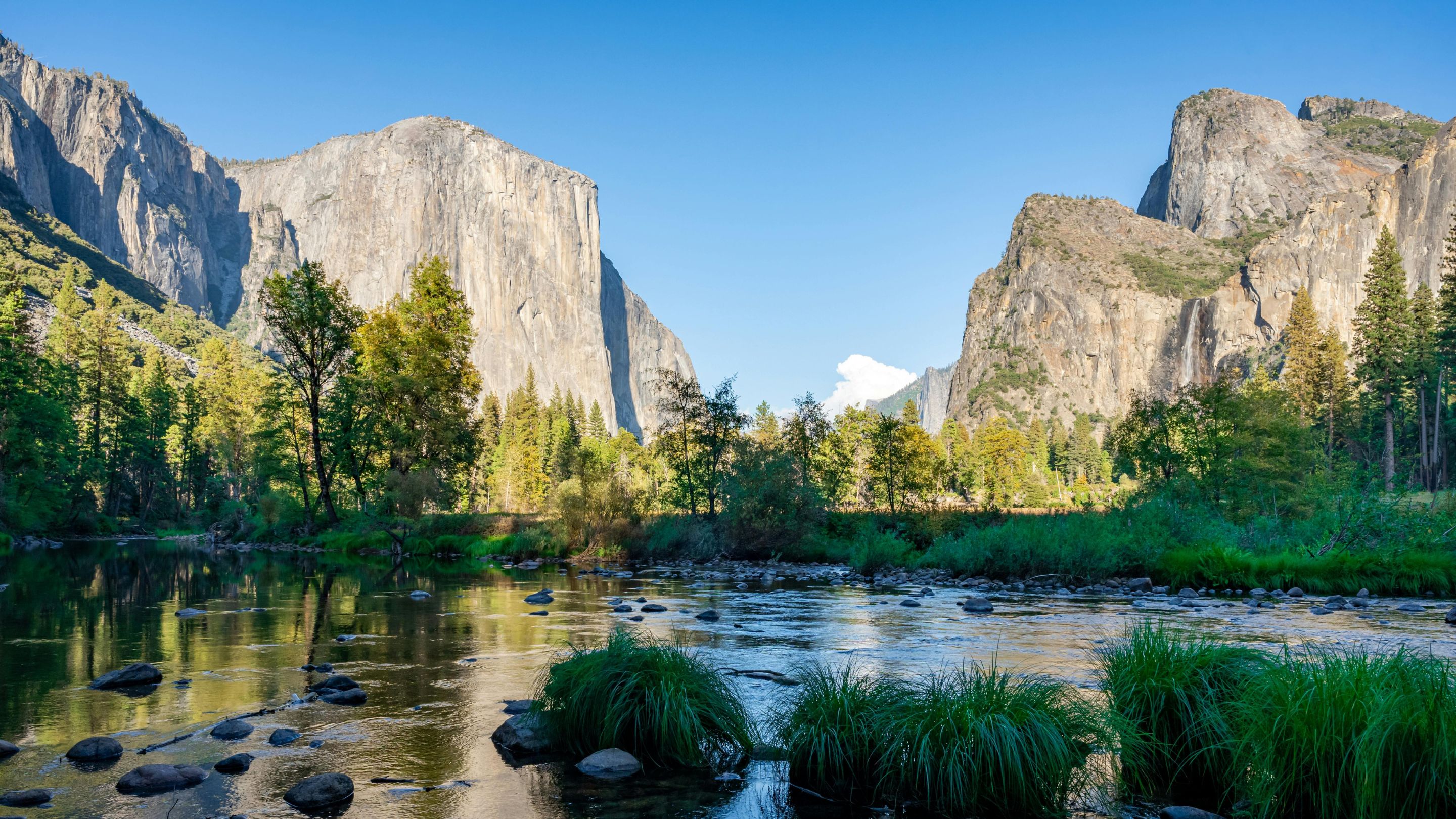
Colorado’s alpine meadows are unreal in spring and summer. Rocky Mountain National Park is my top pick, but there are wildflower meadows all over the state.
Lower elevations start blooming in June and last through July. If you want to see the alpine flowers, go mid-July to early August. That staggered bloom means you have options.
Bear Lake is a classic starting point, with easy trails and epic views. The meadows fill up with colorful blooms framed by snowy peaks.
Roxborough State Park is another great spot. Trails there take you through all kinds of terrain, and you’ll see new flowers every week.
Plan your trip between May and August, but remember: higher elevations bloom later as the snow melts.

8) Texas Hill Country, Texas
Texas Hill Country is famous for its wildflower carpets every spring. March kicks things off, with peak color running through April—and sometimes May if you’re lucky.
Bluebonnets steal the show, but Indian paintbrush, primrose, and other native flowers join in, creating a patchwork across the hills.
The region sits just west of Austin. Small towns make it easy to hop from one wildflower spot to the next, whether you’re stopping at roadside fields or exploring backroads.
Mid-March to late April is your best window. Southern Hill Country blooms first, then the north catches up.
I love taking slow drives along winding roads, stopping wherever the color looks best. The wildflowers pair perfectly with the area’s charming towns and rolling hills.

9) Badlands National Park, South Dakota
Badlands National Park turns into a wildflower wonderland each spring. The park’s spiky rock formations make the blooms stand out even more.
The American pasque flower, South Dakota’s state flower, is the first to show up—usually in early April. Suddenly, pale blooms dot the hillsides. Later, prairie coneflowers, scarlet globemallow, and sego lilies arrive for summer.
Sage Creek Wilderness is a quieter spot with vibrant wildflower patches and dramatic views. The park’s 244,000 acres protect a mix of prairie and rugged terrain.
While you’re searching for flowers, you might spot bison, bighorn sheep, or even prairie dogs.
Spring is hands-down the best time for wildflowers in the Badlands. The weather stays pleasant, and the landscape feels alive with color. If you’re really into learning, you can join a guided hike or photography workshop during bloom season.

10) Point Reyes National Seashore, California
If you want to see some of California’s most jaw-dropping wildflower displays, Point Reyes National Seashore is the place to be from February through August. The peak bloom really depends on how much rain the area gets, but usually, you’ll catch the best bursts of color between February and June.
I’ve wandered along several trails here, and each one feels like a different world. The Tomales Point Trail rolls through hills with sweeping ocean views and a riot of spring flowers. Chimney Rock Trail is another favorite—think dramatic cliffs, crashing waves, and wild splashes of poppies and paintbrush. If you’re thinking of timing your visit, April is a real sweet spot.
The wildflower variety at Point Reyes always surprises me. You’ll spot California poppies, sky lupine, paintbrush, goldfields, iris, and monkey flowers all along the trails and even right by the roadside. No need to go bushwhacking—most of them are basically waving hello as you walk by.
Spring brings more than just flowers. Gray whales cruise past the coast, and if you’re lucky, you’ll see tule elk grazing in the open grasslands. The mix of wildflowers and wildlife makes Point Reyes a dream spot for a spring adventure.

Best Times and Regional Variations for Wildflower Blooms
If you want to chase wildflowers across the U.S., you’ll notice a clear pattern. Blooms start in the southern deserts as early as February and move north into mountain regions by July.
Temperature and rainfall really set the schedule for each area.
Seasonal Differences Across the USA
Desert regions like California, Arizona, and Texas always seem to get the party started first. Death Valley and Big Bend often burst into color by February or March, but only if winter rains have been generous. Lower elevations bloom first, and then the flowers just keep climbing higher as spring heats up.
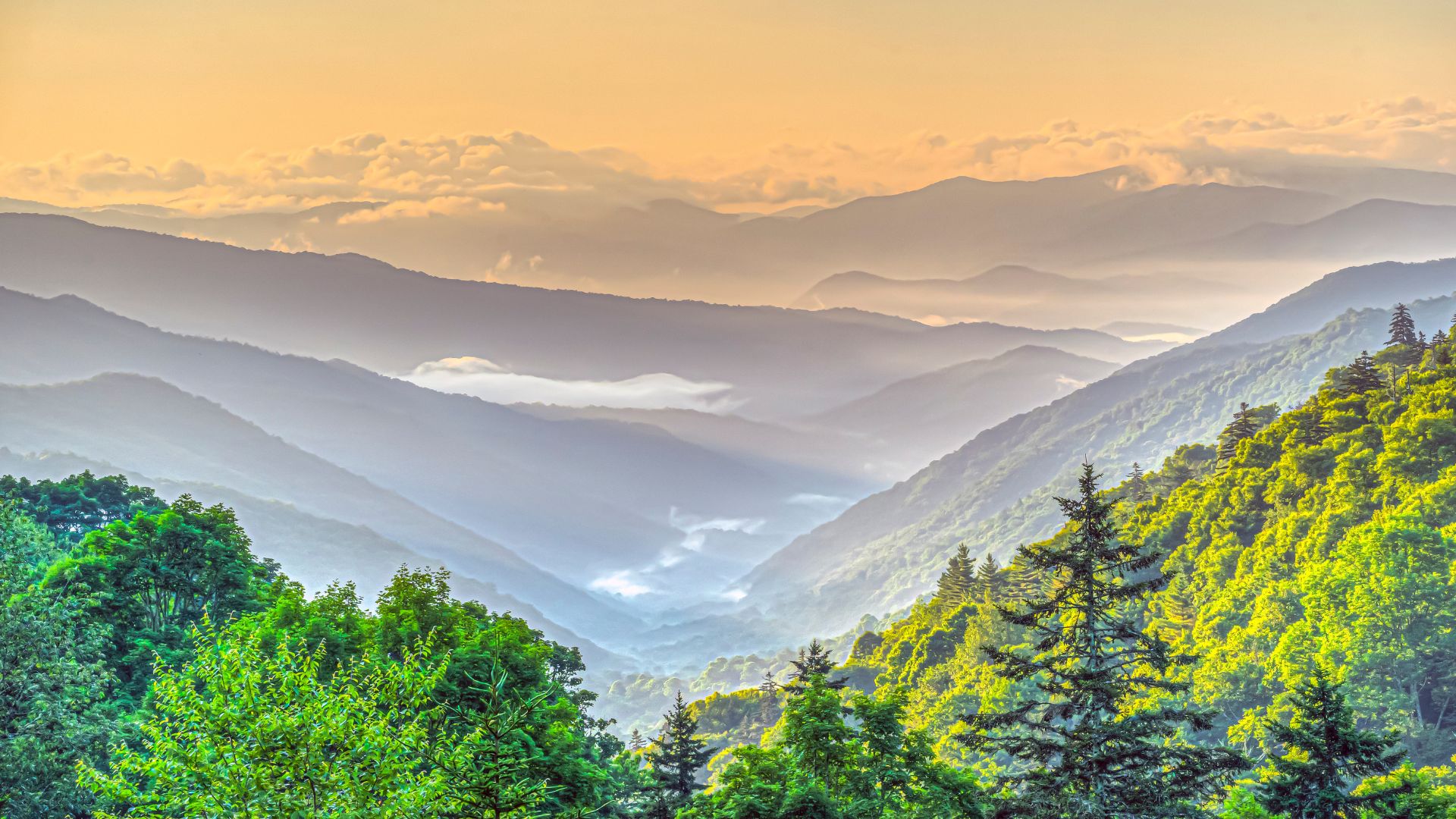
The Southeast and mid-Atlantic states step up next. Great Smoky Mountains National Park usually hits peak bloom from mid-April to May, while Shenandoah National Park really shines in late April and early May.
Western mountain parks always take their time. Mount Rainier’s subalpine meadows don’t go wild until late July or August. Glacier National Park peaks in July, and the Black Hills of South Dakota show off their colors from late May to early July.
California’s coastal ranges and foothills usually bloom from March through May. Colorado’s alpine meadows? July is their moment. If you’re a wildflower chaser, you can hop from one region to the next and stretch the season for months.
How Weather Patterns Impact Blooming
Desert wildflowers live and die by winter rainfall. If the rains come, you’ll get those legendary super blooms—valleys and hillsides absolutely covered in flowers. If it’s dry, you might barely see any blooms at all.
Spring temperatures also play a big role. A warm early spring can push flowers to bloom two or three weeks sooner. On the flip side, a chilly spring delays things and sometimes stretches out the season.
Mountain wildflowers depend on snowpack. Heavy snow years delay the show but usually mean more impressive blooms. Not much snow? Flowers bloom earlier, but you might not see as many.
I always check park websites and wildflower hotlines before heading out. Most parks update bloom reports every week during peak season, which is super helpful for planning.

Preparing for a Successful Wildflower Adventure
If you want to get the most out of your wildflower trip, you’ll need the right gear and a bit of respect for the places you visit. Planning ahead keeps you safe and helps protect these gorgeous habitats for future explorers.
Essential Gear and Supplies
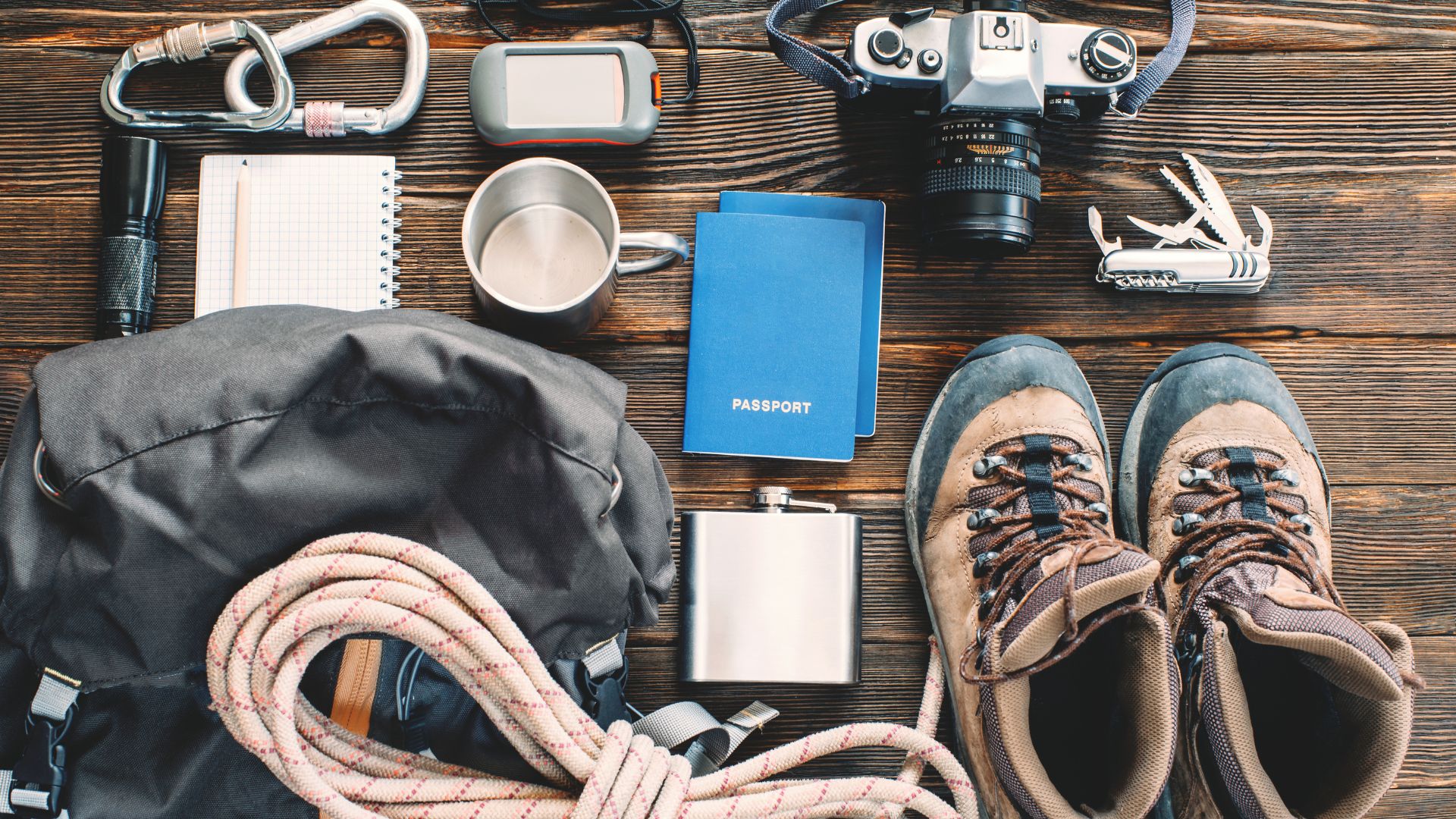
You’ll want sturdy hiking boots with good ankle support and solid traction. Spring trails can get muddy or slick from snowmelt and rain, so waterproof boots are a smart move.
Layering is your friend. Spring weather can flip from sunny to chilly in a heartbeat, especially at higher elevations. Bring a waterproof jacket, a hat, and definitely don’t forget sunscreen.
A field guide or a plant ID app can turn your hike into a treasure hunt. Binoculars are handy for checking out flowers and wildlife without trampling anything.
Pack plenty of water and snacks—most wildflower trails don’t have water fountains. I always throw in a basic first aid kit with bandages, blister care, and any meds I might need.
Don’t forget your camera or smartphone. A macro lens attachment can help you catch those tiny details. Bring extra batteries or a portable charger too; you’ll take more photos than you think.
Tips for Responsible Wildflower Viewing
Stick to marked trails, always. It’s tempting to get closer, but even one misplaced step can crush wildflowers and damage the soil. Trails exist for a reason.
Leave the flowers where they are. Picking wildflowers or digging up plants isn’t just frowned upon—it’s illegal in most parks. Plus, you’re robbing next year’s visitors of a great view.
When you’re snapping photos, try to keep at least three feet from flower clusters. Use your zoom instead of stepping closer. It’s amazing what a little distance can do for both your photos and the flowers.
Pack out all your trash, even fruit peels and crumbs. Don’t cut new trails or take shortcuts. And if you spot wildlife, watch from a distance—don’t feed them or try to get too close.
Frequently Asked Questions
Spring wildflower season is all about timing, location, and a bit of luck with the weather. From California’s poppy fields to Texas deserts and Washington’s mountain meadows, every region has its own magic window.
Antelope Valley California Poppy Reserve is a classic—those orange poppy fields are unreal in April. The reserve covers 1,800 acres and usually peaks between mid-March and early May.
Big Bend National Park in Texas goes wild with desert wildflowers and blooming cacti in April. Lower areas bloom first, but the Chisos Mountains keep the color coming later in spring.
Shenandoah National Park in Virginia is another spring favorite. The park’s trails wind through different elevations, so you get staggered blooms all season long.
Mount Rainier National Park in Washington is a showstopper. The subalpine meadows explode with color from July through August, and lower elevations bloom earlier.
Great Smoky Mountains National Park, straddling Tennessee and North Carolina, boasts more than 1,500 flowering plant species. Spring comes at different times depending on elevation, so you can catch blooms from April through June.
Big Bend National Park is fantastic for desert wildflowers, with unique species that thrive in the dry landscape.
Antelope Valley California Poppy Reserve has rolling hills blanketed in California’s iconic orange poppies. It’s honestly like walking through a painting during peak season.
Mount Rainier’s meadows are legendary for alpine wildflowers. The Paradise and Sunrise areas are especially stunning in summer.
Big Bend National Park offers a totally different vibe—desert landscapes transformed by bursts of color. The contrast is pretty unforgettable.
Big Bend National Park leads the pack in Texas for desert wildflowers. The best blooms follow a wet winter.
Antelope Valley California Poppy Reserve is another top spot, with poppies and other desert blooms thriving in the Mojave when conditions are right.
Desert blooms are unpredictable and depend on rainfall. If you get a rainy winter, you’re in for a treat.
Texas proudly calls itself the wildflower capital, with over 5,000 native species. You’ll find blooms everywhere—from deserts to forests.
California gives Texas a run for its money, though, with its famous poppy fields and a huge variety of wildflowers thanks to all the different climates.
Both states have official state flowers and lots of protected wildflower viewing spots. Texas loves its bluebonnets, and California celebrates the golden poppy.
Shenandoah National Park? Absolutely worth it. In April, the trails burst with wildflowers, and you’ll find routes for every skill level.
Some paths wind through dense forests, others open up to sweeping views—all dotted with color. You can pick a short stroll or go for a longer trek if you’re feeling adventurous.
Big Bend National Park is another gem. Desert blooms start showing off early in the month on the lower trails.
If you wait a bit, the mountain hikes come alive with flowers later in April. Honestly, it’s wild to see cacti and wildflowers thriving together.
Antelope Valley California Poppy Reserve is a favorite for many. The walking trails here are easy and bring you right up close to those famous poppy fields.
You don’t have to worry about trampling the blooms either—the paths keep both you and the flowers safe. It’s a photographer’s dream, and the scent on a breezy morning? Unforgettable.