
Taking that first leap across the border? It’s a big deal. You’re about to discover new cultures, try wild foods, and maybe even surprise yourself. But let’s be honest—some countries just make the whole process a lot smoother, whether it’s because the flights are shorter, folks speak English, or you don’t have to jump through tons of hoops at customs.
The best destinations for first-time international travelers strike that sweet spot: a little bit familiar, a lot exciting, and not too overwhelming. Europe, Asia, and even a few nearby spots all have something special for Americans itching to get that first stamp. Whether you’re into historic landmarks, buzzing cities, or jaw-dropping nature, there’s a place out there that’ll fit your vibe.
1) London, England
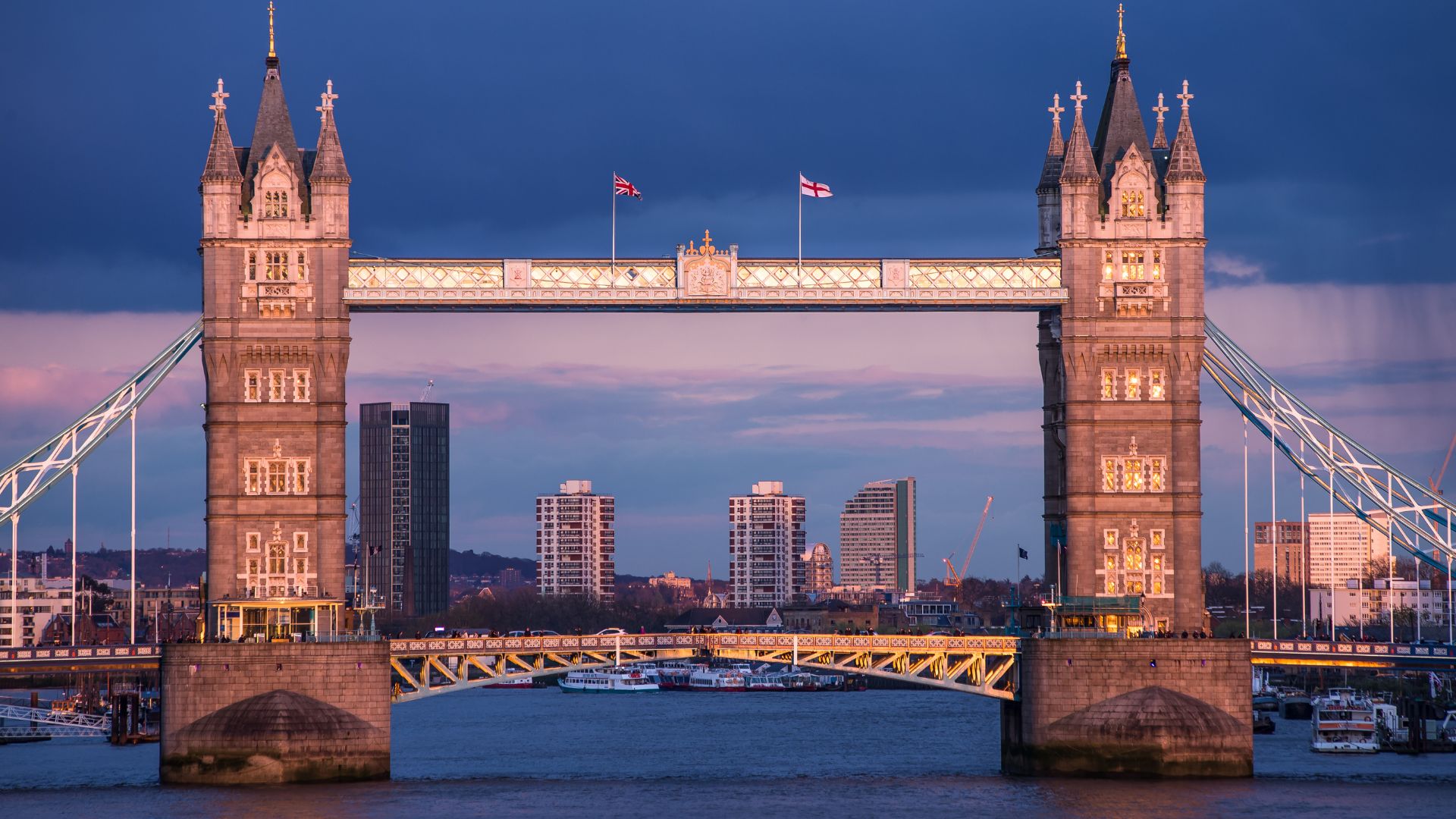
London always feels like a gentle first step into international travel. You won’t struggle with language here—everyone speaks English, so you can focus on exploring instead of fumbling through phrasebooks.
The city’s got this cool mix of old and new. One minute you’re gawking at Big Ben or Buckingham Palace, and the next you’re wandering through the Tate Modern or catching a show in the West End.
I love how easy it is to get around. The Tube can look intimidating at first, but after a couple rides, you’ll feel like a pro. Here’s a guide if you want a head start.
Summer brings the best weather, but you’ll have to dodge the crowds. Spring and fall? Milder, less packed, and honestly, a bit more charming. Winter gets chilly and damp, but the city’s holiday lights make up for it.
I’d recommend at least four or five days to soak it all in. Staying near a Tube station is a game-changer.
British culture feels familiar but with quirky twists—think different mealtimes, tipping habits, and a pub scene that’s just…different. It’s a fun way to ease into international travel without feeling lost.
2) Reykjavik, Iceland
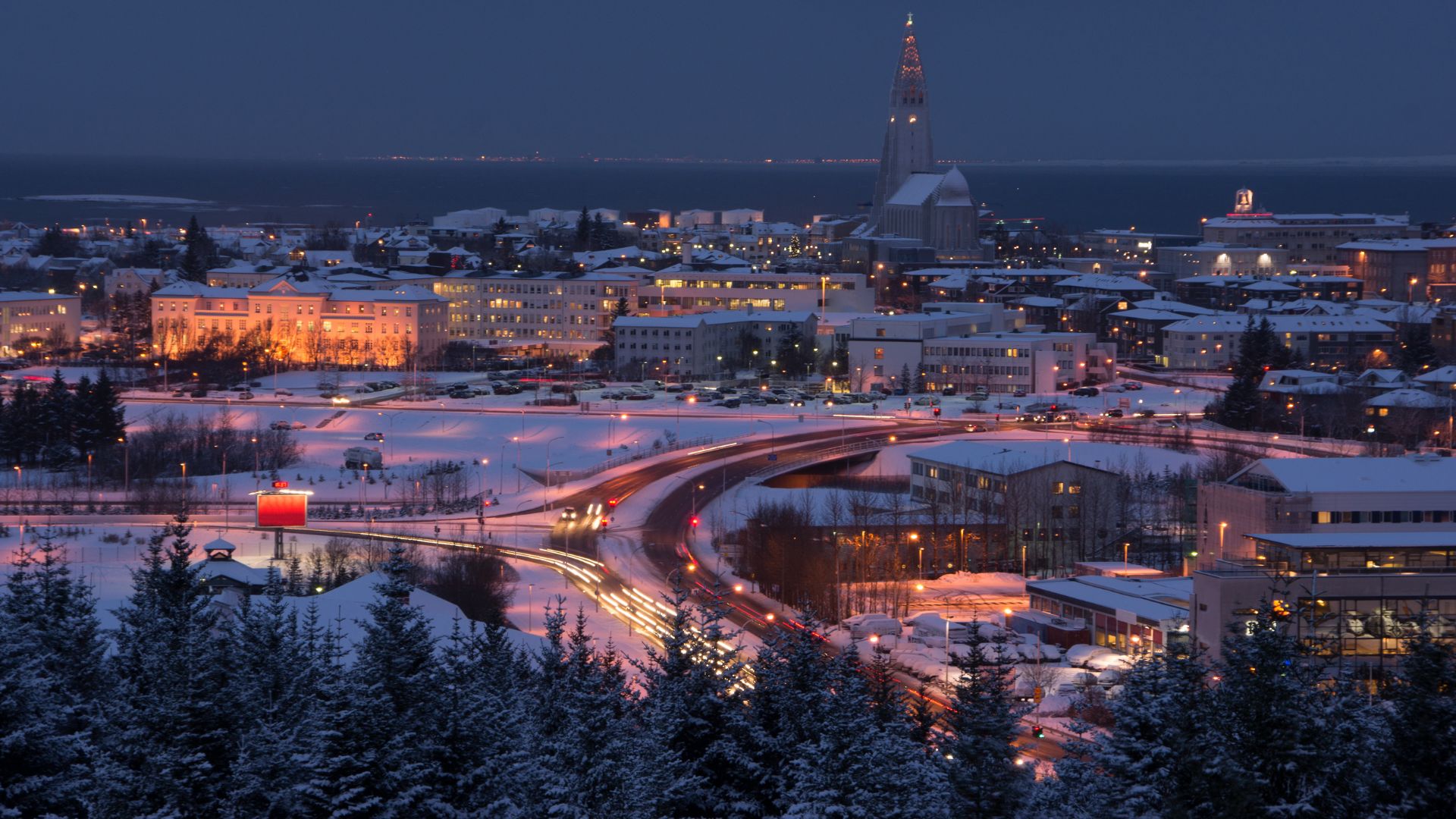
Reykjavik is tiny but mighty. You can stroll the whole downtown, ducking into colorful cafes and shops, and still have time to chase waterfalls or soak in a geothermal spa before dinner.
The Golden Circle trip is a must. You’ll see geysers, waterfalls, and Thingvellir National Park all in one go. It’s wild how much you can pack into a single day.
Don’t skip the Blue Lagoon. Floating in those steamy, mineral-rich waters with volcanic landscapes all around? It’s as good as it sounds.
If you’re up for a little more adventure, the south coast has black sand beaches, glaciers, and even more waterfalls. Iceland’s nature is just on another level.
Winter is all about the Northern Lights—seriously, don’t miss them if you’re there. In summer, you get almost endless daylight, so you can cram in even more exploring.
The city itself has a cool arts scene, fresh seafood, and, honestly, some of the friendliest people I’ve met. Nearly everyone speaks English, so you won’t have to stress about getting around.
3) Seoul, South Korea
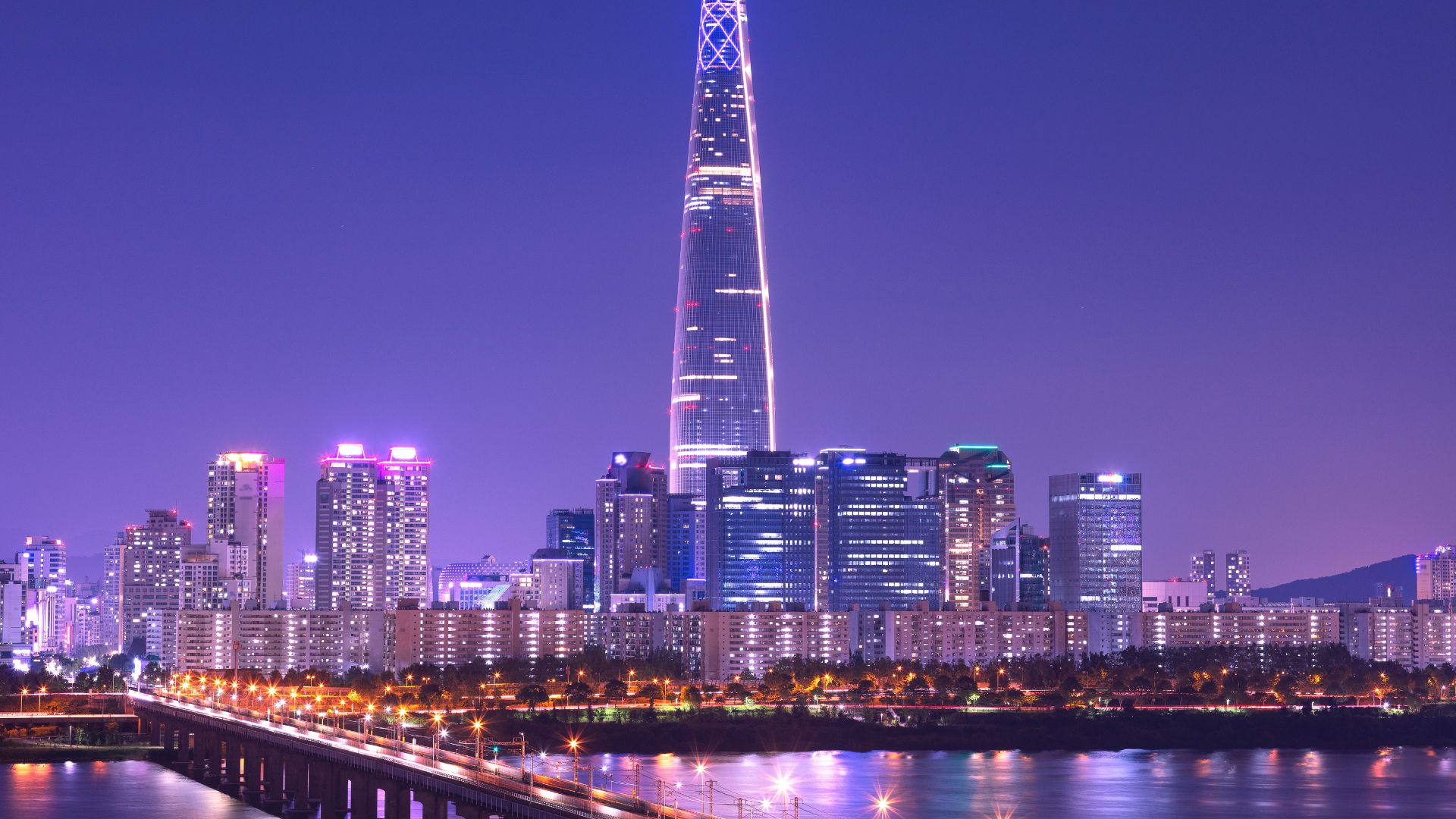
Seoul has this energy that’s hard to explain until you’re there. Ancient temples sit right next to futuristic skyscrapers, and it just works.
Getting around is a breeze thanks to the subway system. Signs are in English, trains are spotless, and you’ll never have to wait long.
The mix of old and new is everywhere. You’ll wander through hanok villages and then suddenly find yourself in a neon-lit shopping district.
Food is a highlight—street vendors, cozy restaurants, and everything in between. You can eat well without blowing your budget. Here’s why it’s a great value.
Seoul feels safe, and in touristy spots, you’ll find people who speak enough English to help you out. Palaces, shopping, art districts—they’re all close together, so you can see a lot without running around like crazy.
From the airport, it’s a straight shot into the city. The subway connects all the main sights. If you want to branch out, day trips to the DMZ or nearby cities are super doable.
4) Dublin, Ireland
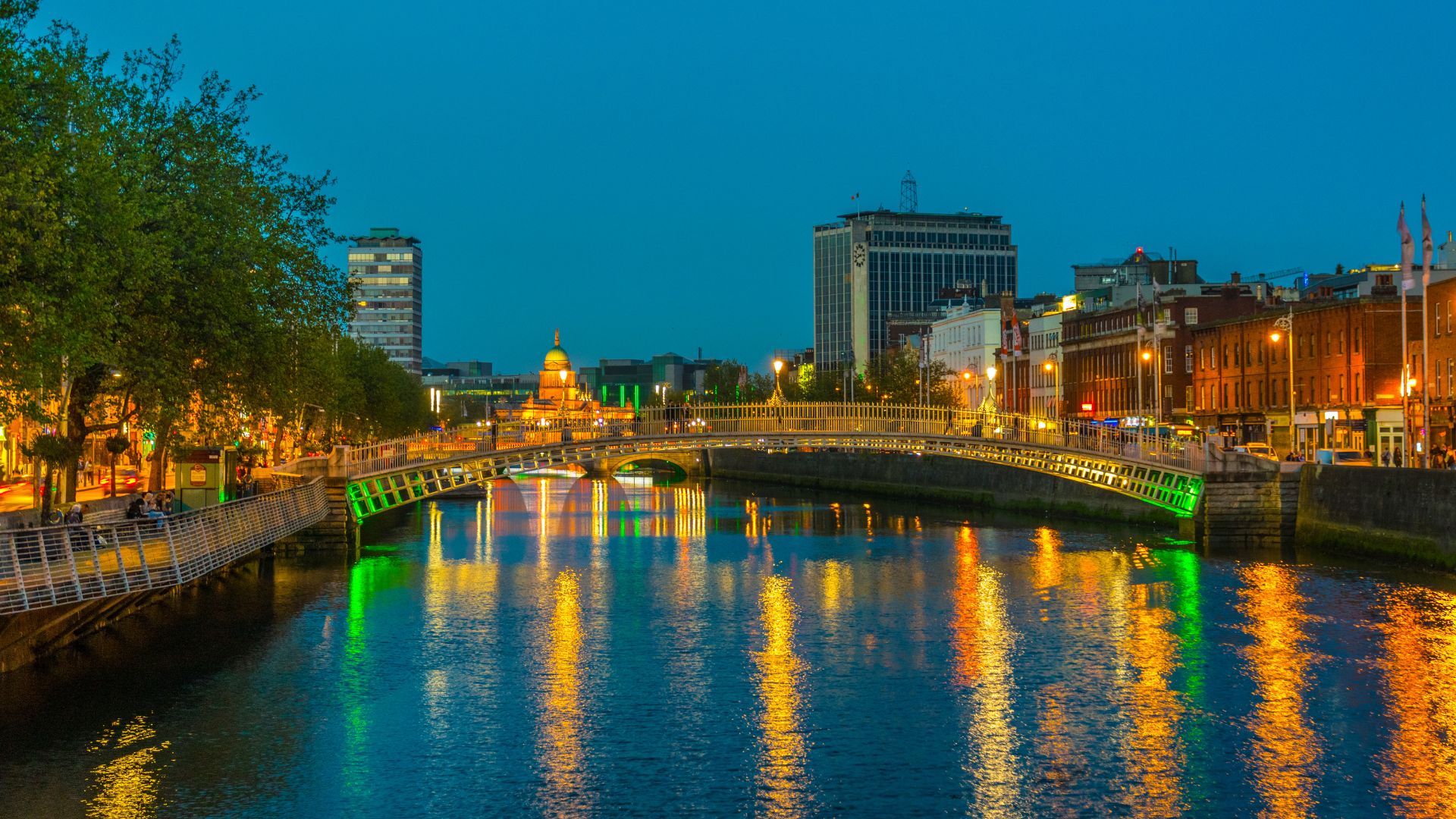
Dublin is a no-brainer if you want an easy, friendly intro to international travel. English is everywhere, and the flight isn’t too brutal—about seven or eight hours from the East Coast.
The city oozes history. Trinity College and the Book of Kells are worth a peek. Dublin Castle and the Guinness Storehouse are also musts. And don’t get me started on the pubs—Temple Bar is touristy but still a blast for live music.
If you’re aiming for good weather, summer is your best bet, but it’s also the busiest and priciest time. I actually prefer spring or fall—fewer crowds, better deals, and still decent weather.
Dublin is a great base for exploring more of Ireland. Day trips to the Cliffs of Moher or cute coastal villages are easy to arrange.
You can stay up to 90 days visa-free with your US passport. The euro is the currency, and credit cards work almost everywhere. Public transport is simple—buses and trams get you where you need to go.
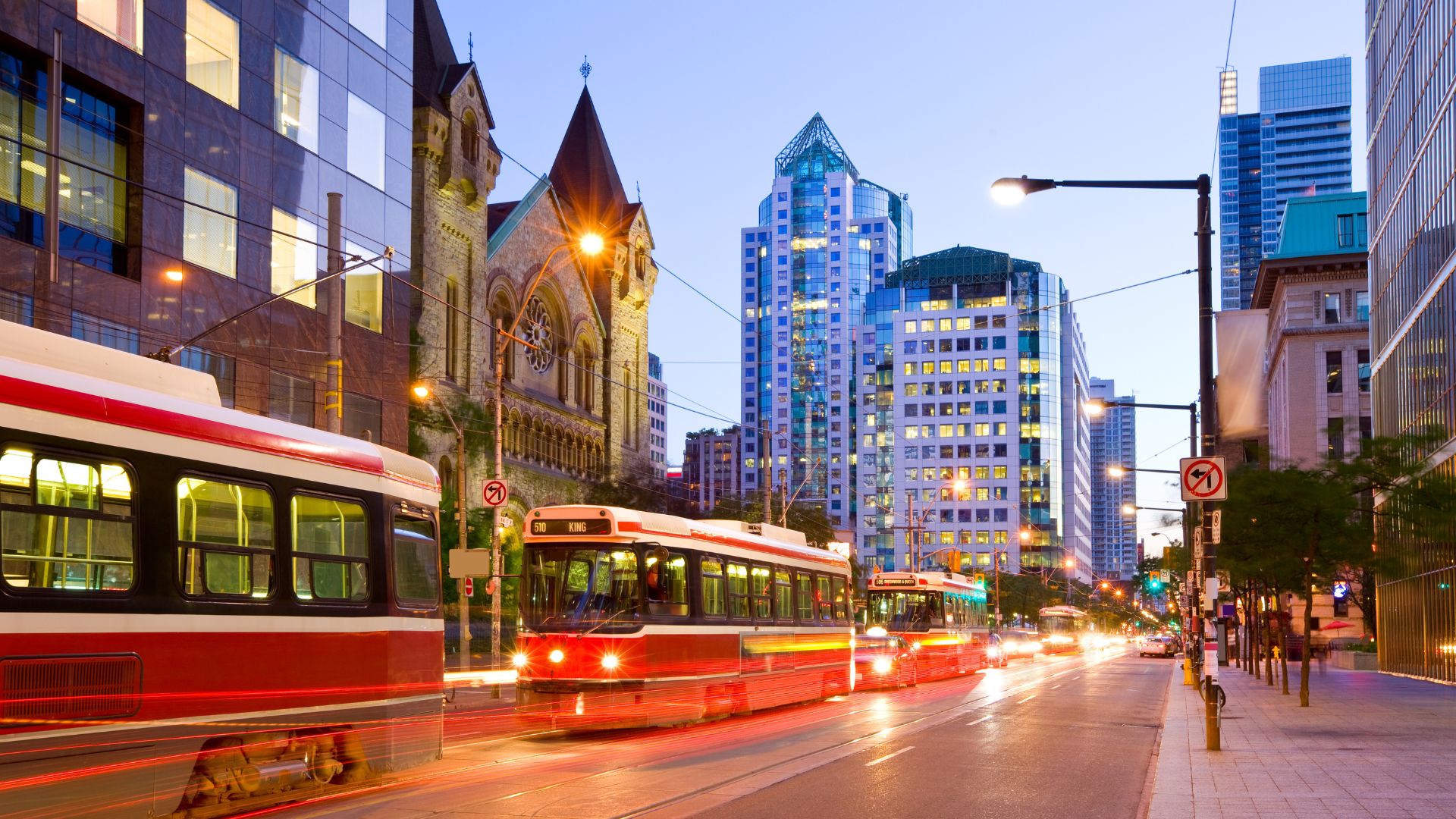
5) Toronto, Canada
Toronto is like a sampler platter of the world, and it’s right next door. You can drive, hop on a train, or take a quick flight—no need for a marathon travel day.
English is the main language, so you won’t hit any communication snags. What really stands out is the multicultural vibe.
You can wander neighborhoods with food from every corner of the globe. The CN Tower is touristy but the views are wild—worth it.
The Royal Ontario Museum, Hockey Hall of Fame, and St. Lawrence Market are all solid stops. If you need a break from the city buzz, the Toronto Islands are a quick ferry ride away with beaches and trails.
Toronto’s fun year-round. Summer has festivals and patio weather, while winter means snow and indoor fun in museums and galleries.
You can make it a quick getaway or link it up with Niagara Falls—it’s only about 90 minutes away.
6) Amsterdam, Netherlands
Amsterdam is just…cool. It’s got old-world charm, artsy neighborhoods, and a really laid-back vibe.
The best times to visit are April to May or September to November. You dodge the big crowds and snag better deals.
The canals wind through the city, lined with beautiful old buildings. Museums are everywhere, and the food scene is surprisingly good—stroopwafels, anyone?
Biking is huge here. You’ll see locals zipping by everywhere, so keep your eyes peeled when you’re walking around.
Day trips are easy—windmills, tiny towns, and beaches are all close. You don’t have to spend hours on a train to see something new.
Most people speak English, and getting around on trams or canal boats is a breeze. Amsterdam is friendly for newbies, and you’ll feel at home in no time.

7) Sydney, Australia
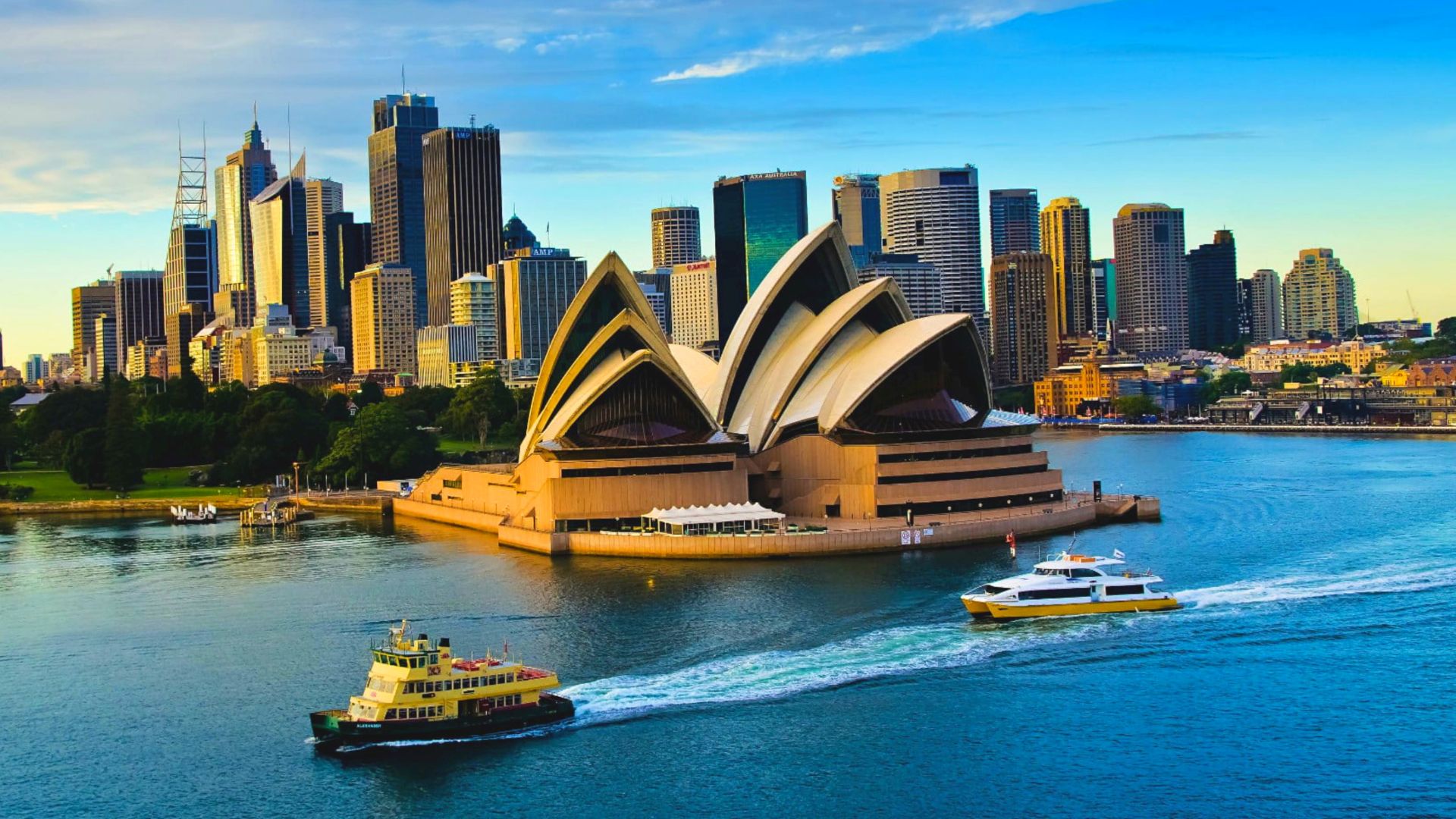
Sydney feels both familiar and totally new. Everyone speaks English, and the city has a welcoming, easygoing energy. It draws millions of tourists every year, so you won’t stick out.
You’ll need an Electronic Travel Authority visa, but you can apply online, and it’s quick. It lets you stay up to 90 days.
Public transport is solid, so you don’t have to worry about renting a car. You can hit the Opera House, Harbour Bridge, and all the big sights without much hassle.
The beaches are legendary. Bondi and Manly are favorites for swimming, surfing, or just chilling. Beach culture is a huge part of Sydney life.
I’d say five days is the sweet spot for a first visit. That gives you time to check out the harbor, the zoo, and the food scene. Weather’s good year-round, but keep in mind their seasons are flipped from the US.
The time zone difference is rough at first, so plan for a day to shake off the jet lag.
8) Tokyo, Japan
Tokyo is a wild mix of old and new, and it’s honestly one of my favorite cities. You’ll see ancient temples next to neon signs and skyscrapers—it’s a trip.
You might think Japan would be tough for first-timers, but Tokyo is surprisingly easy. Major areas have English signs, and locals often go out of their way to help if you look lost.
The subway is fast and connects you to pretty much everything. Shibuya’s famous crossing, Asakusa’s temples, Shinjuku’s nightlife—they all have their own vibe.
Japanese food is a highlight. Ramen, conveyor-belt sushi, street snacks—there’s so much more than just sushi. Many places have picture menus, so ordering is a breeze.
JAL and ANA sometimes offer special deals for international travelers, with discounted or even free domestic flights. Handy if you want to tack on a side trip to Kyoto or Osaka.
Tokyo is a fantastic intro to Japan. You can do day trips, feel safe, and get a real taste of the culture without feeling lost.

9) Vancouver, Canada
Vancouver is a gem for a first international trip—no language barrier, no confusing currency, and it’s super close to the US West Coast.
The city mixes urban buzz with incredible nature. Stanley Park is right in the middle of it all, with trails for walking or biking. Downtown has great shopping and food.
Vancouver is perfect for all kinds of travelers. You can go hiking or just chill by the waterfront. The food scene is top-notch, and public transit makes it easy to get around.
Crossing the border is usually quick with a US passport. Most Americans find it hassle-free. The city’s mild climate is a plus, but expect rain if you’re visiting from October to March.
Give yourself three or four days to see the highlights. That’s enough time for Stanley Park, exploring neighborhoods, and maybe a quick day trip nearby.

10) Barcelona, Spain
Barcelona really nails that sweet spot between beach vibes and city energy. One morning, I wandered along the Mediterranean coast, and by afternoon, I found myself gawking at some of the world’s most iconic architecture.
Antoni Gaudí’s wild creations, like the Sagrada Familia and Park Güell, set this city apart. Honestly, you won’t find anything quite like them anywhere else in Europe.
If you want to do Barcelona justice, stick around for five to seven days. That’s enough time to hit the main attractions, stumble into smaller neighborhoods, and just chill out on the sand.
The Gothic Quarter draws you in with its maze of medieval alleys, cafes, and quirky shops. Over on La Rambla, street performers and food stalls create a buzz that’s tough to resist.
Foodies will love the tapas bars and fresh seafood, not to mention local Catalan specialties. Warm weather most of the year means outdoor dining is always on the table.
Navigating the city’s a breeze thanks to the metro. Most folks in touristy spots speak a bit of English, but tossing out a few Spanish phrases goes a long way. Trust me—book your Sagrada Familia tickets in advance if you hate waiting in lines.

11) Singapore
Singapore has this way of easing you into Asia without overwhelming your senses. It’s tiny, but packed with modern comforts and a wild mix of cultures.
I still dream about the street food at hawker centers—meals for just a few bucks! Grab chicken rice, laksa, or chili crab at Maxwell Food Centre or Lau Pa Sat. If you’re a food lover, Singapore might just steal your heart.
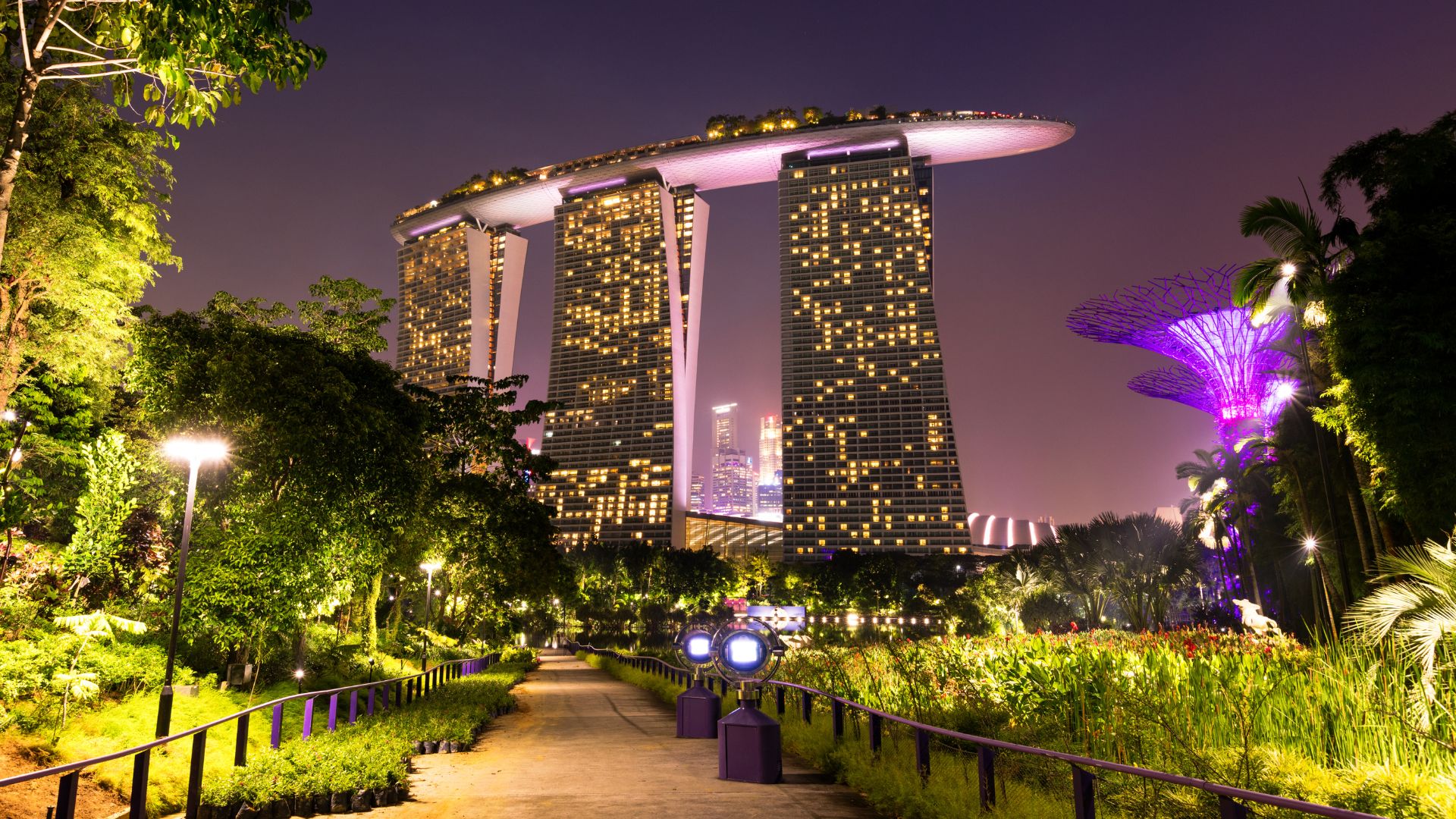
Marina Bay Sands and Gardens by the Bay show off the futuristic side of the city. Walking through the Cloud Forest, catching the waterfront breeze, or hopping over to Sentosa Island for a beach day—there’s always something new.
The MRT subway connects everything so you can zip from Little India to Chinatown and Arab Street all in one day. Each spot has its own flavor, with temples, shops, and street art.
English is widely spoken, so you won’t get lost in translation. The city feels clean, safe, and super organized. And there’s no tricky haggling or confusing transit—perfect for newbies.
12) Paris, France
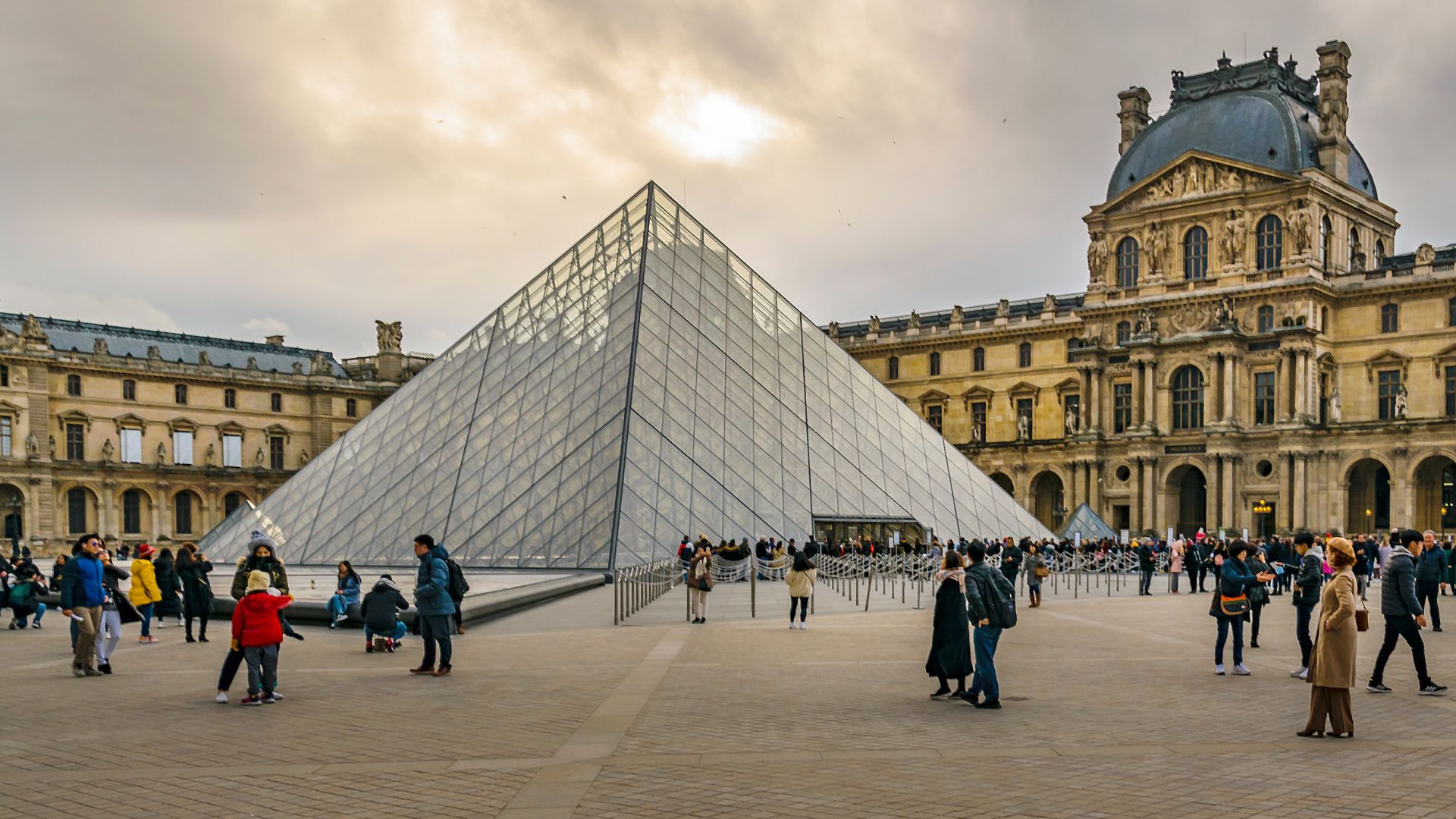
Paris draws millions for a reason. The city’s iconic landmarks—think Eiffel Tower, the Louvre, Notre-Dame—are just as magical in person as you’d hope.
Getting around is easy with the metro, and it won’t break the bank. In tourist-heavy areas, you’ll find plenty of English speakers.
Take time to stroll through Montmartre or the Latin Quarter. These neighborhoods show off the everyday magic of Paris—bakeries, cafes, and boutiques on every corner.
Three or four days is a solid amount of time to soak it all in. Staying near a metro stop saves you time and energy.
Americans just need a valid passport for trips under 90 days—no visa required. Spring and fall bring the best weather and fewer crowds, in my opinion.
13) Rome, Italy
Rome is a dream for first-time international travelers. The city blends ancient ruins with modern Italian life in a way that’s both accessible and unforgettable.
You can walk from the Colosseum to the Roman Forum, tracing the footsteps of emperors and gladiators. The city’s layout makes it easy to pack in several big sights each day.
Make sure your passport is valid for at least three months after your trip. Americans can skip the visa for short visits, which keeps planning simple.
Eating in Rome is half the adventure. Grab gelato on the go, or settle in for a real Italian meal in a lively piazza. The food alone is worth the flight.
English is common in tourist zones, and the metro is straightforward. Rome lets you dip into grand history and everyday Italian culture without feeling lost or overwhelmed.
14) Edinburgh, Scotland
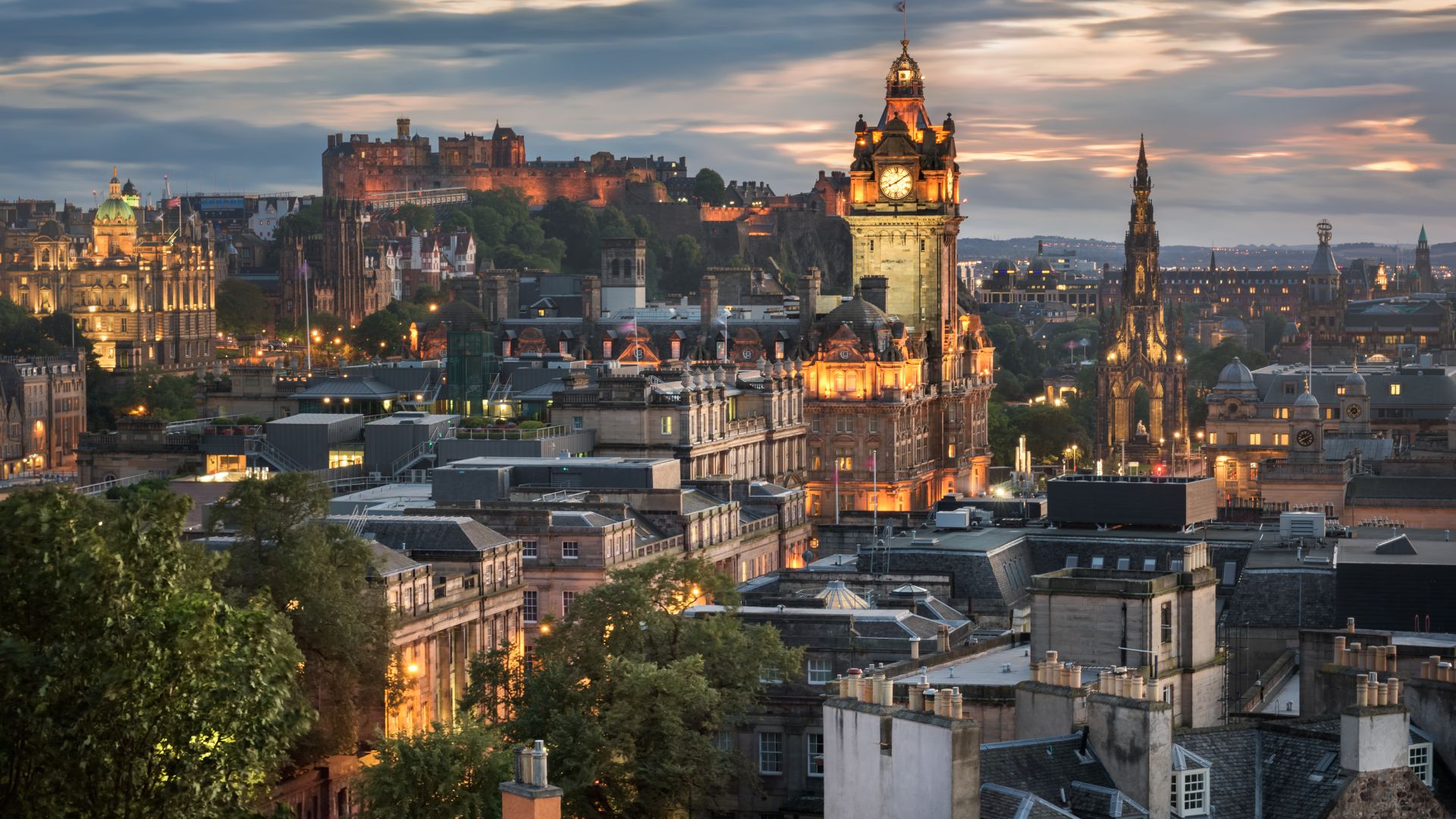
Edinburgh is where medieval history and modern Scottish culture collide, all within a walkable city center. The Edinburgh Castle looms over everything, perched on volcanic rock with views that’ll stop you in your tracks.
Traveling here is easy for Americans—everyone speaks English, and public transit is a snap. Grab a day ticket and you can hop on trams or buses without thinking twice.
Visit between March and June or in September and October for mild weather and fewer crowds. But let’s be real, rain is always a possibility, so a waterproof jacket is your best friend.
The Old Town charms with its cobbled lanes and ancient buildings. Tea rooms, cozy pubs, and local restaurants are everywhere. For a quieter vibe, Stockbridge offers a peek at local life away from the tourist buzz.
Edinburgh gives you that classic European feel, minus any language headaches.
15) Copenhagen, Denmark
Copenhagen just works for a first international trip. The Danish capital mixes old-world charm with sleek modern design, all in a city you can actually walk or bike across.
You’ll hear English everywhere, which takes the stress out of communication. The city’s bike paths and reliable public transit make exploring almost too easy.
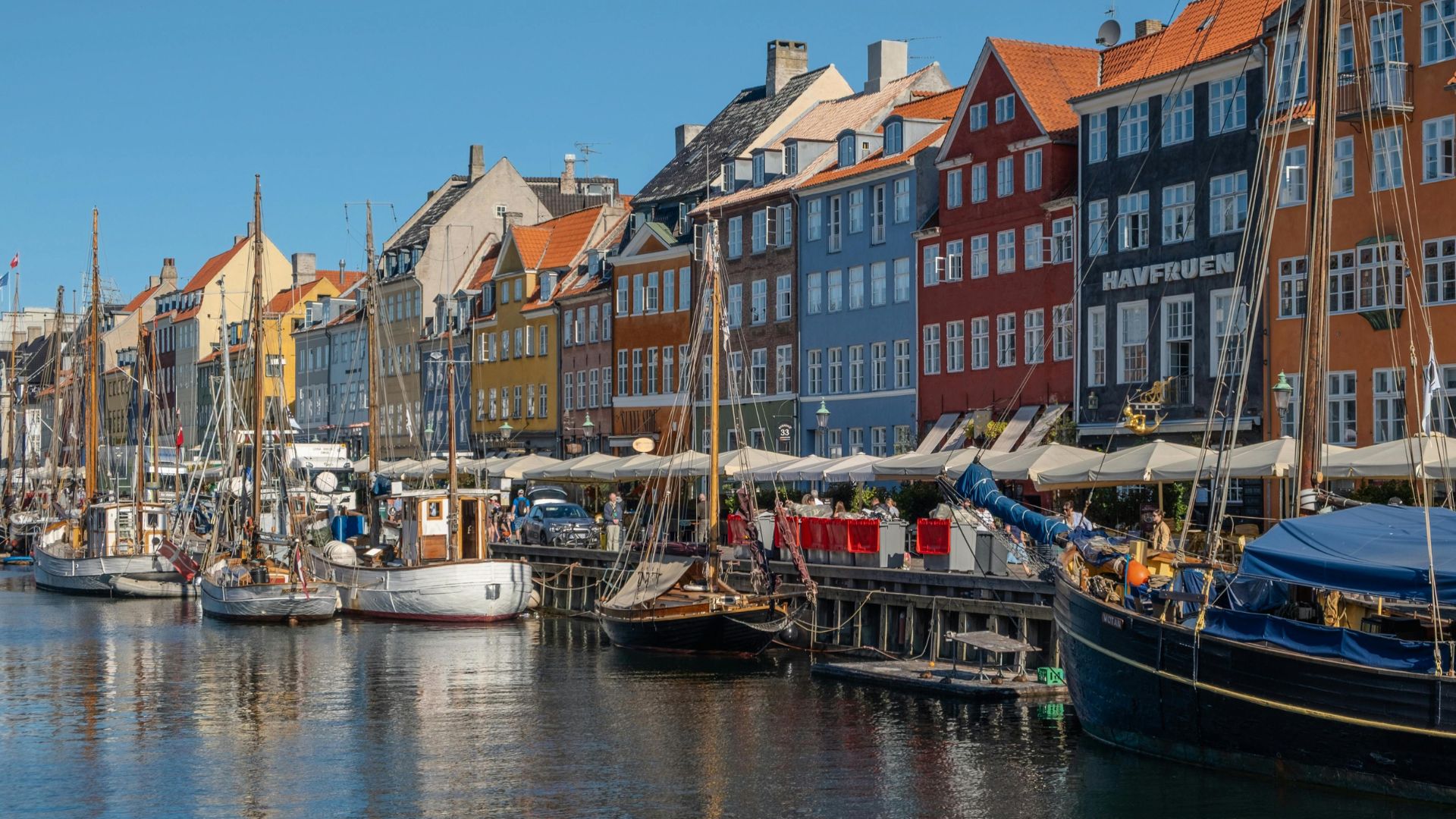
Start at Nyhavn—the colorful harbor is straight out of a postcard. Don’t miss the Little Mermaid statue or the vintage rides at Tivoli Gardens. For panoramic views and a bit of history, climb the Round Tower or visit Christiansborg Palace.
Danish food goes way beyond pastries, though you shouldn’t skip the bakeries. Try smørrebrød (open-faced sandwiches) or dive into New Nordic cuisine if you’re feeling adventurous.
Copenhagen feels safe, clean, and relaxed. The city lives and breathes hygge—that cozy, content vibe you’ve probably heard about.
May through September brings the best weather, but winter has its own charm with candlelit cafes and festive markets.
Essential Tips for First-Time International Travelers
Booking flights and hotels is just the beginning. There’s a bit more to handle if you want your first international trip to go smoothly.
Passport and Visa Requirements
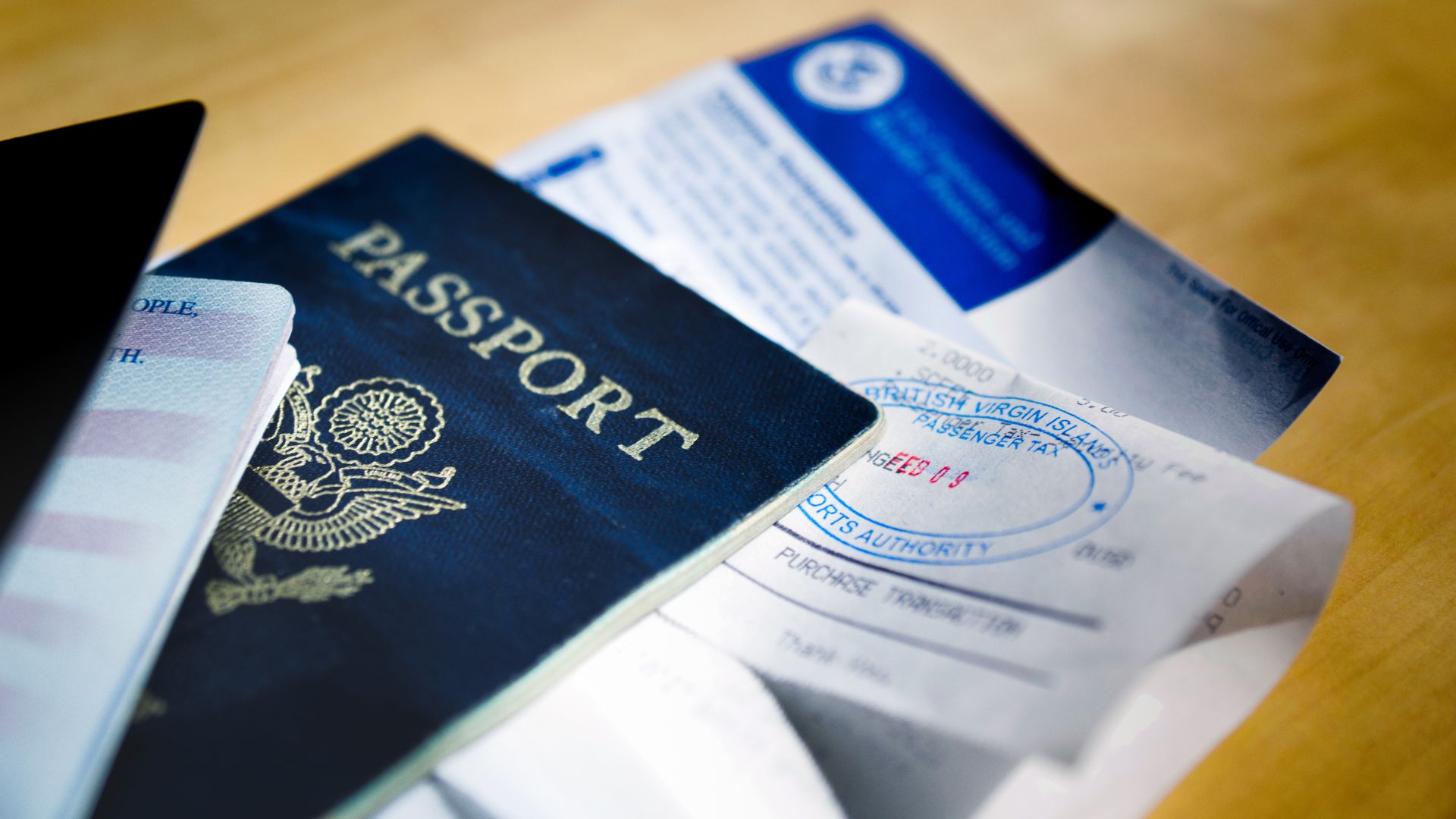
Make sure your passport doesn’t expire for at least six months after your return. Airlines can and will turn you away if it’s too close to expiring.
Check visa requirements at least three months before you go. Some places let Americans in without a visa, but others need you to apply ahead of time.
Photocopy your passport’s photo page—keep one copy in your bag, and leave another with someone you trust back home.
Register your trip with the Smart Traveler Enrollment Program (STEP). It’s free, and if there’s an emergency, the embassy can find you and send updates.
Health and Safety Precautions
See your doctor four to six weeks before traveling to talk about vaccines. Some countries won’t let you in without proof of certain shots, like yellow fever. Your doctor can also sort out any meds you might need.
Buy travel insurance that covers medical emergencies and evacuation. Most U.S. health insurance won’t help you overseas. Good travel insurance should also cover cancellations and lost bags.
Check the State Department’s website for travel advisories. Look up which neighborhoods to avoid and what scams are common. Know the local emergency numbers and where the nearest U.S. embassy is.
Pack a simple first-aid kit—bandages, painkillers, and any prescriptions you need. Keep meds in their original bottles with the labels visible.
Cultural Awareness and Etiquette
Read up on local customs before you go. What’s normal at home might be rude elsewhere, especially at religious sites.
Gestures and body language can mean totally different things. A thumbs-up isn’t always positive, and personal space varies a lot.
Learn a few words in the local language—hello, please, thank you, excuse me. Even if your accent is terrible, locals usually appreciate the effort.
Check out dining etiquette and tipping rules. In some places, service charges are included. In others, tipping can be seen as rude. Do a quick search for each country you visit.
Maximizing Your First International Adventure
A little planning goes a long way. Smart budgeting and packing help you focus on the fun, not the stress.
Budgeting and Travel Insurance
Set a daily spending limit for food, lodging, transport, and activities. Most folks spend $100–$200 per day in Europe, while Southeast Asia can be as low as $50–$75.
Use a budgeting app or spreadsheet to track expenses. Add a 15–20% cushion for unexpected costs—things like medical needs or last-minute tours.
Always get travel insurance. A good policy (usually $50–$150) covers:
- Medical emergencies
- Trip cancellations or delays
- Lost or stolen bags
- Emergency evacuation
Compare plans from companies like World Nomads or Allianz. Read the fine print before you book.
Packing Smart for Multiple Destinations
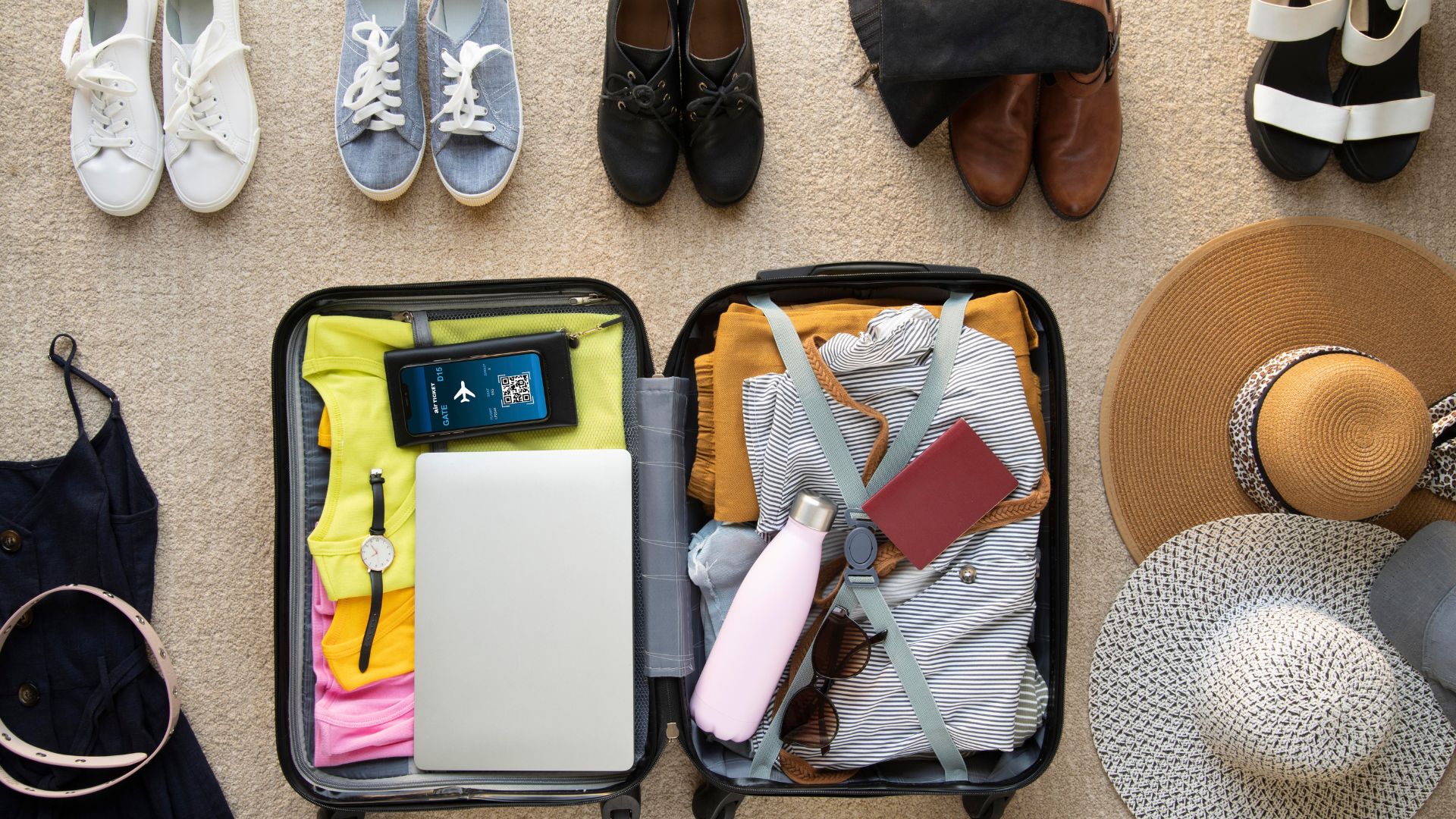
Stick to a carry-on-sized bag. You’ll avoid checked bag fees and move faster through airports. Pack clothes that layer well and fit different occasions.
Don’t forget these basics:
- Universal power adapter
- Portable charger
- Copies of important documents
- Basic first-aid kit
- About a week’s worth of clothes (laundry is your friend)
Rolling your clothes saves space and cuts down on wrinkles. Wear your bulkiest shoes and jacket when you fly.
Keep meds in their original packaging. Bring any prescriptions in case you need a refill. Store your passport and cards in a money belt or hidden pocket for safety.
Frequently Asked Questions
First-time international travelers from the U.S. often share the same worries—where to go, how much it’ll cost, and what’s actually worth seeing. Here are some quick answers.
London, England is a classic pick—no language barrier, easy public transit, and a mix of history, museums, and modern culture.
Reykjavik, Iceland attracts first-timers with wild landscapes and friendly, English-speaking locals. Waterfalls, hot springs, and volcanoes are all within reach of the city.
Dublin, Ireland feels welcoming and easy to navigate. The city’s size and friendly locals make exploring a breeze, and you can see a lot of the country in one trip.
Toronto, Canada gives you that international flavor without a long flight. Diverse neighborhoods, great food, and smooth border crossings make it a solid choice.
Canada really stands out as a family destination, and honestly, it’s tough to beat the convenience. It’s close, the language is the same, and there’s just so much to do. I remember strolling through Toronto’s kid-friendly museums—there’s always something new to discover.
If you venture beyond the cities, you’ll find endless outdoor adventures. Think hiking, canoeing, or just soaking up those big Canadian landscapes with the whole crew.
England is another classic pick for families. You get interactive museums, royal palaces, and—let’s be real—Harry Potter sites that kids (and adults) go wild for.
There’s no language barrier, so most children slide right into the experience. It just feels easy to travel around.
Iceland, on the other hand, is perfect if your family craves outdoor adventures but you don’t want to fuss over complicated logistics. The country is small, so you won’t spend hours in the car.
Most Icelanders speak English, which takes a lot of stress out of planning. Plus, those waterfalls and hot springs? Unforgettable.
Canada is about as easy as it gets. Direct flights from most big U.S. cities take less than five hours. If you live up north, you might just hop in the car and drive across the border.
England is also super accessible. You can catch direct flights from tons of U.S. airports, and you’ll usually land in six to eight hours. The five-hour time difference isn’t too tough to adjust to, either.
Ireland makes things simple for first-timers. Direct flights from many U.S. cities get you there in six or seven hours, and you’ll breeze through U.S. customs on your way home thanks to preclearance.
Dublin surprised me with its reasonable hotel prices, especially compared to other Western European capitals. You can grab a hearty pub meal without breaking the bank, and there are plenty of free parks and walking tours to explore.
Seoul is a gem if you’re watching your budget. The public transportation is cheap and super efficient, and you can eat well for just a few bucks. Your dollar goes a long way, especially if you love food or want to dive into local culture.
Toronto can be budget-friendly, especially if you visit during the off-season. Free attractions are everywhere, and the exchange rate often works in your favor when the Canadian dollar drops.
The United Kingdom seems to top the list for first-time American travelers. Maybe it’s the shared language, maybe it’s all those iconic sights—London is usually where folks start their adventure.
Canada comes in close behind. Proximity and easy access make it a no-brainer, and cities like Toronto offer a gentle introduction to international travel.
Ireland has really grown in popularity, especially for travelers who want a warm, English-speaking destination. The country is small enough to explore without feeling overwhelmed, and the culture is just so inviting.
London? Absolutely. This city just pulses with history and culture. I remember wandering through the streets, half-expecting to run into a royal or stumble onto a Shakespearean stage. The museums here—wow, they’re packed with treasures from every corner of the globe.
Reykjavik sits at the top of my list for pure, jaw-dropping scenery. Iceland’s landscapes seem almost unreal. I watched glaciers glint in the sunlight and stood in awe as geysers shot sky-high. If you catch the northern lights, it’s like nature’s own fireworks show.
Seoul surprises a lot of travelers. The city blends centuries-old palaces with neon-lit skyscrapers, and the contrast is wild. The food scene? It’s a flavor adventure, and honestly, I still dream about the street food there. Tech lovers and history buffs both find plenty to geek out about.