
Honestly, the world’s packed with incredible destinations that’ll totally shift your perspective and stick in your memory for years. But if you’re anything like me, picking where to go next can be a little overwhelming. Time and money only stretch so far, right?
So here’s my take—25 must-see places from the U.S. and beyond that truly deliver unique experiences and are absolutely worth your travel budget.
On this list, you’ll spot natural wonders, iconic cities, wild landscapes, and cultural gems. Whether you’re after a rugged adventure, want to get lost in a city, or just soak up some history, these spots bring out the best of what our planet can offer.
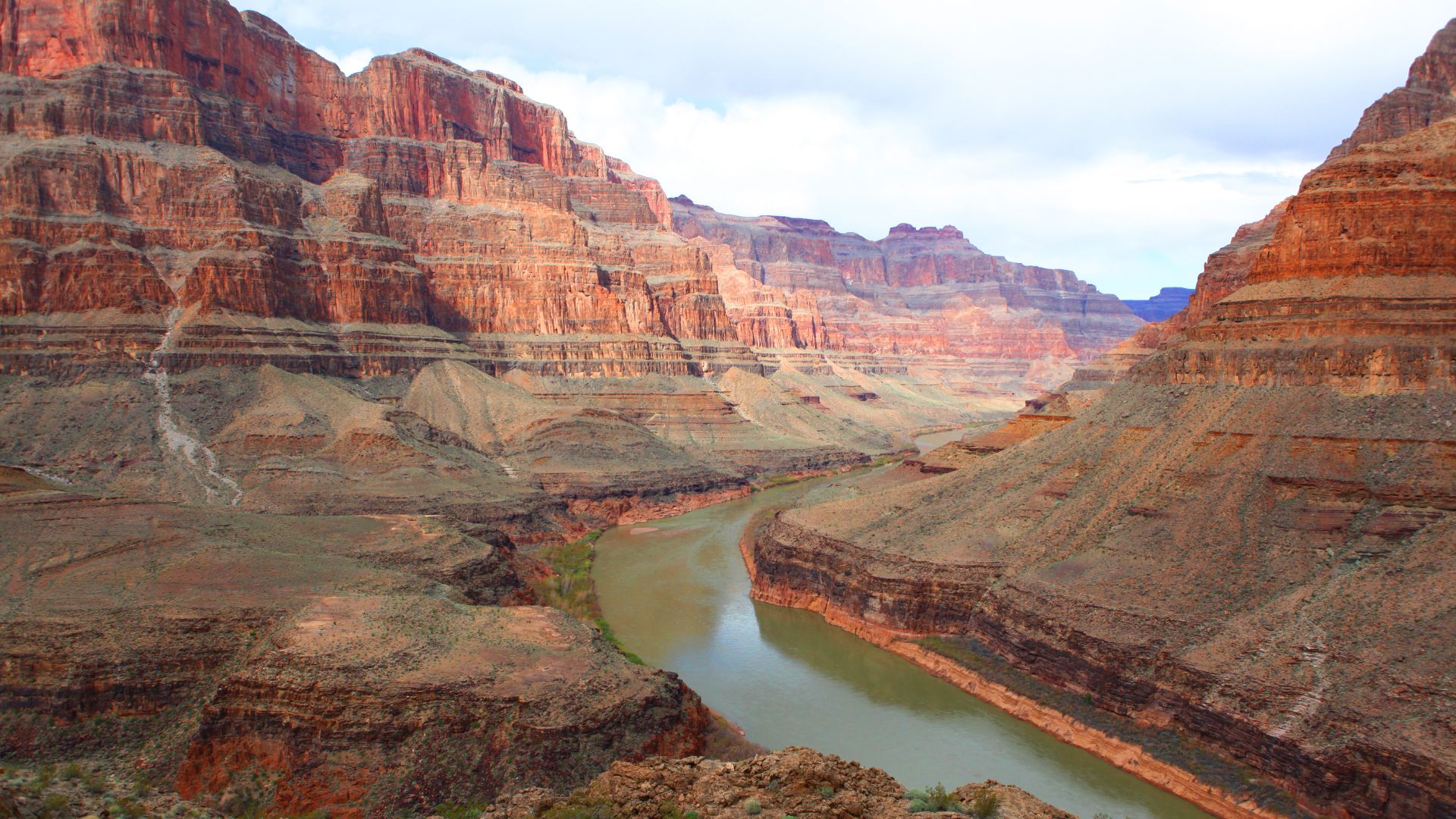
1) Grand Canyon National Park, Arizona, USA
The Grand Canyon is just… massive. It’s one of those natural wonders you have to see to believe.
Formed by the Colorado River over millions of years, it stretches 277 miles long and up to 18 miles wide. Standing on the edge, you can’t help but feel tiny.
There are two main areas to check out. The South Rim stays open year-round and has the most stuff for visitors. The North Rim feels quieter, but it shuts down in winter.
You can hike along rim trails, catch a sunrise or sunset from epic viewpoints, or join a ranger-led program. Feeling bold? Try a mule ride down into the canyon or even a multi-day rafting trip.
Millions visit every year, so booking ahead is smart—especially if you want to stay inside the park. Free shuttles on the South Rim help you skip the parking hassles.
Sure, you could squeeze it into a day trip, but trust me, staying longer lets you see the canyon’s colors shift as the light changes. It’s unreal.
2) New York City, New York, USA
New York City never really slows down. It’s a dynamic destination that packs so much into five boroughs, each with its own vibe.
The skyline’s loaded with icons. The Statue of Liberty? Classic. The Empire State Building gives you those sweeping city views. Times Square buzzes with neon lights and energy (sometimes a little too much, if I’m honest).
Central Park sits right in the middle, giving you 843 acres to walk, bike, or just breathe. The 9/11 Memorial & Museum hits hard and reminds you of the city’s resilience.
Art lovers, you can’t miss the Metropolitan Museum of Art. Two million works, 5,000 years of history—take your pick.
The Brooklyn Bridge links Manhattan and Brooklyn, and walking it is a must for those skyline photos. Each neighborhood’s got its own flavor, from the creative streets of Greenwich Village to the food stalls in Chinatown.
You’ll never see it all in one trip. The food, the shows, the mix of cultures—it’s a city that demands a visit at least once.

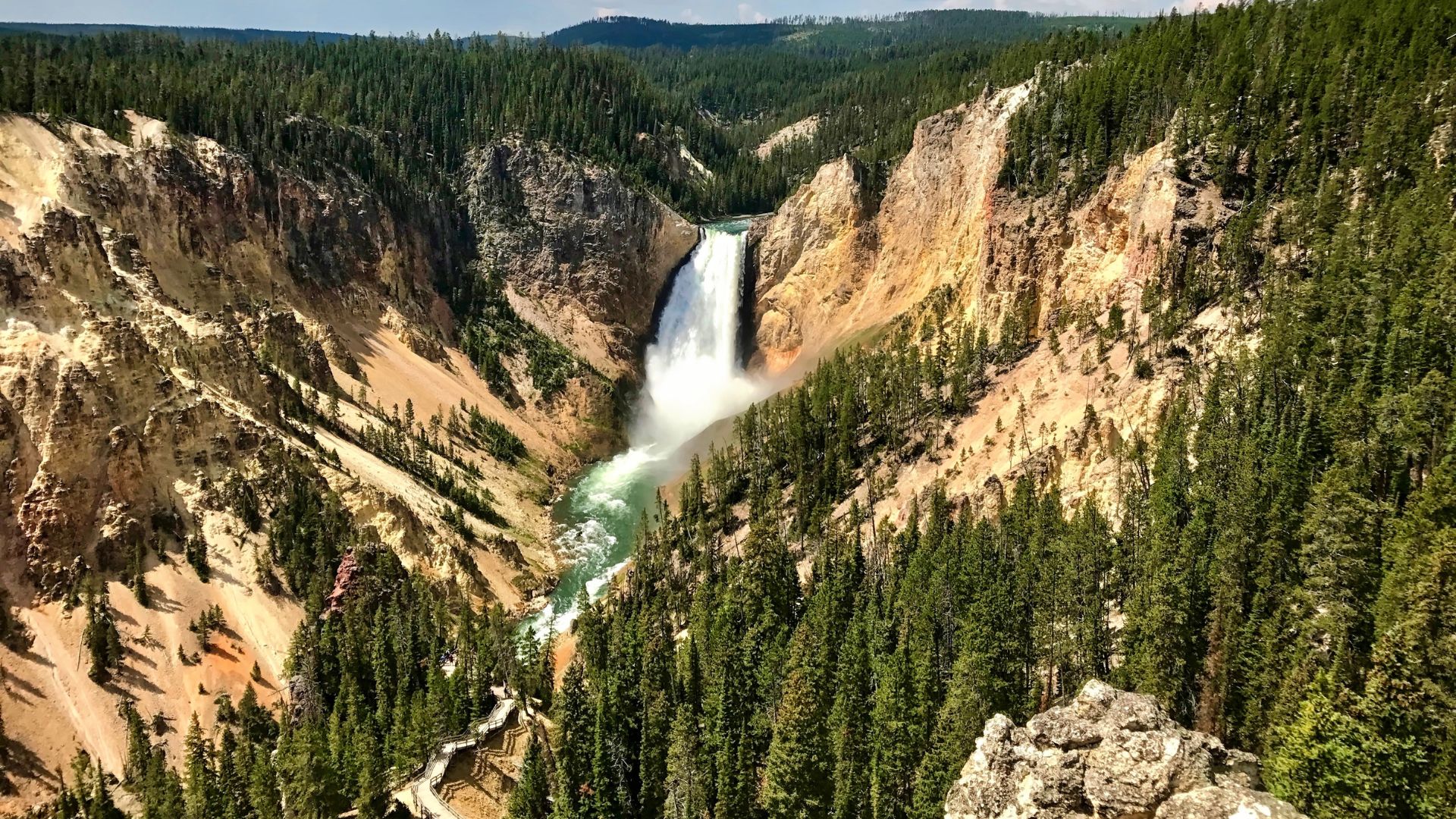
3) Yellowstone National Park, Wyoming, USA
Yellowstone claims the title of the world’s first national park, opening back in 1872. It sprawls across parts of Wyoming, Montana, and Idaho—over 2.2 million acres.
You’ll stumble on some of the wildest geothermal sights anywhere. Old Faithful erupts like clockwork, shooting water into the sky. Hot springs, bubbling mud pots, and geysers pop up all over the place.
The Grand Canyon of the Yellowstone? Those views and waterfalls are something else. Wildlife watching here is top-notch; you might spot bison, elk, bears, or even wolves.
Forests, rivers, lakes—it’s all here. Give yourself a few days to really see the highlights. Don’t skip Norris Geyser Basin, Lamar Valley for animals, or Yellowstone Lake.
Seasons make a big difference. Summer’s busy but everything’s open. Spring and fall bring fewer crowds and more active wildlife. Winter covers the park in snow, and you can only get around by snowcoach or snowmobile. It’s magical in a totally different way.
4) San Francisco and the Golden Gate Bridge, California, USA
San Francisco’s got this cool blend of culture, history, and natural beauty. The city’s basically surrounded by water, so you get killer views from almost anywhere.
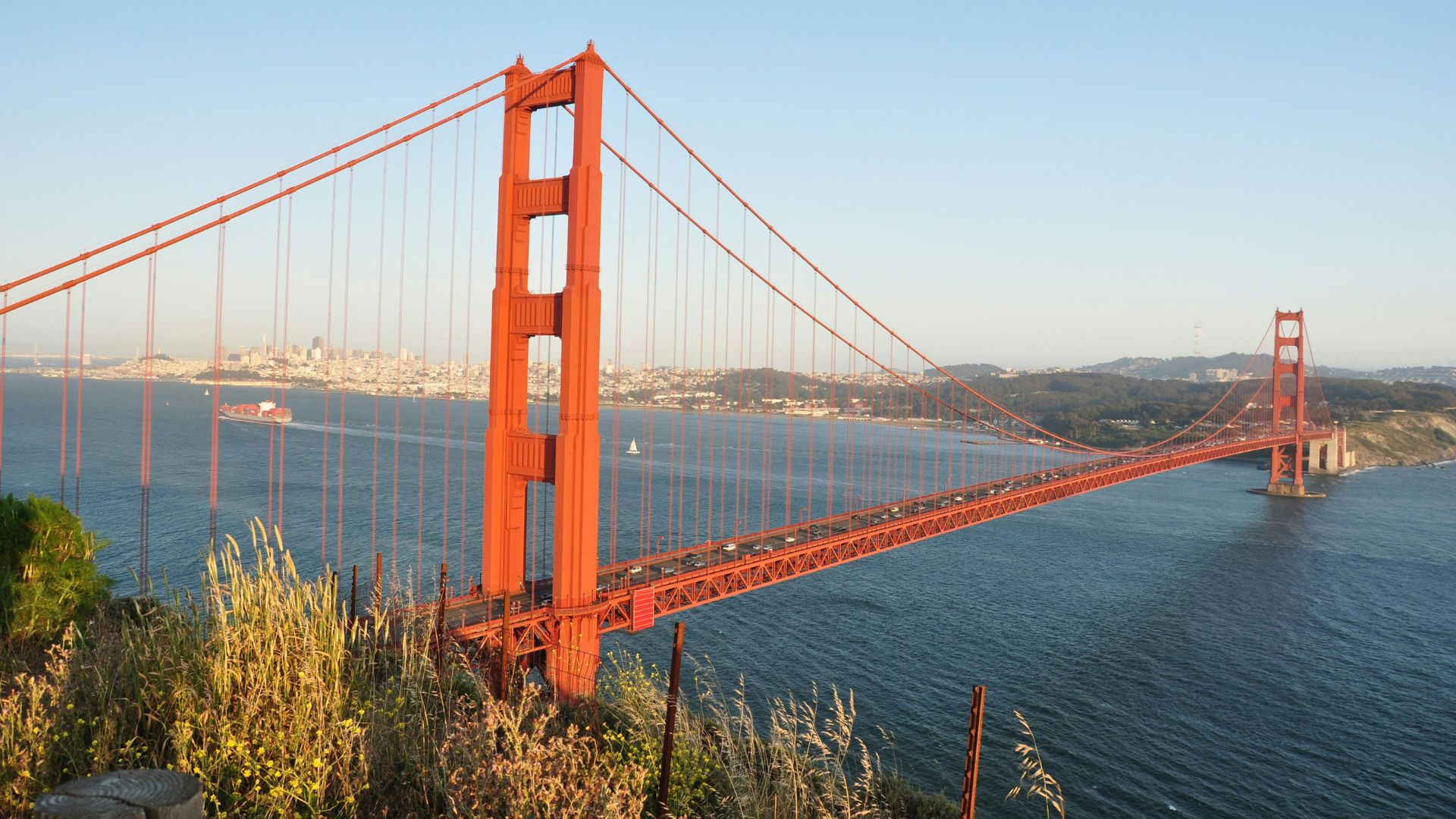
The Golden Gate Bridge steals the show, though. This bright orange suspension bridge stretches a mile across the bay, connecting San Francisco to Marin County. Its towers soar 746 feet above the water.
You can walk or bike across for those iconic photos. Drive over to reach the Marin headlands or just admire it from parks and neighborhoods nearby.
They finished building it in 1937, and at the time, it was the tallest and longest suspension bridge in the world.
But there’s more than just the bridge. Hop on a cable car, wander through quirky neighborhoods, or check out the waterfront. The city’s small enough that you can pack in a lot, even on a short trip.
5) New Orleans French Quarter, Louisiana, USA
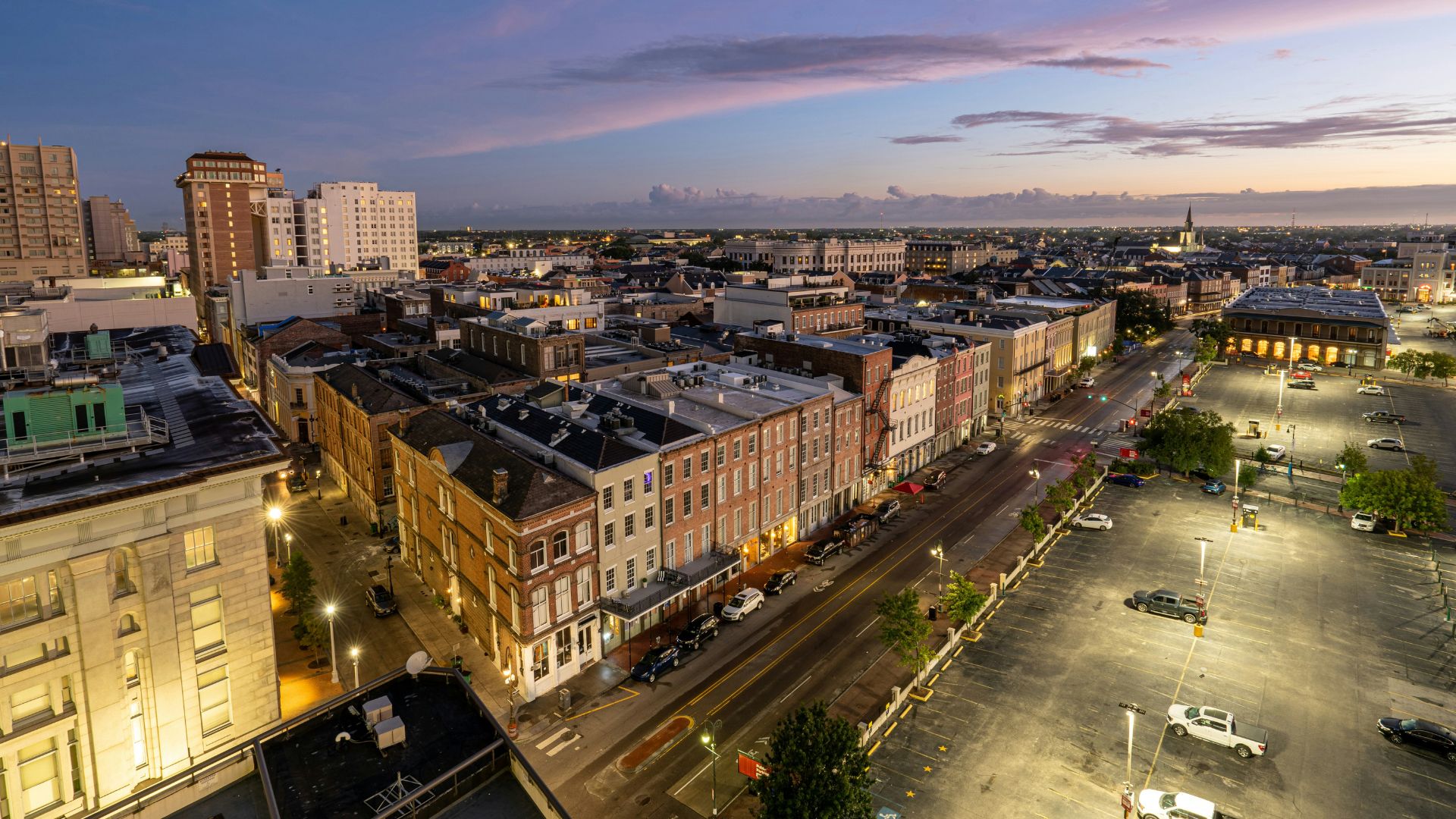
The French Quarter is where New Orleans really comes alive. Established in 1718, it’s all Spanish-Creole architecture and streets that pulse with live jazz.
Jackson Square sits at the center, full of street performers and artists. The St. Louis Cathedral towers over everything, instantly recognizable.
Bourbon Street gets loud at night, but there’s so much more beyond that. Grab beignets at a local café, browse funky shops, or just wander and take in the colorful buildings.
The neighborhood mashes up French, Spanish, and Creole influences in a way you won’t find anywhere else. You’ll taste it in the food and feel it in the music.
Walking tours are a fun way to dig into the Quarter’s history with a local guide. Or hop on a riverboat or pop into a museum. The French Quarter gives you the real flavor of New Orleans.
6) Maui, Hawaii, USA
Maui’s one of those places that makes you wonder if you’re dreaming. It’s got volcanic landscapes, lush beaches, and water so clear you’ll want to dive right in.
Driving the Road to Hana is a must. Waterfalls, ocean views, hairpin turns—the journey’s half the fun and takes most of a day.
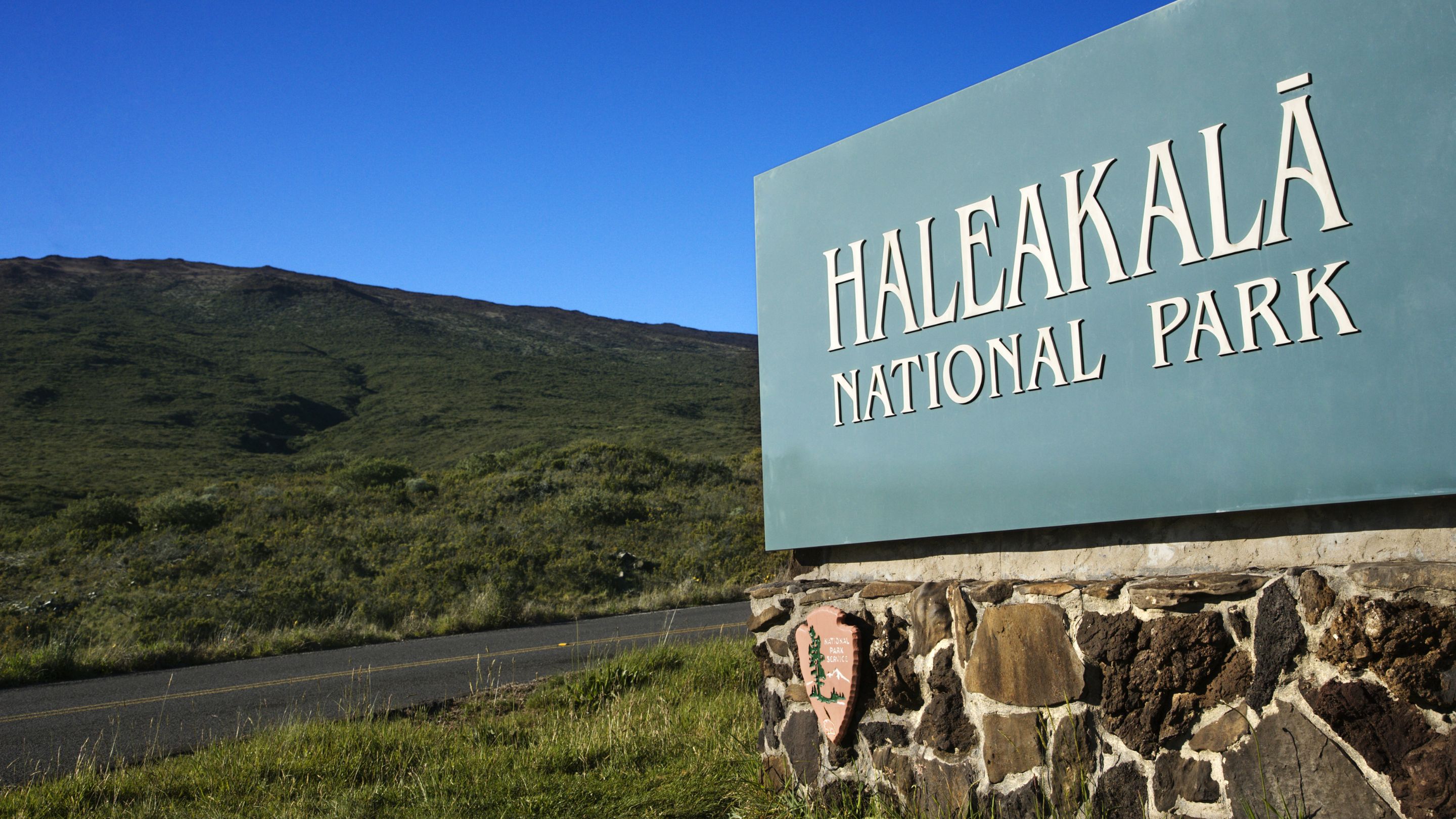
Haleakala National Park sits in the island’s heart. Watching sunrise from the summit feels almost otherworldly, but you’ll need to reserve in advance. Hiking through the volcanic crater is unforgettable.
The beaches are perfect for snorkeling and swimming. If you’re lucky, you’ll spot sea turtles just offshore. Kaanapali Beach stands out for its calm water and easy access.
Lahaina’s got shops, restaurants, and a bit of history. It’s a great spot to learn about Maui’s past and culture.
Maui works for everyone—whether you want to chill or chase adventure. Mornings exploring, afternoons on the sand… not a bad way to spend a vacation.
7) Washington, D.C. National Monuments, USA
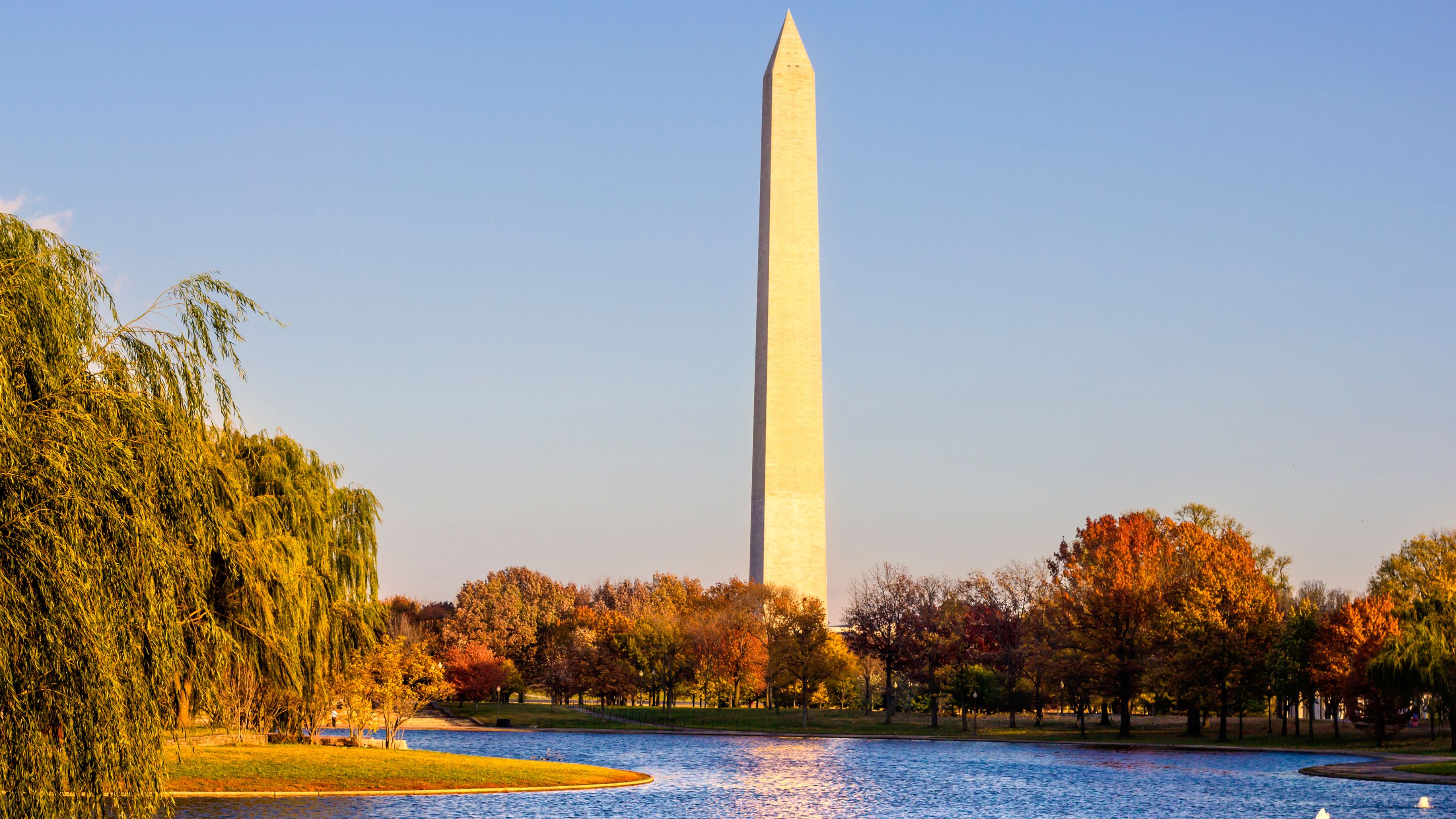
Washington, D.C. is packed with national monuments that tell America’s story. The National Mall stretches from the Capitol to the Lincoln Memorial, and you can walk it all pretty easily.
The Lincoln Memorial, Washington Monument, and Jefferson Memorial are the big ones everyone recognizes. They honor some of the country’s most important figures.
You’ll also find war memorials for World War II, Korea, and Vietnam. Each one shares a different chapter of American service.
More than 25 million people visit the Mall every year. Besides monuments, there are museums and gardens everywhere. You could easily spend a whole day exploring.
The best part? Most monuments are free. They’re open day and night, and honestly, they look incredible when lit up after dark. Wear comfy shoes—you’ll be on your feet a lot.
8) Las Vegas Strip, Nevada, USA
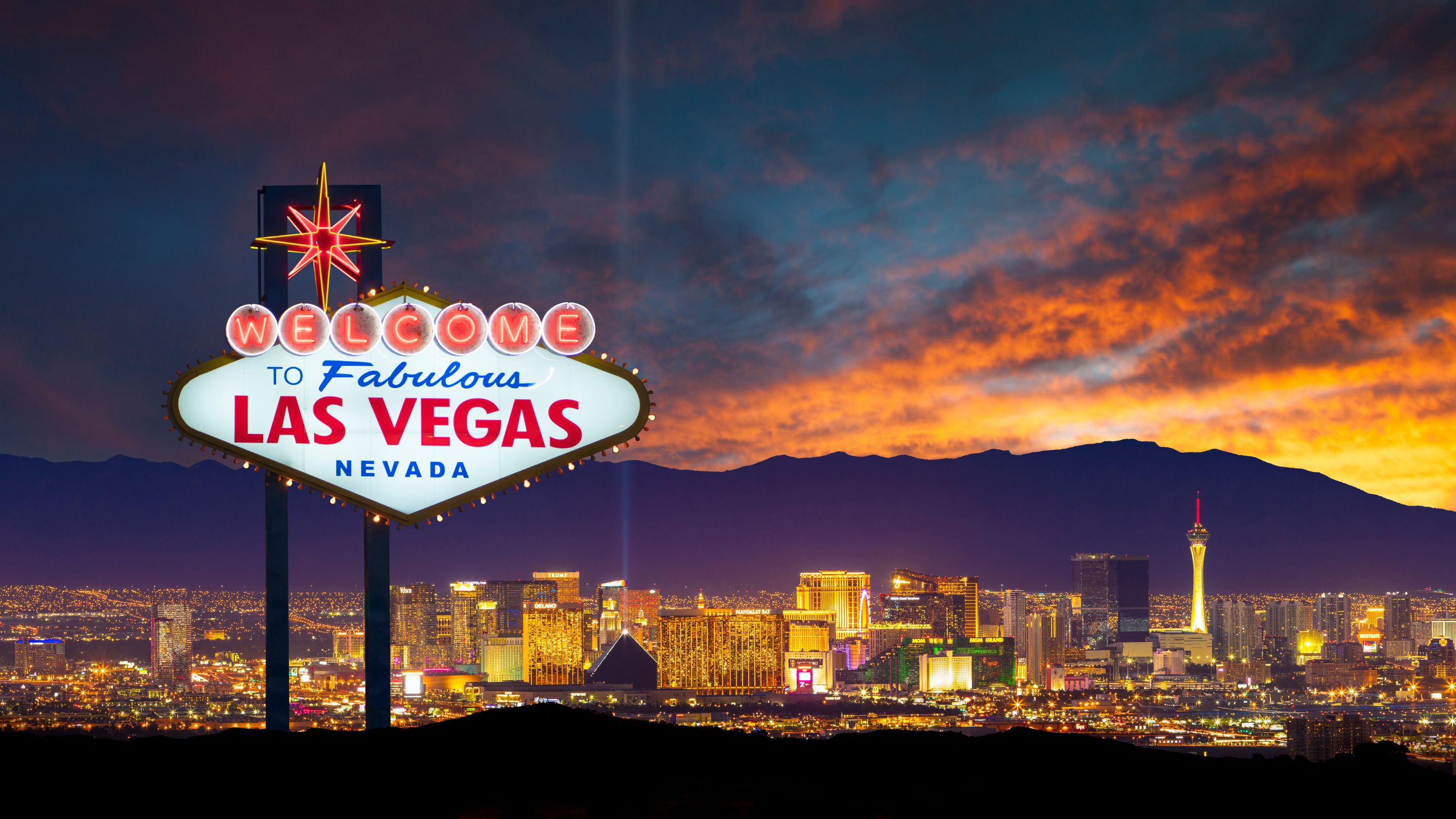
The Las Vegas Strip is a wild ride—4.2 miles of neon, casinos, and over-the-top hotels right in the desert. Each resort has its own crazy theme and personality.
You can catch the Bellagio Fountains’ water shows for free, every 15 to 30 minutes. Inside the hotels, you’ll find replicas of the Eiffel Tower and even Venetian canals.
There’s a lot more than gambling here. World-class shows, celebrity chef restaurants, and attractions like the High Roller observation wheel keep things interesting. At night, the lights and energy are unlike anywhere else.
If you want a break from the Strip, take a day trip to Red Rock Canyon or check out Fremont Street downtown. Vegas is a hub for entertainment, food, and just plain people-watching.
9) Napa Valley Wine Country, California, USA
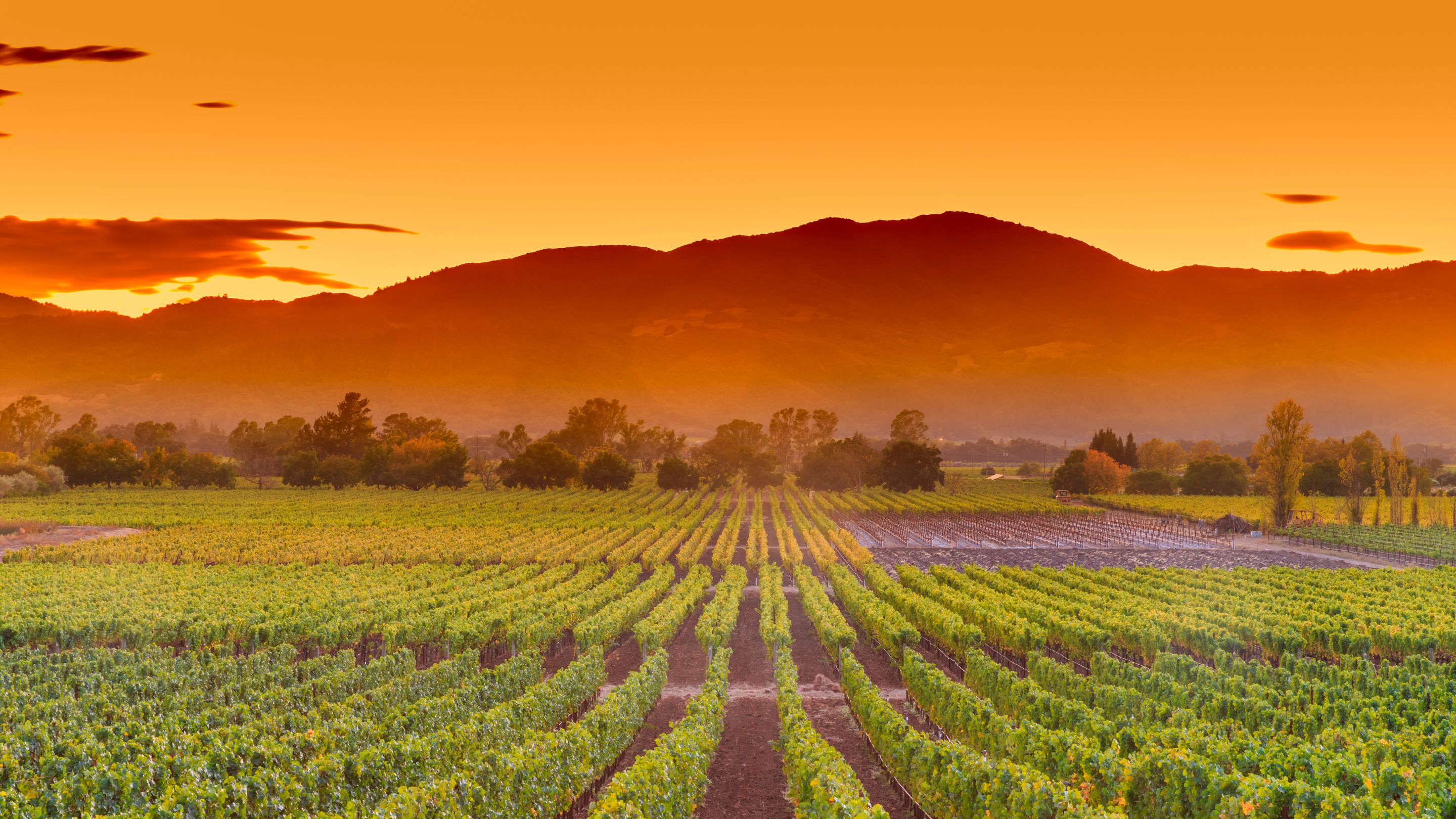
Napa Valley sits just north of San Francisco and pretty much defines wine country in America. Rolling vineyards, award-winning wineries, and world-class Cabernet Sauvignon? Yes, please.
There’s more than wine tasting here. Try a sunrise hot air balloon ride over the vineyards or grab a meal at a farm-to-table restaurant. Scenic drives show off California’s beauty.
If it’s your first time, give yourself at least three days. Visit both the big-name wineries and the smaller, family-run places. Many offer tours so you can see how wine goes from grape to bottle.
Need a break from wine? There are spas, hiking trails, and art galleries. Towns like Yountville and St. Helena have charming main streets with boutiques and cafes.
Napa works as a weekend escape or a longer trip. The mix of wine, food, and scenery makes it a spot you’ll want to come back to.
10) Sedona Red Rock Country, Arizona, USA
Sedona sits right in the heart of towering red sandstone formations that seem to glow orange and crimson when the sun rises or sets. Honestly, the red rocks create a landscape that feels almost otherworldly.
I love how you can pick from dozens of hiking trails that twist through canyons and wind around those incredible rock formations. Cathedral Rock and Devil’s Bridge? They’re classics, and the views will knock your socks off.
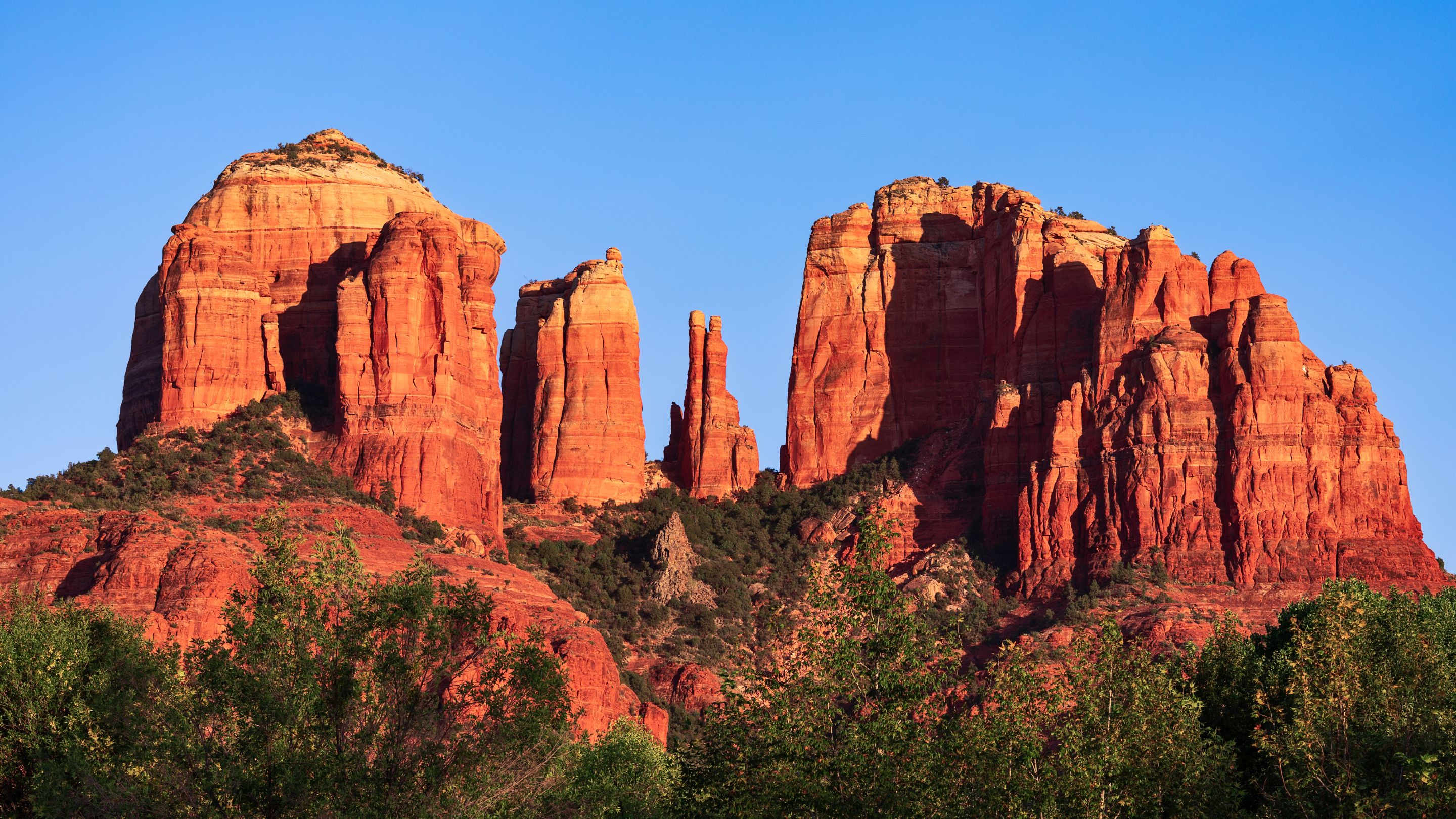
Some trails feel like a gentle stroll, while others make you break a sweat. Oak Creek cuts through the area, offering a cool escape from the desert heat.
On hot days, I’ve waded in natural pools or just chilled by the water’s edge. Sedona also draws folks searching for spiritual energy—lots of people talk about vortexes and a special vibe in the air.
Even if you don’t buy into that, the peace and quiet here are hard to beat. The town itself buzzes with art galleries, cozy restaurants, and quirky shops.
If hiking isn’t your thing, hop on a jeep tour to reach more remote spots. I recommend visiting in spring or fall—the weather feels perfect then.
Summer can get brutally hot, but early mornings still offer pleasant adventures.
11) Paris, France
Paris just has this magic—a mix of history, art, and culture you can’t quite find anywhere else. The Eiffel Tower stands tall as the city’s icon, and let’s be honest, it’s hard not to feel a little awestruck seeing it up close.
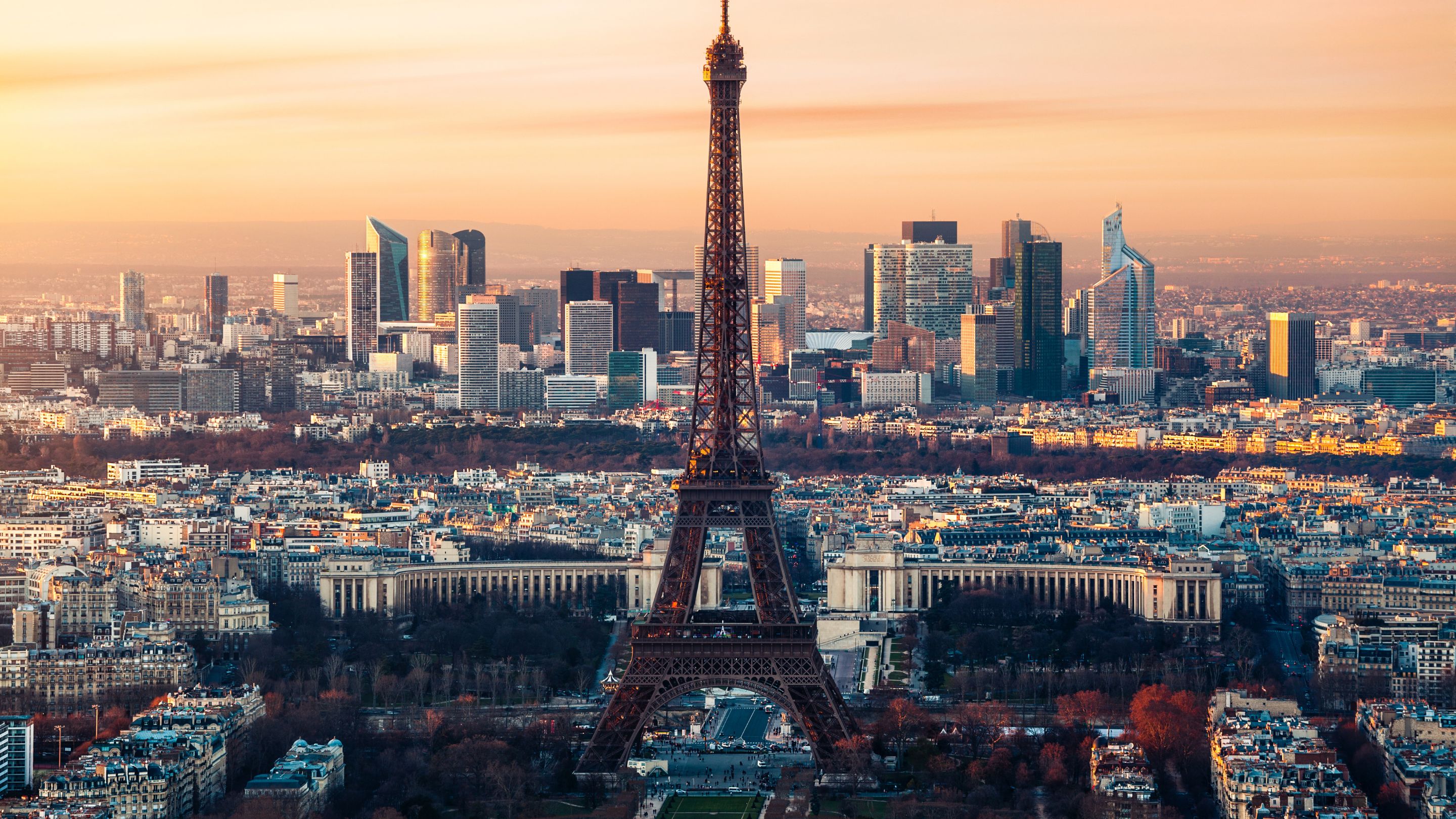
You can spend hours wandering world-class museums like the Louvre and getting lost among masterpieces (the Mona Lisa is smaller than you’d think!). Notre-Dame’s Gothic details and the Arc de Triomphe’s grandeur both tell stories of France’s past.
Every neighborhood feels different. Sometimes I just stroll along the Seine, browse the bookstalls, or relax at a sidewalk café with a pastry.
The Palace of Versailles sits right outside Paris and gives you a glimpse into royal life on a grand scale. For something different, venture underground to the Catacombs or climb up to Montmartre for sweeping city views.
Paris hides gardens, monuments, and secret corners in every district. The mix of iconic landmarks, museums, and those charming neighborhoods means you’ll never run out of places to explore.
Even after days in Paris, I always stumble on something new.
12) Amalfi Coast, Italy
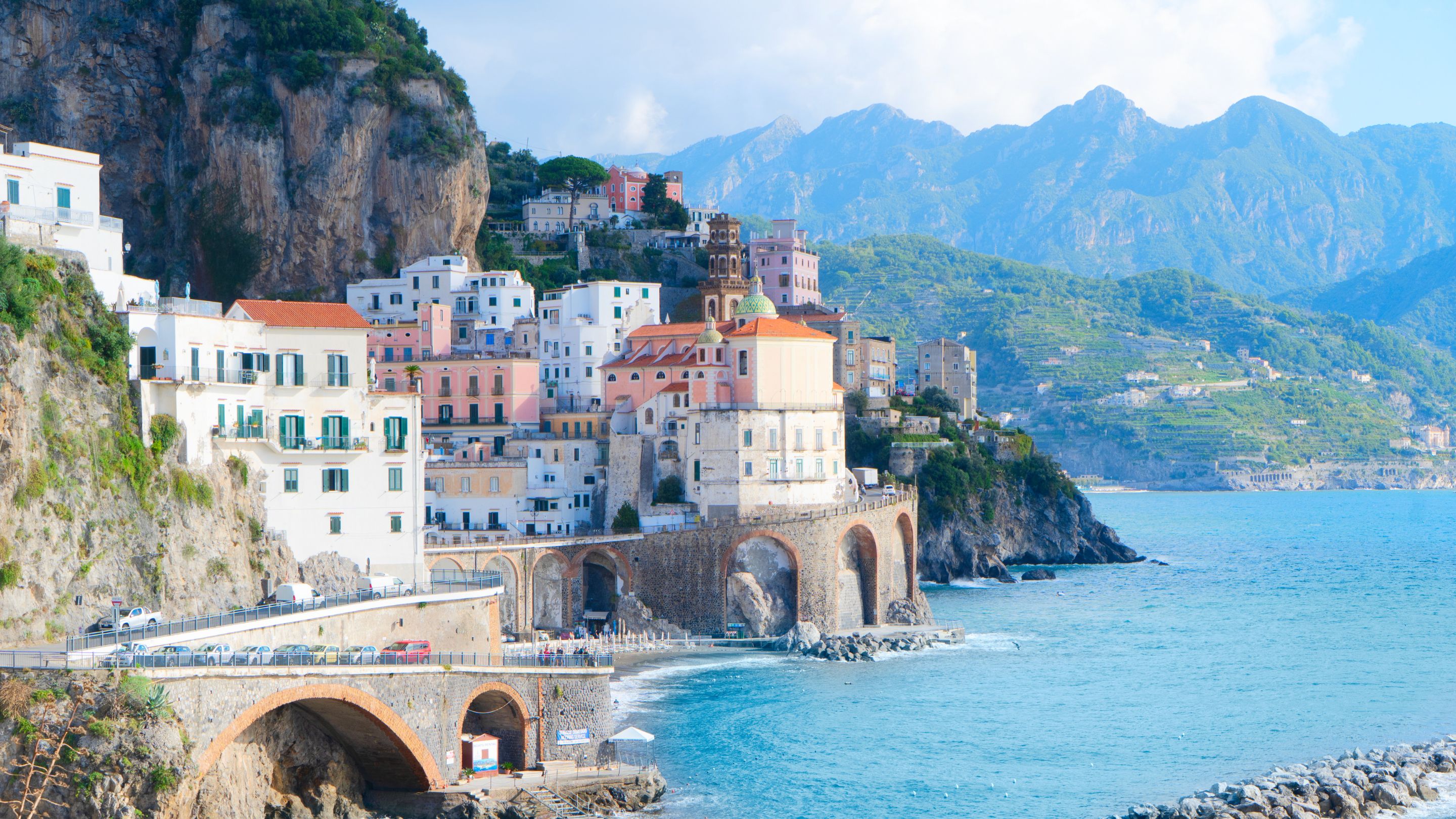
The Amalfi Coast stretches along southern Italy with cliffs that plunge into sparkling blue water. Each colorful village clings to the hillsides, and every town has its own personality.
Positano stands out with pastel buildings stacked up the cliffs. I love meandering through the narrow lanes, popping into little shops, or just lounging on the beach below.
Ravello perches high above the sea, and honestly, the views up there are worth the climb. The gardens and historic villas feel like something out of a dream.
Food here? It’s all about fresh seafood and lemons. Lemon groves blanket the hills, and limoncello is everywhere.
Getting around takes a bit of patience—the roads are narrow and twisty. I usually hop on a bus or boat to travel between towns.
Spring and fall make the best times to visit. Fewer crowds and mild weather let you actually enjoy the place.
You can hike along coastal trails, wander into old churches, or just soak up the views from a café.
13) Machu Picchu, Peru
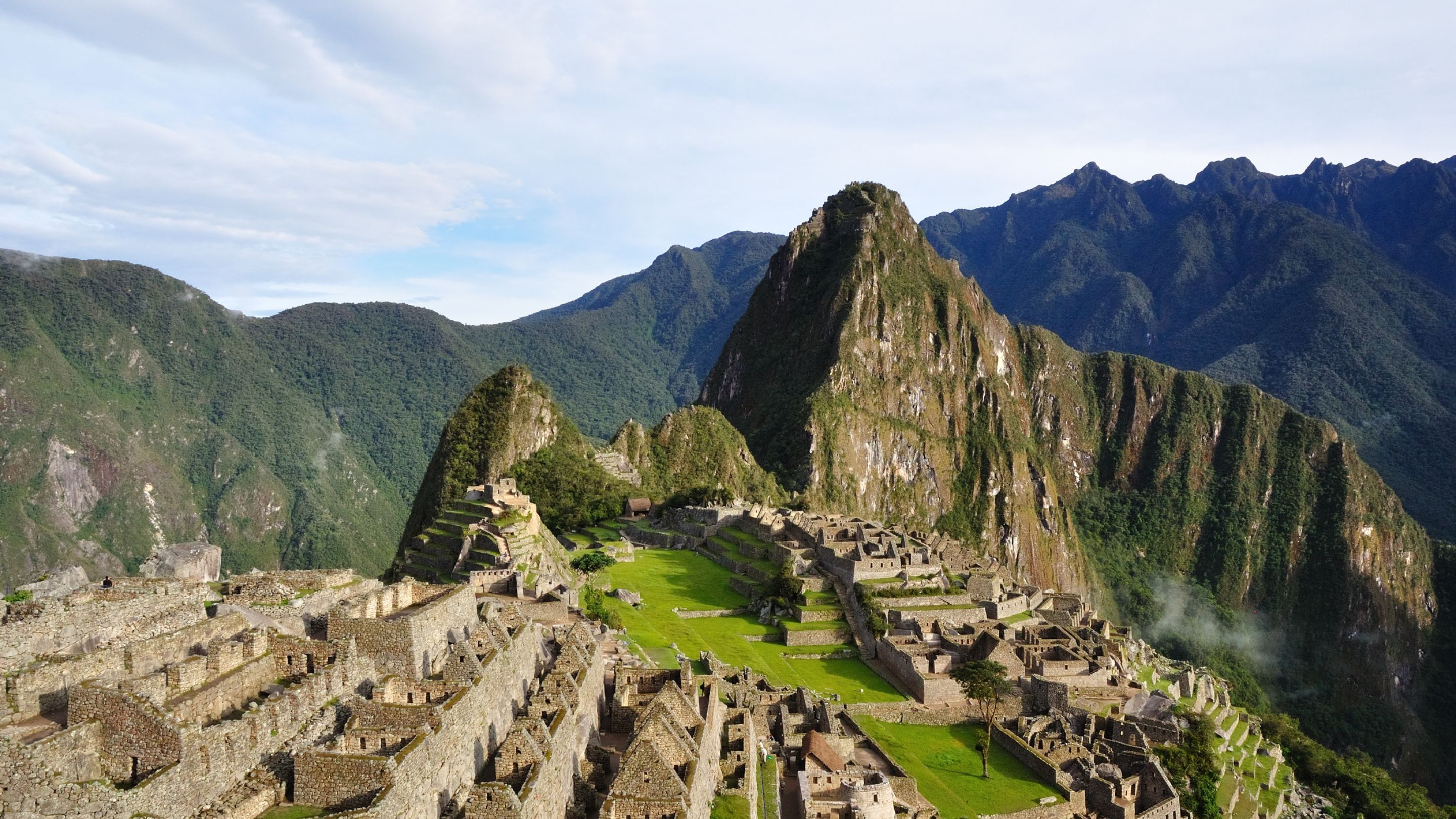
Machu Picchu stands as the ultimate symbol of the Inca civilization and one of the New 7 Wonders of the World. “Old Mountain” in Quechua, this 15th-century citadel sits high in the Andes, shrouded in mist and mystery.
When you arrive, you’ll wander through one of South America’s most important archaeological sites. The Temple of the Sun and Intihuatana Stone both feel like must-sees.
Planning ahead is key here. You can’t just show up—tickets sell out early, and you need to pick which areas you want to explore since access works through different circuits.
People from all over the globe come to see where the Inca people once lived. Walking among ancient stone structures with those mountain views? It’s the kind of moment you remember forever.
Getting there takes effort. First, you travel to Cusco, then continue on to Machu Picchu itself.
The journey is a bit of a trek, but trust me, seeing that lost city in person is worth every step.
14) London, England
London weaves together a thousand years of history with modern life and endless things to do. Here, you can step into the past one minute and sip a trendy coffee the next.
Start at the Tower of London to see the Crown Jewels and hear tales of royalty and intrigue. Buckingham Palace gives you another peek into British tradition, especially if you catch the Changing of the Guard.
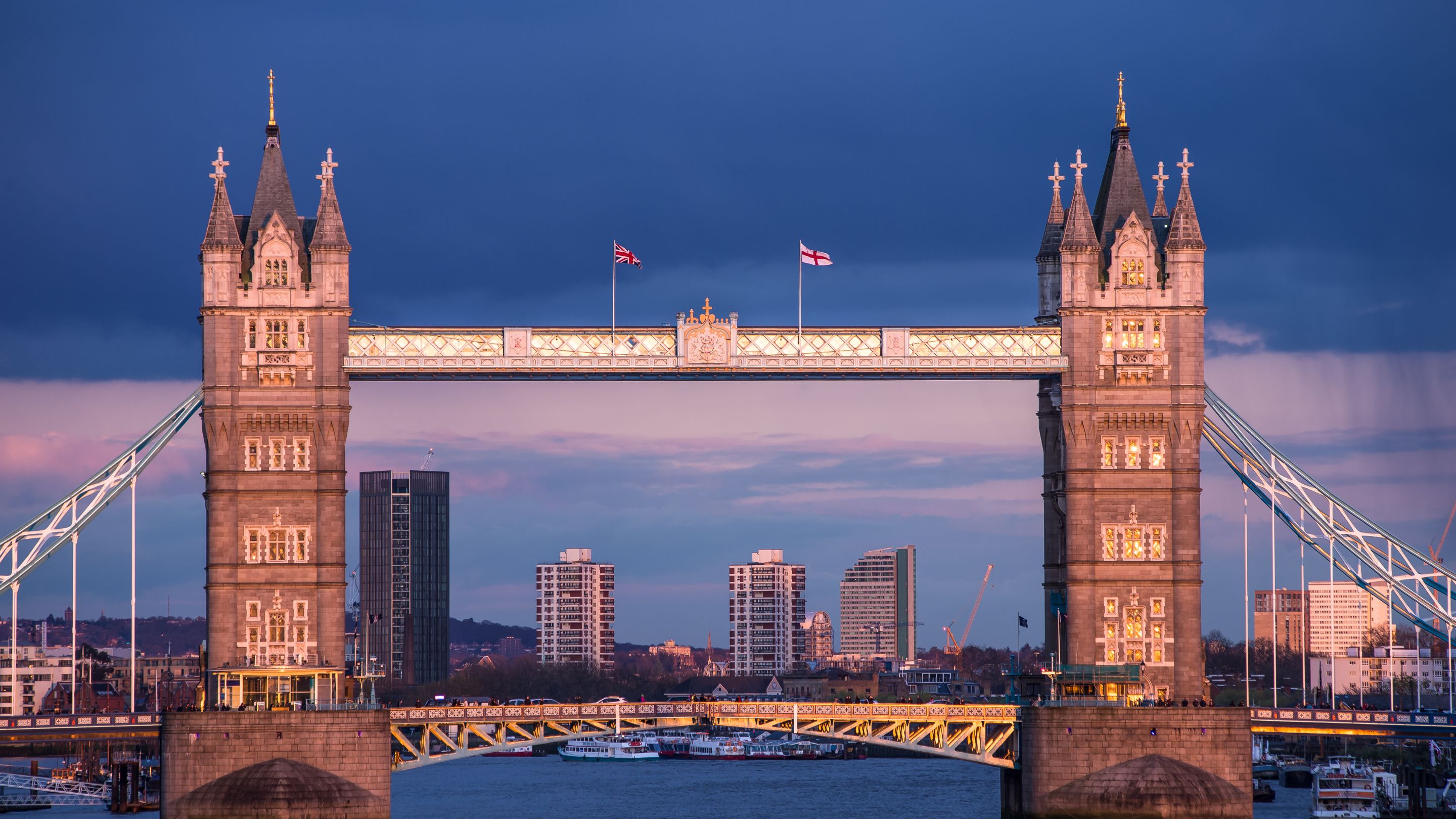
London’s famous bridges and grand buildings shape the city’s skyline. Tower Bridge and the Houses of Parliament are impossible to miss.
You can treat yourself to afternoon tea at a classic hotel or tearoom—think tea, tiny sandwiches, and scones with clotted cream. It’s a little ritual that feels very British.
Each neighborhood has its own vibe. I love wandering through markets, poking into museums, or finding local shops tucked down side streets.
The British Museum and National Gallery both offer world-class art collections, and you don’t even have to pay to get in. In London, you can visit centuries-old churches, modern skyscrapers, and sprawling parks—all in the same day.
15) Tokyo, Japan
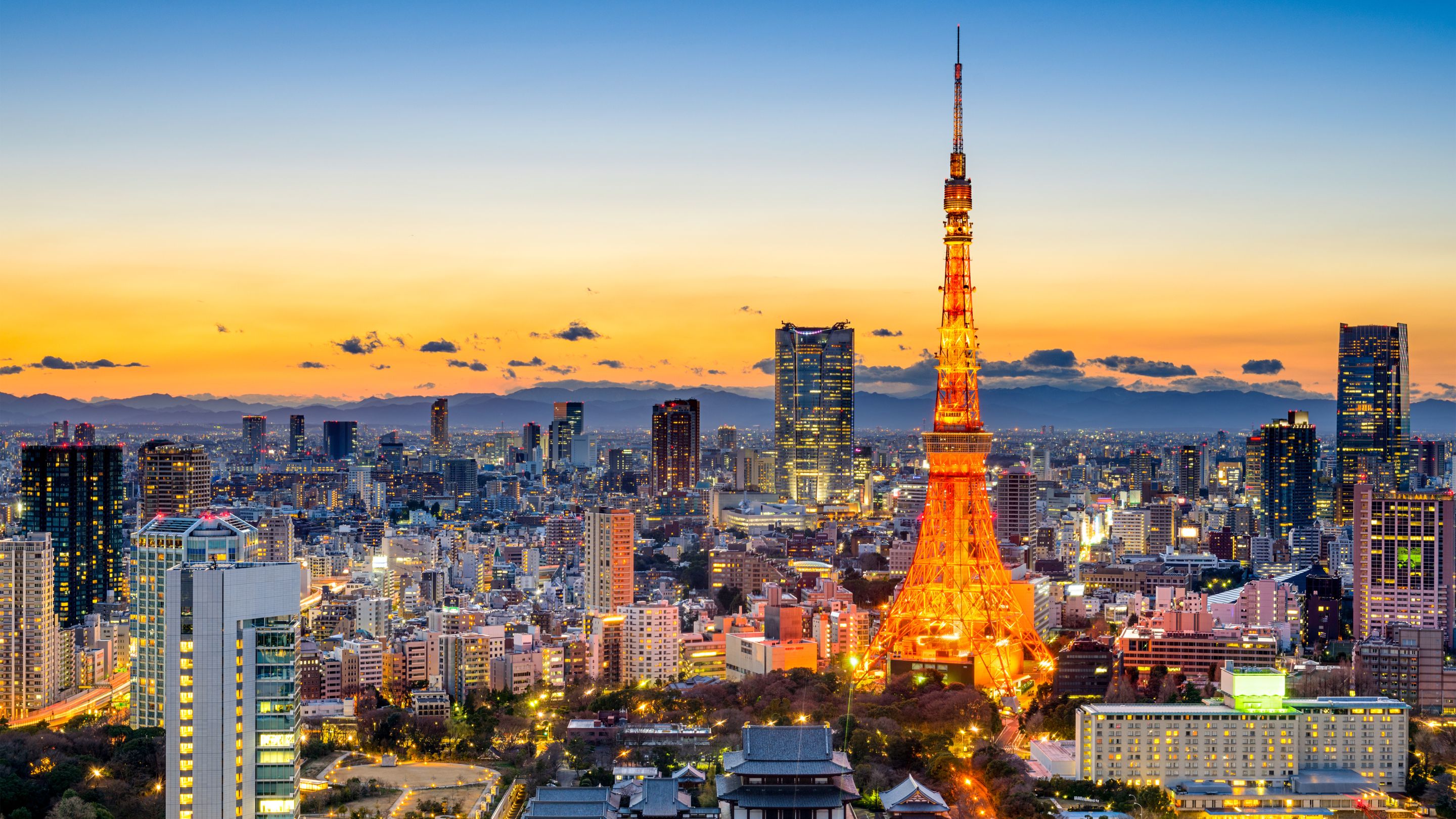
Tokyo somehow blends ancient traditions with futuristic tech in a way that just works. Every neighborhood has its own flavor, from the chaos of Shibuya crossing to the calm at Senso-ji Temple.
I like starting mornings with a quiet shrine visit, then diving into neon-lit districts at night for food and fun. The city’s public transit makes getting around a breeze—even if you don’t speak a word of Japanese.
Tokyo’s food scene is wild. You can grab street food, slurp ramen, or splurge on sushi that’s almost too pretty to eat.
There are museums, lush parks, and shopping districts like Harajuku and Akihabara that feel totally unique. One day, you might try a tea ceremony; the next, you’re in a futuristic arcade.
Tokyo welcomes millions of visitors but still keeps its own identity. The city feels safe, clean, and packed with experiences you just can’t find anywhere else.
16) Santorini, Greece
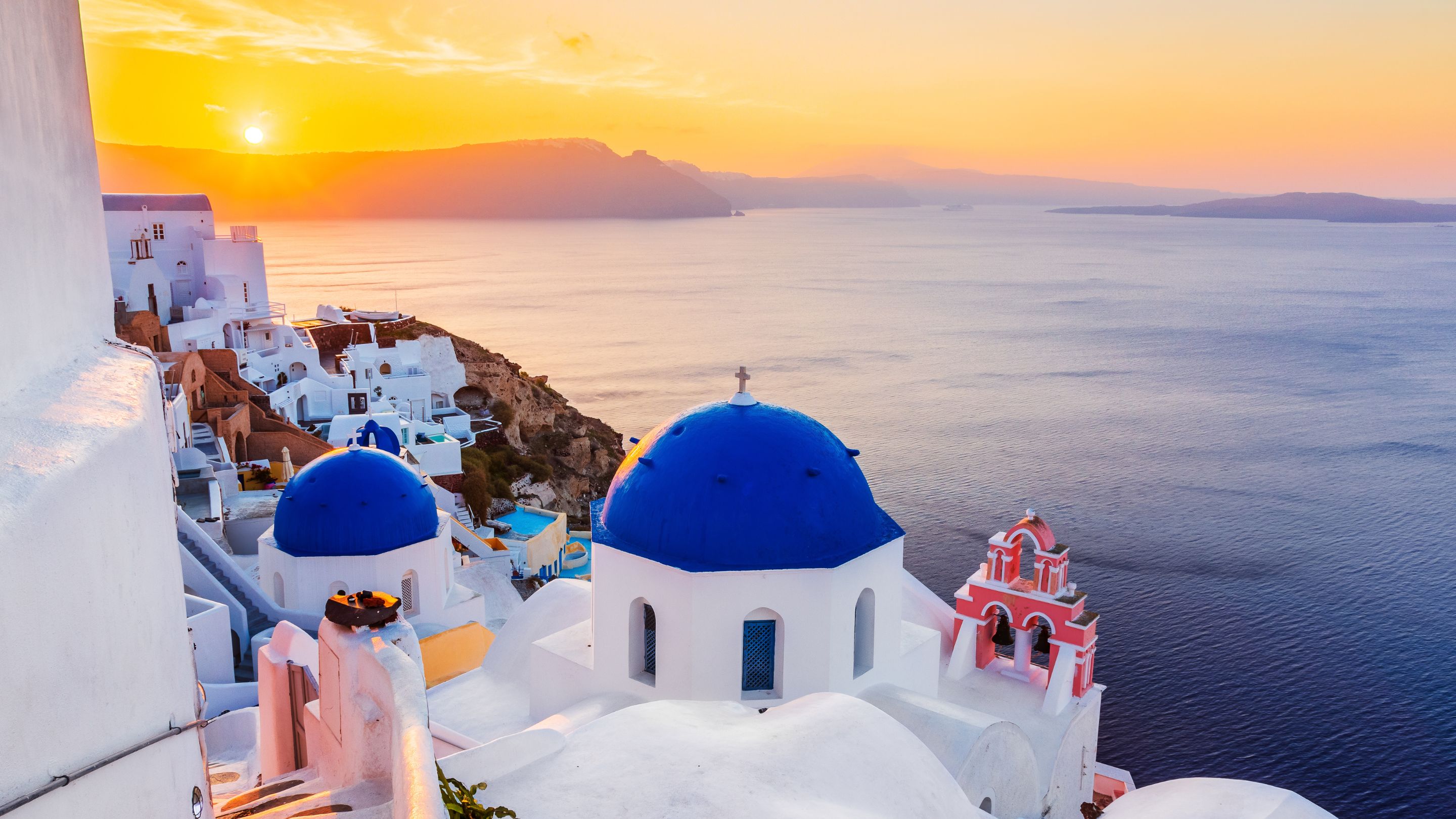
Santorini, perched in the Aegean Sea, is probably Greece’s most photogenic island. Those white buildings and blue-domed churches, set against dark volcanic cliffs, create views you’ll remember forever.
You can wander through several towns here. Oia is famous for sunsets that attract crowds from all over, while Fira serves as the island’s lively center with plenty of shops and places to eat.
Santorini’s volcanic past shaped its wild landscape. You can chill on black or red sand beaches or take a boat tour to the volcanic crater in the caldera.
Wine lovers will find plenty of local wineries to explore. The volcanic soil gives the grapes a unique kick, and the island’s tavernas serve up classic Greek food.
Santorini works for all kinds of travelers. You can lounge on beaches, hike between towns, or dig into the island’s history.
The blend of natural beauty and traditional culture makes Santorini a must, at least once in your life.
17) Great Wall of China, China
The Great Wall of China stretches more than 13,000 miles across the country’s north. This massive structure stands as one of humanity’s most mind-blowing engineering feats.
Over centuries, different Chinese states and empires built sections of the wall to defend their lands from northern threats. Some parts go back thousands of years, which is wild to think about.
When you visit, you’ll find several sections open to tourists. Each spot feels a little different.
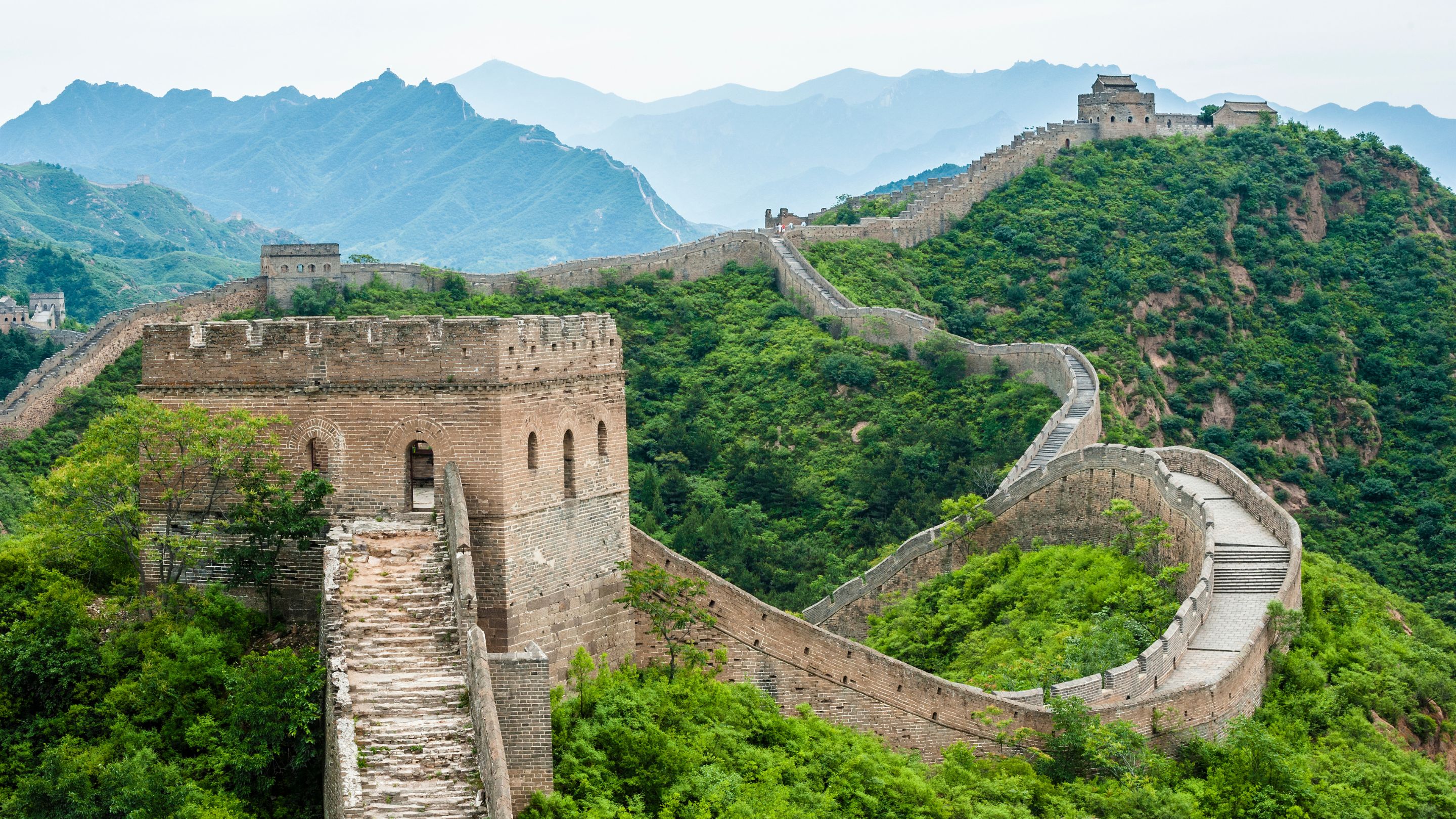
Some areas are well-restored and easy to walk, while others stay rugged and untamed. The wall snakes through mountains and valleys, offering sweeping views.
You can walk along ancient stones and climb watchtowers where guards once stood. The sheer scale of the wall, built without modern machinery, is hard to wrap your head around.
Planning your trip takes a little research. Pick a section that matches your style—distance from Beijing, crowd levels, and hiking difficulty all matter.
Most people use Beijing as a base, since it’s close to the most popular sections.
18) Bali, Indonesia
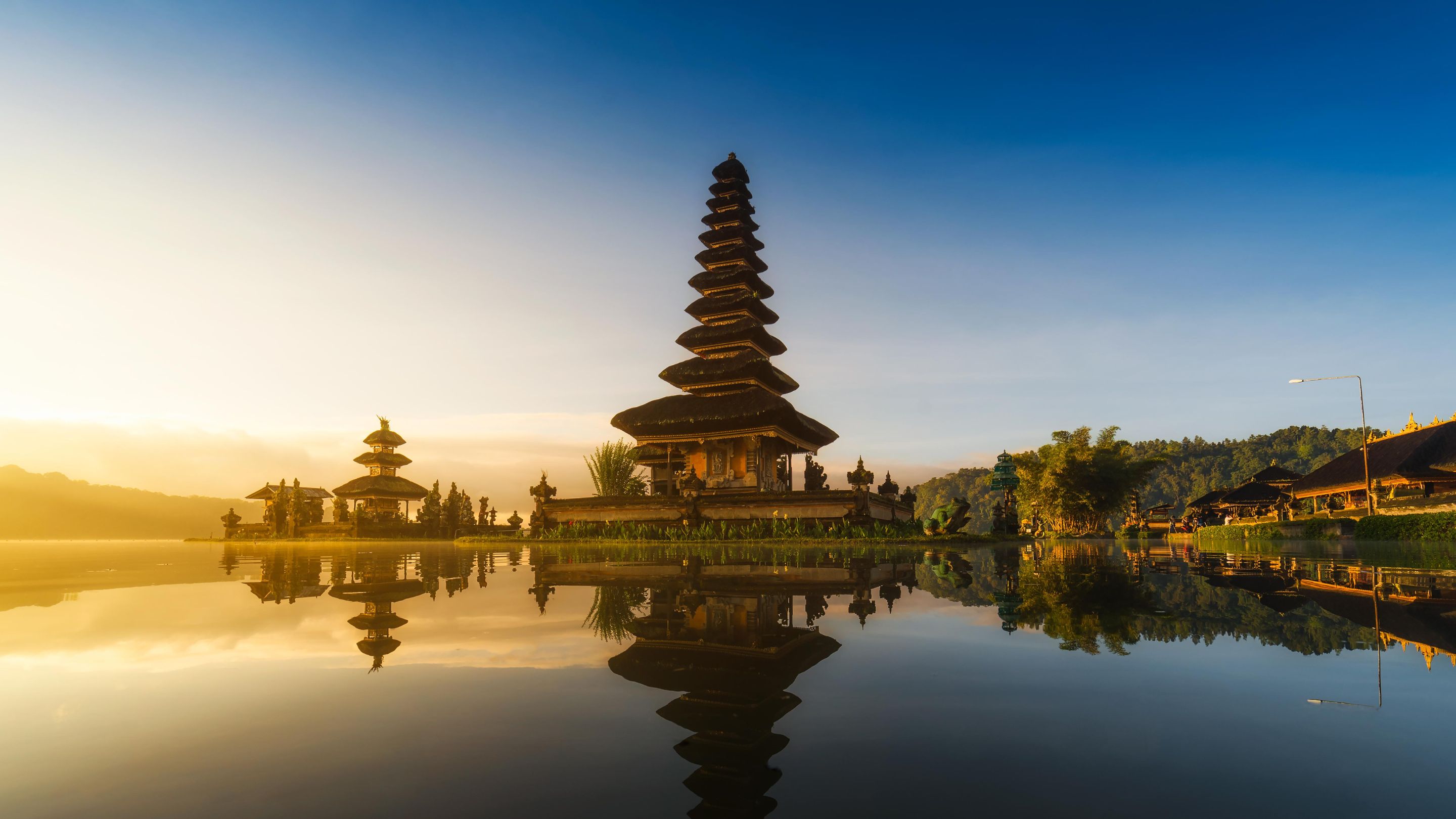
Bali is a mix of lush nature, ancient temples, and vibrant culture that’s hard to find anywhere else.
You’ll see everything from rice terraces and volcanoes to gorgeous beaches and coral reefs. Bali’s spiritual side shines through its many temples—Uluwatu and Tanah Lot are two you can’t miss.
You can wander traditional villages where people still practice ancient crafts. Ubud is the island’s cultural heart, packed with art galleries, dance shows, and those famous Tegalalang Rice Terraces.
The beaches each have their own scene. Seminyak is trendy with fancy restaurants and beach clubs, while Nusa Dua is calm and family-friendly.
Surfers flock to Uluwatu and Canggu for killer waves. You can snorkel, hike active volcanoes at sunrise, or take a cooking class to learn Balinese dishes.
Bali works for any budget, whether you’re backpacking or splurging on luxury.
19) Cape Town, South Africa
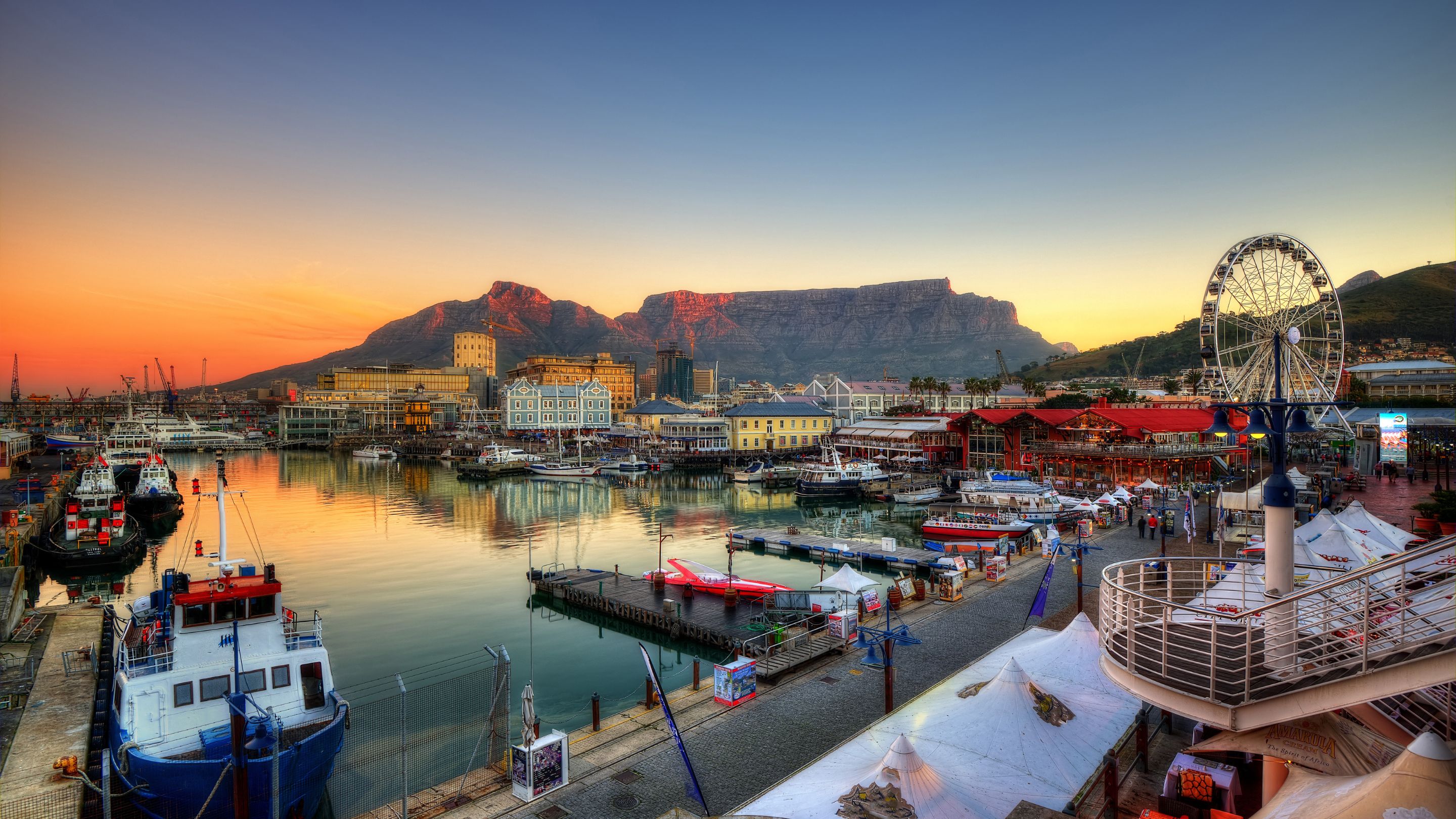
Cape Town sits between the Atlantic Ocean and Table Mountain, giving it one of the most jaw-dropping city backdrops anywhere. You can ride the cable car to the top of Table Mountain for views that stretch forever.
The Victoria & Alfred Waterfront buzzes with shops, restaurants, and harbor views in a revamped port area. Here, you’ll find local South African brands mixed with international favorites.
Boulders Beach is home to African penguins, and you can actually walk right among them. The beach is part of Table Mountain National Park, and there are safe swimming spots alongside the penguin colony.
The Cape of Good Hope marks Africa’s southwestern tip, where you can hike coastal trails and spot wildlife like baboons and ostriches.
Nearby, Muizenberg’s beaches have colorful huts and gentle waves for swimming. Chapman’s Peak Drive hugs dramatic cliffs between Noordhoek and Hout Bay, with plenty of spots to pull over for epic photos.
Cape Town mixes natural beauty with culture and adventure. You can hit the beaches, climb mountains, or explore nearby wine regions—all just a short drive away.
20) Sydney Opera House, Australia
The Sydney Opera House? You can’t mistake it for anything else. Those white, sail-shaped roofs catch the sunlight and practically glow against Sydney Harbour.
There’s more than one way to experience this icon. Each week, over 40 performances fill its halls—opera, ballet, concerts, theater—you name it.
If you’re not in the mood for a show, guided tours pull back the curtain on the Opera House’s wild design and rich history. I remember standing inside, just marveling at how bold and strange it all felt.
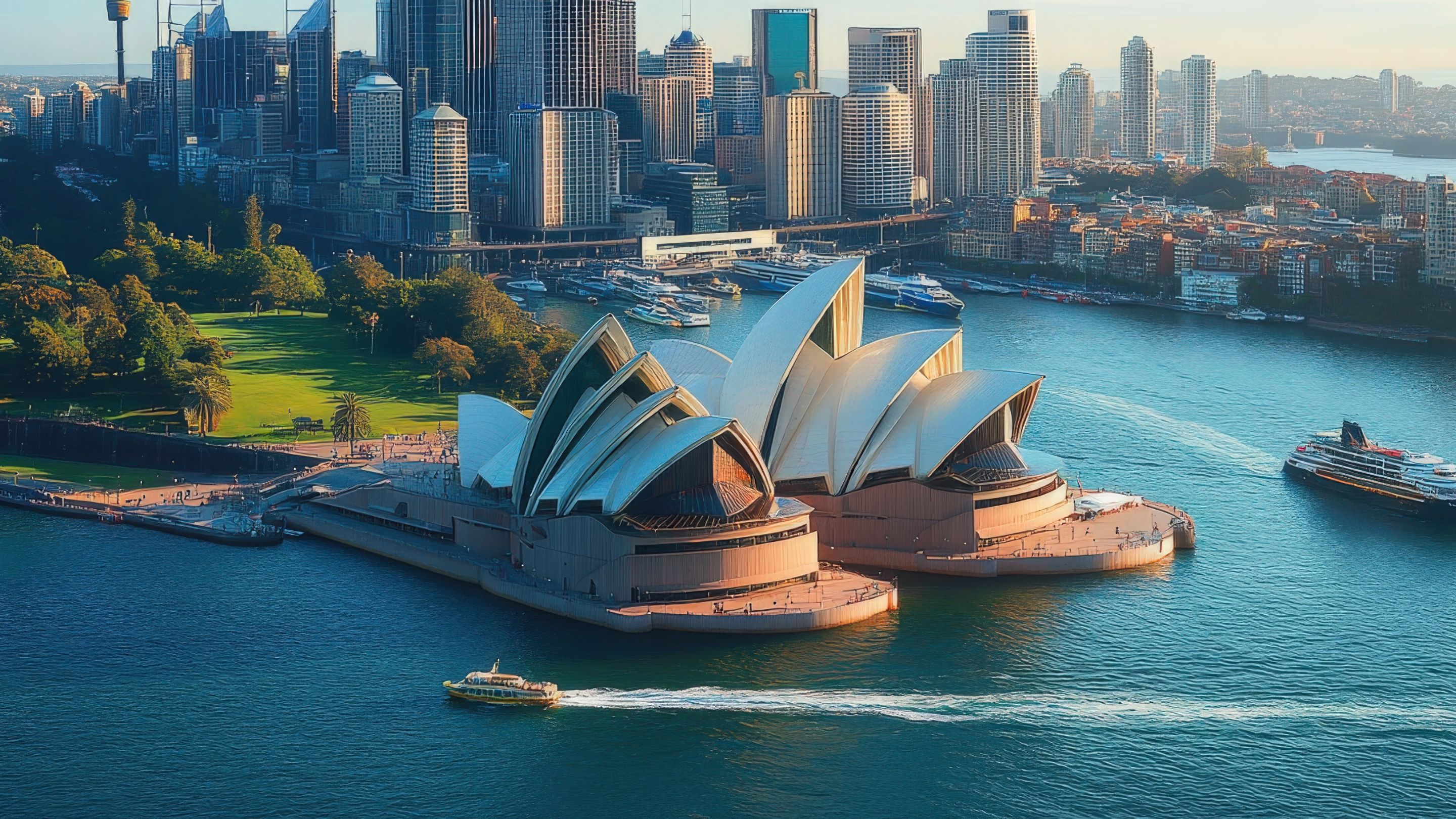
Since opening in 1973, this place has become Australia’s cultural heart. Its architecture broke all the rules, and honestly, it still wows visitors decades later.
Feeling hungry? Multiple dining spots line the waterfront, so you can grab a meal with a killer view. Plus, the Opera House sits right near other Sydney must-sees, making it easy to add to your itinerary.
Whether you catch a performance, wander backstage, or just stare at the exterior from the steps, the Sydney Opera House really should be on your travel list. There’s nothing else quite like it.
21) Reykjavik and the Northern Lights, Iceland
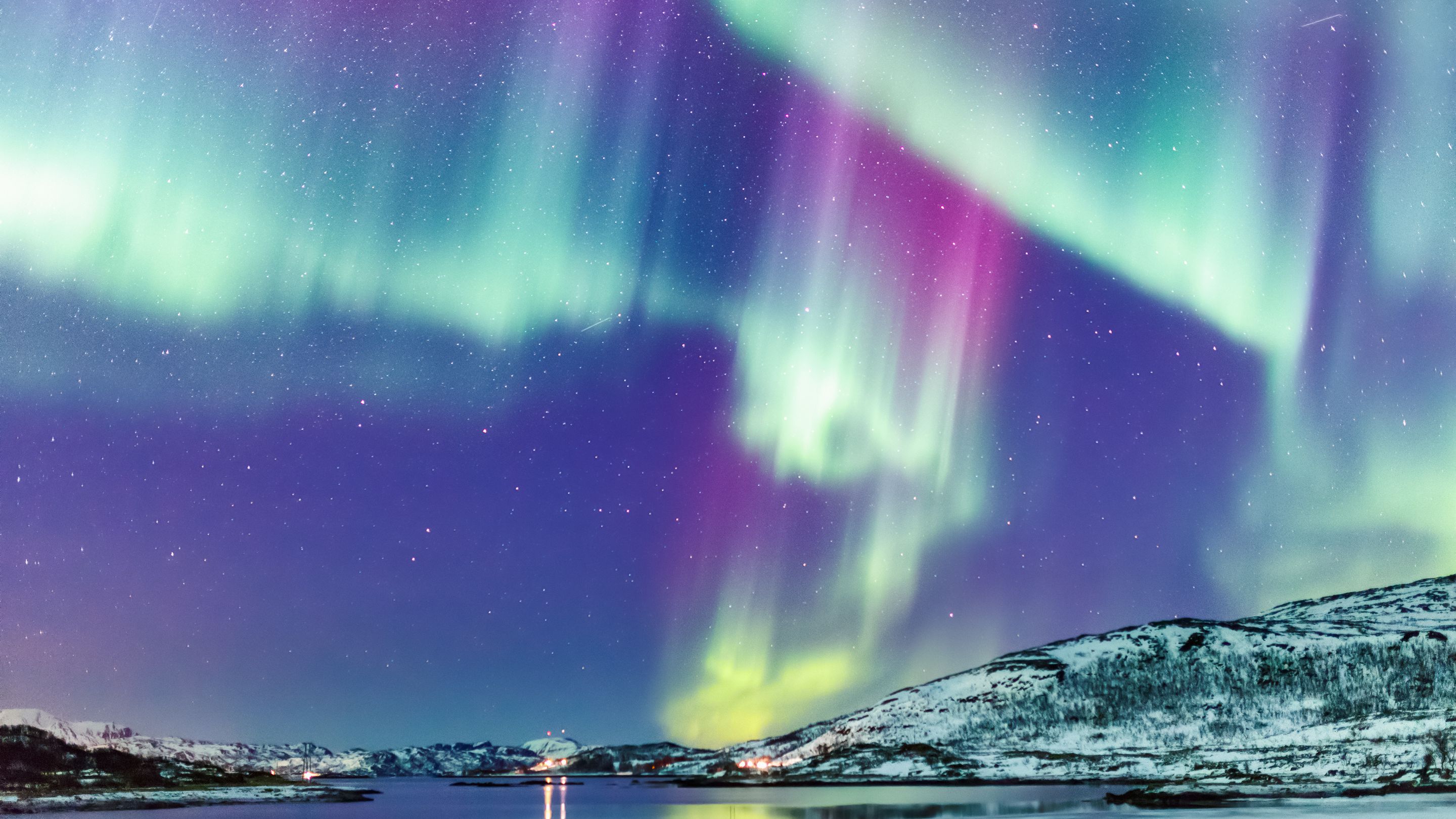
Reykjavik sits way up at 64° north, which means it’s one of the easiest cities to chase the Northern Lights from. The magical light show usually appears from late August through April, when the nights get long and dark again in Iceland.
Solar particles slam into Earth’s atmosphere and—boom—colorful lights swirl overhead. It’s science, but it feels like magic.
You might spot the aurora right from the city, but you’ll get better views if you escape the streetlights. Grótta Lighthouse, Öskjuhlíð Hill, and Viðey Island all sit close to Reykjavik and keep light pollution to a minimum.
Because Iceland’s skies stay pretty dark and clear, it’s a dream spot for aurora viewing. Guided tours can whisk you out to dramatic scenery—think black sand beaches and icy lagoons that reflect the lights—or you can venture out on your own.
Always check the aurora forecast before heading out. Solar activity and cloud cover can make or break your night. When the conditions line up, it’s unforgettable.
22) Rio de Janeiro and Sugarloaf Mountain, Brazil
Rio de Janeiro? It’s got that wow factor—a city squeezed between wild mountains, golden beaches, and lush forest. Sugarloaf Mountain, though, steals the show.
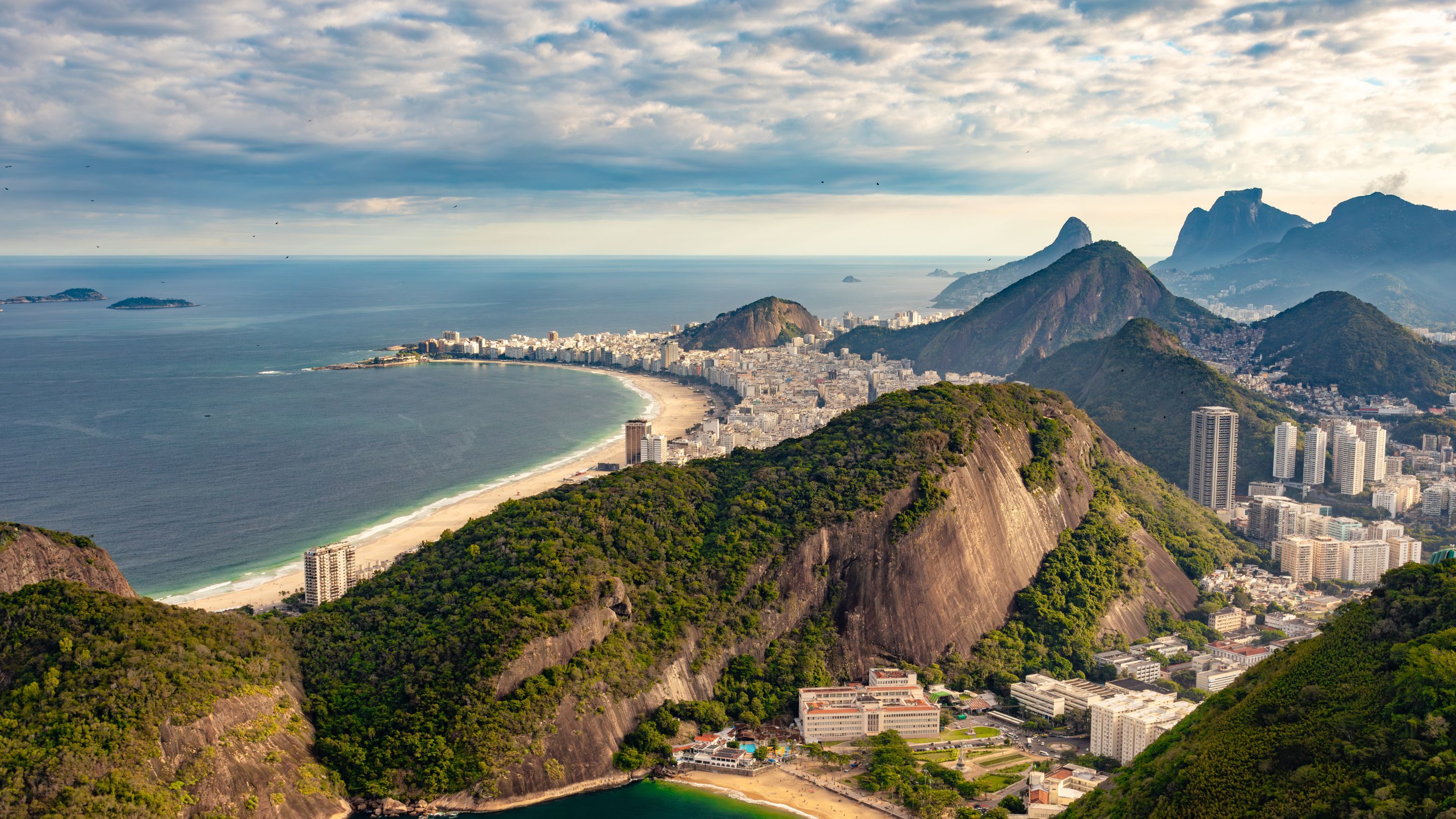
This granite giant rises 396 meters straight up from the water. You can hop on a cable car in two stages: first to Morro da Urca, then up to Sugarloaf’s summit.
At the top, the views stretch across Guanabara Bay, Copacabana Beach, and even out to Christ the Redeemer. The cable car system itself? It’s one of the oldest in the world, so you’re riding a piece of history.
Buy tickets online to dodge the lines. If you’re feeling adventurous, rainforest trails snake up the mountain too, but most folks go for the cable car.
Standing at the peak, you get a 360-degree sweep of Rio’s coastline and cityscape. It’s a must for any Brazil trip.
23) Petra, Jordan
Petra is a place that sticks with you. As one of the seven wonders of the modern world, it’s Jordan’s crown jewel.
The ancient city was carved into rose-red cliffs by the Nabataeans over 2,000 years ago. Walking through the Siq—a winding, narrow gorge—builds the suspense. Suddenly, the Treasury appears, towering 40 meters high and demanding a photo (or twenty).
But Petra stretches far beyond that one façade. Tombs, temples, and rock-cut architecture fill a sprawling landscape.
Give yourself at least two days if you can. Hike up to the Monastery (it’s a climb—800 steps!) for views that rival the Treasury. The High Place of Sacrifice is another trek worth the sweat, offering sweeping vistas over the whole archaeological park.
Come for Petra at Night if you’re around—it’s surreal to see the Treasury lit by hundreds of candles. Spring and fall bring the most comfortable weather for exploring. Wear sturdy shoes, pack plenty of water, and be ready to walk.

24) Venice, Italy
Venice is like nowhere else. Built on water, it feels like a dream—sometimes a little surreal, sometimes a little chaotic, but always unforgettable.
Forget cars. Canals act as the city’s streets, and you can glide along by gondola or water taxi, drifting past buildings that have watched centuries roll by. St. Mark’s Square is the beating heart of the city, home to St. Mark’s Basilica and the Doge’s Palace.
Honestly, getting lost is half the fun here. Narrow walkways and tiny bridges wind through neighborhoods where local shops and cafes hide from the crowds.
The Rialto Bridge gives you one of the best views of the Grand Canal. Don’t miss Burano, either—this colorful island glows with painted houses and a lace-making tradition.
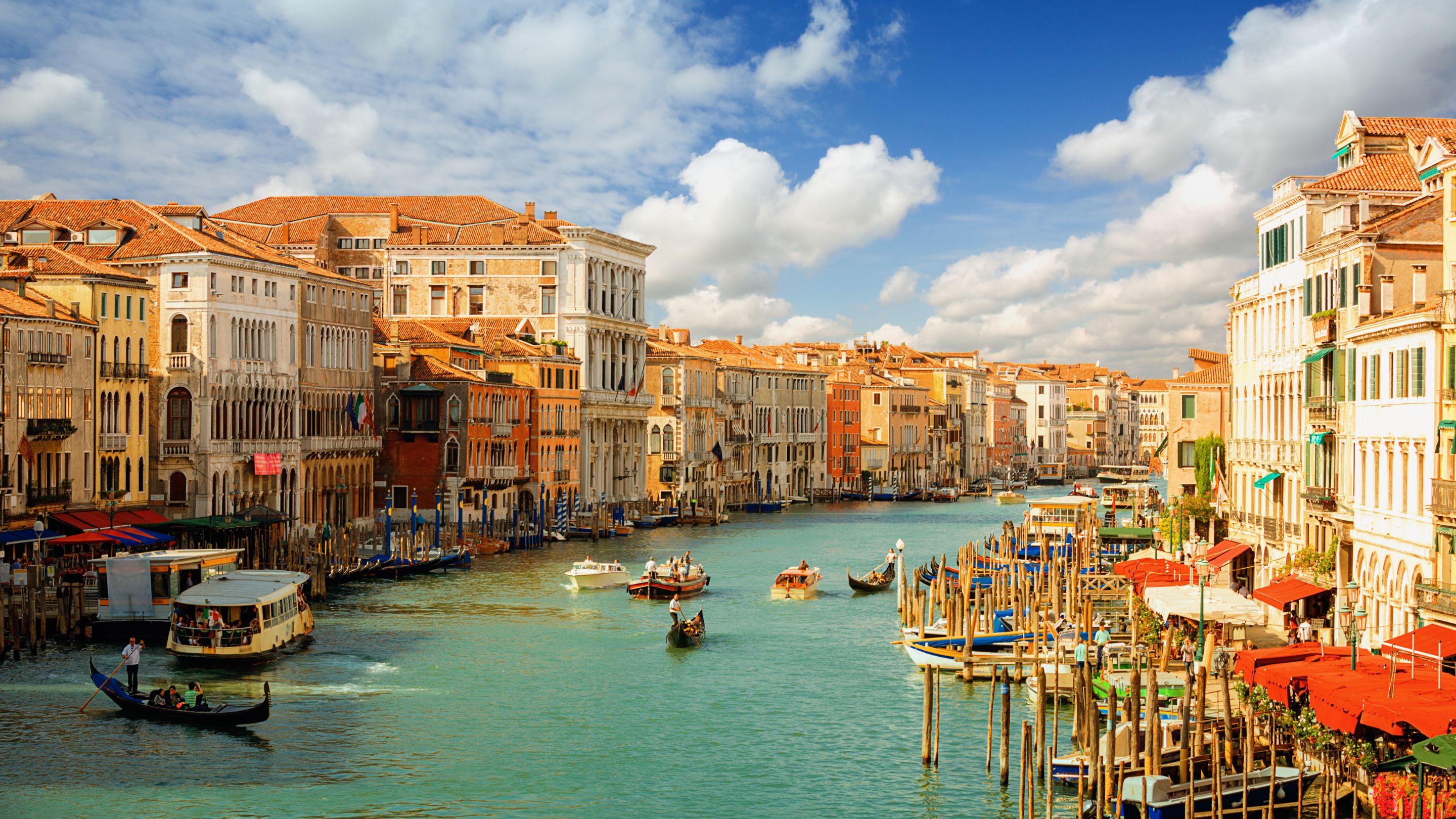
Venice faces real challenges from rising tides and overtourism. If you can, visit in the off-season to dodge the biggest crowds. The city’s blend of art, water, and history is unlike anywhere else.
25) Banff National Park, Canada
Banff National Park sits in Alberta’s Canadian Rockies and has been wowing visitors since 1885 as Canada’s first national park. The park covers more than 6,600 square kilometers of mountain wilderness.

You’ll find turquoise lakes like Lake Louise and Moraine Lake, their color coming from glacier-fed rock flour. Trails crisscross the park, from easy strolls to tough mountain climbs.
Wildlife roams everywhere. Elk, deer, bears, and bighorn sheep might wander right past your car or campsite.
In the town of Banff, restaurants, shops, and the Banff Upper Hot Springs offer a cozy place to recharge. The Banff Gondola glides up Sulphur Mountain for panoramic views.
Winter brings skiing and snowboarding. Summer opens up hiking, canoeing, and camping. Millions visit each year, so check BanffNow for parking and congestion updates before you go.
Planning Your Bucket List Trip
Planning a dream trip isn’t just about picking a place—it’s about timing, prepping for new cultures, and making your money stretch. Get these right, and you’ll remember the experience forever.
Best Times to Visit Iconic Destinations
Timing is everything. Weather and crowds can make or break your trip, so try to match your dates with each spot’s sweet spot.
Northern Hemisphere picks like Yellowstone and the Grand Canyon shine from May to September. Iceland’s midnight sun peaks June to August, while Paris and Rome feel just right in spring or fall.
Southern Hemisphere gems run on the opposite calendar. Patagonia and New Zealand are best from December to February. The Great Barrier Reef? Go June to October for the clearest water.
Tropical spots need careful timing. Hawaii’s good year-round, but winter brings big surf. Thailand’s dry season is November to April, and Machu Picchu is driest (and easiest to hike) May through September.
Shoulder seasons are my favorite—fewer tourists, lower prices, and still-great weather. Traveling during these in-between times can be a game-changer.
Preparing for Different Cultures and Climates
Every destination asks something different of you. Pack layers for wild weather swings, and do a little homework on local customs.
Climate isn’t just about temperature. Humidity in Southeast Asia can sap your energy. High-altitude spots like Machu Picchu demand slow acclimatization. Deserts swing between scorching days and chilly nights.
Cultural prep keeps you out of awkward situations. Some places require modest clothes at religious sites. Dining etiquette, greetings—these details matter. Picking up a few local phrases goes a long way.
Health stuff starts before you leave. Check if you need vaccines. Bring prescriptions in original bottles, plus copies. Travel insurance that covers medical issues abroad? Worth it.
Tips for Budget-Friendly Travel
You don’t need a fortune to hit your bucket list. Smart planning saves you money without missing out.
Flights: Book domestic tickets 2-3 months out, international 3-6 months. Use comparison tools and consider flying into nearby airports. Public transit beats taxis for saving cash.
Where to stay: Hostels, vacation rentals, and hotels outside tourist zones all save you money. Rentals are great for groups.
Activities: Pick your top 2-3 must-dos, then look for free or cheap alternatives. Museums often have free days. National parks offer big experiences for small fees.
Eating: Avoid touristy restaurants with inflated prices. Local markets and grocery stores are your friends for snacks and simple meals.

Enriching Your Travel Experience
Travel means more when you connect with places, respect local communities, and create real memories—sometimes in the smallest ways.
Sustainable and Responsible Tourism Practices
Stay somewhere that cares about the environment and supports locals. I look for hotels with green certifications or locally-owned guesthouses where my money stays in the community.
Cut your carbon footprint by walking, biking, or using public transit. It’s slower, but you’ll stumble onto places tour buses miss.
Keep your distance from wildlife and never feed animals. Book tours with ethical operators who help with conservation.
A few ways to travel greener:
- Carry a reusable water bottle and bag
- Skip single-use plastics
- Eat and shop at local businesses
- Stick to marked trails
- Pick direct flights if you can

Immersing Yourself in Local Culture
Learn a few phrases in the local language—it’s a little thing that opens doors. Locals appreciate the effort.
Eat where the locals eat. Hit up markets, try street food, and ask people for their favorite spots. You’ll taste the real deal and usually pay less.
Jump into cultural activities like cooking classes, craft workshops, or festivals. Hands-on experiences stick with you in a way sightseeing doesn’t.
If it fits your trip, try a homestay. Living with a local family gives you a window into real life you just can’t get at a hotel.
Capturing Memorable Moments
Take photos, but don’t let the camera get in the way. Sometimes it’s better to soak it all in before snapping away.
Keep a travel journal. Jot down what you saw, ate, and learned. Conversations, surprises, your own feelings—these little notes become treasures later.
Collect tiny mementos—ticket stubs, pressed flowers, coins. When you get home, make a scrapbook or shadow box. These things bring memories rushing back in a way phone pics can’t.
Frequently Asked Questions
Travelers always have questions—about planning, costs, and picking places that fit their style. Here are some practical answers for visiting U.S. landmarks, going international, and finding natural or cultural sites to add to your bucket list.
The Statue of Liberty in New York is one of those icons you just have to see in person. Hop on a ferry out to Liberty Island, and if you’re up for it, climb to the crown—the harbor views are pretty unforgettable.
Over in Washington, D.C., the Lincoln Memorial sits right along the National Mall. It’s free to visit, and honestly, it’s hard not to feel a sense of awe standing on those steps.
Then there’s the Grand Canyon out in Arizona. It stretches for 277 miles and plunges down more than a mile deep in places—photos just don’t do it justice.
Mount Rushmore in South Dakota? You’ll find four presidents’ faces carved right into granite. It’s a little surreal seeing them up close.
And of course, the Golden Gate Bridge in San Francisco—spanning 1.7 miles, it’s perfect for a drive or even a breezy walk if you’re feeling adventurous.
Petra in Jordan blew me away with its ancient temples carved into those wild red sandstone cliffs. You wander through this narrow canyon, the Siq, and suddenly the Treasury building appears—like something out of a movie.
The Great Wall of China winds over 13,000 miles, snaking across mountains and valleys. Walking a section of it? That’s a bucket-list moment.
Machu Picchu in Peru sits way up in the Andes at nearly 8,000 feet. The misty mountains and ancient ruins give it this magical, lost-world vibe.
Iceland is pure adventure—black sand beaches, active volcanoes, and the Blue Lagoon’s warm, steamy waters. One day you’re hiking a glacier, the next you’re soaking in a geothermal spa.
Japan’s got this cool mix: ancient temples in Kyoto, neon-lit tech in Tokyo. You can wander a peaceful garden one day and get lost in a bustling city the next.
Victoria Falls, straddling Zambia and Zimbabwe, crashes down 355 feet and stretches over a mile wide. Sometimes, you’ll see its mist from 30 miles away—it’s wild.
The Northern Lights dance across the skies in places like Norway, Iceland, and Finland. There’s nothing quite like standing in the snow, watching those colors swirl overhead.
Yellowstone National Park in the U.S. is geyser central, with over 500 of them—Old Faithful always draws a crowd.
The Amazon Rainforest sprawls across nine countries and covers 2.1 million square miles. It’s a world of its own, full of sounds and creatures you won’t find anywhere else.
Australia’s Great Barrier Reef stretches for 1,400 miles, teeming with thousands of coral species. Snorkeling here? It’s like swimming through a living kaleidoscope.
The Roman Colosseum in Italy dates back to 80 A.D. and once hosted crowds of 50,000. Walking through its arches, you can almost hear the roar of the crowd.
India’s Taj Mahal, built between 1632 and 1653, stands as a stunning monument to love. The white marble glows at sunrise—worth the early wake-up.
Angkor Wat in Cambodia claims the title of world’s largest religious monument. Exploring its temples feels like stepping into another era.
The Pyramids of Giza in Egypt still leave travelers speechless. They’re the last of the Seven Wonders of the Ancient World, and seeing them up close is a humbling experience.
The Acropolis in Athens includes the Parthenon, built in 447 B.C. It’s perched above the city, offering a glimpse into ancient Greek civilization.
Chichen Itza in Mexico showcases a massive pyramid built by the Maya. Climbing its steps (if allowed) really gives you a sense of the site’s grandeur.
New York City buzzes with energy—Broadway shows, Central Park strolls, Times Square lights, and museums that’ll keep you wandering for days. There’s always something happening.
San Francisco charms with its cable cars, Fisherman’s Wharf, and those views from the Golden Gate Bridge. The city’s hills will give your legs a workout, but it’s so worth it.
New Orleans brings the party with jazz music, Creole flavors, and French Quarter architecture. It’s got a vibe all its own.
Chicago serves up deep-dish pizza, sprawling lakefront parks, and a skyline that’s hard to beat.
Las Vegas never sleeps—think entertainment shows, casinos, and quick trips out to the Grand Canyon. It’s a whirlwind, but in the best way.
Washington, D.C. packs in Smithsonian museums, iconic monuments, and the U.S. Capitol. There’s history on every corner, and most of it’s free to explore.
Portugal absolutely surprised me with its charm and affordability. You can wander through Lisbon’s historic neighborhoods, sip port wine in Porto, and explore medieval castles—all without draining your savings.
Vietnam? It’s a feast for the senses. I found ancient temples tucked away in busy cities, admired French colonial buildings, and ate my way through endless street food markets. Everything felt wallet-friendly, too.
Greece is a classic, but it’s not just for the wealthy. Athens has ancient ruins around every corner, while the islands and traditional villages offer stunning views. I managed to find places to stay that didn’t break the bank.
Poland stands out for its rich history and low prices. Walking Krakow’s medieval old town felt like stepping back in time, and the Auschwitz memorial left a deep impact. Plus, the local meals are hearty and cheap.
Morocco is pure adventure. I got lost in colorful medinas, rode through desert landscapes, and stayed in beautiful riads—all at prices that made me do a double take.
Thailand brings it all together: the buzz of Bangkok’s palaces, peaceful northern hill tribes, and those postcard-perfect southern beaches. Daily expenses stayed impressively low, so I could splurge on the occasional treat.