
The South West of England? It’s way more than cream teas and cider, trust me. Every visit brings something new—coastal walks that take your breath away, festivals bursting with life, and locals who make you feel part of the place from the start. I can’t help but get swept up in the fun, bouncing from beach towns one day to countryside rambles the next.
Honestly, I always find the heart of the South West in its people and their traditions. There’s laughter in tiny pubs, chats with strangers at farmers’ markets, and a kind of warmth that’s hard to explain. The vibe here? Relaxed, rooted, and proud. If you’re after excitement, connection, or just jaw-dropping views, you’ll keep finding fresh reasons to linger.

The Magical Landscape: Coastlines, Moors, and Coves
Wild cliffs tumble into blue water. Quiet coves seem to hide a secret around every corner.
Wander inland and you’ll find untamed moors and deep forests. Adventure or peace—take your pick.
Dramatic Coastlines and Hidden Coves
The coastline here? Unforgettable. I’ll never forget turning a corner near St. Ives and seeing the sea glow like nowhere else. Cliffs tower over the waves, and the wind sometimes whips so hard it stings your cheeks and smells of salt.
But it’s those hidden coves that really get me. Kynance Cove in Cornwall, Ladram Bay in Devon—they feel like secret hideouts. Tide pools sparkle, and every now and then a seal pops up to say hello. The South West Coast Path always seems to lead me to some empty stretch of sand where I can just watch the tide roll in.
In these tucked-away places, time slips away. I’ll throw down a picnic blanket, listen to the waves, and forget about the rest of the world for a while.

Rolling Moors and Enchanting Forests
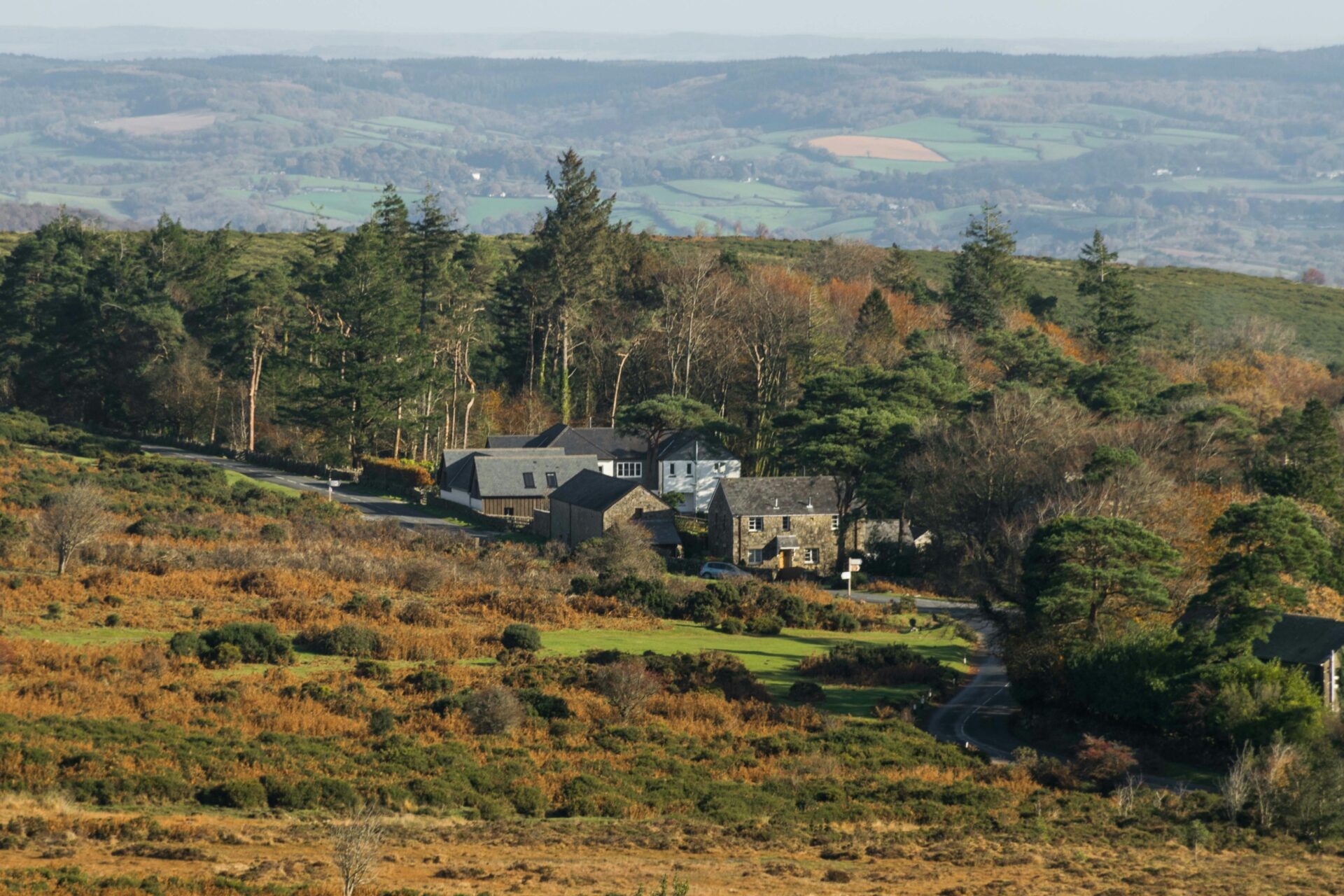
Head inland, and everything changes. Dartmoor and Exmoor stretch out with purple heather and wild ponies wandering free. After it rains, the air smells sweet, and low mist gives the land a dreamy, almost eerie feeling.
When I walk alone here, I feel tiny but free. Suddenly, a granite tor will rise out of the ground like something out of a fairy tale. Wistman’s Wood is a favorite—twisted trees covered in moss, sunlight flickering through the leaves in golden patches.
It’s so easy to find quiet here. If you love nature, the moors and forests are a dream for wandering and getting lost in your own thoughts.

Shelters, Cabins, and Remote Refuges
One stormy afternoon, I stumbled into a simple wooden shelter on the coast path just in time. It wasn’t fancy, but it kept me dry while lightning danced over the sea. These little refuges—sometimes old fishermen’s cabins, sometimes just a basic hut—dot the South West.
Some even let you stay overnight. I once slept in a tiny cabin above a cove, waves crashing below, feeling tucked away and safe. These spots are perfect for catching your breath, waiting out wild weather, or just soaking up the view.
If you’re heading off the beaten path, ask locals about these hidden shelters. They’re not always on the map, but they can make your adventure way more comfortable.
A Feast for the Senses: Beyond Cream Teas and Cider
Eating and drinking in the South West? It’s an adventure every time. I find each meal has a story—sometimes an old family recipe, other times a bold new twist.
Local Markets and Food Movements
My first stroll through a Cornish farmer’s market was a sensory overload—fresh bread, salty air, and locals proudly showing off their homemade butter, cheddar, and wildflower honey.
Markets here aren’t just for shopping. I always end up chatting with stallholders or bumping into locals. There’s a real push for organic, seasonal, and sustainable food. Street food stalls serve up grilled mackerel wraps or veggie-packed pasties that taste like the region itself.
Keep an eye out for notice boards with auctions or farm events. They give you a peek at how local food goes from field to fork. Here, eating local isn’t a trend—it’s a celebration.

Happy Hour Hotspots and Live Music Venues
Happy hour in the South West isn’t just about cheap drinks. I’ve sipped cider by Plymouth’s harbor, soaking in sunsets while bands warm up on tiny stages. Pubs and bars buzz at dusk, serving local ales, cocktails, and a big welcome.
Music venues range from snug corners in old inns to beer gardens strung with fairy lights. One night you might catch folk, the next indie rock. Owners love giving new artists a chance, and I’ve discovered some gems by accident.
If you want to fit in, order something local and check out open mic nights. They often turn into the best nights out.

Traditional Fare and Modern Twists
Sure, you can get a classic Cornish pasty or fish and chips, but chefs here love mixing things up. I’ve eaten scones with wild berry compote, burgers with blue cheese and apple chutney, and afternoon teas with surprise treats inspired by Europe.
Menus change with the seasons, always showing off what’s fresh. Trying these modern takes keeps things exciting and proves food here isn’t stuck in the past.
Iconic Culinary Experiences
Some food moments just stick. Afternoon tea in Cornwall—voted one of the region’s best by food magazines—totally lives up to the hype. Scones, clotted cream, and finger sandwiches in a sunny room overlooking the fields? Yes, please.
It’s not all tea and cake, though. I once watched a seafood auction at a tiny harbor, chefs and home cooks bidding for shiny crabs and lobsters. Food festivals pop up every season, mixing crafts, tastings, and cooking demos.
Drinking cider straight from a farm or grabbing fish tacos after surfing—it’s all part of the South West magic. These experiences are simple but unforgettable.
Rich Heritage and Unique Local Culture
Stories run deep in the South West. I feel the past in every street and festival, where history and folklore weave together.
Historic Villages and Ancient Brickwork
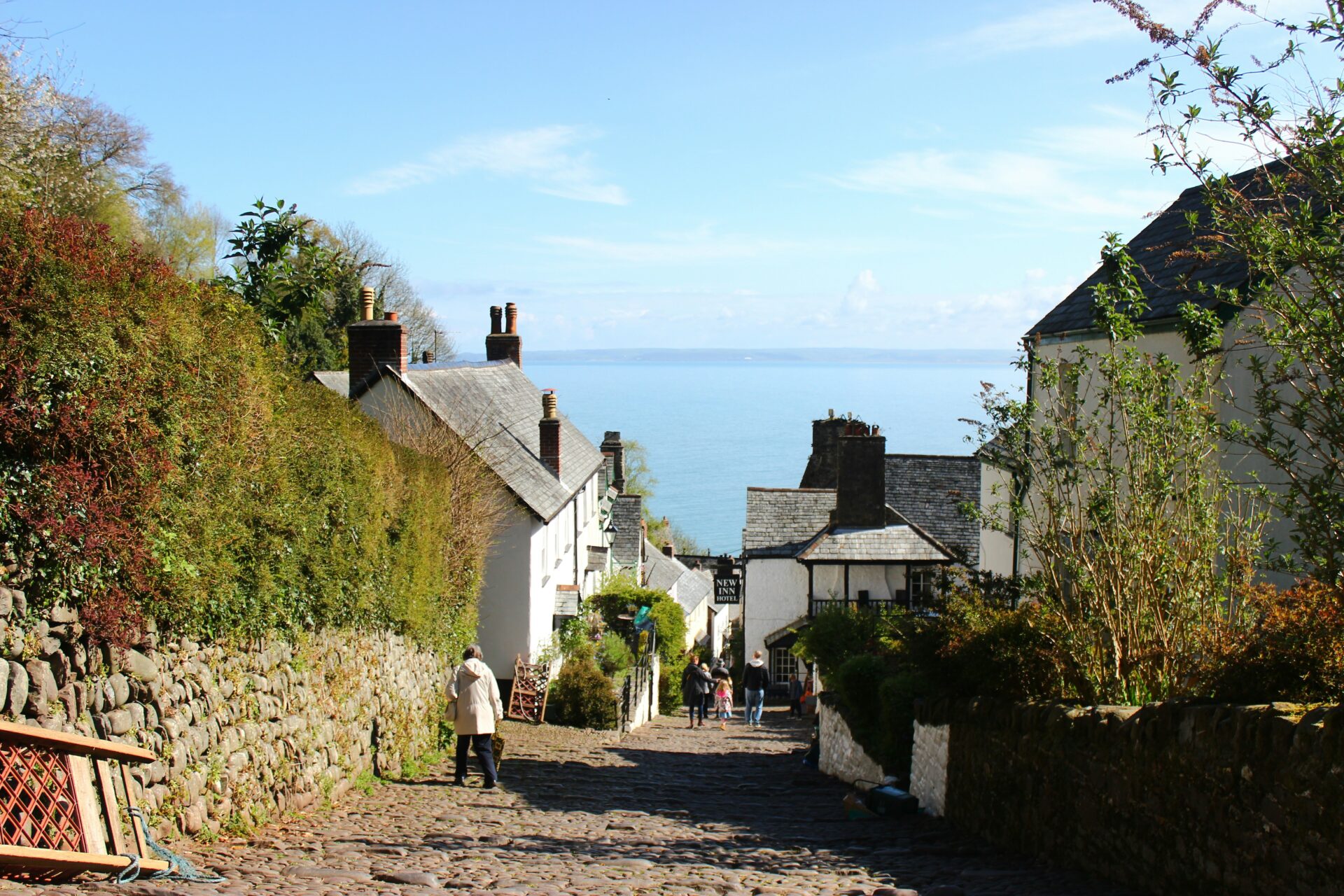
In villages tucked between rolling hills, the bricks practically whisper old tales. Walking through Clovelly or Lacock feels like stepping back in time. Rows of cottages, bumpy stone paths, and walls that have stood for centuries greet you at every turn.
Many villages protect their ancient look. Local pubs and churches still stand where they always have. Some buildings even surprise you with Greek-style columns—odd, but kind of beautiful. I never expected to get so fascinated by old brickwork, but here we are.
Fascinating Folklore: From Fairies to Paupers
Legends aren’t just for books here. Locals still tell fairy stories, especially around Dartmoor and Cornwall. I met families who leave tiny gifts for pixies, just in case.
I spot roadside shrines and old wells tied to folklore all over the backroads. In the pubs, stories about paupers turning into spirits or glimpses of fairies in the garden come up naturally. The mix of pagan and Christian myths gives the region a storytelling spirit you won’t find anywhere else. Honestly, the Greeks have nothing on the wild tales you’ll hear here.
Festive Rituals and Christmas Traditions
December in the South West feels special. Christmas Eve isn’t just frantic shopping—it’s village choirs belting out gospel songs in the square, lanterns glowing, and kids acting out the nativity in their own quirky ways.
Wassailing stands out—villagers gather in orchards, sing, and share cider to bless the apple trees. Special Christmas foods pop up, like mince pies and unique breads. If you’re curious, someone will probably share a bit of folklore behind these traditions.

Welcoming Communities and Youthful Spirit
The South West has a pull I can’t quite explain. Tight-knit communities, local pride, and a cheerful sense of tradition run deep.
Warm Hospitality and Local Devotion
The warmth in South West villages feels real and contagious. Locals greet you like an old friend, and they’ll go out of their way to help. Markets buzz on Saturday mornings, and you’re almost guaranteed a smile or quick chat at the bakery.
Community festivals are the heart of life here. Harvest fairs, open-air concerts on the green—people show up in droves, celebrating what makes this place theirs.
Belonging feels natural. Whether it’s pitching in at a charity event or joining a cricket match, everyone does their bit. This sense of togetherness keeps pulling me back.
Letters, Podcasts, and the Soundtrack of the South West
Storytelling takes all sorts of forms here. Old postboxes hint at a time when handwritten letters meant everything. These little relics remind me how much people value real connections.
But the region isn’t stuck in the past. Local podcasts share stories about village life, old traditions, and even tough moments. I love listening while driving down narrow lanes—there’s something comforting about that mix of old and new.
The soundtrack? Kids laughing at the school gate, church bells in the distance, and waves crashing on the rocks. Add in the stories from podcasts and letters, and you get a vibe you can’t find anywhere else.
Childhood Nostalgia and Modern Society
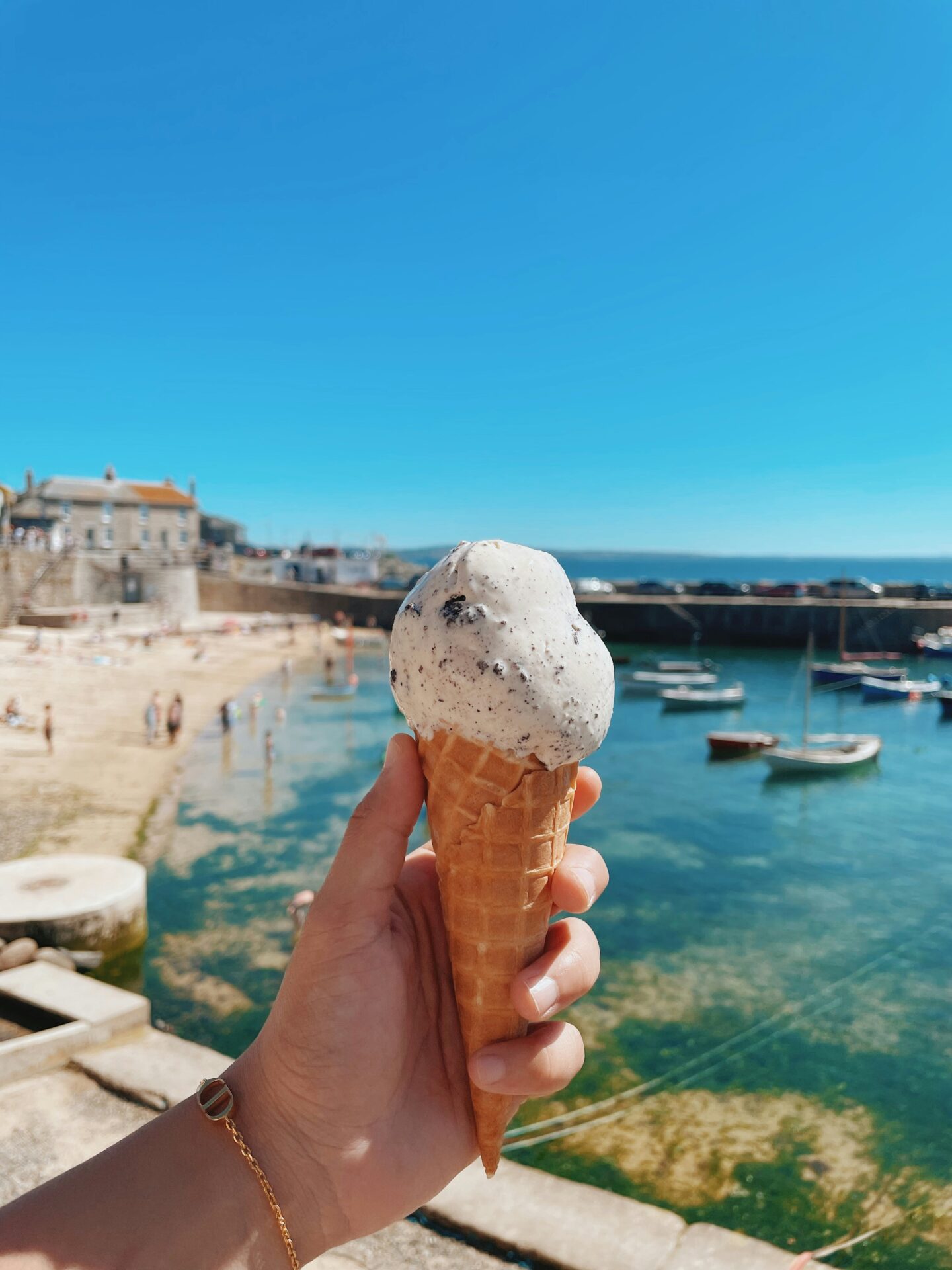
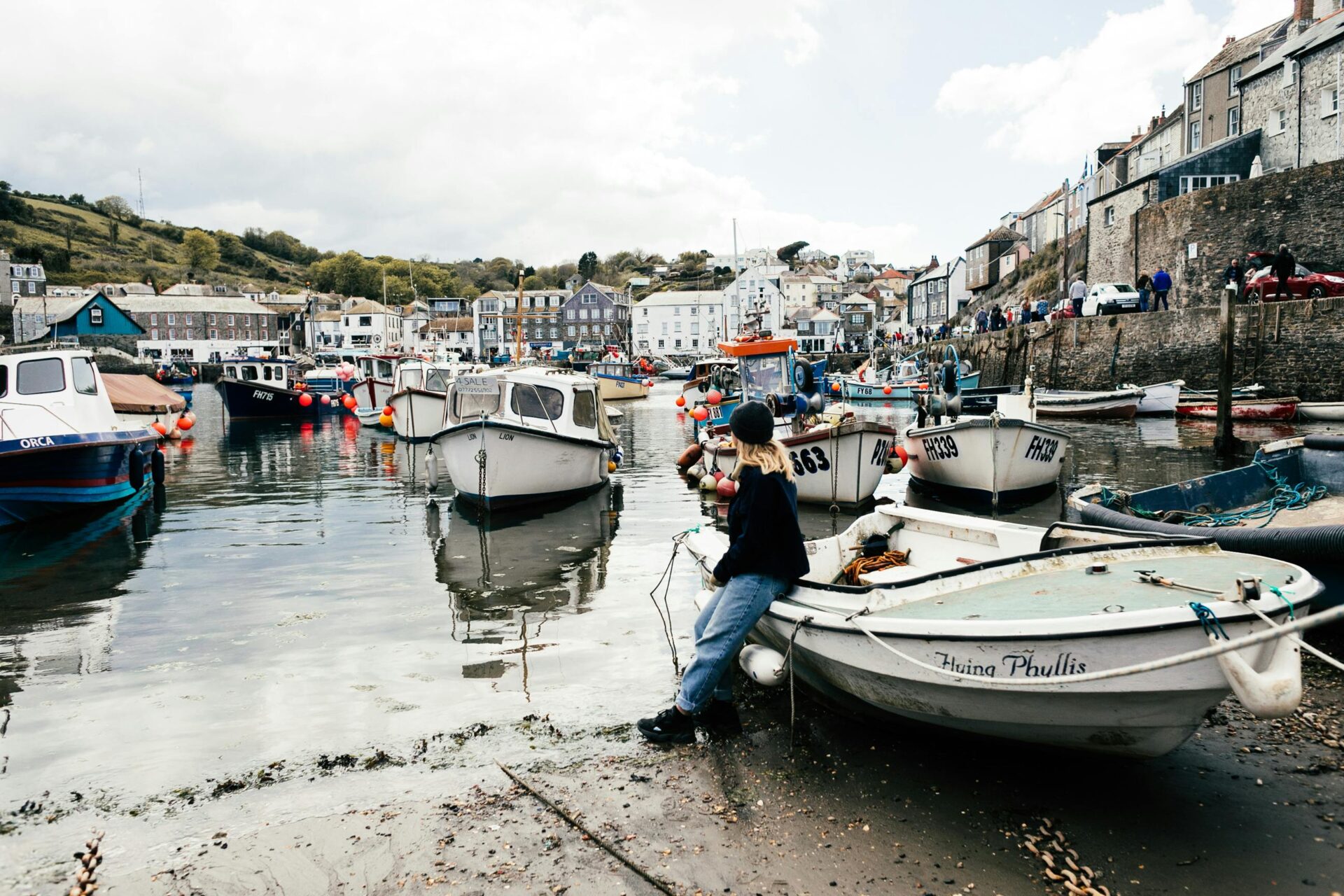
Walking through Cornish fishing ports and Devon towns brings back childhood memories. Running barefoot through fields, sheep dotting the hills, and melting ice cream by the sea—those moments stick with you.
But the South West isn’t just nostalgia. Young entrepreneurs have turned old barns into cool cafés, and summer festivals buzz with energy. There’s a real blend of tradition and fresh ideas.
This new spirit helps young people feel more at home. There are more opportunities now, and communities support both roots and dreams. That mix of old-school charm and new ambition is a big part of why I can’t stay away.

Pastoral Charms: Life Among the Fields
Country lanes wind past thick hedges, and you’ll hear livestock in the distance. Life in the South West feels quietly connected to the land, mixing tradition with a few surprises.
Cattle, Sheep, and Rural Life
Mornings kick off early in the fields. I’d spot flocks of sheep grazing on misty hillsides, their wool catching the soft light.
Over in the next pasture, sturdy cattle—usually Devon Reds or South Devon breeds—wandered through the grass. They moved slow, unhurried, like they had all the time in the world.
Small villages love to celebrate these animals at local fairs. Folks take real pride in showing off the best livestock, and honestly, that tradition goes way back.
The slow pace and the focus on community always made me think of a time before city life started running everything. There’s something grounding about it.
Sometimes, rural poverty showed up in unexpected ways. One bad season, a dip in market prices, or a sudden disease could ruin a farm’s year.
But I always noticed resilience and kindness everywhere. Neighbors helped each other out, and sharing extra eggs or milk just felt normal.
All of this made rural life feel simple, but also surprisingly rich.
Quick Tip:
If you ever visit, swing by a local farmer’s market. You’ll find fresh dairy, wool goods, and maybe even get to chat with the farmers who raise the cattle and sheep that shape the landscape.

Agriculture, Amaranth, and Chinese Influences
The patchwork fields aren’t just about wheat and barley. I was surprised when I found out that some South West farmers grow lesser-known crops like amaranth—a grain with these striking red plumes, once treasured by ancient civilizations for its nutrition.
I tried amaranth porridge at a local stand, and honestly, it opened up a whole new side to regional food. Who knew?
Chinese influence reaches the fields, too, especially in those small, family-run market gardens. In some corners of Devon and Cornwall, Chinese growers have brought in new veggie varieties and clever irrigation tricks that help farms get through those dry summers.
I met Marin, a farmer who mixes traditional British crops with Chinese greens. That’s when I realized just how much the countryside adapts.
Because of this quiet innovation, you can spot bok choy and fresh amaranth at hidden-away farm shops almost any time of year. Rural South West life isn’t frozen in time—it keeps changing, shaped by everyone who calls it home.
