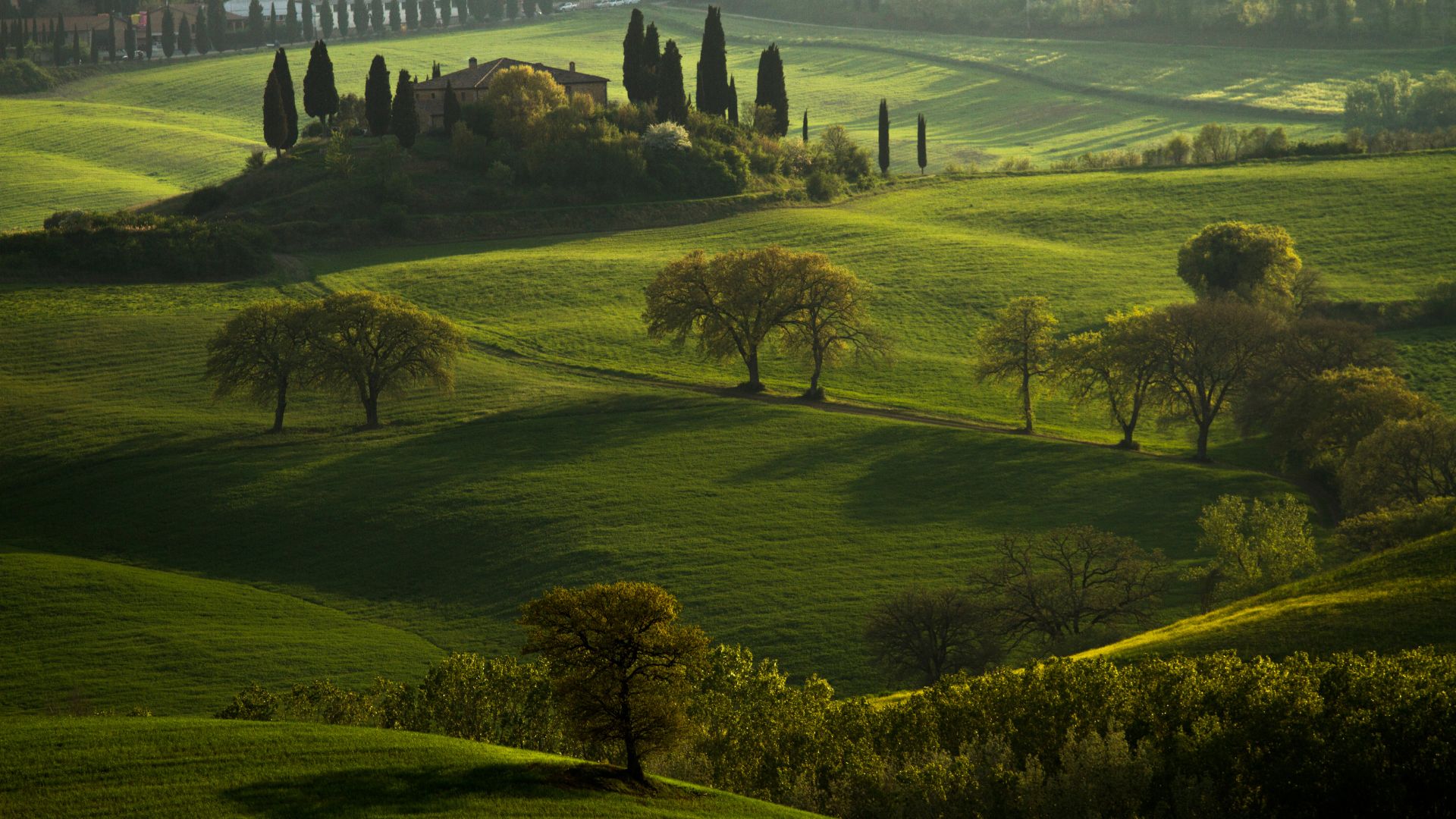
Planning your first trip to Italy? With so many incredible places, it can feel a bit overwhelming, right? I’ve spent years wandering this beautiful country and found a sweet spot between must-see attractions and hidden gems that are perfect for first-timers.
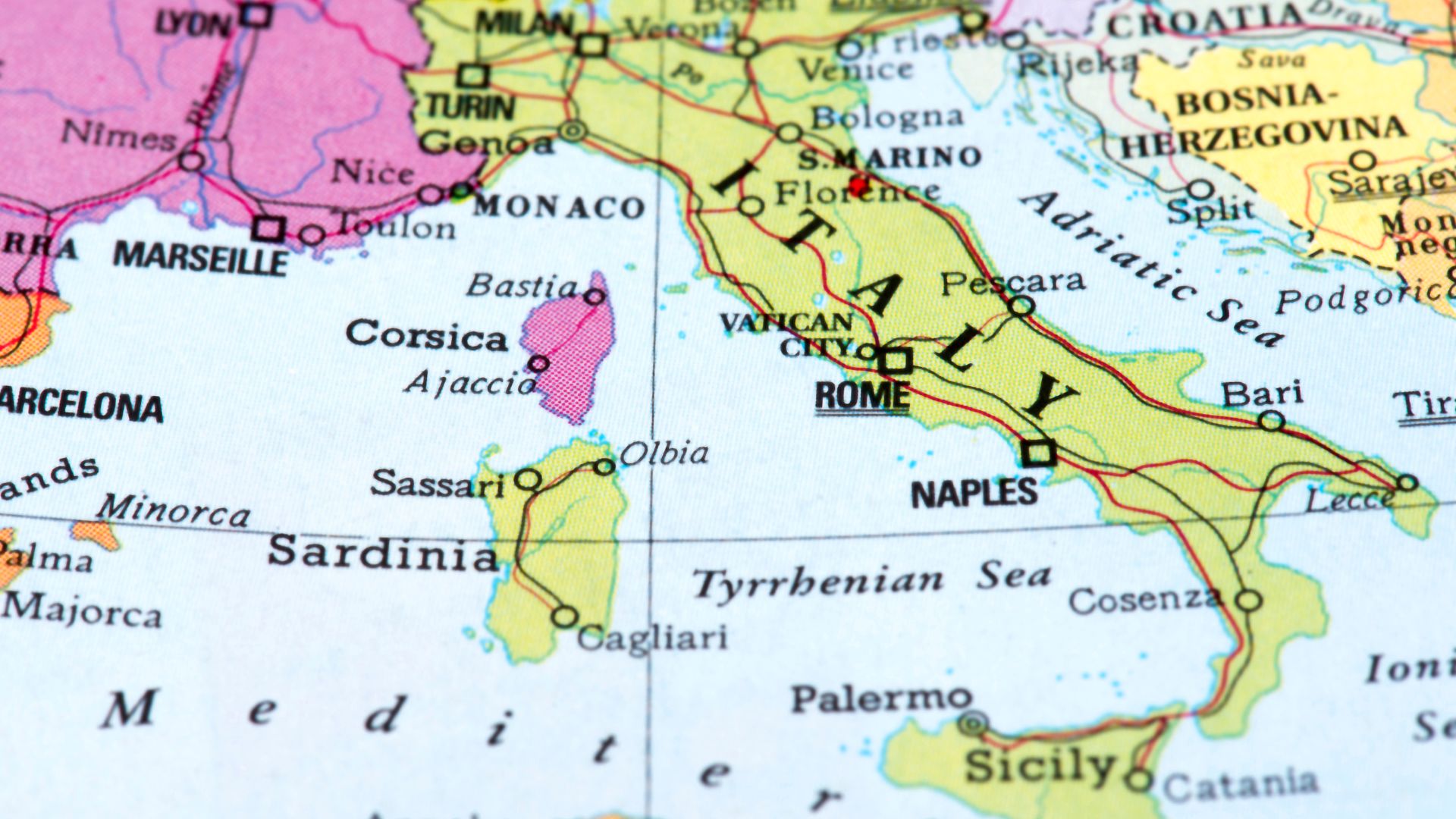
If you’re new to Italy, you’ll want to hit Rome, Florence, and Venice. These three cities really show off the country’s history, art, and food without making you feel like you’re rushing everywhere.
Italy’s boot-shaped peninsula honestly has something for everyone. You might crave ancient ruins, Renaissance art, seaside views, or just want to eat and drink your way through. From the Colosseum and Vatican in Rome to Florence’s Uffizi Gallery and Venice’s canals, you’ll collect memories that stick with you.
I’d suggest giving yourself at least 7-10 days. Anything less and you’ll feel like you’re just scratching the surface.
If you’re thinking about 2025, Italy keeps evolving but still holds onto its timeless charm. May has become my favorite time to visit—great weather, not as many crowds, and the locals actually seem happy to see you. The gelato? Always delicious. You’ll come home with stories you’ll want to tell over and over. Let’s get you set up for an Italian adventure you’ll never forget.
Planning Your Italian Adventure
Planning a trip to Italy can take some effort, but trust me, it pays off. If you organize things well, you’ll spend more time eating gelato and less time stressing over train schedules.
When to Visit for the Best Experience
I’ve noticed that spring (April-May) and fall (September-October) are honestly the best. The weather feels just right, crowds thin out, and prices drop after the summer surge.
July and August? Prepare for serious heat and crowds, especially in Rome and Florence. I’ve made that mistake and regretted it.
Winter brings a quieter magic. From November to March, you’ll find fewer tourists and can catch a glimpse of authentic Italian life. Christmas markets in the north feel straight out of a fairy tale, and the south stays surprisingly mild.
If festivals are your thing, time your trip for local celebrations like Venice’s Carnival in February or Siena’s Palio in July and August. Just know prices spike and crowds swell during these events.
Choosing Your Italian Destinations
If it’s your first time, stick with the “Golden Triangle”: Rome, Florence, and Venice. I usually recommend 3-4 days in Rome, 2-3 in Florence, and 2 in Venice.
Don’t try to see it all—Italy’s got 20 regions, each with its own flavor. If you’re feeling adventurous, add places like:
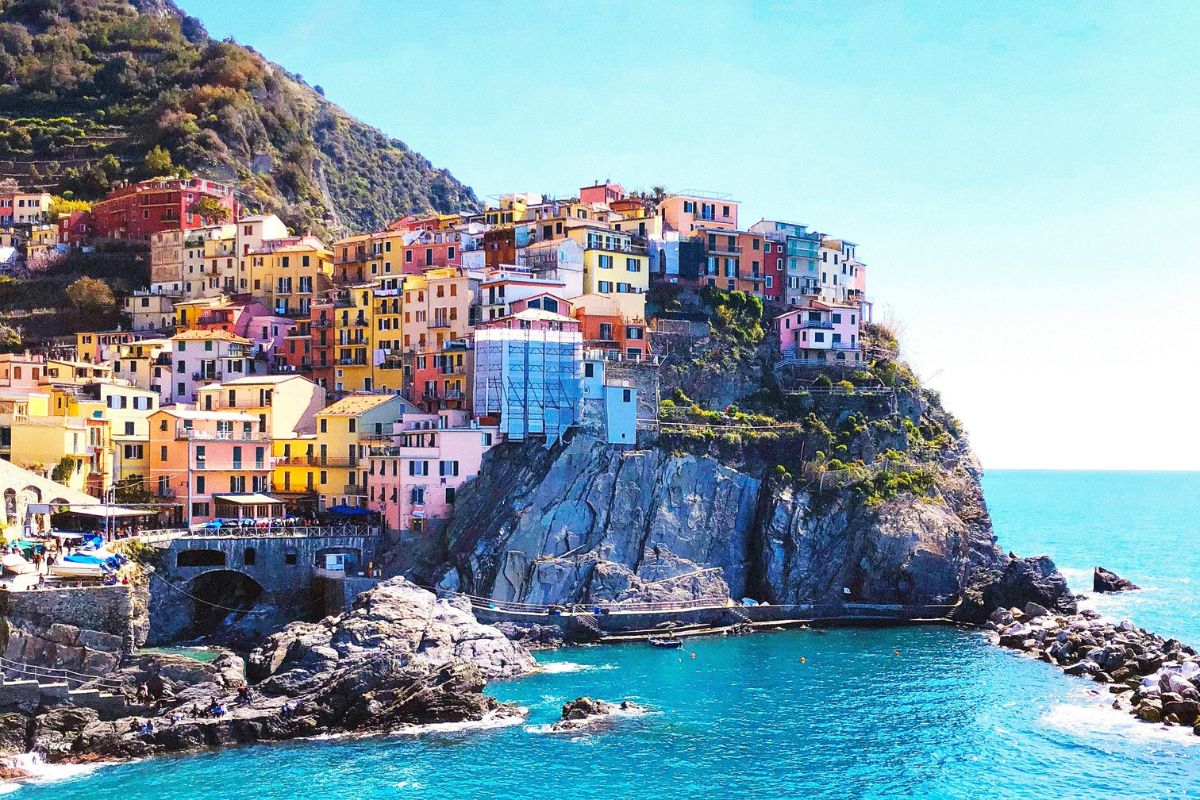
- Cinque Terre – Five colorful villages linked by jaw-dropping hiking trails
- Amalfi Coast – Dramatic cliffs, charming towns, and seafood that’ll ruin you for life
- Tuscany – Rolling hills, vineyards, and medieval towns like Siena and San Gimignano
- Lake Como – Alpine views, elegant villas, and a vibe you won’t find anywhere else
Day trips are a great way to mix things up. From Florence, hop to Pisa or Siena. From Rome, check out Pompeii or Orvieto. You’ll see more without constantly packing and unpacking.
Getting Around Italy Efficiently
Italy’s train network makes getting around surprisingly easy. High-speed trains zip between major cities—Rome to Florence takes about 1.5 hours. Regional trains go slower but reach smaller towns for less money.
I almost always take the train between cities. They’re comfy, reliable, and drop you right in the city center. Book Trenitalia or Italo tickets ahead for the best deals.
Rent a car only if you want to explore the countryside like Tuscany or Puglia. Driving in cities is a headache—ZTL zones will fine you, and parking is a nightmare.
For islands, airlines like Alitalia get you there fast, but ferries offer a scenic route. Inside cities, take public transport or just walk—Italy’s historic centers beg to be explored on foot.
Must-See Destinations in Italy
Italy is packed with cities and regions that each offer something totally unique. Ancient ruins, fashion capitals, coastal gems, lakeside escapes—you’ll find a different side of Italian culture everywhere you go.
Rome: The Eternal City
Rome grabbed me the second I arrived. The Colosseum towers over the city, its arches whispering stories of gladiators and roaring crowds.
The Vatican Museums overflow with priceless art. I always book skip-the-line tickets, especially for the Sistine Chapel—those lines are no joke.
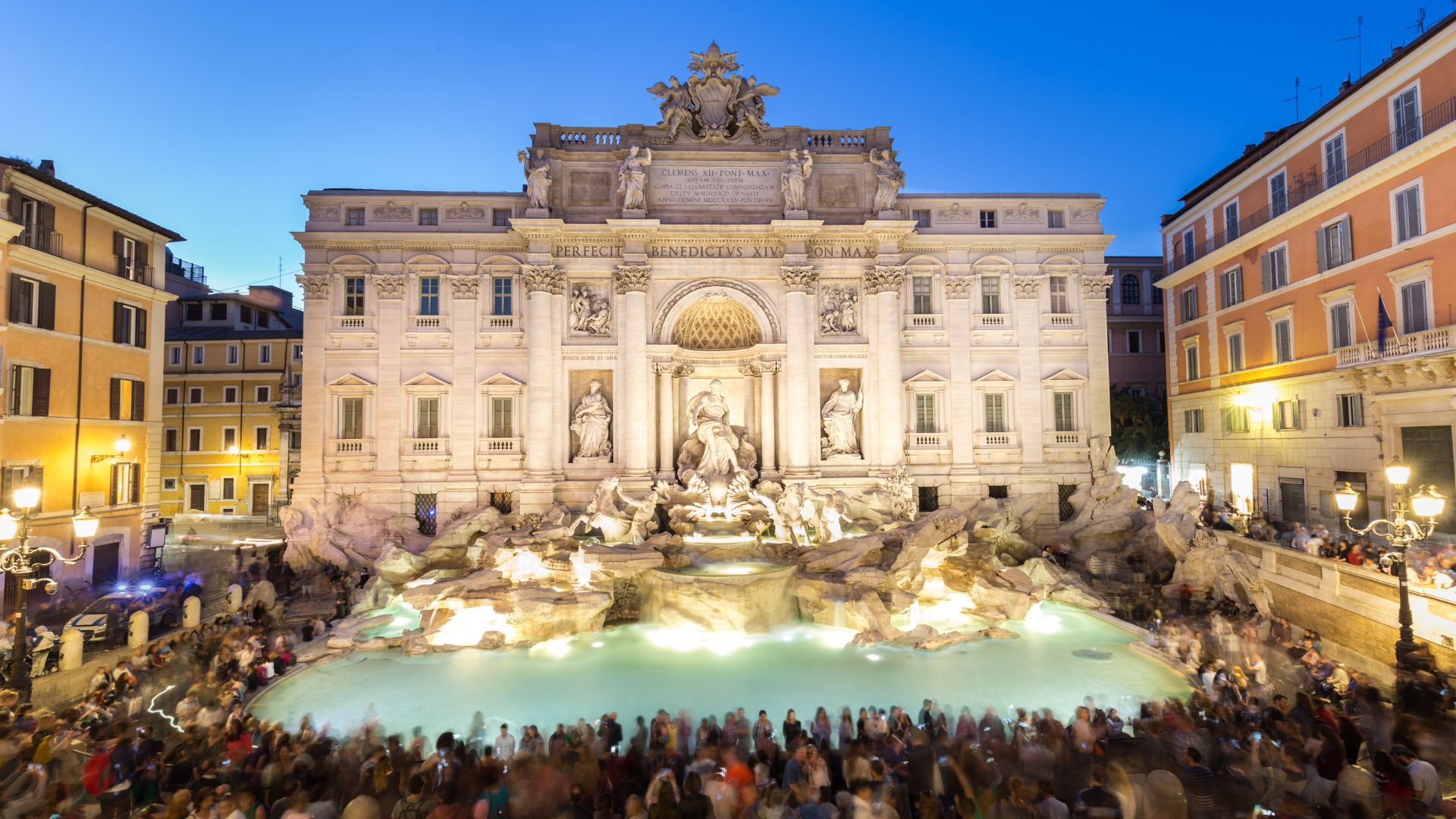
Toss a coin in the Trevi Fountain. I did, hoping it guarantees I’ll come back. The Spanish Steps and Pantheon are close by, and you can grab gelato from a real-deal gelateria as you wander.
For a taste of local life, get lost in Trastevere’s cobbled streets. At night, the neighborhood buzzes with restaurants serving classic pasta like cacio e pepe and carbonara.
Milan: Fashion and Innovation
Milan caught me off guard. It’s got this wild mix of old-world grandeur and modern flair. The Duomo’s spires took centuries to build, and climbing to the roof gave me views I’ll never forget.
If you love fashion, the Quadrilatero della Moda is your playground. I wandered Via Montenapoleone, eyeing window displays from Prada, Versace, and Gucci.
Don’t miss The Last Supper by Leonardo da Vinci at Santa Maria delle Grazie. Tickets sell out months ahead, so plan early.
Want to see Milan’s creative side? Head to the Brera Design District, especially during Milan Design Week when the whole city turns into a giant art show.
Southern Italy’s Charm: Puglia, Lecce, and Beyond
Puglia totally won me over with its whitewashed towns, ancient olive trees, and shockingly clear water. In Alberobello, I wandered through the trulli, those quirky cone-roofed houses that look straight out of a storybook.
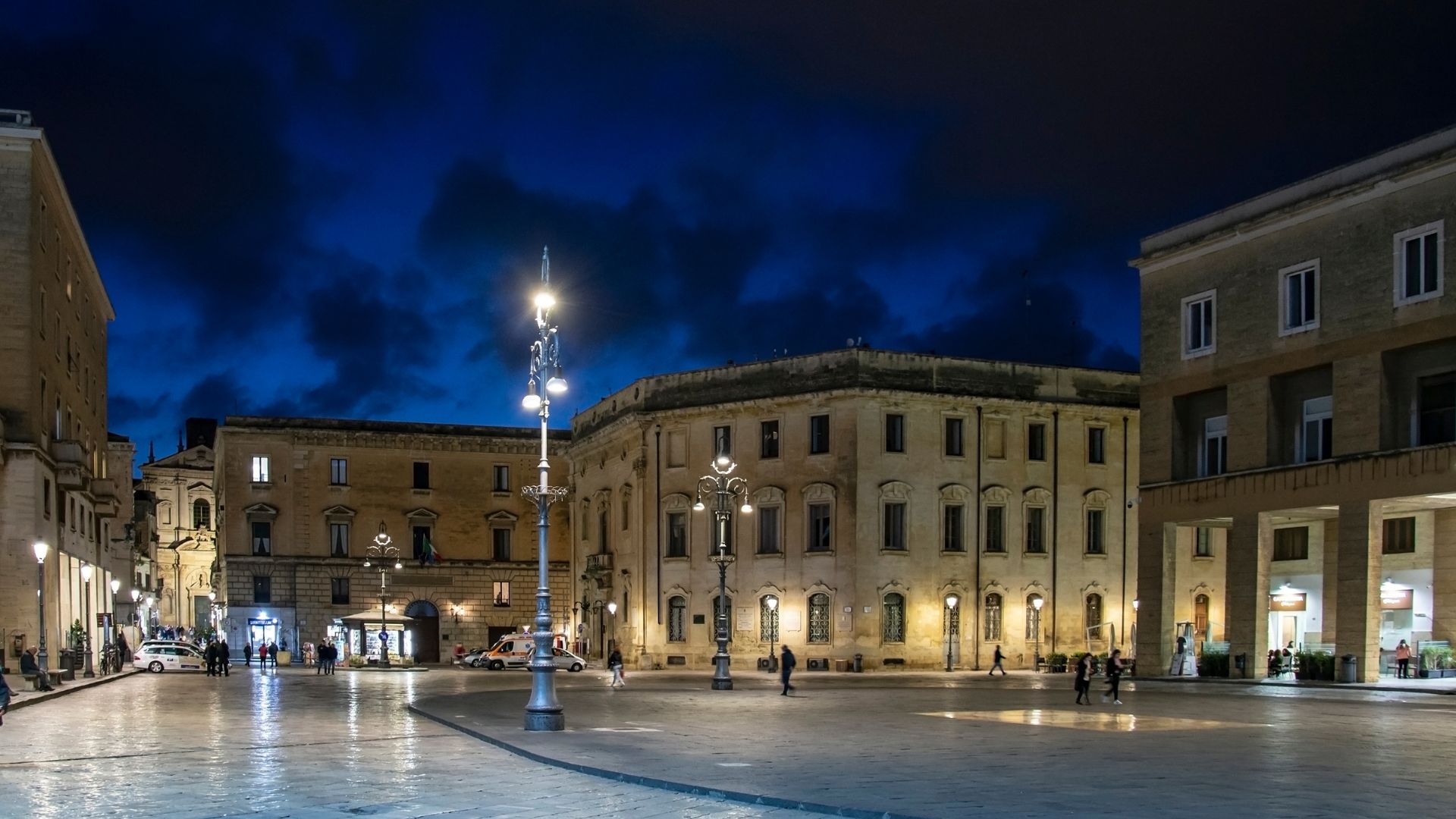
Lecce, known as “The Florence of the South,” wowed me with baroque architecture. The golden stone buildings glow at sunset, and the old town feels almost enchanted.
Puglia’s coastline hides some of Italy’s best beaches. I fell for Polignano a Mare, where dramatic cliffs plunge into turquoise water, and there’s even a restaurant tucked into a seaside cave.
Try orecchiette pasta while you’re here. Local grandmas still shape this ear-shaped pasta by hand, usually serving it with simple sauces made from whatever’s in season.
The Beauty of Lake Como
Lake Como’s scenery honestly took my breath away. Deep blue water, snow-capped Alps, and elegant villas—it’s almost too perfect.
Take a boat tour to really soak it all in. Ferries connect towns like Bellagio, Varenna, and Menaggio, each with its own little surprises.
Bellagio is the showstopper. Its narrow cobbled lanes climb up to viewpoints, and you’ll find gardens, boutiques, and waterfront cafés that are perfect for lazy afternoons.
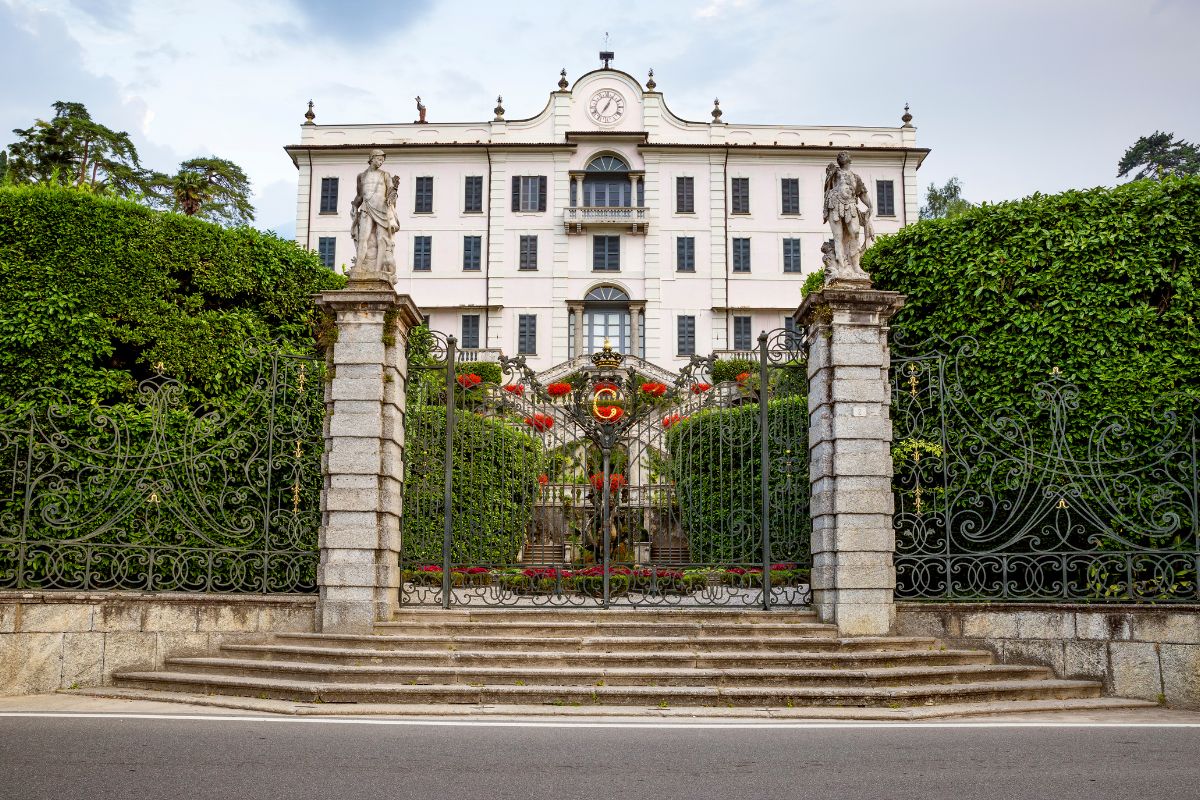
The climate around Lake Como is so mild, gardens bloom all year. Villa Carlotta in Tremezzo blew me away with its azaleas, rhododendrons, and ancient trees—a real treat for anyone who loves plants.
Embracing Italian Culture and Heritage
Italy’s culture stretches back thousands of years, and you’ll feel it everywhere—from grand monuments to the tiniest daily rituals.
Marvels of Renaissance Art and Architecture
Strolling through Italian cities, I always feel like I’m in a living museum. In Florence, Brunelleschi’s terracotta dome dominates the skyline. The Uffizi Gallery houses Botticelli’s “Birth of Venus,” which honestly looks even better in person.
Venice’s blend of Gothic and Byzantine styles creates an atmosphere you won’t find anywhere else. I’ve lost hours wandering its narrow alleys, stumbling on hidden gems.
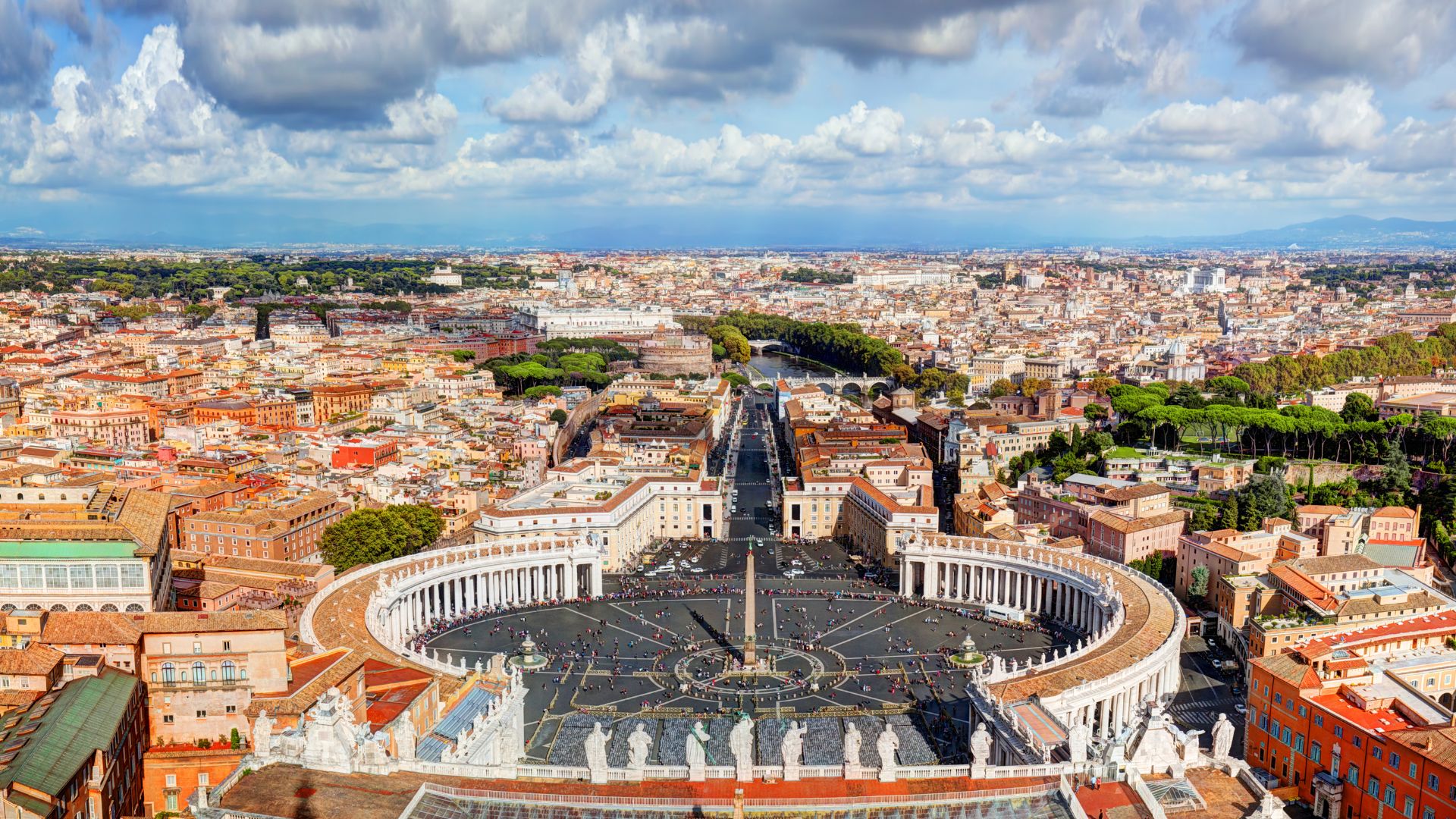
Rome mixes Renaissance beauty with ancient might. St. Peter’s Square is a masterpiece of symmetry, and Raphael’s rooms in the Vatican Museums show off the height of Renaissance art.
Visiting Michelangelo’s Masterpieces and the Sistine Chapel
Seeing Michelangelo’s work up close? Nothing compares. His David in Florence’s Accademia Gallery stands over 17 feet tall, and the detail is just mind-blowing.
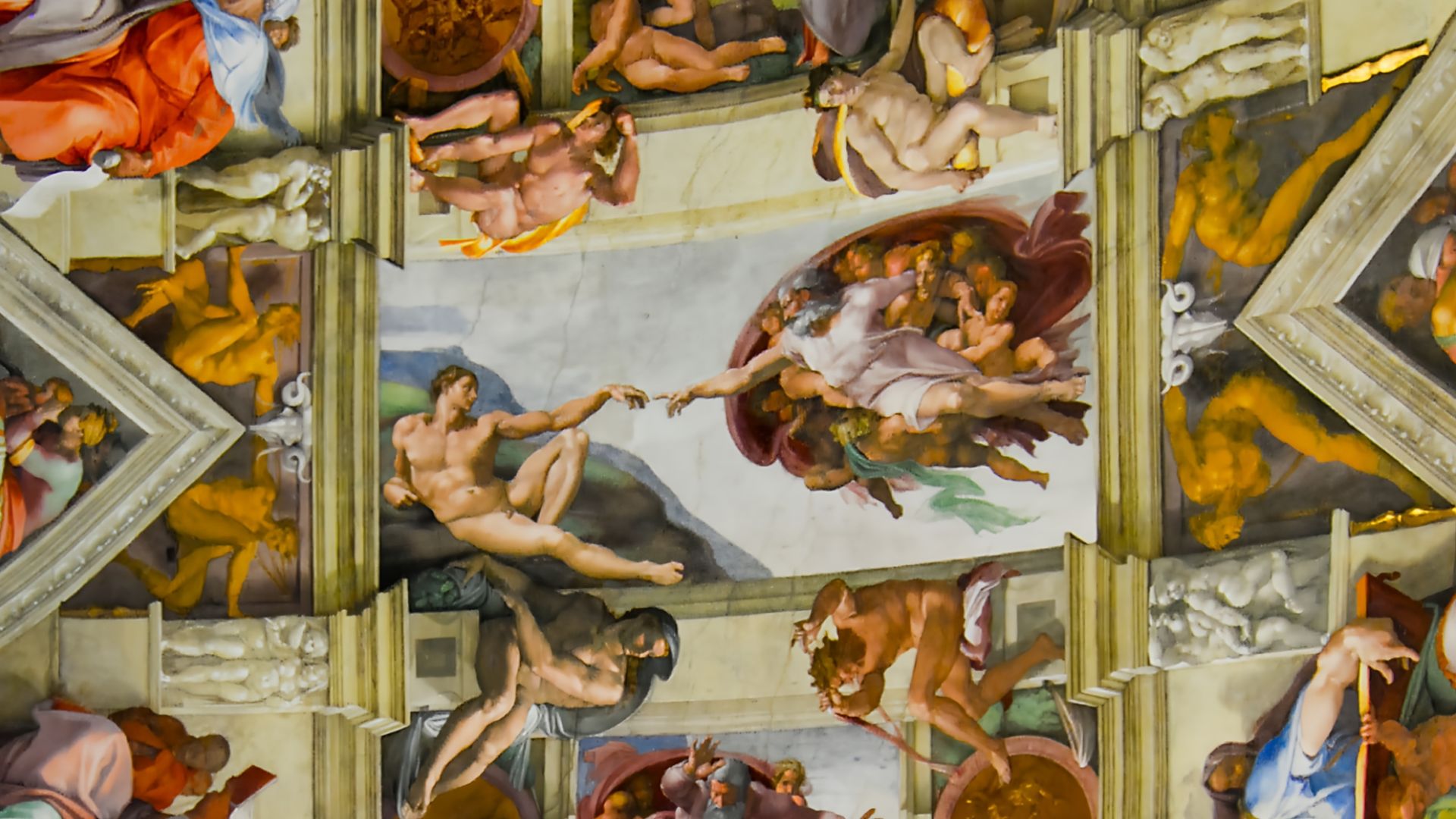
The Sistine Chapel left me speechless. Staring up at “The Creation of Adam,” I couldn’t believe Michelangelo painted that ceiling lying on his back for four years.
Pro tip: Go to the Vatican Museums early or late in the day to dodge the crowds. Always book tickets online.
His Pietà in St. Peter’s Basilica captures so much emotion—Mary holding Jesus—honestly, it moved me more than I expected.
Local Traditions and Everyday Life
Italian culture comes alive in everyday moments. Morning espresso at a crowded bar isn’t just about caffeine—it’s a social ritual. I watched locals chat and laugh over tiny cups before heading off to work.
Food traditions change from region to region. In Bologna, I learned to make tagliatelle al ragù. Don’t ever call it “spaghetti bolognese” here! Down in Sicily, arancini and cannoli reflect the island’s wild history.
The evening passeggiata (that’s the nightly stroll) is still sacred. Around 6 PM, everyone comes out to walk, greet friends, and maybe have an aperitivo before dinner. Joining in gave me a glimpse of real community—something digital life just can’t replace.
Savoring Italy: Food & Wine Journeys
Italy’s food scene is as varied as its landscape, and honestly, eating here is half the adventure. I still dream about my first real Italian meal.
Unforgettable Italian Cuisine
Italian food isn’t just pizza and pasta. Every region has its own flavors and stories. Up north, I found creamy risottos and polenta. Down south, the tomatoes and simple recipes just explode with taste.
Fresh, seasonal ingredients make all the difference. Italians really care about what’s in season, and I started hitting local markets every day.
Here are a few can’t-miss dishes:
- Carbonara in Rome – creamy, eggy, and never made with cream
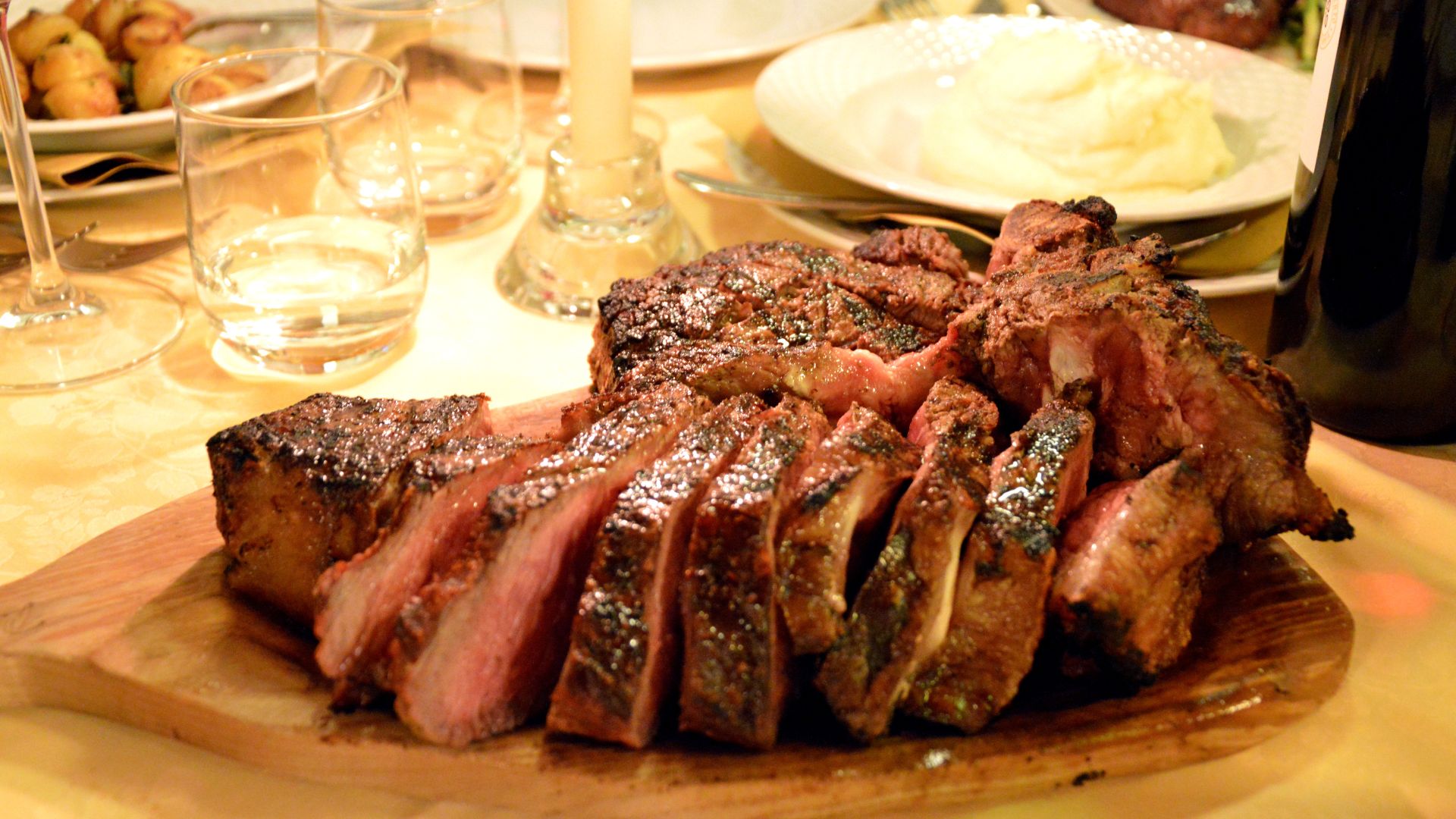
- Bistecca alla Fiorentina in Tuscany – the ultimate T-bone steak, grilled to perfection
- Fresh seafood along the coast
- Arancini in Sicily – golden, crunchy rice balls with delicious fillings
The Flavors of Olive Oil and Primitivo
Olive oil is the heart of Italian cooking. My first taste of fresh-pressed extra virgin olive oil in Puglia changed everything for me. The peppery, grassy flavor? Supermarket stuff just can’t compare.
Puglia grows almost 40% of Italy’s olive oil, and some trees are over a thousand years old. I toured groves where farmers showed me how they still harvest olives the old-fashioned way.
Primitivo wine pairs perfectly with the food here. This bold red grape thrives in southern Italy’s sun, turning out wines full of ripe berries, chocolate, and spice. Local vineyards offer tastings, and sipping wine with cheese and cured meats is an experience I’d recommend to anyone.
Regional Food & Wine Experiences
Every Italian region brings something different to the table—literally and figuratively.
Tuscany: I spent days just wandering those vineyard-covered hills, tasting Chianti and Brunello wines. I paired them with pecorino cheese and wild boar prosciutto. Honestly, I’d go back for the cheese alone.
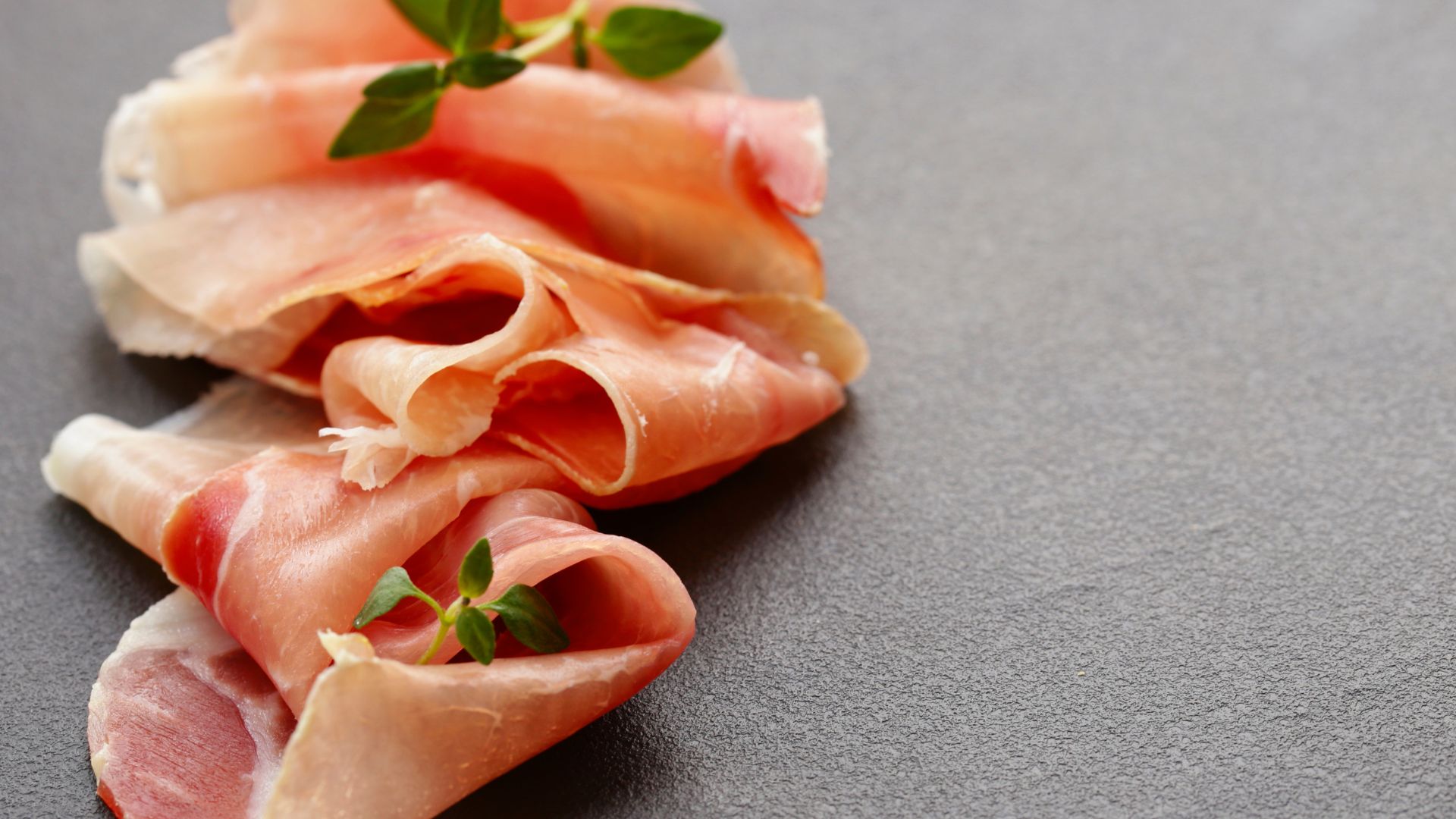
Emilia-Romagna: This region gave us Parmigiano-Reggiano, balsamic vinegar, and prosciutto di Parma. You can actually tour the factories and watch artisans use the same methods they’ve relied on for centuries.
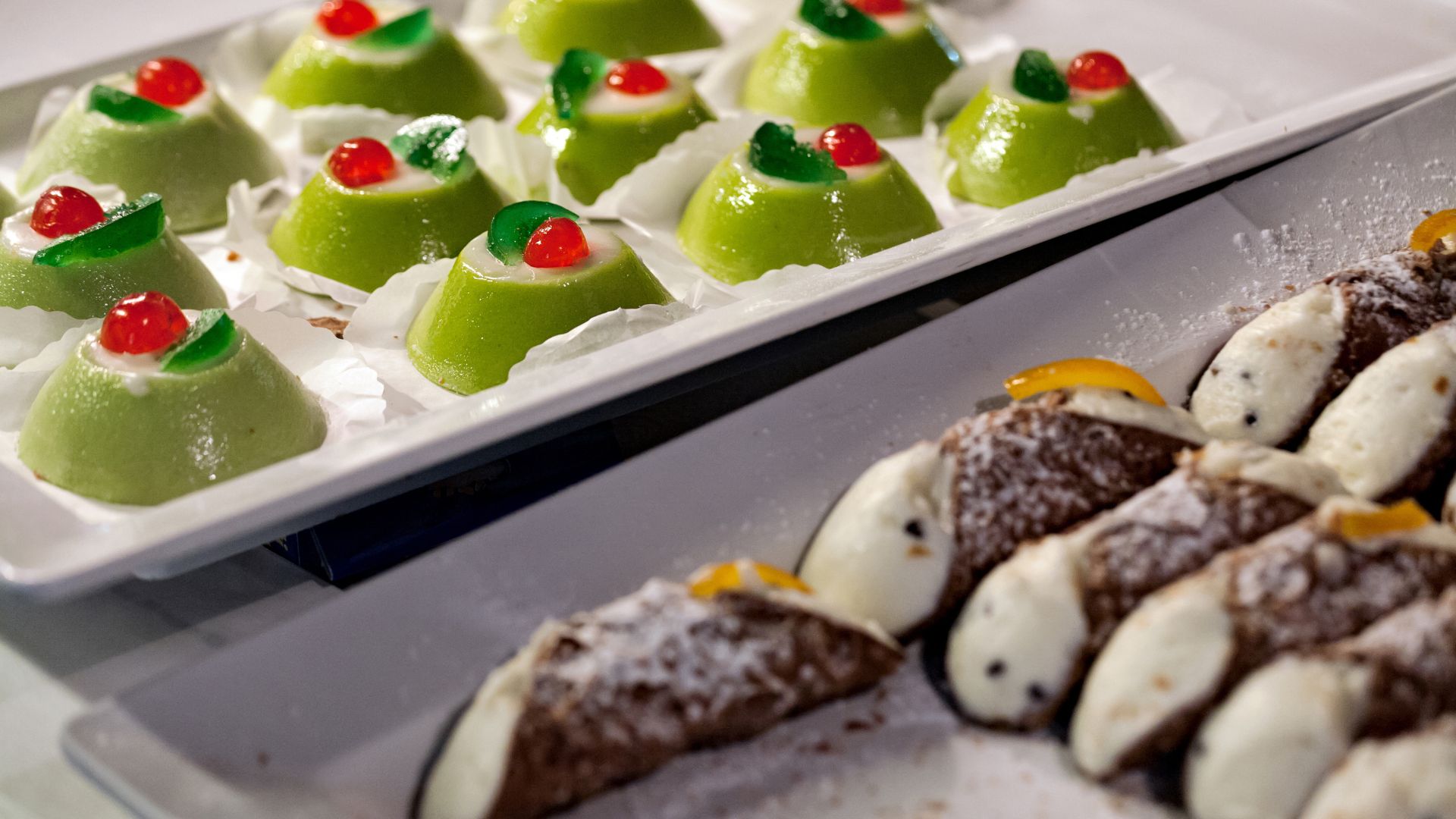
Sicily: Here, Arab flavors blend with Italian traditions. You get treats like cannoli and cassata that you just won’t find anywhere else. I loved sipping Nero d’Avola wine alongside them—such a good match.
If you want to dive deeper, try a food tour or cooking class. I learned how to make pasta from a nonna in Bologna. Now, every time I cook it at home, those travel memories come rushing back.
Active Adventures and the Great Outdoors
Italy gives you so much more than museums and cities. Honestly, some of my favorite memories happened when I just went outside and explored the wild landscapes.
Beaches and Coastal Escapes
Italy’s coastline stretches out for over 4,700 miles. There’s a beach for everyone, no matter your style.
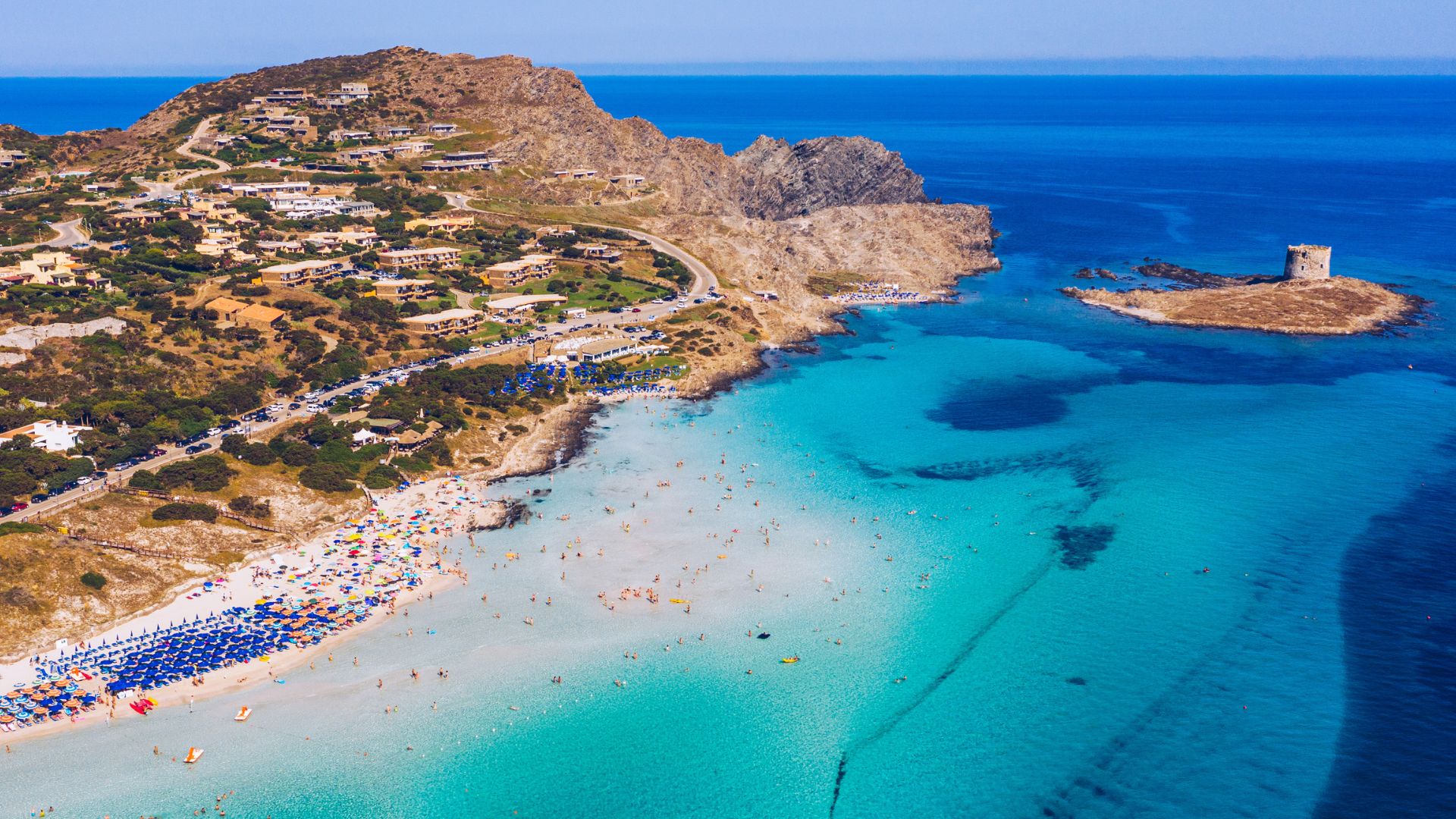
The Amalfi Coast really stuns with its dramatic cliffs and those colorful villages clinging to the hills. I totally fell for Sardinia’s powdery white beaches—La Pelosa, in particular, with its shallow, crystal-clear water, is unreal.
If you want quieter spots, check out the beaches in Le Marche. They stay way less crowded than the ones in Cinque Terre, especially during high season.
When summer hits (June to August), locals flock to the beaches and things get lively. I found May and September give you great swimming weather but with way fewer people. Most beaches rent umbrellas and chairs for about €15-25 a day. Of course, you’ll also find some free public areas if you’d rather just throw down a towel.
Sailing the Italian Waters
Sailing in Italy completely changed how I saw the Mediterranean. When I rented a boat—sometimes with a skipper, sometimes without—I got to discover hidden coves and secret beaches that you just can’t reach by car.
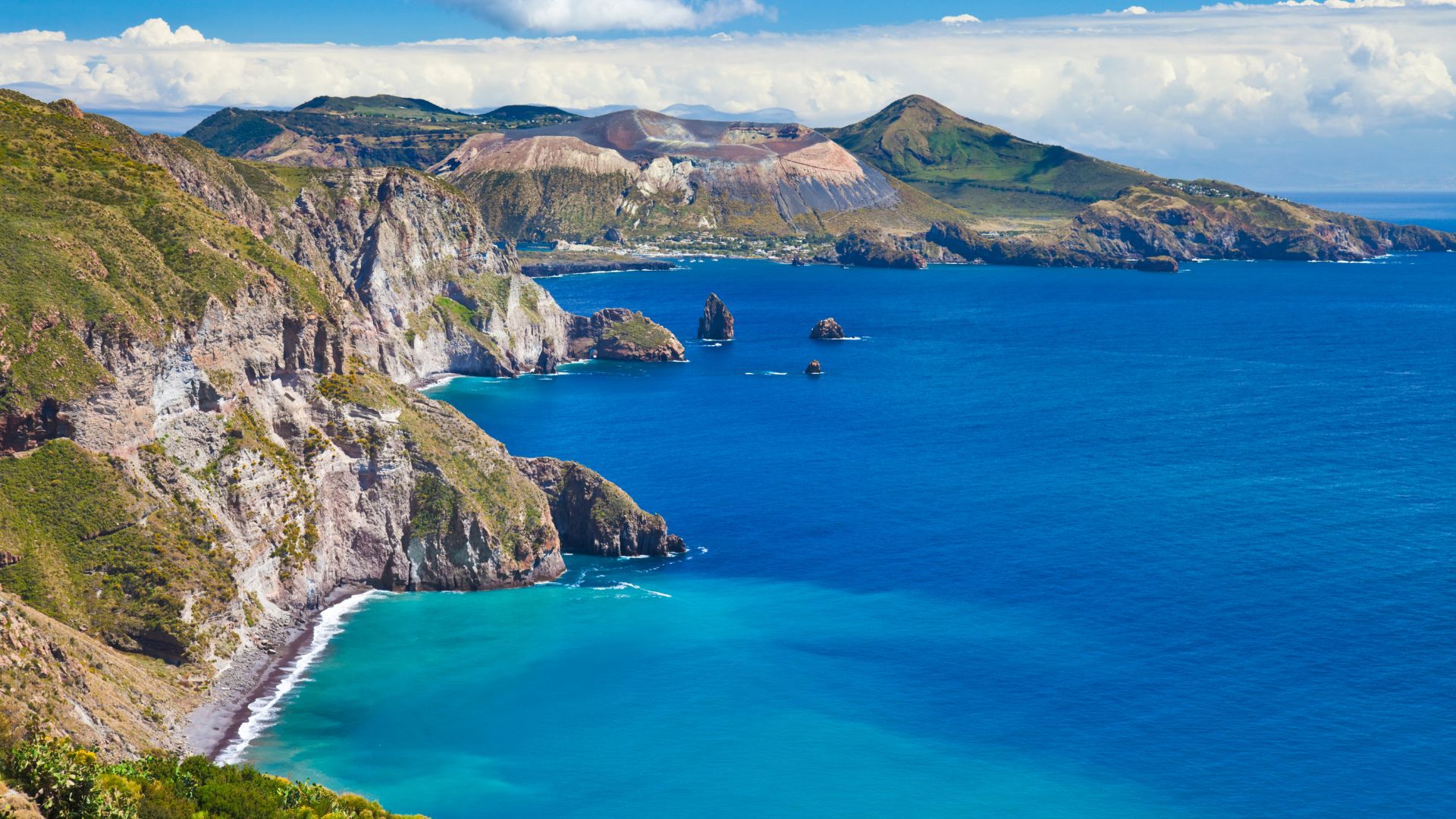
The Aeolian Islands, just north of Sicily, surprised me with their volcanic landscapes and sparkling blue water. Day trips are great, but spending a week sailing around them? That’s next-level.
If you want a different vibe, Lake Como and Lake Garda offer sailing with stunning Alpine scenery. You can rent anything from a small motorboat (€80-150 a day) to a full-on luxury yacht (€2,000+ a week), depending on your mood (and budget).
A lot of coastal towns now offer sunset sailing tours. Picture this: prosecco in hand, appetizers on deck, and the coastline glowing in the evening light. It’s a pretty unforgettable way to see Italy from a whole new angle.
Hiking and Biking: Exploring on Foot or Wheel
The Dolomites in northern Italy have some of the world’s best hiking trails, no matter your skill level.
If you’re up for a multi-day adventure, the Alta Via 1 trek throws you into a landscape of dramatic limestone peaks and alpine meadows. G Adventures runs guided hiking tours here, which is handy if you’d rather not worry about getting lost.
Bike tours in Tuscany? Honestly, they’re a fantastic way to blend some exercise with the joy of visiting vineyards.
The Val d’Orcia route meanders past those classic cypress trees and through medieval villages. Most rental shops even have e-bikes these days, so hills won’t ruin your day if you’re more of a casual cyclist.
Want something truly unforgettable? Hike the Path of the Gods (Sentiero degli Dei) above the Amalfi Coast.
This 4.3-mile trail between Bomerano and Nocelle gives you jaw-dropping sea views and winds through lemon groves and old villages.
If you’re craving a challenge, head for the Mont Blanc trails near the French border. These alpine hikes demand a bit more grit, but the scenery makes it all worth it.
I’d say aim for June to September if you want the trails to actually be open and not buried under snow.