
Trying to plan a family trip? Honestly, it gets overwhelming with all the choices out there. After years of bouncing around Europe, I keep coming back to Greece. It just nails that sweet spot for families—safe, beautiful, friendly, and full of things to do for kids and grown-ups alike.
Greece welcomes families in a way that feels natural. Kids aren’t just tolerated—they’re celebrated. I’ve watched local restaurant owners wave at my children, sometimes bringing out a surprise dessert or just a big smile. The beaches? Calm, clear, and easy to watch the little ones splash around. And the ruins? Even a history-averse kid perks up when standing in a real-life labyrinth.
Let me break down my five favorite reasons to pick Greece for your next family adventure. I’ll toss in the best spots, plus practical advice to keep things smooth. I know what it’s like to juggle nap schedules and picky eaters while still wanting a bit of magic.
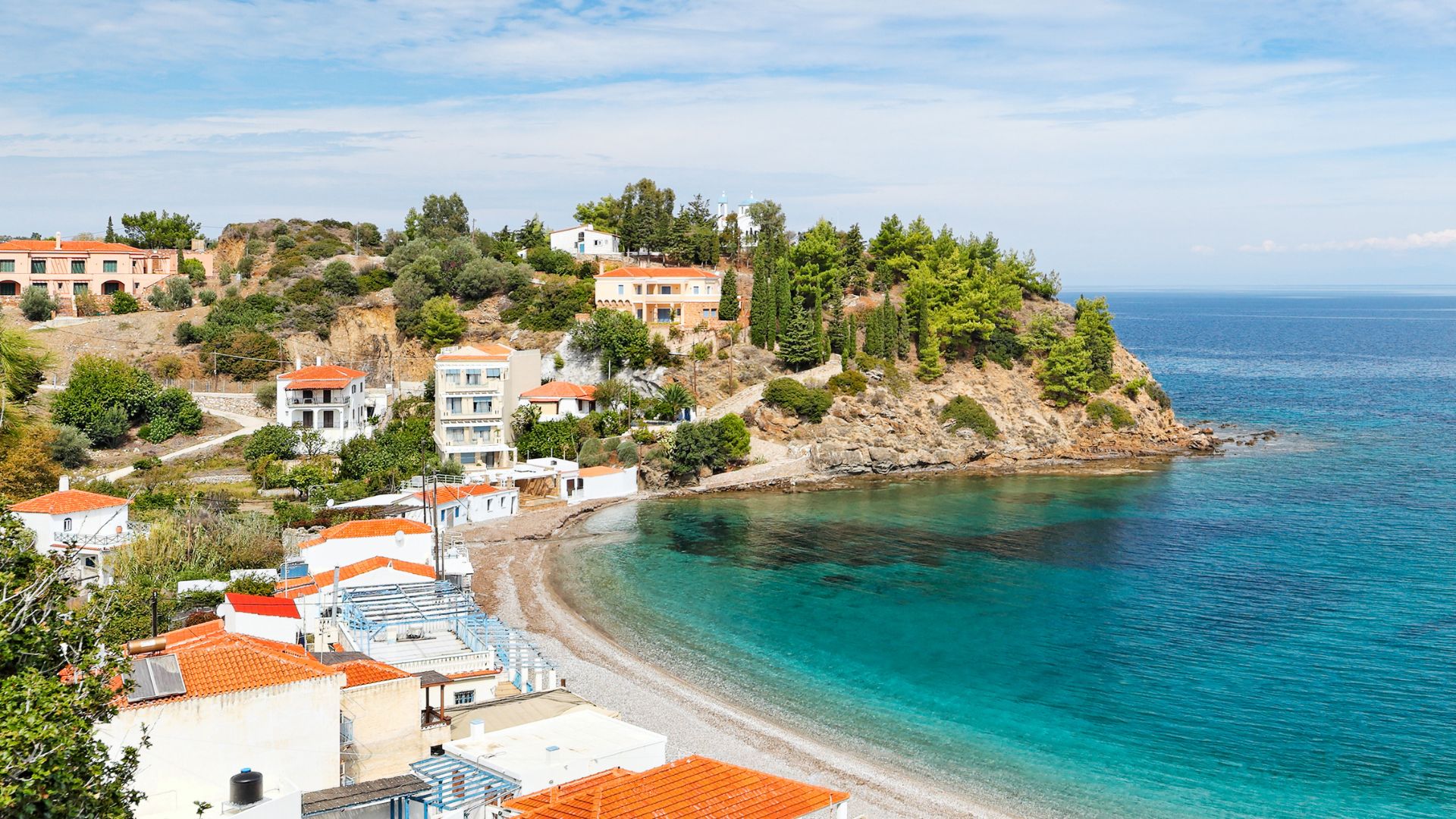
Why Greece Is the Ideal Family Holiday Destination
Greece stands out for its genuine warmth toward children. The culture just makes families feel at home, everywhere you go.
The natural safety of the country mixes with a dining scene that embraces kids, not just tolerates them.
Unique Greek Habits and Hospitality
Greeks treat kids like VIPs. I’ve lost count of the times a server handed my child a free cookie or a tiny toy.
Shopkeepers sometimes slip a little trinket into your bag if they spot a curious kid. Hotel staff often remember names and favorite snacks, which honestly makes you feel seen.
Traditional Greek hospitality might look like:
- A surprise dessert or toy at dinner
- Shop owners gifting a small souvenir
- Locals offering directions or sharing favorite beaches
- Hotel staff organizing a quick game or scavenger hunt
It’s not just good manners—it’s a real cultural thing. Greeks believe kids bring luck and happiness.
Taxi drivers sometimes ask about your family or share a story about their own. Beach vendors might hand out balloon animals, just because. These moments stick with you.
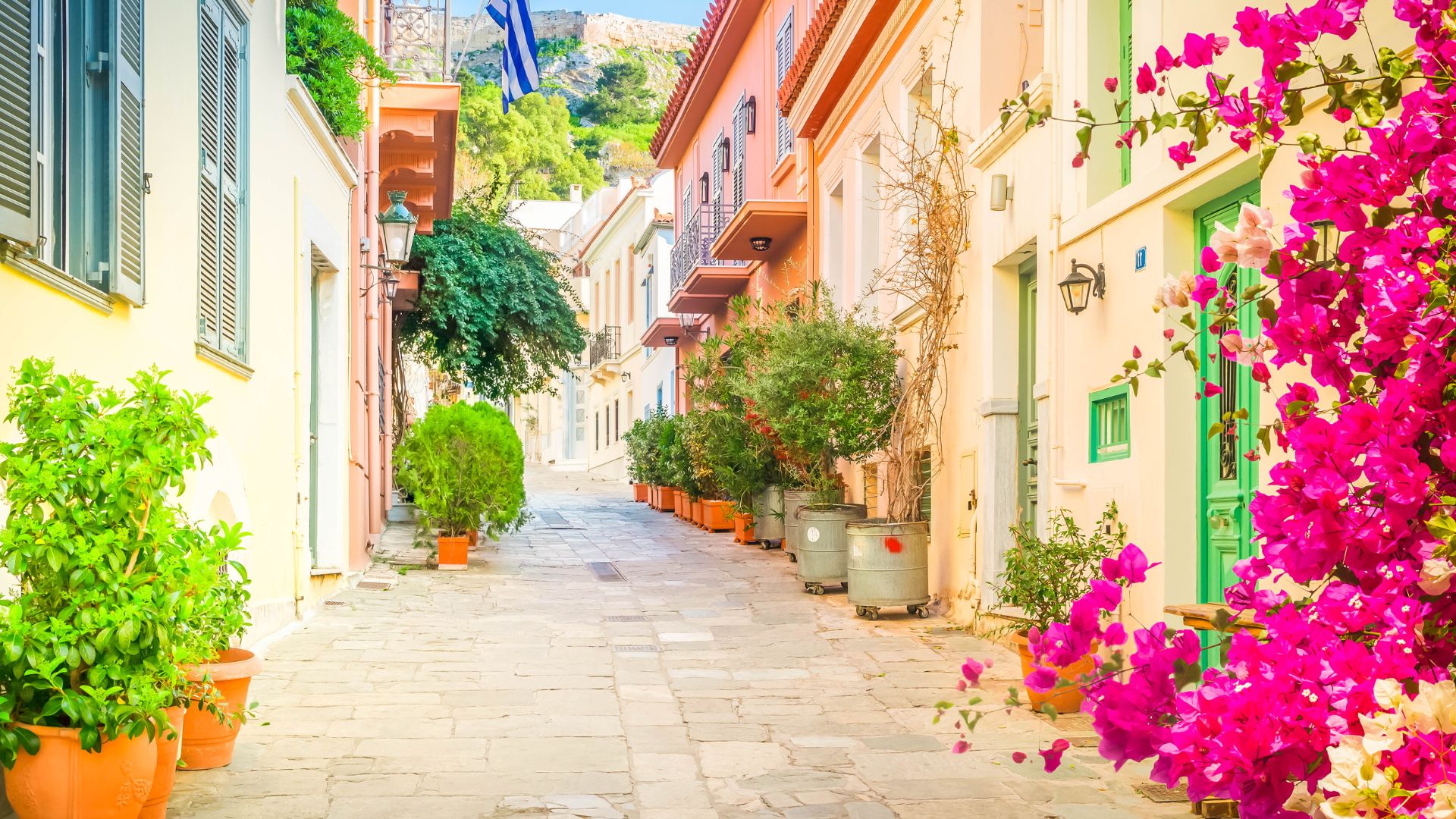
Safe and Welcoming Environment
Greece feels safe, especially with kids in tow. Tourist spots and islands keep crime rates low.
Life moves at a slower pace. Island villages have little traffic, and drivers don’t rush. Beaches are open and easy to supervise.
Why families feel at ease:
- Clean, well-kept playgrounds and parks
- Lifeguards on major beaches in summer
- English-speaking doctors and clinics in touristy areas
- Public transport that’s easy to figure out
If something goes wrong, help arrives fast. Pharmacies carry familiar kids’ medicines.
Locals keep an eye out for families. I’ve seen grandmothers gently redirect toddlers wandering too far in a plaza.
Family-Friendly Culture and Dining
Eating out in Greece with kids is a joy, not a chore. Restaurants expect families and set up for them.
Menus usually have grilled chicken, pasta, fresh bread, and mild cheese—simple, tasty, and kid-approved. Meals happen late, which oddly works when you want to squeeze in a sunset swim.
Perks for dining with kids:
- High chairs at most places
- Kid-friendly options at nearly every taverna
- Fresh food, nothing too spicy or strange
- Sharing plates so everyone can try a bit
No one rushes you through dinner. Late-night meals are normal, so afternoon naps aren’t a problem.
Greek food is naturally kid-friendly. Think fresh fruit, yogurt with honey, and grilled meats—no pressure to try weird flavors.
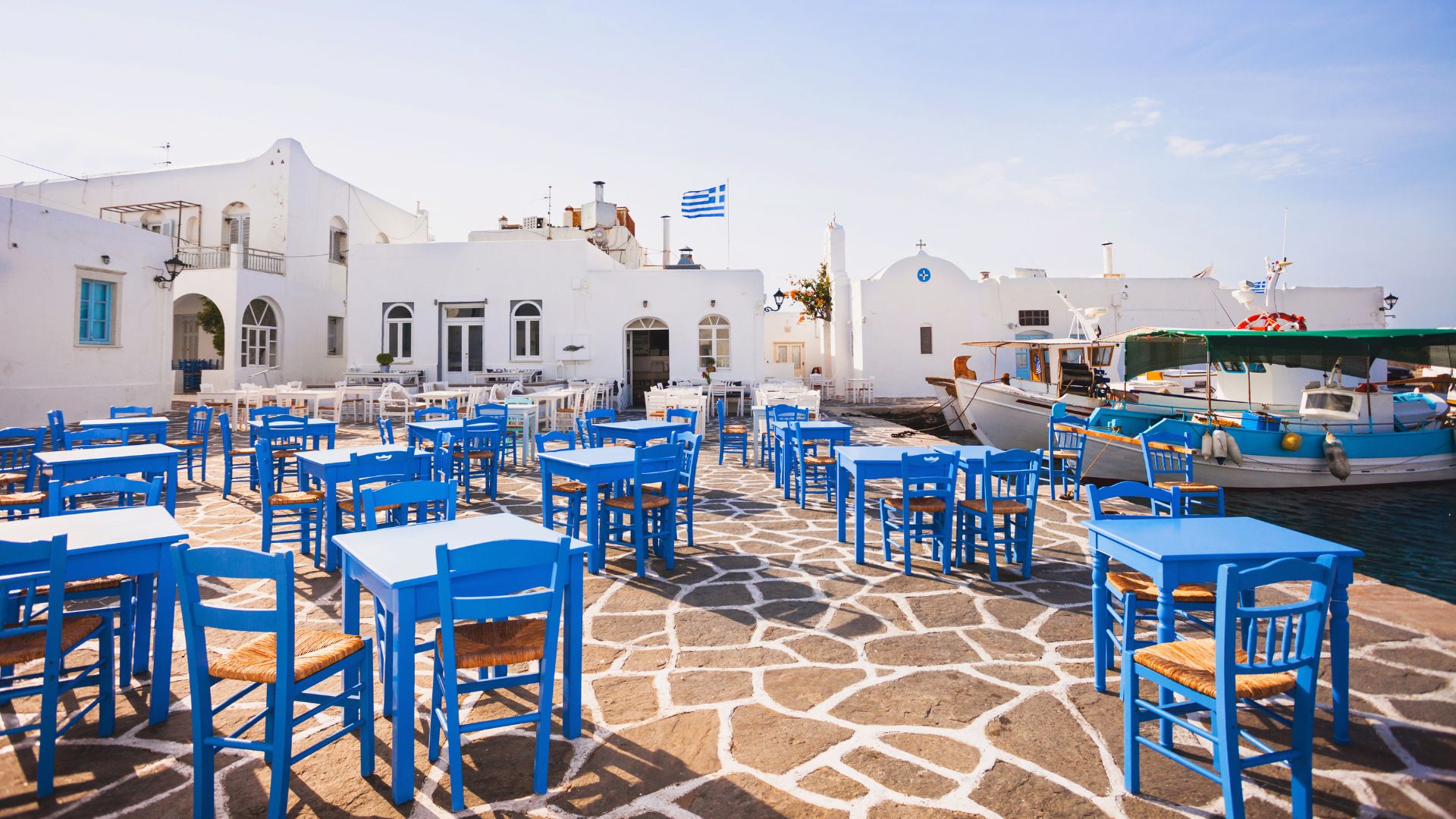
Top Reasons Greece Appeals to Families
Greece has those dreamy beaches, legendary ruins, and a huge mix of activities. It works for toddlers, teens, and everyone in between.
Diverse Natural Landscapes and Beaches
Over 6,000 islands and a mainland full of surprises—Greece packs in a wild variety of scenery. You get soft sandy beaches, clear water, and even rugged mountains.
Crete is my go-to for family beaches. The north coast has calm, shallow water—perfect for little swimmers. The sand stretches on forever.
Swim season runs from late May to September. Water stays warm, and beaches usually slope gently into the sea.
Best beach perks for families:
- Shallow, gentle water
- Sandy or smooth pebbles underfoot
- Beach bars and restaurants nearby
- Hotels within easy reach
If you’re not a beach family, Greece still has you covered. There are mountains for hiking and even skiing in winter. Gorges, lakes, and totally different landscapes wait just a short drive away.
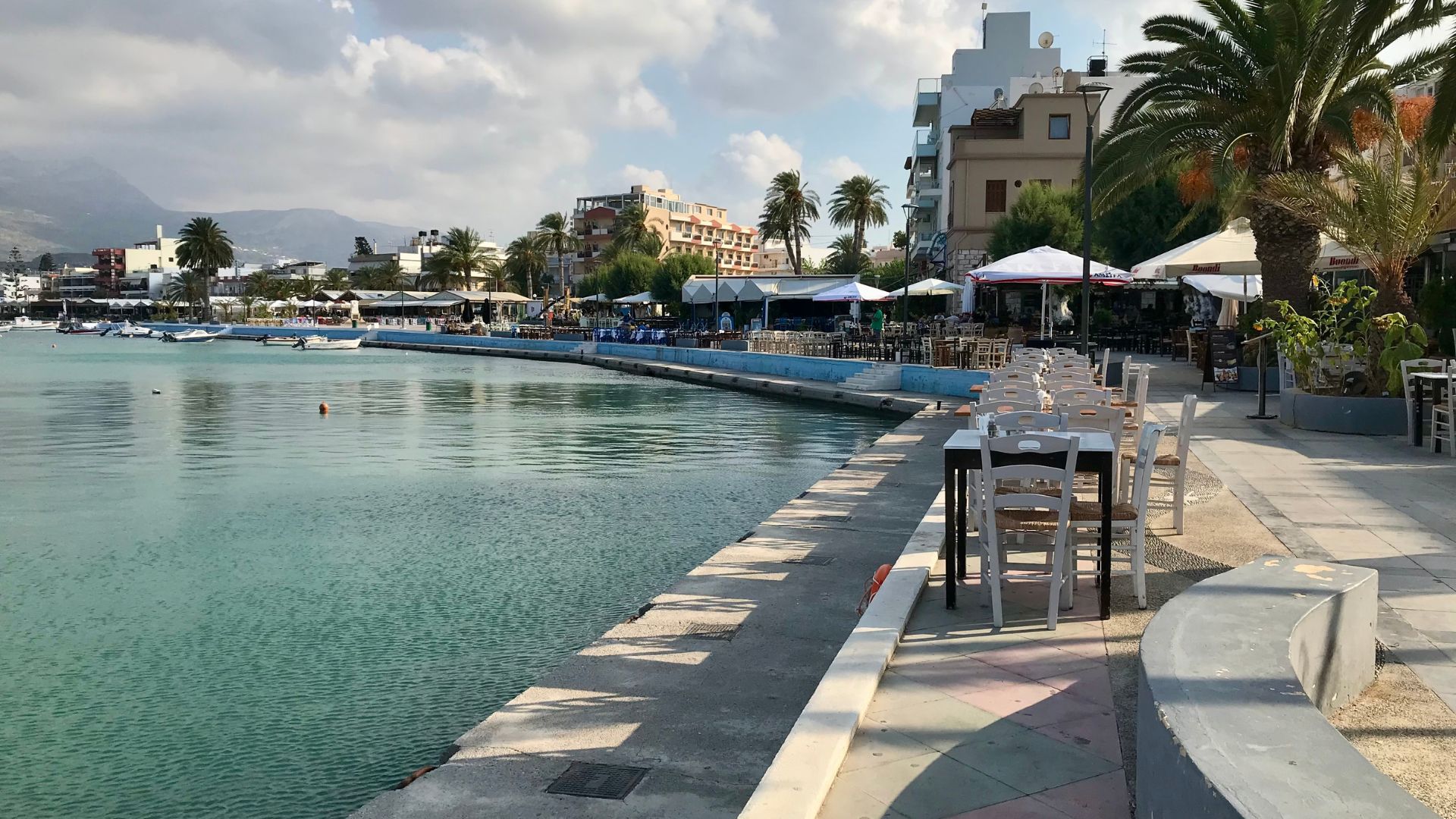
Rich History and Mythology Experiences
Greek myths come alive here. Ancient sites turn old stories into real adventures.
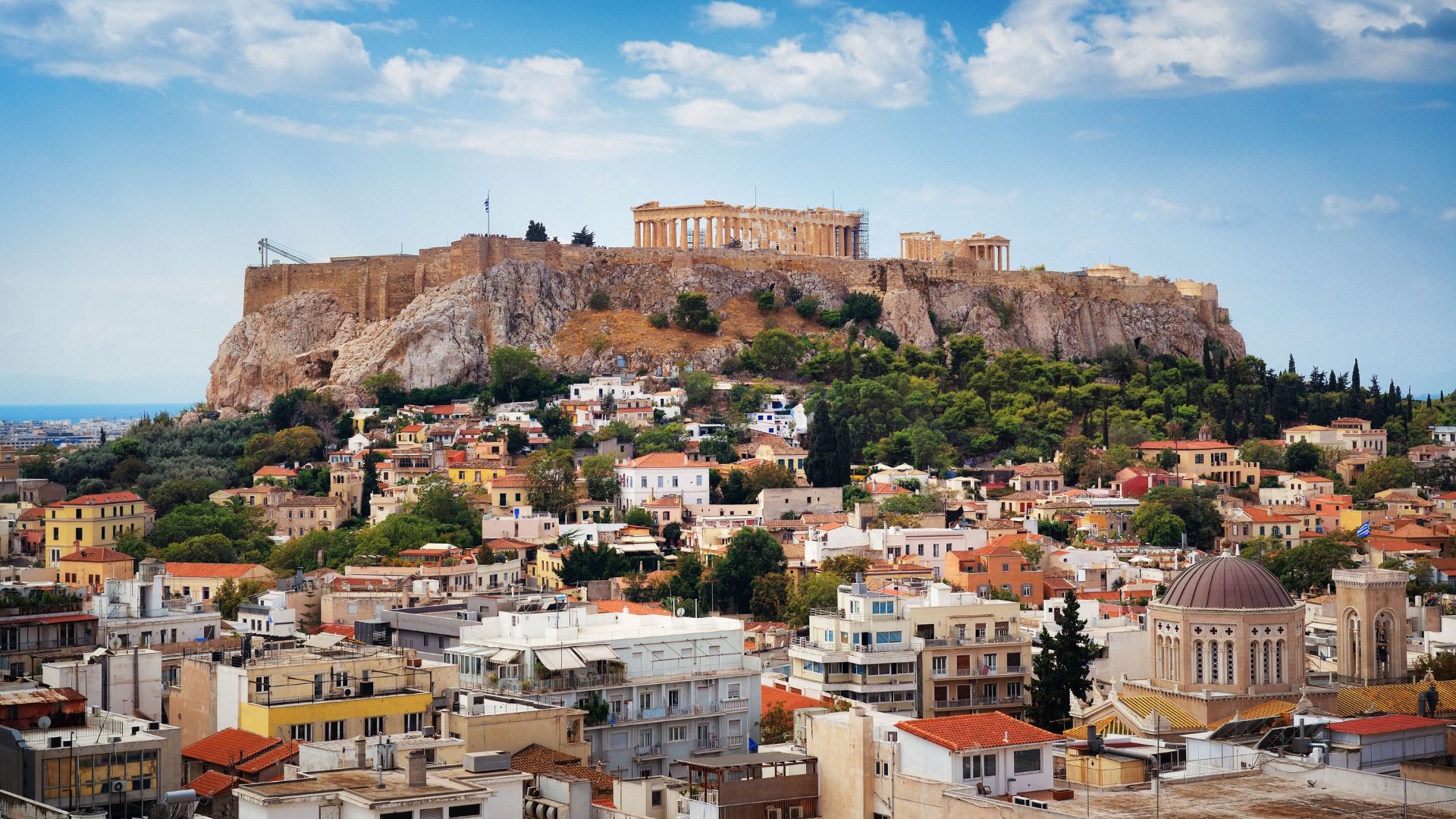
In Athens, the Acropolis and Parthenon tower over the city. Kids love hearing about Athena and climbing up to see the view. The columns are massive—way more impressive in person.
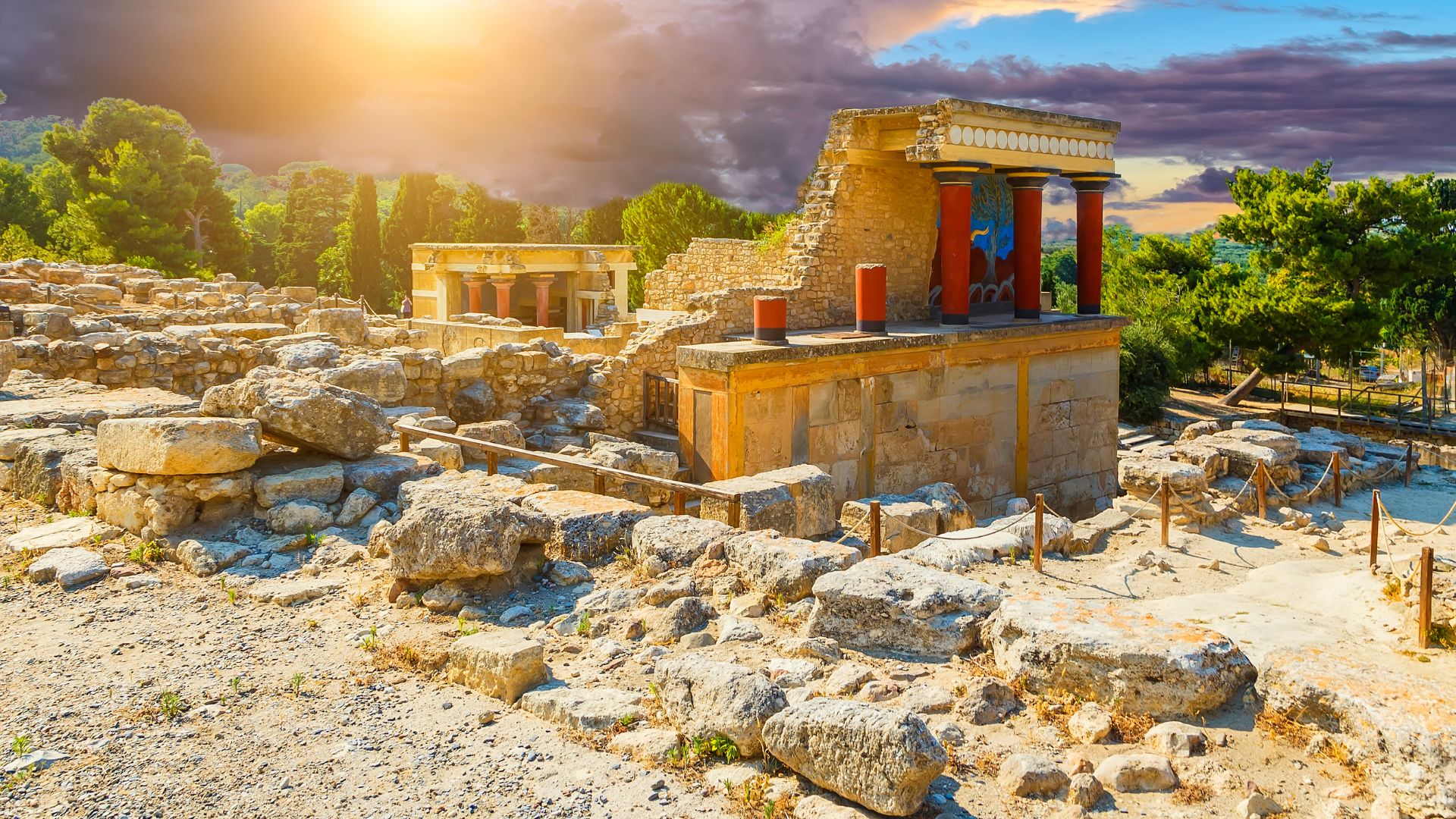
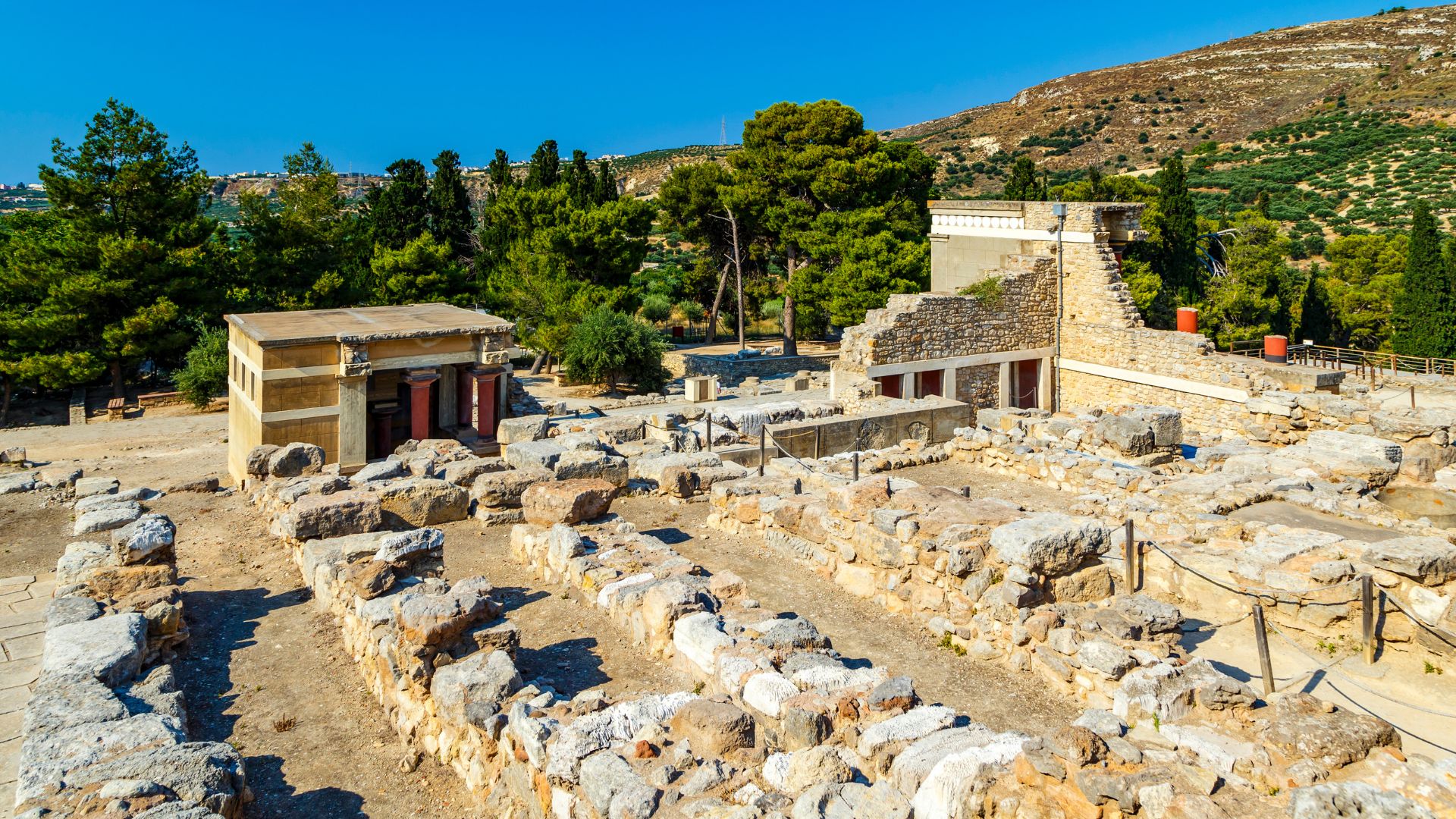
Crete’s Palace of Knossos ties directly to the Minotaur legend. Walking through those ruins feels like stepping into a myth.
Family-friendly historical sites:
- Acropolis in Athens—meet the gods
- Delphi—visit the mysterious Oracle
- Mycenae—explore ancient palaces
- Epidaurus—try the famous echo in the theater
Kids remember these stories way better after seeing the real thing.
Options for Relaxation and Adventure
Greece fits all moods—lazy beach days or wild adventures. You can switch it up as you go.
Active families can kayak, hike, climb, or hop between islands by boat. The landscape changes from region to region, so you’re never bored.
Plenty of family resorts offer pools, kids’ clubs, and activities. Many sit right on the beach, so you’re never far from a swim.
Santorini gives you those iconic boat trips and sunsets. Even young kids enjoy the cable car or a short cruise.
Wherever you go, Greeks make families feel welcome. Restaurant meals and sightseeing become easier when locals smile and chat with your kids.
Best Places in Greece for Family Holidays
Greece has a spot for every family—history buffs, beach lovers, or those who want a bit of everything. Athens, Santorini, and Crete top my list, but there are hidden gems too.
Athens: A Gateway to Ancient Wonders
Athens kicks off your Greek adventure nicely. It’s easy to get to the islands or mainland from here.
The Acropolis is the main event. Kids love the climb, and the whole place feels legendary. Go early—before 10 AM—to beat the crowds and heat.
The National Archaeological Museum is packed with treasures. Kids get a kick out of seeing artifacts from the stories they’ve read.
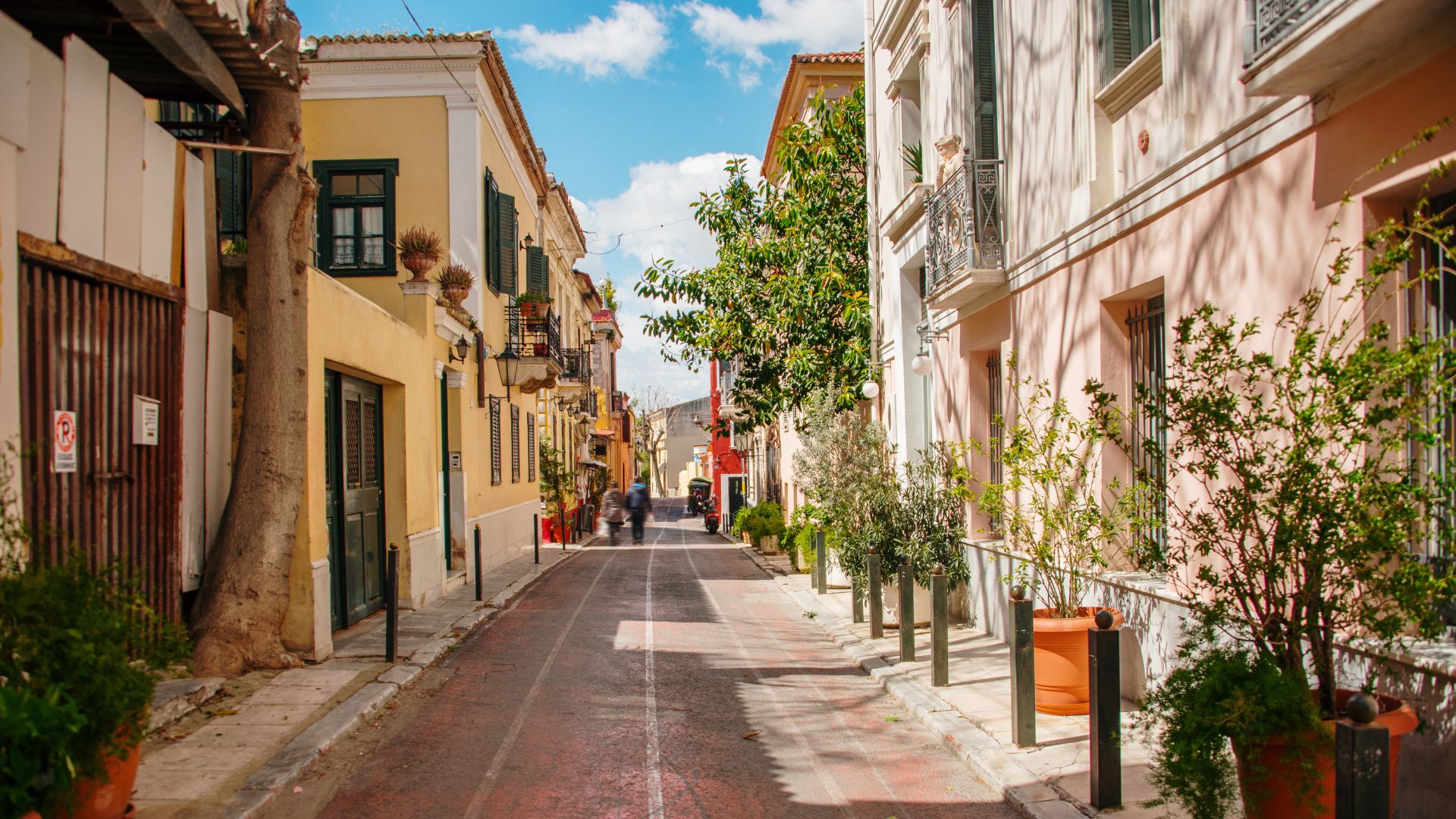
Wandering the Plaka neighborhood is a treat. The narrow streets have toy shops, ice cream, and plenty of outdoor cafés.
Athens has family-friendly hotels near all the big sites. Many offer connecting rooms and breakfast that kids actually eat.
The metro makes getting around painless. You can reach the airport, ferries, and attractions without driving.
Santorini: Iconic Sights and Sunsets
Santorini is straight out of a postcard. The white-washed towns and dramatic cliffs wow everyone, even the most jaded teen.
Oia village is the spot for sunset photos. Get there early with kids—crowds gather fast, and little ones can get lost in the shuffle.
Red Beach and Black Beach are totally different from the usual sandy stretches. The volcanic sand feels cool underfoot, and the water is just right for a splash.
Fira town has a cable car that’s always a hit. The ride is short, but the views are unforgettable.
Santorini’s family villas and hotels often have pools and balconies. Ask ahead for cribs or high chairs—they’ll usually sort it out.
Summer gets crowded. I prefer late spring or early fall—still gorgeous, but way less hectic.
Crete: All-Age Activities and Beaches
Crete is huge. You could spend a week here and still have new things to try.
Knossos Palace lets kids play out the Minotaur legend. The ruins are shady in spots, which helps on hot days.
Balos Lagoon is one of the prettiest beaches I’ve seen. The water is shallow and warm—perfect for little ones. You can hike or take a boat to get there.
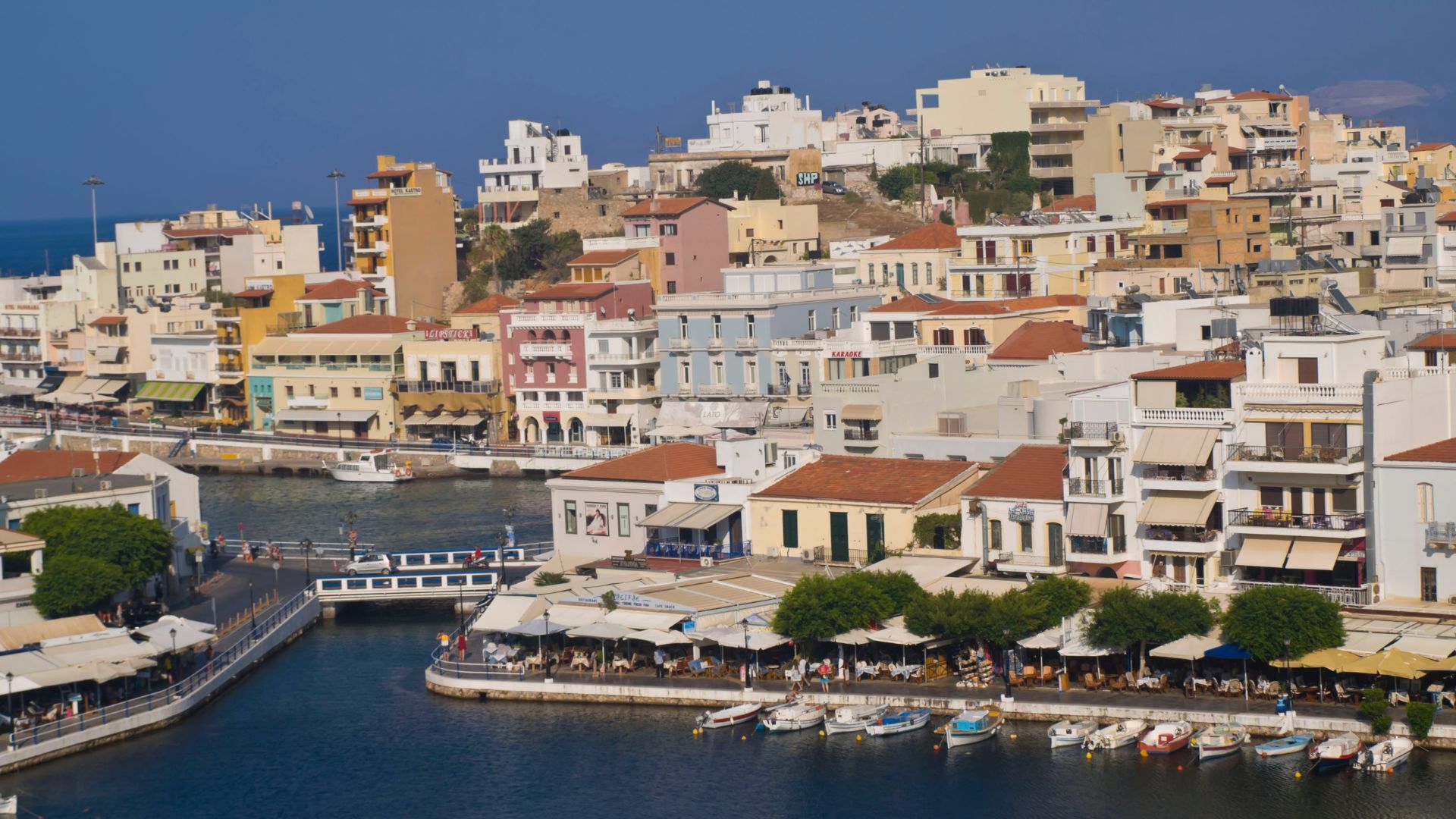
Chania old town has a Venetian harbor lined with restaurants. Kids love watching the boats while munching on fresh seafood.
Other favorites? Falassarna for sunsets, Elafonissi for the pink sand. Both have gentle waves and clear water.
You’ll find everything from big resorts with kids’ clubs to quiet mountain villas. Many places have kitchenettes for easy meals.
Exploring Mainland & Lesser-Known Islands
Ready to skip the crowds? Greece’s mainland and smaller islands offer real-deal Greek culture and plenty for families.
Meteora has jaw-dropping monasteries perched on rocks. The climb is a little challenging, but the views are worth it.
Naxos keeps things chill with wide beaches and shallow water. It’s less busy than Santorini but still has cute villages and tasty food.
Paros is great for older kids who want to try windsurfing or boating. The island has schools and tours for beginners.
Peloponnese peninsula takes you back in time with places like Olympia. Kids can run on the original Olympic track and imagine ancient athletes.
These spots cost less than the big-name islands, and the hospitality is even more personal. Family-run hotels share their favorite bakeries or beaches if you ask.
Practical Tips for a Smooth Family Vacation
A great trip comes down to the right place to stay, smart planning, and knowing how to get around before you land.
Finding Family-Friendly Properties
I always start with hotels that offer real family perks. Many Greek spots have kids’ clubs, shallow pools, and family suites.
Look for:
- Free meals for kids under 12
- Babysitting on request
- Pools with shallow ends
- Family rooms or connecting suites
All-inclusive resorts save you from meal planning stress. That’s a lifesaver when you’re wrangling hungry kids.
Book close to what you want to see. In Athens, staying in Plaka means you can walk to the Acropolis. On Crete, pick a spot near both the beach and a town—that way, food and fun are always nearby.
Check recent family reviews. They’ll mention things like high chairs and friendly staff.
Planning Excursions and Activities
I book the big stuff ahead of time. The Acropolis and Knossos Palace get crowded, especially in summer.
Smart booking tips:
- Grab skip-the-line tickets a few weeks early
- Go for morning tours—kids have more energy
- Pick guides who know how to keep kids interested
- Book boat trips or water sports at least a week out
Mix up your days. Pair a museum visit with beach time, or follow up a ruin tour with a boat ride.
Some tour companies bundle family activities, making logistics easier. These often include transfers and age-appropriate fun.
Always leave one day open. Sometimes you stumble onto a festival or just need a lazy day by the pool. Flexibility saves the day with kids.
Transportation and Getting Around
Public buses in cities like Athens are super affordable and honestly pretty reliable. I always stash some small bills for tickets and keep the routes handy on my phone, just in case.
Transportation options by location:
- Athens: Metro and buses (kids under 6 ride free)
- Large islands: Rental cars for flexibility
- Between islands: Ferry bookings (walk-on passengers save money)
- Short distances: Taxis from reputable companies
On bigger islands like Crete and Rhodes, nothing beats the freedom of a rental car. I always book car seats ahead of time, since some companies don’t have them on hand.
For island hopping, I usually grab ferry tickets online, especially in summer when things get busy. Walk-on tickets are way cheaper than hauling a rental car across the sea.
Taxis sometimes overcharge tourists—frustrating, right? I stick with ride-sharing apps if I can, or I’ll ask hotels to call a local company they trust.
Making the Most of Your Greek Family Adventure
A Greek family vacation really comes alive with a little smart planning. I’d say it’s all about mixing up learning and fun, respecting local ways, and wandering beyond the obvious spots.
Families who dive into both ancient history and beach downtime, try out Mediterranean routines, and hop over to nearby islands? They end up with the best stories.
Blending Relaxation and Learning
Mixing beach days and cultural sites keeps everyone happy—at least, that’s what works for us. I like to start the morning at the Acropolis before it gets hot, then hit the beach in the afternoon.
Perfect daily balance:
- Morning: Visit archaeological sites
- Midday: Beach time and lunch
- Late afternoon: Explore local neighborhoods
Timing is everything. I visit ancient sites like Knossos Palace in Crete early, before the crowds show up. When we’re done, we head straight to the beach—Ammoudara is a favorite for swimming and sandcastles.
History doesn’t have to be boring for kids. I let them pretend to be ancient Greek warriors at the Parthenon, and lots of museums hand out family worksheets that turn visits into treasure hunts.
Educational activities that work:
- Mythology storytelling at ruins
- Coin collecting from different eras
- Drawing ancient pottery designs
- Learning Greek numbers and letters
Don’t overbook yourself. I always leave space for surprises—maybe a festival pops up, or we stumble on street musicians in Plaka.
Local Customs and Adapting Habits
Greek family life moves at a different rhythm. I’ve learned to just go with it, and trips run way smoother.
Meals happen later than you might expect. Lunch isn’t until 2 PM, and dinner can start at 9 PM. Instead of fighting it, I slowly shift our schedule.
Greek meal timing:
- Breakfast: 8-10 AM
- Lunch: 2-3 PM
- Dinner: 9-10 PM
Afternoon naps are the norm, especially during the hot months. Shops close from 2-5 PM, which lines up perfectly for a family rest.
People here love kids. Restaurant owners often bring little treats, and locals will stop and chat with your family just because.
Cultural habits to embrace:
- Slower walking pace
- Longer meal conversations
- Afternoon quiet time
- Evening family strolls
Learning a few Greek phrases goes a long way. Even just “yasou” (hello) and “efharisto” (thank you) make locals smile.
Day Trips to Neighboring Destinations
Greece’s location makes it easy to dip into nearby countries. Ferries to Turkey run often, especially from islands like Rhodes or Kos.
The Bodrum day trip from Kos is a favorite of mine. The ferry only takes 20 minutes, and suddenly you’re in a whole new culture for the day.
Popular day trip options:
- Rhodes to Marmaris, Turkey (45 minutes)
- Kos to Bodrum, Turkey (20 minutes)
- Athens to Aegina Island (40 minutes)
- Crete to Santorini (2 hours)
Island hopping keeps things fresh. The ferry from Mykonos to Paros is just 30 minutes, but it feels like a brand new adventure.
If you’re staying in Athens, I always suggest a day trip to Hydra. There are no cars on the island, so kids can wander safely.
Day trip essentials:
- Passports for Turkey visits
- Seasickness medication
- Snacks and water
- Comfortable walking shoes
Book ferries ahead in summer. Many companies offer family discounts for kids under 12.
Frequently Asked Questions
Planning a Greek family vacation brings up all sorts of questions about where to go, where to stay, and what to do. Here are the answers to the most common ones I hear from families considering Greece for their trip.
What are some recommended destinations in Greece that cater well to family-oriented vacations?
Athens is a great starting point for any family interested in history and culture. The city has kid-friendly museums like the Acropolis Museum, plus public transport is easy to figure out.
Crete is another winner for families. You get beautiful beaches, cool archaeological sites like Knossos, and family-friendly resorts.
The Peloponnese region is perfect if you want mainland adventures. You’ll find ancient sites like Olympia and Mycenae that really bring history to life for kids.
Santorini is stunning, but honestly, it’s a bit tough with little ones because of all the steep paths. I’d say it’s best for families with older kids or teens.
How can families with young children best enjoy their stay in Greece?
Bring all your travel documents—passports for non-EU citizens, valid IDs for EU folks, and any medical papers if your child needs specific meds.
Pick places to stay that have kitchenettes. It’s a lifesaver for picky eaters. A lot of Greek hotels offer family rooms or connecting rooms, which is great for bigger groups.
Plan outings for the cooler parts of the day. Greek summers can hit 32-35°C (89-95°F), so midday can be brutal for little ones.
Greece’s healthcare system is excellent. You’ll have access to universal healthcare, but I still get travel insurance for peace of mind.
Which Greek islands are known to offer the best amenities and attractions for families?
Crete tops the list for family amenities. There are water parks, horseback riding, and loads of calm beaches perfect for kids.
Rhodes is another great choice. You get family resorts, the medieval Old Town, and easy transport around the island.
Corfu is perfect if you love lush landscapes and Venetian vibes. The beaches are gentle, and there’s plenty for families to do all summer.
Bigger islands usually have more options—think more restaurants, better medical care, and organized activities for children.
What are essential tips for a smooth and memorable family holiday in Greece?
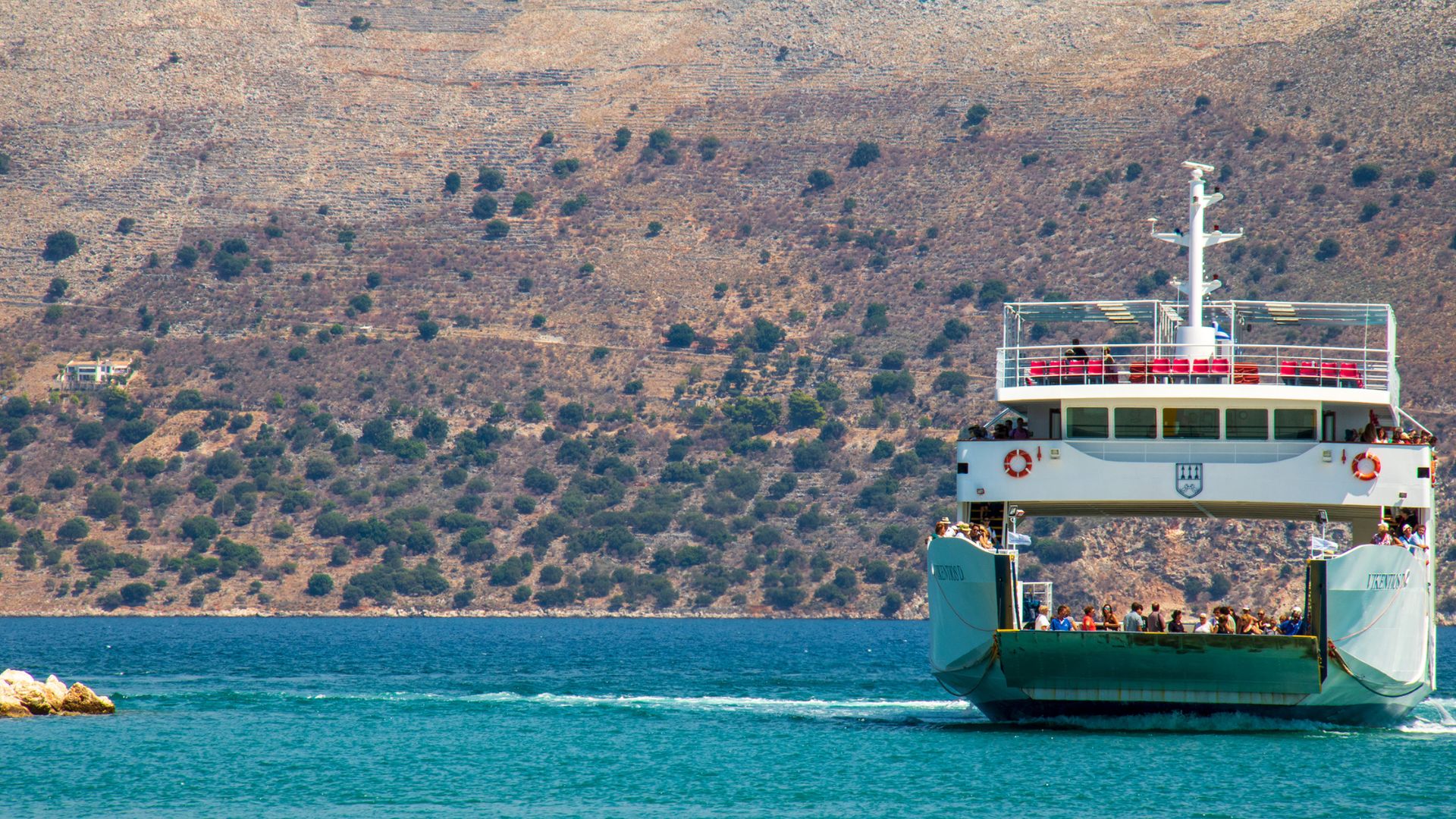
Book ferry tickets early, especially in summer. Fast ferries save you hours—some slow ones to far-off islands can take all day.
Renting a car gives you total freedom. All the big international agencies are at airports and in touristy areas.
Learn a few Greek basics like “hello” and “thank you.” Greeks really appreciate the effort, and most people under 40 speak English pretty well.
Bring comfy walking shoes. Many ancient sites have uneven ground, and it’s tough on little feet.
Can you suggest any family-friendly resorts in Greece that provide 5-star services and activities?
Big Greek islands have loads of luxury family resorts with all the bells and whistles. You’ll find kids’ clubs, water sports, and supervised activities.
Most 5-star resorts offer connecting family rooms or suites. They usually have children’s pools, playgrounds, and evening entertainment.
Crete and Rhodes are especially good for luxury family stays. Some resorts offer horseback riding, water parks, and excursions for all ages.
I always suggest booking directly with the resort. Ask about family packages—many places offer special rates and perks if you’re traveling with kids.
What activities in Greece are particularly enjoyable and suitable for kids?
Let’s be honest—archaeological sites can bore most kids to tears. But if you turn a visit into a treasure hunt or a wild mythology quest? Suddenly, you’re exploring the Acropolis or Knossos with wide-eyed adventurers chasing ancient legends.
Honestly, nothing beats a beach day in Greece. The water’s ridiculously clear, the sand’s soft, and kids can splash around or try out beginner-friendly water sports without a worry.
Got active kids? Hiking and nature walks are a hit, especially in spring or fall when the weather feels just right—think 17-23°C (63-73°F). You’ll stumble across olive groves, wildflowers, and maybe even a sleepy goat or two.
Greek cooking classes are surprisingly fun for families. I’ve watched kids roll out dough and giggle over sticky fingers, all while picking up little bits of local culture. Lots of places offer hands-on workshops where everyone gets to taste their own creations.
And don’t skip the ferry rides between islands. For children, it’s not just transportation—it’s a mini-adventure. You get those sweeping sea views, the wind in your hair, and if you’re lucky, a dolphin or two might tag along.
