
Standing on the ancient terraces of the Asklepion of Kos, I couldn’t help but feel the weight of 2,400 years of medical history under my feet. This sacred healing sanctuary, built around 357 BC and dedicated to Asclepius, the Greek god of medicine, stands out as one of the most important archaeological sites in the story of Western medicine.
Hippocrates, the father of modern medicine, set up his medical school right here and developed those ethical foundations that still guide doctors all over the world.
I realized pretty quickly that this place was way more than just an ancient hospital. It was a revolutionary center where spiritual healing and rational medicine collided—rituals, practical treatments, all woven together.
The site’s design is clever: patient rooms, hydrotherapy facilities, temples, and teaching spaces all working together to create a complete healing environment.
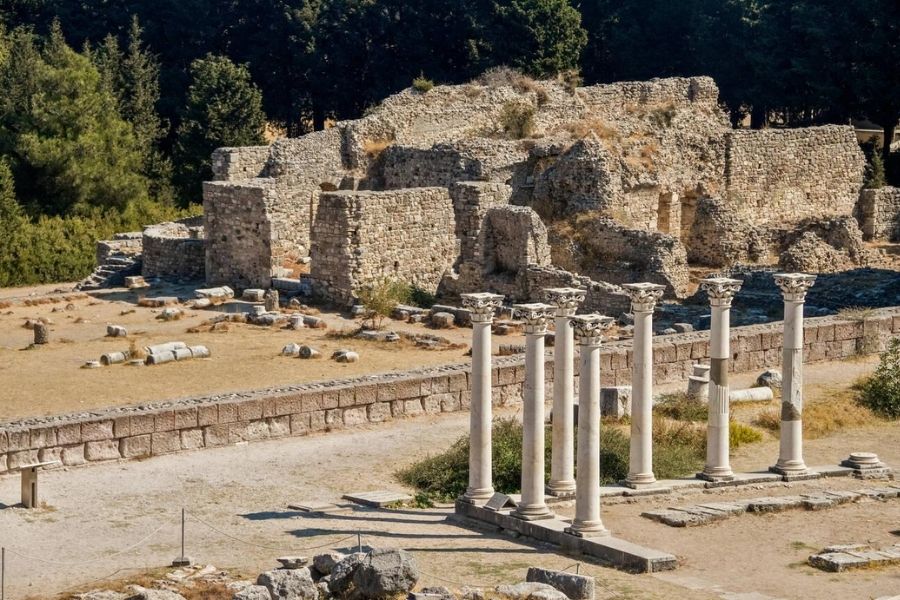
Wandering these ruins, you get to explore the birthplace of medical ethics and see firsthand the ancient healing practices that shaped modern medicine. Mythology seeps into every stone, influencing early healthcare in ways that still echo today.
The Asklepion invites you into that fascinating intersection of religion, medicine, and architecture—a place that truly changed how people approached healing.
Walking the Sacred Grounds: Experiencing the Asklepion of Kos
The Asklepion perches about 3.5 kilometers from Kos town, set on a hillside with sweeping views toward the Turkish coast. Its three-level design leads visitors through ancient healing spaces where people once came hoping for divine cures.
Location and Access on Kos Island
You’ll find the Asklepion on the slopes of a pine-dotted hill southwest of Kos town. There’s more than one way to get there.
Transportation Options:
- Public bus from Kos town
- Taxi service
- Rental car or bicycle
- Walking (about 45 minutes from the town center)
The site opens daily from 8 AM to 5 PM. Last admission is at 4:30 PM, so planning ahead is a good idea.
Admission Costs:
- Full ticket: €8
- Senior ticket: €4
- Free admission for children and EU students on certain days
From the upper terraces, the views stretch across the Aegean Sea—you can even spot the Turkish coastline. The hillside provides natural shade, thanks to the pine trees.
There’s parking near the entrance, but be ready for a bit of uphill walking on uneven ground from there to the site.
Exploring the Three Terraces
The Asklepion’s three-level layout feels unique. Each terrace played a different role in the ancient healing process.
First Terrace (Lower Level):
At the entrance level, you’ll find the remains of patient rooms and treatment areas. Hydrotherapy facilities once operated here, where patients began their healing journey.
Twenty-four stone steps connect this level to the next. They’re more than just stairs—they represent the patient’s path toward recovery.
Second Terrace (Middle Level):
Here, the Abaton stands out—a sacred sleeping hall where patients came for dream therapy. An ancient altar dedicated to Asclepius anchors this terrace.
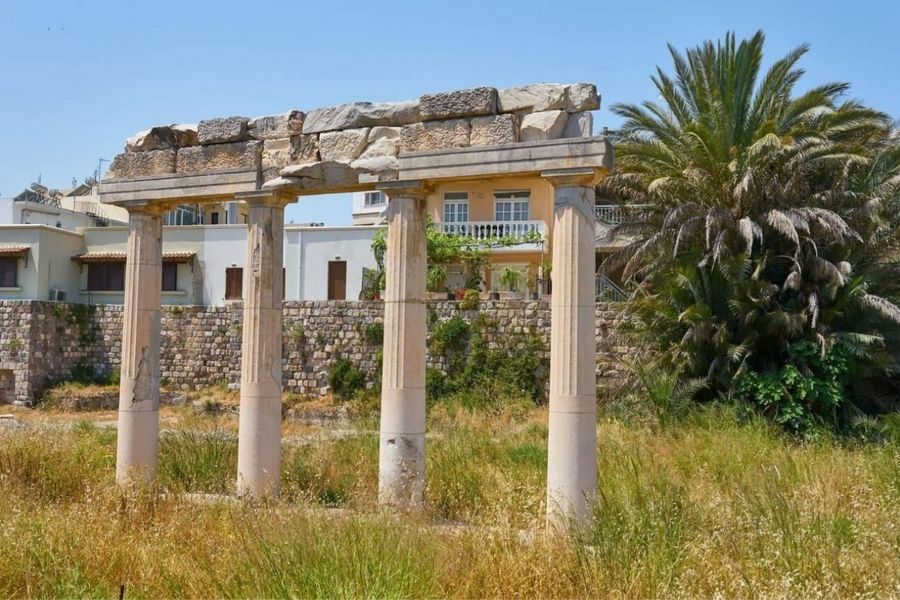
The middle terrace served as the heart of therapy. You can see the foundations of treatment rooms and spaces for ritual.
Third Terrace (Upper Level):
At the top, the grand Doric temple of Asclepius dominates the complex. This was the most sacred spot, surrounded by more patient rooms.
The upper terrace gives you the best panoramic views. On a clear day, you can see right across Kos town and out to the neighboring islands.
Atmosphere and Visitor Experience
Walking through the Asklepion, I felt a sense of ancient reverence. Despite its popularity, the site feels peaceful.
The natural setting adds to the magic. Pine trees cast dappled shade over the ruins, and sea breezes sometimes carry the scent of wild herbs up the hillside.
Bring sun protection and comfortable shoes. The stone paths and steps can be uneven, and you’ll want to wander between levels.
What caught my eye:
- Foundations of old treatment rooms
- Remains of the sacred spring
- Carved stone inscriptions and reliefs
- Sweeping views across the Dodecanese islands
You can explore the site in about 1-2 hours. Information panels help explain each area’s function. There’s something about the peaceful atmosphere that makes it easier to imagine how patients must have felt arriving here so long ago.
Early morning or late afternoon is the sweet spot for photos. The golden hour lights up the ancient stones against that deep blue Aegean backdrop.
The Legacy of Hippocrates and the Birth of Western Medicine
Hippocrates took medicine out of the realm of mysticism and turned it into a science grounded in observation and natural causes. At the Asklepion, he laid down ethical standards and systematic approaches that still shape how doctors work today.
Hippocrates’ Connection to the Asklepion
Hippocrates was born on Kos around 460 BC. His father and grandfather both served as priest-physicians at the Asklepion.
That family connection gave him early access to the healing knowledge and practices of this sacred center. He learned traditional methods but started to develop his own groundbreaking ideas.
The Asklepion wasn’t just a religious sanctuary—it doubled as a medical center. Hippocrates could observe patients and study diseases in ways that weren’t possible elsewhere.
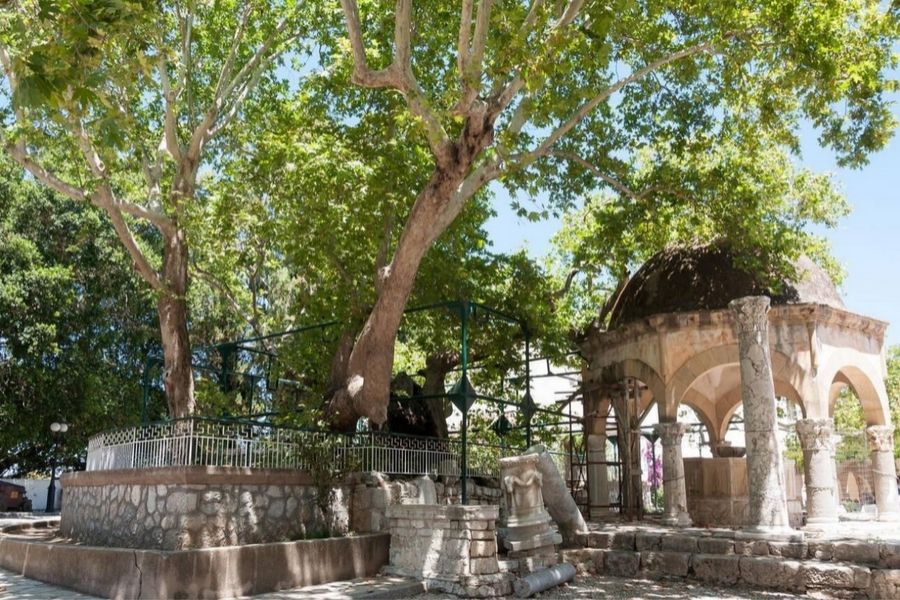
His time here shaped his views on how the body works. He began to wonder if illness really came from the gods or if something else was at play.
Teaching and the Medical School
Hippocrates set up a medical school at the Asklepion that quickly earned a reputation across the ancient world. Students made the journey from far and wide just to learn from him.
The school operated right near the temple grounds. There was a big portico where Hippocrates gave lectures and led discussions about medical cases.
He taught his students to observe patients carefully. They learned to examine symptoms, track how diseases developed, and document everything.
The school produced the Hippocratic Corpus—a collection of over 60 medical texts. These writings covered surgery, anatomy, and treatments that kept influencing medicine for centuries.
Development of Rational Medicine
Hippocrates didn’t buy into the idea that gods caused disease. He believed that natural factors—diet, environment, lifestyle—played a bigger role in health.
He created systematic ways to examine patients and diagnose illnesses. That approach really kicked off clinical observation in medicine.
His theories included the famous four humors: blood, phlegm, yellow bile, and black bile. When those were in balance, people stayed healthy.
Hippocrates taught doctors to look at the whole person—not just the symptoms. This holistic approach considered a patient’s living conditions, emotions, and daily habits.
By focusing on natural causes, he laid the groundwork for scientific medicine. Doctors began to rely on evidence and logic, moving away from supernatural explanations.
Medical Ethics and the Hippocratic Oath
The Father of Medicine introduced ethical guidelines that still shape medical practice. His most famous creation? The Hippocratic Oath.
The oath’s core principle is “first, do no harm.” Doctors have to weigh whether treatments might hurt patients before they try to help.
Medical ethics from Hippocrates also emphasized patient confidentiality. Doctors promised to keep secrets and treat all patients with respect.
Passing on knowledge was a big deal, too. The oath required doctors to teach what they knew, sparking a tradition of medical education that’s still alive today.
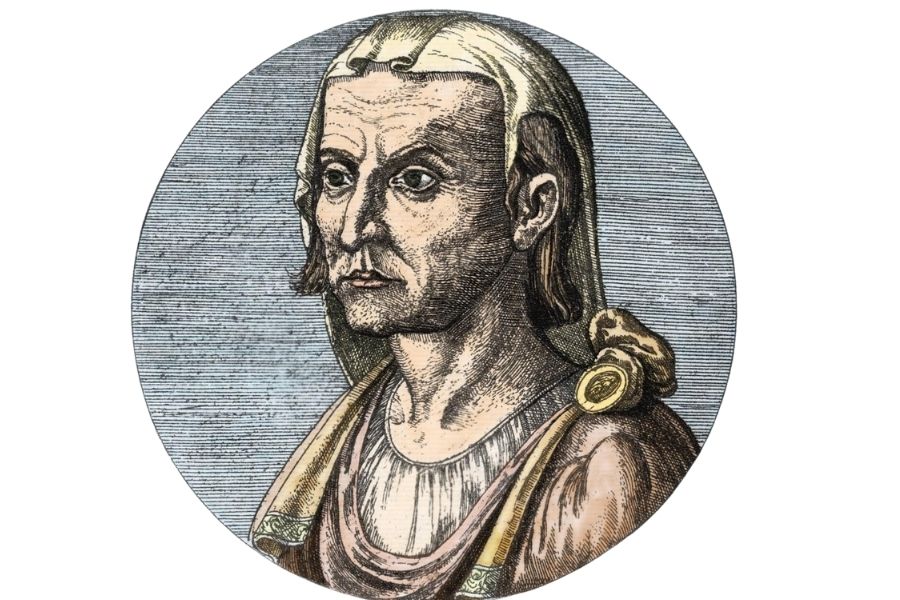
These standards helped turn medicine into a respected profession. Doctors became trusted members of society, expected to follow clear moral rules.
Ancient Healing Practices and Rituals
The Asklepion of Kos pioneered treatments that blended physical therapies with spiritual practices. This holistic approach influenced medicine for centuries, with patients experiencing dream interpretation, water-based therapies, and sacred rituals meant to heal both body and spirit.
Dream Therapy and the Abaton
The Abaton was the most sacred spot in the sanctuary. On the second terrace, this rectangular building welcomed patients who hoped for healing dreams from Asclepius.
Priests guided patients through purification rituals before they entered—fasting and ceremonial baths helped prepare both mind and body.
Dream therapy techniques:
- Hypnosis to encourage deeper sleep
- Use of hallucinogenic plants (yes, really)
- Priests interpreting dreams
- Recording visions for later medical analysis
Patients believed Asclepius himself would appear in their dreams to diagnose and even cure them. Sometimes, the god prescribed treatments or performed miraculous healings in these visions.
Priests acted as interpreters, translating those dream symbols into practical advice. Honestly, it’s a bit like ancient psychology meeting early medicine.
Holistic Treatments and Physical Therapies
Katharsis formed the foundation of treatment here. The idea was to treat the whole person, not just the symptoms.
Patients followed strict dietary changes tailored to their conditions. The right foods supposedly helped restore balance.
Physical therapies included:
- Massage with medicinal oils
- Exercise in outdoor gymnasia
- Music therapy for mental well-being
- Herbal medicine from local plants
Rest was a big part of the routine, too. Quiet gardens offered space for natural healing.
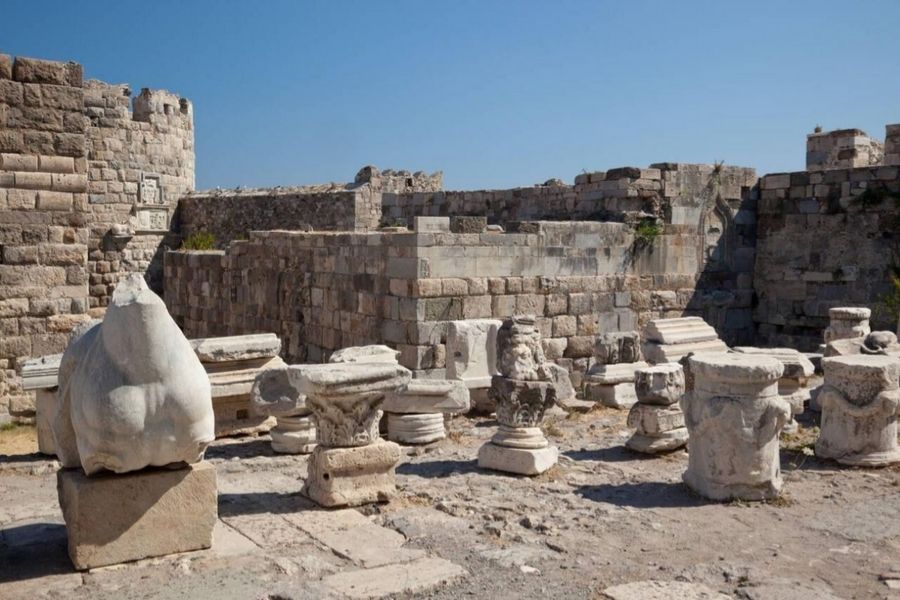
Physicians here didn’t separate mind, body, and spirit. They treated emotional distress alongside physical issues, using a mix of methods.
Hydrotherapy and Roman Baths
Water played a starring role in healing at the Asklepion. On the first terrace, elaborate hydrotherapy facilities drew from natural springs.
Patients used different water temperatures for different conditions. Cold baths soothed inflammation, while warm water relaxed muscles and joints.
Bath treatments included:
- Drinking sacred spring water
- Mineral baths for skin problems
- Steam rooms for breathing issues
- Underwater massage
Later, the Romans expanded these facilities, adding more luxurious touches but keeping the focus on healing.
Priests always blessed the waters before treatments. They believed the springs carried healing power straight from Asclepius.
Votive Offerings and Spiritual Cures
Votive offerings connected patients with divine healing through physical gifts. I noticed marble and clay sculptures shaped like body parts needing treatment.
Patients brought these offerings before starting their healing journey. Common gifts included miniature limbs, organs, or even tools from their professions.
Spiritual cures involved:
- Prayer at temple altars
- Incense for purification
- Encounters with sacred snakes (the symbol of Asclepius)
- Pilgrimage walks around the temple
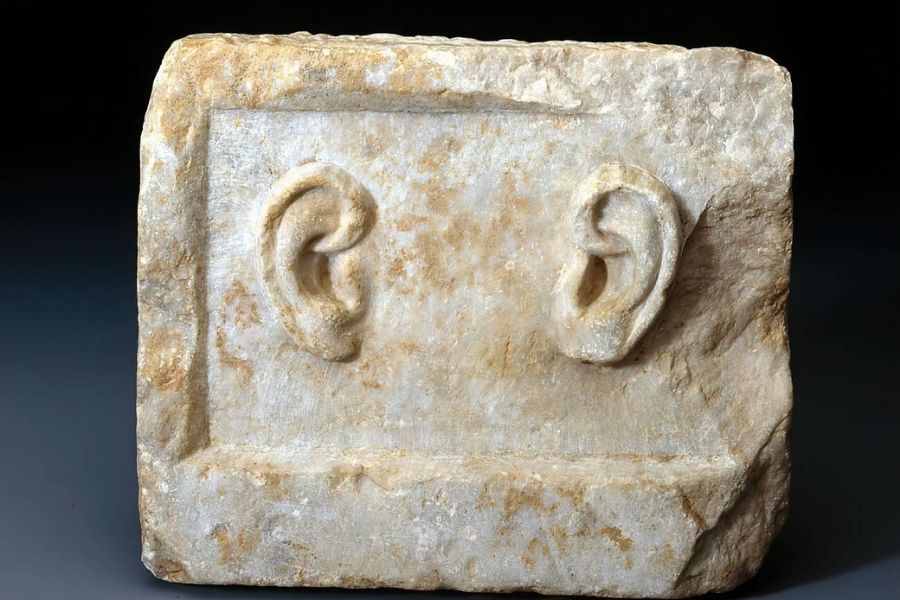
The offerings stayed in the temple as permanent prayers. Archaeologists have found thousands of these items at the site.
When healing happened, some patients returned with gold or silver offerings to give thanks—these gifts helped fund the temple and expand its medical facilities.
Mythology and Divine Figures: Asclepius, Apollo, and Beyond
The sacred grounds of the Asklepion of Kos rest on a deep foundation of Greek mythology. At the center stands Asclepius, the divine healer whose legendary powers shaped ancient medicine. His ties with Apollo and Zeus created a mythological framework that gave spiritual meaning to the healing practices found here.
Origins of Asclepius in Greek Mythology
Asclepius’s origin story is one of Greek mythology’s most dramatic. His father, Apollo, fell for Coronis, a mortal princess. When Coronis was unfaithful, Apollo killed her in anger.
But before she died, Apollo saved his unborn son by cutting him from her womb. That violent beginning gave Asclepius a dual nature—divine, yet deeply connected to human pain.
The centaur Chiron raised Asclepius and taught him the healing arts. Chiron was famous for his medical wisdom and mentored many heroes. Under Chiron’s guidance, Asclepius learned about herbal remedies and surgery.
His skills grew so strong that he could even bring the dead back to life. That power made him famous—and dangerous. The myths say he resurrected several people, including fallen heroes.
Key Mythology Points:
- Divine father: Apollo
- Mortal mother: Coronis
- Mentor: Chiron the centaur
- Extraordinary power: resurrection
Role of Apollo and Zeus
Apollo’s role as Asclepius’s father created a direct link between prophecy, music, and healing. As the god of light and knowledge, Apollo passed down medical wisdom to his son.
Many Asklepion sanctuaries, including Kos, honored both Apollo and Asclepius. Patients often prayed to both gods during their healing journey.
Zeus’s role was more complicated. He worried that Asclepius’s power to resurrect the dead would upset the balance between life and death.
Hades complained to Zeus about losing souls from the underworld. Zeus responded by striking Asclepius down with a thunderbolt, killing him but turning him into a constellation.
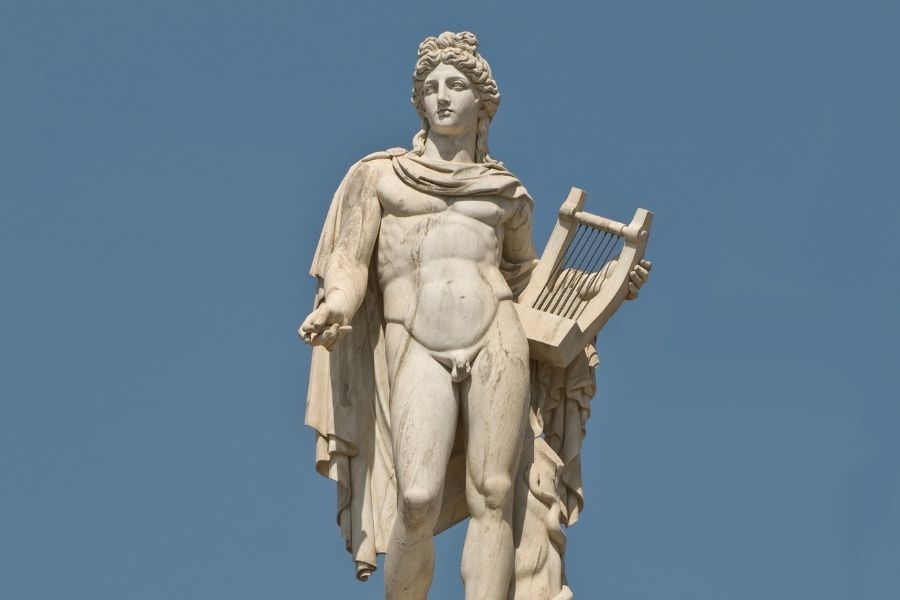
Apollo, furious over his son’s death, killed the Cyclopes who forged Zeus’s thunderbolts. That divine conflict just shows how important Asclepius was in the mythological world.
God of Medicine and Healing Traditions
Asclepius rose to fame as the main divine figure in ancient Greek medicine after his death and transformation. People still recognize his rod with a single serpent as a symbol of medicine.
The serpent, always shedding its skin, symbolized renewal and rebirth. That image really fits healing and recovery. I imagine patients at the Asklepion found comfort in it.
Ancient Greeks created rituals around Asclepius worship. One fascinating practice, incubation, meant sleeping in his temples to receive healing dreams. Patients believed Asclepius would visit them in their sleep and offer medical advice.
Asclepius’s Divine Family:
- Hygieia – daughter, goddess of hygiene and health
- Panacea – daughter, goddess of universal healing
- Telesphoros – son, god of recovery and convalescence
His healing temples spread all over the Greek world. Each Asklepion turned into a place where myth blended with medicine. Priests acted as both religious leaders and medical practitioners.
People in ancient times saw illness as both a physical and spiritual challenge. They believed true healing needed both divine help and practical treatments.
Architectural Marvels and Archaeological Discoveries
The Asklepion of Kos stands out for its incredible architecture, spanning many historical eras. Its three-tiered design, with Doric columns, terraced levels, and a mix of Greek and Roman features, really catches the eye.
Doric Temple of Asclepius
The Doric Temple of Asclepius dominates the Asklepion complex. I can almost picture how its marble columns towered over the highest terrace.
This temple had classic Doric architecture with sturdy columns and a grand pediment. Built around 357 BC during the Hellenistic period, it became the main place to worship Asclepius.
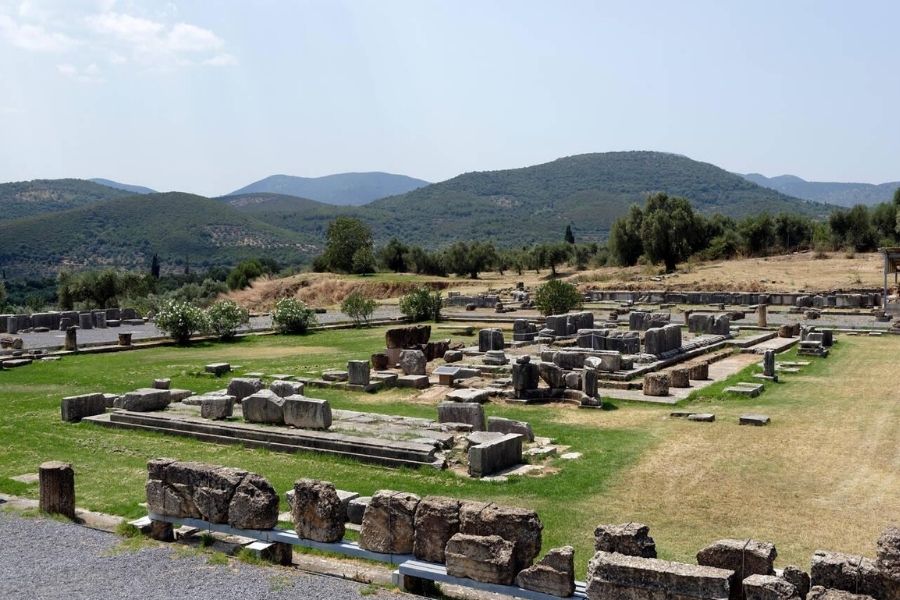
Key architectural features:
- Marble construction with Doric columns
- Elevated on the upper terrace
- Sacred altar for ceremonies
- Carvings showing healing scenes
The temple’s design created an atmosphere of awe and hope. Patients and visitors climbed up to this sacred space, hoping for help from the god of medicine.
Terraces, Altars, and Porticoes
The Asklepion’s three-tiered layout really stands out as an architectural innovation. Each level had its own role in the healing process.
The lower terrace held patient quarters and treatment rooms. A stoa, or covered walkway, gave shelter and a place for patients and scholars to gather.
The middle terrace featured the main altar and ceremonial areas. People made offerings to Asclepius here.
The upper terrace held the main temple and sacred spaces. Porticoes connected the different parts, so you could walk under cover throughout the complex.
The Abaton, or sleeping hall, had a special spot among the terraces. Patients came here for “dream healing,” hoping Asclepius would visit them as they slept.
Roman and Hellenistic Influences
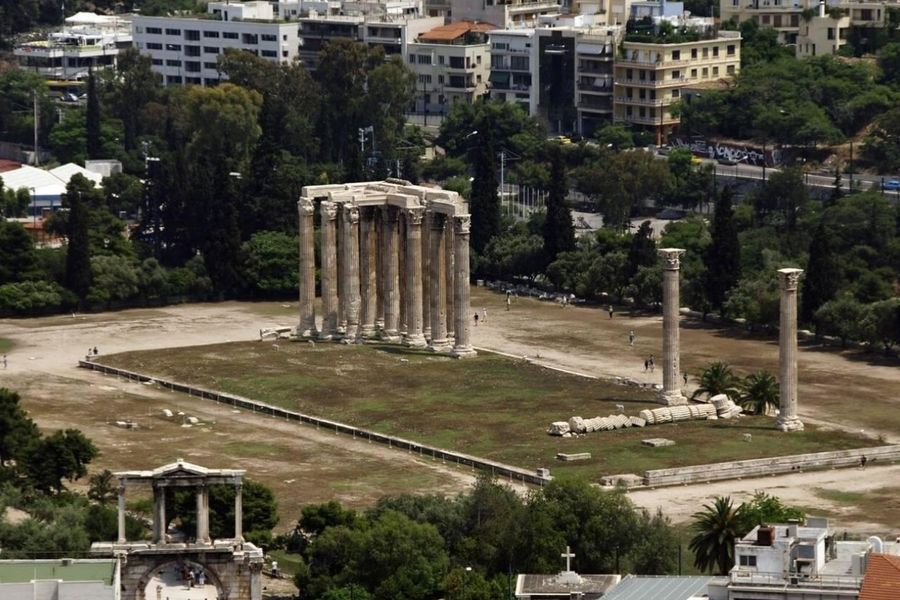
The site shows clear traces of both Greek and Roman periods. The original Hellenistic construction from 357 BC set the stage.
Later, Roman additions expanded the complex. They added new treatment areas, improved baths, and installed advanced plumbing.
Romans brought in:
- Hypocaust heating systems for warm baths
- Better water management with aqueducts
- Decorative mosaics in patient areas
- Larger treatment facilities
These upgrades reflected new medical practices but kept the site’s sacred feel. The blend of styles shows how the Asklepion changed over time.
Archaeologists keep uncovering new details about ancient medicine and building techniques across Asia Minor.
The Asklepion’s Enduring Influence and Modern Significance
The Asklepion of Kos still shapes medicine and cultural heritage today. It stands as a proud symbol of Greek history and a bridge between ancient wisdom and modern healthcare.
I find it amazing that visitors can walk the grounds where Hippocrates taught and see the birthplace of ethical medicine.
Importance for Kos and Greece
The Asklepion is one of Greece’s most important archaeological sites. Locals take real pride in this ancient center that once drew patients and scholars from all over the Mediterranean.
For Kos, the Asklepion is much more than just ruins. It’s a symbol of the island’s contribution to civilization. Every year, thousands of visitors come here, giving a boost to the local economy and tourism.
Cultural Significance:
- Source of national pride
- Symbol of ancient Greek medical achievements
- Top tourist attraction for Kos
- Educational resource for exploring ancient civilizations
The Greek government protects the Asklepion as an archaeological site. Ongoing conservation helps future generations walk these sacred grounds where medical history started.
Legacy in Modern Medicine
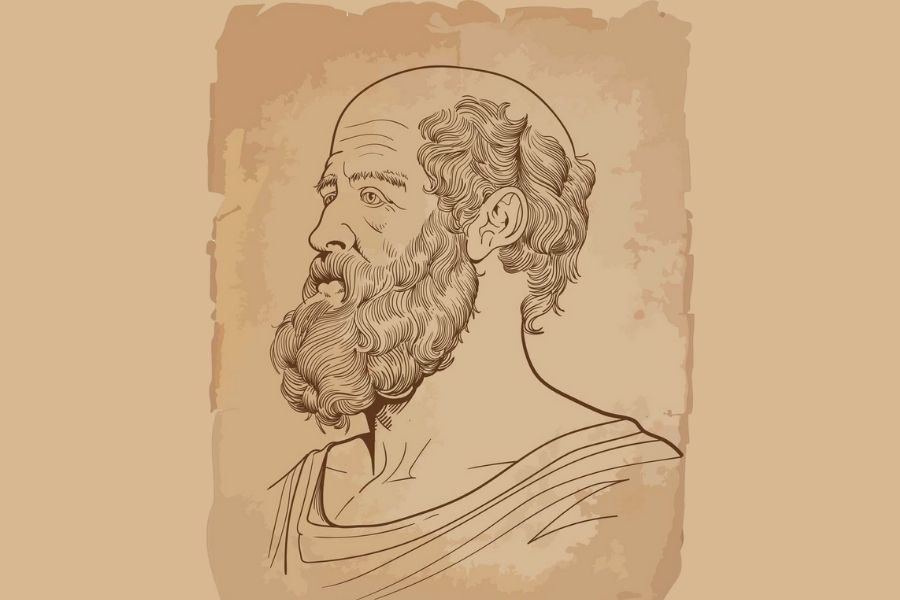
The Asklepion’s influence stretches far beyond Greece and into today’s medicine. Hippocrates developed principles here that doctors still follow, even after 2,000 years.
The Hippocratic Oath—born at this site—remains the backbone of medical ethics worldwide. Doctors everywhere still pledge to “first, do no harm,” echoing words first spoken here.
Modern Medical Practices Rooted in the Asklepion:
- Observing and recording patient symptoms
- Using natural healing methods
- Treating mind and body together
- Teaching medicine through apprenticeship
- Upholding ethical standards for doctors
Medical schools today still teach the rational, natural approach to illness that Hippocrates introduced here. He focused on natural causes, not just the supernatural, and that shift paved the way for modern scientific medicine.
Visiting Today: Preserving Ancient Traditions
Visiting the Asklepion today feels like stepping into the past. The three-tiered complex is still mostly intact, so you can follow the same path ancient patients once did.
You can walk along the original layout, imagining how the healing process unfolded on these stones. It’s a pretty powerful experience.
What Visitors Can See Today:
- Temple foundations
- Sacred altars and ceremonial spaces
- Patient treatment rooms
- The teaching areas where Hippocrates worked
- Gorgeous views of the Aegean Sea
Conservation teams keep the site in good shape and open to the public. Guided tours help bring the ancient medical practices to life, connecting old wisdom with today’s healthcare.
Archaeologists keep studying and preserving the site, making sure the Asklepion’s story continues for future generations of doctors and history lovers.
Frequently Asked Questions
The Asklepion of Kos served as both a medical center and a sacred sanctuary. Visitors today can explore its ruins and learn about its ties to Hippocrates and ancient Greek healing practices.
What were the primary functions of the Asklepion of Kos in ancient times?
The Asklepion was the ancient world’s most important medical center during the Hellenistic era. Patients traveled from all over the Mediterranean for treatment at this healing sanctuary.
It worked as both a hospital and a religious site. Treatments included natural remedies, water therapy, and early forms of psychotherapy.
The Asklepion also functioned as a medical school. Students learned from top physicians and absorbed teachings that shaped medicine across Greece.
Religious ceremonies happened at the central altar of Asklepios. Patients took part in dream healing rituals in the Abaton sleeping hall.
How did the teachings of Hippocrates influence the practices at the Asklepion of Kos?
Hippocrates taught and practiced medicine at the Asklepion. His ideas turned the site into a center for rational medicine, not just religious healing.
The Hippocratic Oath probably started here. This code focused on treating patients with dignity and avoiding harm.
Hippocrates pushed for careful observation and note-taking. He encouraged doctors to study diseases systematically, not just rely on the gods.
He introduced holistic healing, treating both body and mind together.
Can visitors explore the architectural remnants of the Asklepion of Kos today?
Absolutely, you can walk through the site in eastern Kos. The ruins reveal the complex’s unique three-tiered layout, which reflects ancient healing methods.
You’ll spot remnants of the Temple of Asklepios with its Doric columns. The North and South Propylons still mark the main entrances.
The marble altar dedicated to Asklepios stands despite centuries of weathering. Foundations of the stoa, where medical education happened, are also visible.
The ruins of the Abaton sleeping hall show where patients hoped for dream healing. These remains help visitors get a feel for ancient Greek medical practices.
What role did the Asklepion of Kos play in the development of medical knowledge in ancient Greece?
The Asklepion set many medical standards still used today. It pioneered combining physical treatment with mental and spiritual care.
The site became a training ground for doctors from all over. Medical knowledge developed here spread throughout Greek colonies and beyond.
Hippocrates and his followers recorded treatments and results at the Asklepion. These records became the base for systematic medical education.
The complex showed that healing needed both scientific observation and compassionate care. That approach shaped medical ethics for centuries.
Are there any significant artifacts or inscriptions from the Asklepion of Kos preserved in museums?
Museums, including the Archaeological Museum of Kos, house many artifacts from the Asklepion. You can see medical instruments and votive offerings from grateful patients.
Stone tablets with inscriptions detail treatments and cures. These texts offer valuable insights into ancient medical practices.
Marble altar fragments display carvings of healing scenes. These works show how Greeks saw the link between the divine and medicine.
Votive reliefs left by patients still survive in museum collections. They show the trust people placed in the Asklepion’s healing powers.
How did ancient Greek beliefs in Asklepios as a healing deity manifest at the Asklepion of Kos?
People genuinely believed Asklepios would visit them in dreams and offer healing advice. The Abaton sleeping hall? That’s where they’d wait, hoping for these mysterious, divine encounters.
At the heart of the sanctuary, the central altar drew everyone in for ceremonies. Before any medical care, you’d see patients making offerings and joining in rituals, almost as if they were seeking a little extra luck from the gods.
I still remember the stories about the sacred snakes slithering around the temple grounds. Locals saw these serpents as living proof that Asklepios was close by, watching over the sick.
What struck me most was how the whole complex brought together worship and medicine. Ancient Greeks didn’t just rely on doctors—they wanted the gods on their side too, believing true healing needed both human effort and a touch of the divine.