
I stumbled onto Nevada City and Grass Valley during a meandering road trip through California’s Gold Country. These twin towns, tucked just four miles apart in the Sierra Nevada foothills, immediately grabbed my attention with their rare blend of Gold Rush-era charm and a surprisingly lively, modern vibe.
Honestly, what blew me away was how both towns managed to keep their old-school character alive while still feeling full of energy. Nevada City, once crowned the “Queen City of the Northern Mines” back in the 1850s, still draws people who want a taste of real Gold Country—without all the tacky tourist stuff.
While wandering around, I found hidden gems, heard some wild stories, and picked up a bunch of tips that I wish I’d known before visiting. Victorian mansions, underground mine tours, quirky festivals, and farm-to-table restaurants—these towns offer way more than your average tourist stop.

First Impressions of Nevada City & Grass Valley
Walking through Nevada City and Grass Valley honestly feels like stepping into a living museum. Victorian architecture lines the streets, but there’s this mountain-town energy that keeps things from feeling stuffy.
Each city brings its own flavor. They share that gold rush heritage and the crisp mountain air, but you can definitely feel the differences.
Atmosphere of the Twin Towns
When I rolled into Nevada City, the peaceful vibe hit me right away. Compared to the chaos of LA or the Bay Area, it’s so quiet here.
People actually slow down. Locals describe Nevada City as having a “witchy/hippie vibe,” and I get it. Broad Street is dotted with shops selling crystals, handmade art, and organic goodies.
The town feels creative and just a little bit mystical.
Key atmospheric differences:
- Nevada City: Bohemian, artsy, laid-back
- Grass Valley: More practical, commercial, family-oriented
Grass Valley, on the other hand, feels like a working town. Bigger stores, more services, and lots of families. The downtown buzzes with daily life.
But both towns share that friendly, small-town feel. I met so many welcoming folks—everyone seemed eager to chat or give directions.
Initial Discoveries in the Historic Districts
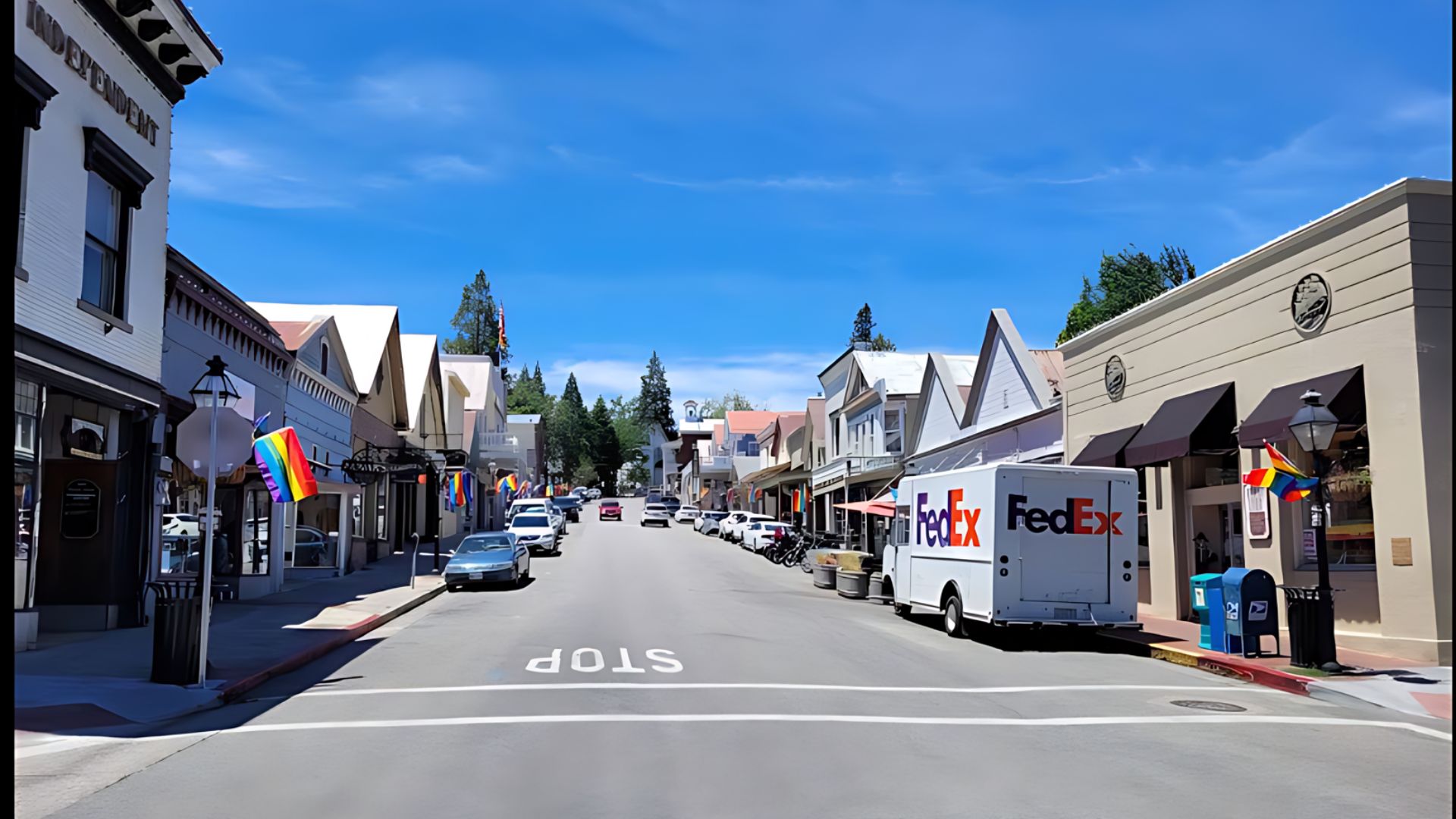
Downtown Nevada City stopped me in my tracks. The Victorian buildings look straight out of a movie set.
The National Hotel stands as the centerpiece. Built in the 1850s, it’s a living reminder of the gold rush days. So many of these buildings have been kept in amazing shape.
Grass Valley’s historic core centers on Mill Street and Main Street. Here, old and new blend together—historic hotels sit next to trendy shops.
Notable historic features:
- Gold Rush era buildings
- Victorian facades
- Preserved mining relics
- Old hotels and theaters
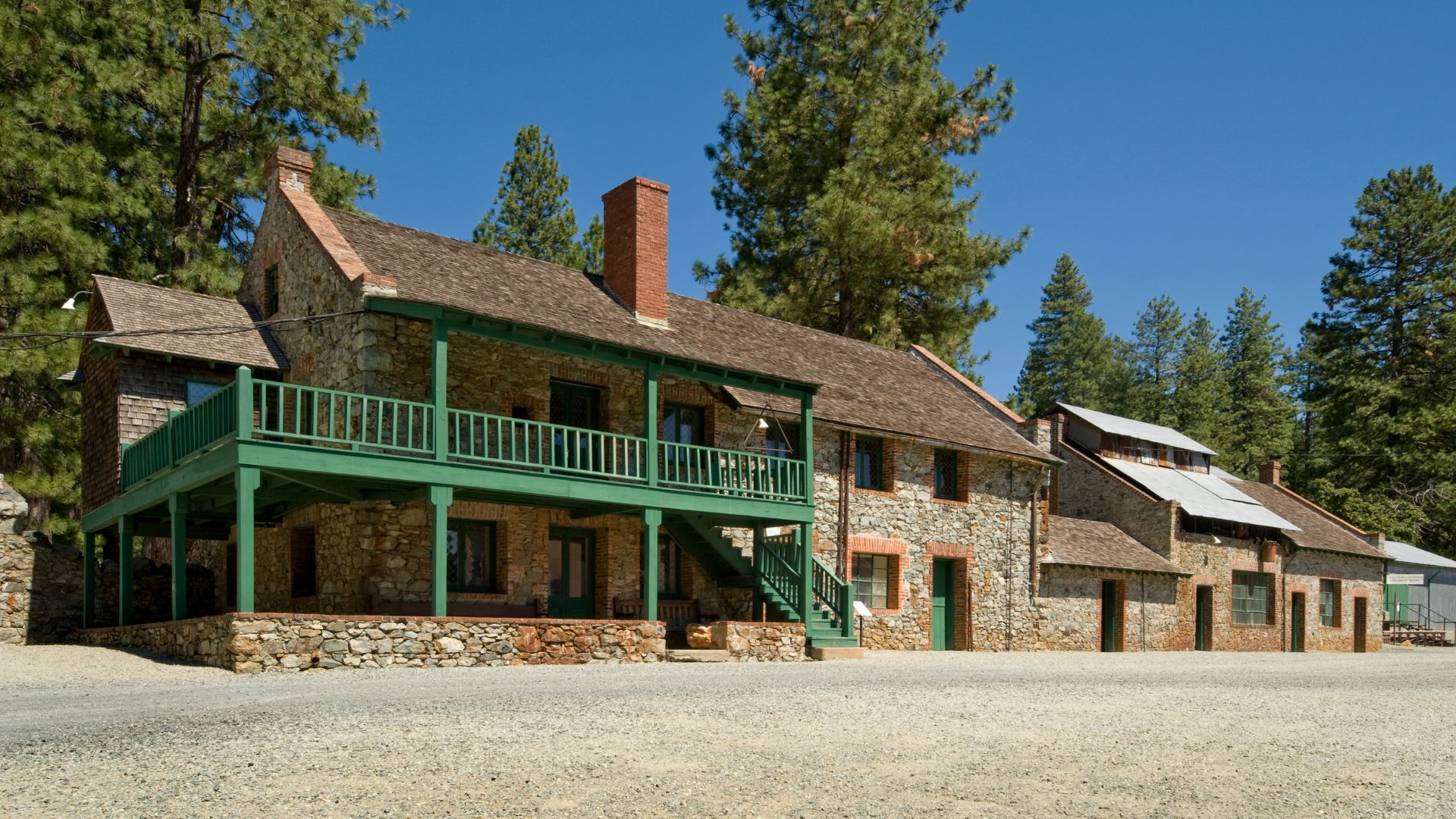
Empire Mine State Park is right in Grass Valley. Wandering among the old mining equipment and stone buildings, I felt like I’d slipped back in time.
Contrasts and Connections Between the Cities
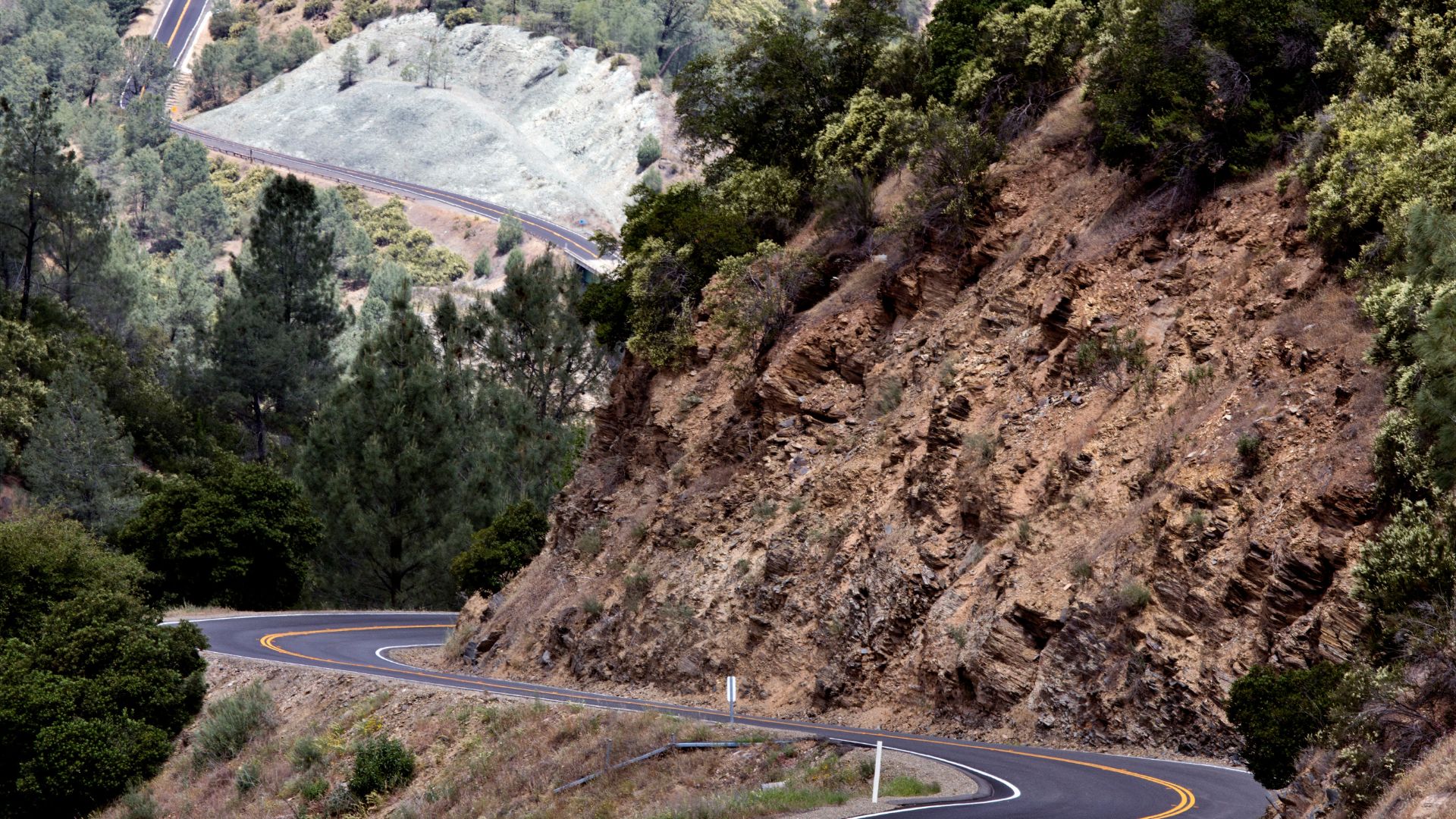
The towns hug Highway 49, just ten minutes apart by car. It barely feels like you’re leaving one before entering the other.
Nevada City draws people looking for art, culture, and a more alternative lifestyle. It’s packed with galleries and unique shops.
Grass Valley is the practical hub. Bigger grocery stores, medical offices, and schools make it the go-to for families. People often live in Grass Valley and head to Nevada City for entertainment.
Transportation and access:
- Connected by Highway 49
- Easy 10-minute drive between centers
- Shared airport shuttle
- Sacramento is a quick hop away
Outdoor lovers will feel right at home. Hiking, skiing, and climbing are all close by, with the Sierra Nevada mountains rising in the background.
Living here costs less than the Bay Area, but it’s pricier than some rural spots. Housing prices run pretty similar in both towns.
Historical Significance in the Gold Country
Nevada City and Grass Valley have become two of California’s most important mining towns. Nevada City picked up the “Queen City of the Northern Mines” title for good reason. These towns pumped out over $500 million in gold and kept their mines running longer than anywhere else in the state.
Legacy of the Gold Rush Era
Gold first turned up in Grass Valley in October 1850, when George McKnight struck gold quartz. That discovery kicked off California’s hardrock mining industry.
By the mid-1850s, both towns had grown from rough camps into real communities. Grass Valley became the state’s richest mining town thanks to its deep underground mines.
The Empire Mine ran from 1850 all the way to 1956, churning out 5.8 million ounces of gold from a crazy 367 miles of tunnels. It’s one of the country’s longest-running gold mines.
Mining Statistics:
- Peak miners in California: 120,000 (mid-1850s)
- Miners by 1873: 30,000
- Gold found within a mile of Grass Valley: $500 million
Even during the Great Depression, Grass Valley kept going strong because of mining. Hundreds of workers found steady jobs in the hardrock and hydraulic mines.
The Origin of the “Queen City of the Northern Mines”
Nevada City earned its royal nickname by serving as the commercial and cultural heart of the northern mining region.
The town became the main hub for nearby mining camps. Merchants, miners, and suppliers all converged here.
Prosperity showed up in the city’s business district and Victorian neighborhoods. People came from all over—England, Germany, Chile, China—to try their luck and build new lives.
Nevada City’s foundries and machine shops powered mining efforts all over the region. The first Pelton Wheel, a game-changer for hydroelectric power, was built at the Miners Foundry in 1879.
Notable Landmarks and Architecture
Both towns have done a remarkable job preserving their Victorian architecture and mining legacy.
Key Historic Sites:
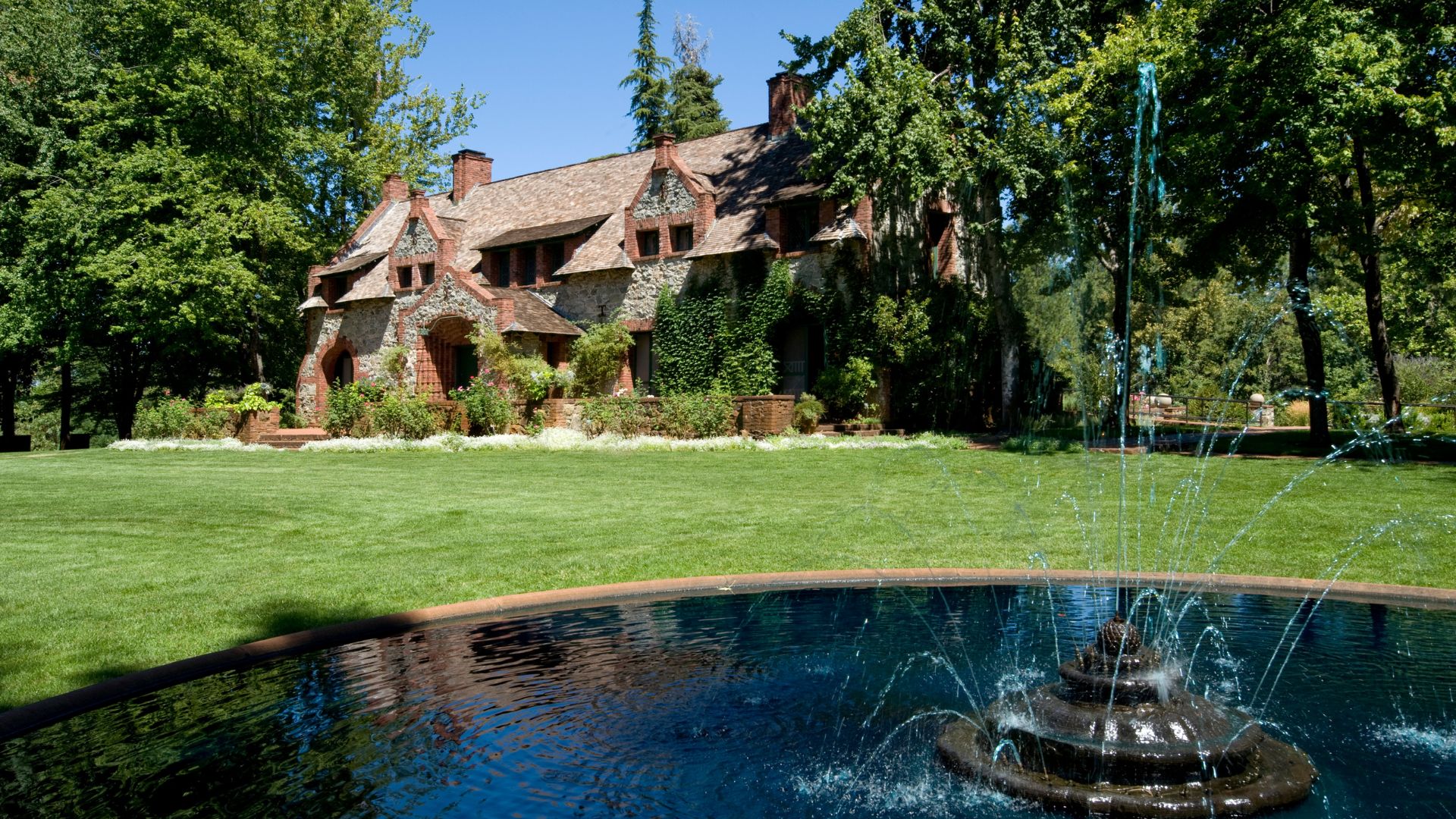
- Empire Mine State Historic Park: 800 acres with the main shaft and the mine owner’s stone mansion
- North Star Mining Museum: California’s most complete hardrock mining museum, set in an 1895 stone powerhouse
- Miners Foundry: Operating since 1856, now a cultural center with original stone and timber
- Firehouse No. 1: Built in 1861, now Nevada City’s most-photographed spot
The business districts keep their Gold Rush look with restored storefronts and Victorian homes. Nevada City landed on the National Register of Historic Places in 1985 as “the largest and best-preserved historical downtown district in California Gold Country.”
Markers around town highlight key mining finds and inventions—like the Gold Quartz Discovery Site and old stamp mill locations.
Cultural Vibrancy and Community Spirit
These twin towns pack in more than a thousand arts events every year, thanks to over 100 arts organizations. Nevada City and Grass Valley have become a magnet for artists and makers, forming one of the state’s most creative small-town communities.
Local Arts and Events
I couldn’t believe how many artists call these towns home. The area hosts music, theater, and dance events year-round—honestly, it rivals what you’d find in a much bigger city.
The Railyard Project in nearby Truckee is a great example of how the region embraces both classic and modern art. Artist lofts and galleries are sprinkled all over downtown in both towns.
Key art venues include:
- Historic theaters with live shows
- Open studios for touring
- Public art throughout downtown
- Gallery walks featuring local creators
Artists here get a ton of support—shared spaces, co-ops, and resources. It’s rare to see so many full-time artists in a small-town setting.
Festivals and Annual Celebrations
Street fairs and art walks pop up all year. The festival scene is surprisingly lively, with locals and visitors joining in.
Popular annual events feature:
- Outdoor music festivals
- Cultural celebrations with historic flair
- Art studio tours
- Community gatherings downtown
Events bring everyone together—longtime residents, newcomers, and plenty of out-of-towners. Local businesses jump in too, hosting special happenings and backing the performers.
The parties often mix Gold Rush history with today’s creative scene. That blend keeps things fresh and gives the community a vibe you just don’t find everywhere.
Exploring the Best Local Attractions
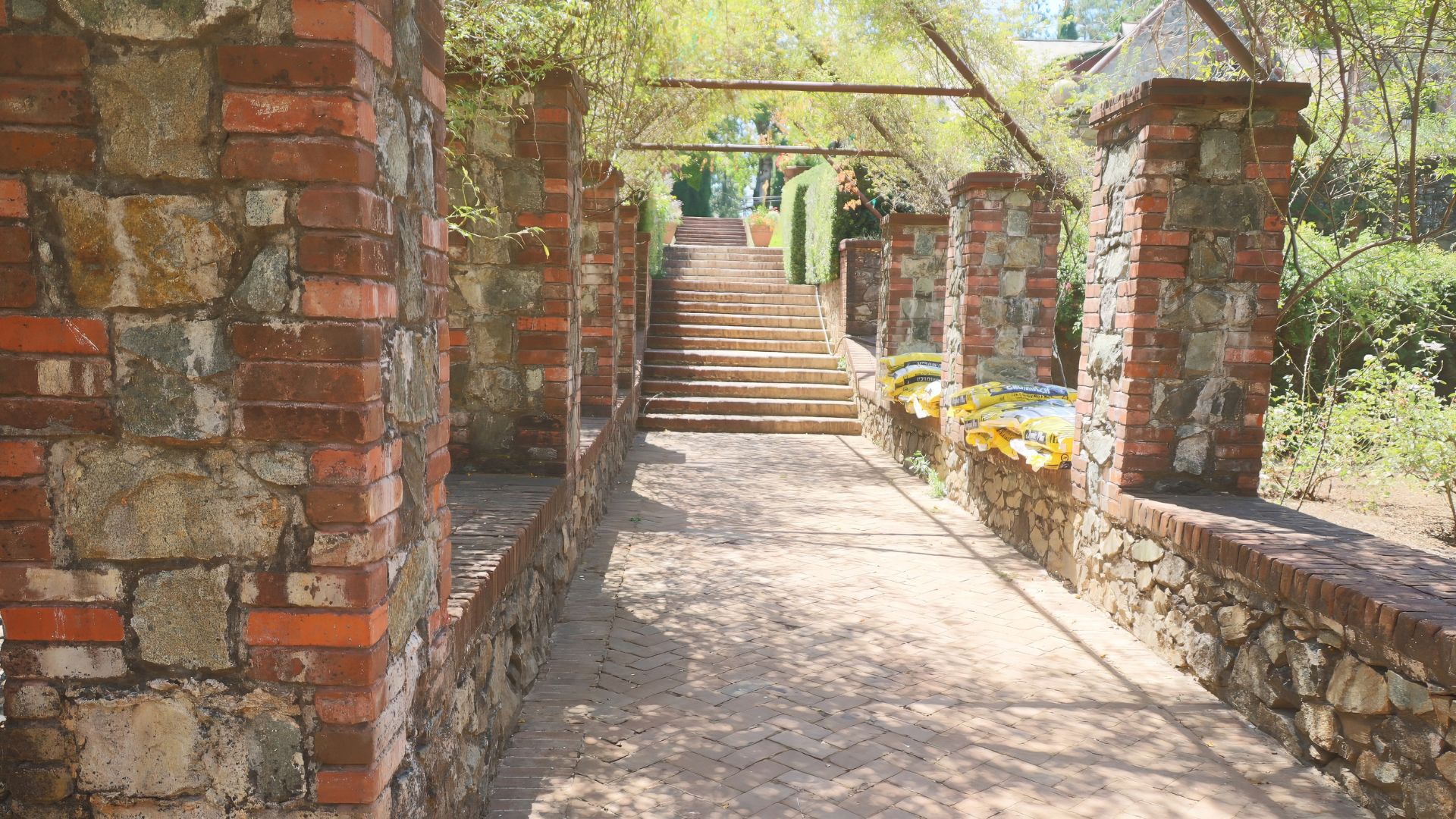
Nevada City and Grass Valley offer a deep dive into Gold Rush history, scenic hiking trails, and beautifully preserved Victorian downtowns. It’s a goldmine (pun intended) for anyone who loves history, nature, or just a good stroll.
Museums and Heritage Sites
The Nevada County Historical Society Museum is the spot for anyone curious about Gold Rush history. I geeked out over their collection of mining tools and artifacts.
Inside, you’ll find displays of Gold Rush-era gear and household items. The museum shows how miners actually lived and worked here in the 1850s and 1860s.
Key exhibits include:
- Original mining equipment
- Early Nevada City photos
- Gold Rush household goods
- Interactive mining technique displays
Volunteers often share stories that bring the past to life.
Other heritage sites are scattered around both towns. Many original Gold Rush buildings still stand. Walking tours help you get the lay of the land and the history behind each spot.
Nature Trails and Scenic Parks
The foothills around these towns are a dream for hikers and bikers. I found trails winding through oak forests and along creeks, many tracing old mining routes.
Trail highlights:
- Easy walks for families
- Moderate hikes with killer views
- Mountain biking through the woods
- Historic mining sites along the way
Outdoor adventures happen year-round. Spring brings wildflowers, fall means bright leaves, and summer is perfect for exploring.
Local parks offer picnic spots and playgrounds, great for families looking to unwind after a day of sightseeing.
Historic Main Streets
Both Nevada City and Grass Valley have main streets that look almost frozen in time. I spent hours poking around unique shops and grabbing bites in old Gold Rush buildings.
Nevada City’s Broad Street is a showstopper, with architecture dating back to the 1850s. Many buildings survived fires that wiped out other mining towns.
Shopping and dining options:
- Artisan shops and galleries
- Antique stores with Gold Rush finds
- Farm-to-table spots
- Old-school saloons and cafes
Grass Valley’s main drag is just a quick hop away. The two downtowns make a perfect pair for a full day of wandering.
Street festivals and events light up these historic districts with music, food, and fun.
Practical Tips for Visiting Nevada City & Grass Valley
Both towns are super accessible from major California cities and have some truly memorable historic places to stay. The food scene ranges from classic Cornish pasties to hip craft breweries.
Getting There and Around
Nevada City and Grass Valley lie in the Sierra Nevada foothills, about an hour from Sacramento. You can drive between them in under 10 minutes.
From Sacramento: Take Highway 80 east, then hop on Highway 49 north. It’s usually about an hour.
From San Francisco: Head east on Highway 80 through Sacramento, then catch Highway 49. Plan for a three-hour drive.
From Lake Tahoe: Take Highway 20 west for about 45 minutes to reach Nevada City first.
Once you’re there, park in either downtown and explore on foot. The historic streets are super walkable, with shops and restaurants close together.
You’ll only need your car to go between towns or hit the trails and rivers outside the main areas.
Recommended Places to Stay
The Holbrooke Hotel in Grass Valley has been around since 1852. Mark Twain and Ulysses S. Grant even stayed there. The restored hotel has 27 rooms filled with Victorian charm and antiques.
Each room features a clawfoot tub, and the hotel hosts dining and live music events all year.
The National Exchange Hotel in Nevada City is its sister property. Built in 1856, it mixes Victorian elegance with modern comfort.
Both hotels show off ornate details and period décor. Staying here really does feel like stepping back into Gold Rush days—just with better Wi-Fi and plumbing.
If you want a trip that connects you to California’s wild past, these historic hotels are the way to go.
Dining and Local Cuisine
Bluebell Coffee sits right inside the old movie theater in Grass Valley. I love grabbing a cup there before wandering downtown—it just feels right.
Corvus Bakery bakes up real Cornish pasties, and honestly, you can taste the area’s mining roots in every bite. Gold Rush miners used to eat these hearty pastries, and today, they’re still a local staple.
Three Forks Bakery & Brewing Co. mixes up fresh baked goods with craft beer. Their lineup of local brews always surprises me, and there’s usually something new to try.
Big A Rootbeer Drive In brings back all the nostalgia with classic burgers and that signature root beer. Locals have flocked here for decades, and it’s easy to see why once you take a bite.
Lola at the National Exchange Hotel welcomes you with upscale dining in a place steeped in history. They switch up the menu with the seasons and lean into local ingredients, which keeps things interesting.
Golden Gate Saloon offers a laid-back spot for drinks or dinner. The Old West character here really sets the mood—sometimes you half expect to see a cowboy stroll in.
