
I never thought I’d end up jogging along paths where history actually happened. The whole debate about running on hallowed ground like Gettysburg always pops up among historians and fitness fans, and it was on my mind as I laced up near this historic marathon route.
Some people wonder if running or other activities disrespect sacred sites, but honestly, I’ve found that mindful running can make you feel even more connected to history. Moving through these landscapes gives the past a physical presence.
The morning air felt crisp as I stood at the starting line. Other runners milled around, sharing my mix of excitement and respect.
Unlike the controversial marathons at Gettysburg that Helen Walsh talks about, this route manages to respect the past while letting people experience it in a very real way.

What hit me hardest was how different it feels to cross historic ground on foot. Every step made the landscape feel more personal.
The rolling hills that once challenged soldiers now tested my own lungs and legs. That alone built a weird, unexpected bridge between past and present.
Tracing the Footsteps of Marathon Legends
Walking the historic Marathon route honestly filled me with awe. I could almost hear the ghosts of runners past, whispering encouragement as I traced the path that inspired the modern marathon.
The Historic Roots of the Marathon
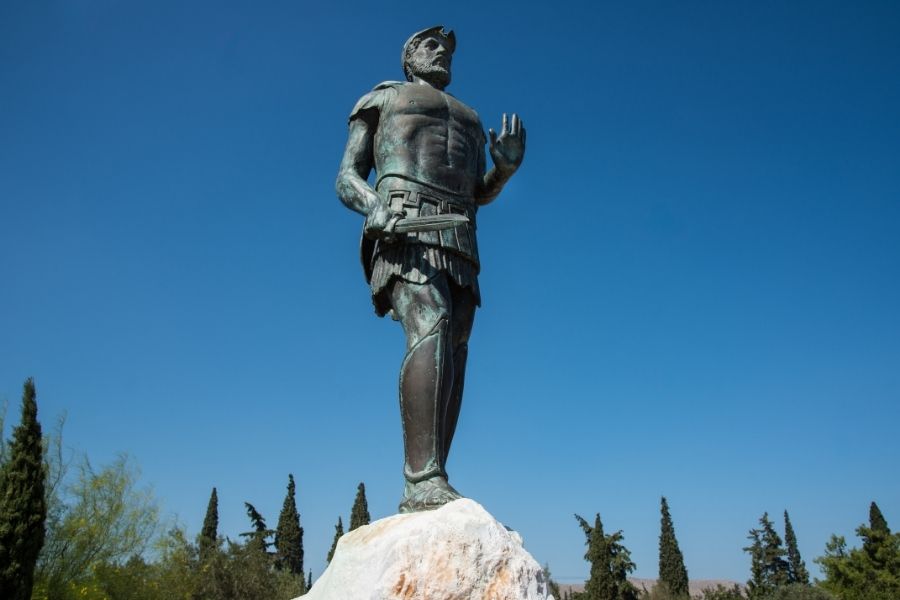
The marathon’s story goes back to 490 BCE. Legend says Pheidippides ran from Marathon to Athens to announce the Greeks had beaten the Persians.
His run—about 25 miles—became the basis for the marathon we know today.
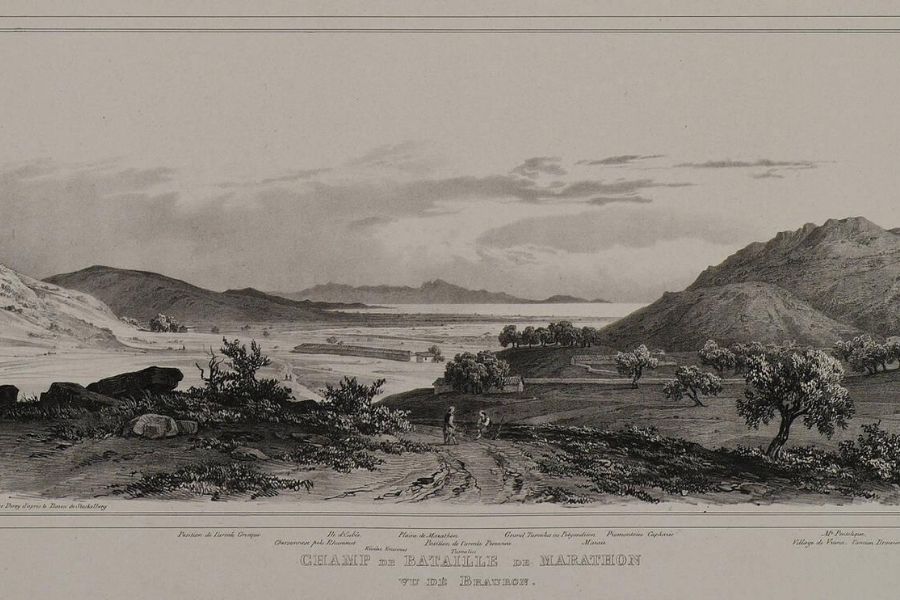
I stood at the ancient battlefield in Marathon, trying to picture that wild, fateful day. The 26.2-mile distance we know now? That didn’t become official until the 1908 London Olympics.
Walking through the Marathon Tomb area, I saw monuments to the 192 Athenian soldiers who died in the battle. That link between war, messengers, and athletic achievement gives the marathon its unique weight.
A Legendary Course: Then and Now
The route from Marathon to Athens has shifted over the centuries, but the spirit sticks around. Today’s Athens Marathon follows a tough path that climbs steadily from Marathon toward the city.
I traced parts of the official course myself. The combination of history and brutal hills is no joke.
The hardest section rises between the 10km and 31km marks—my legs definitely noticed, and I was just walking!
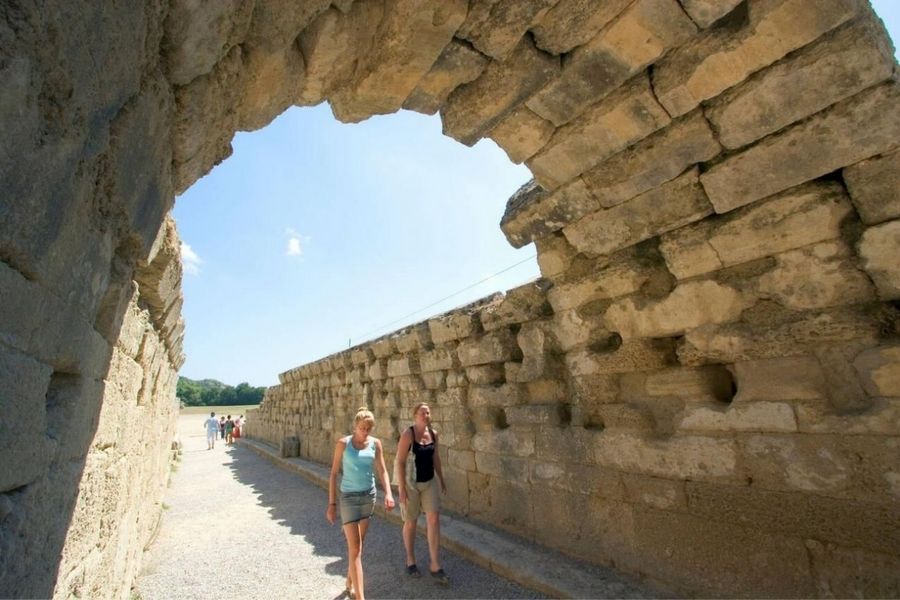
The finish inside the marble Panathenaic Stadium really moved me. They rebuilt this stadium for the first modern Olympics in 1896, so it’s a direct link between ancient and modern Olympic traditions.
Some local runners I met offered tips about the course:
- Start slow, since the early kilometers can fool you
- Save energy for those middle hills
- Brace yourself for the emotional finish in the ancient stadium
Paying Homage to Ancient Runners
Standing at the Marathon Starting Line monument, I felt a real connection with running history. This isn’t just a race. For many, it’s a pilgrimage.
I stopped by the Marathon Run Museum in town, where they display photos, medals, and gear from the event’s modern history. Seeing Spyridon Louis’s victory artifacts from 1896 really got to me.
The most emotional moment? Joining local runners for an early morning jog along part of the route. We ran in silence for a bit, honoring Pheidippides and everyone who’s pushed themselves on this path.
Every November, thousands gather to run the authentic Athens Marathon. Even if you’re not a hardcore runner, walking parts of the route is a unique way to experience this piece of history.
My Reflective Journey Through Marathon
Visiting the historic town of Marathon felt personal. It connected me to ancient history and satisfied my runner’s soul.
What happened here 2,500 years ago still lingers in the gentle hills and along the coast.
Arriving in Marathon: First Impressions
The drive into Marathon took me through rolling countryside. Eventually, the famous plain opened up, and I started spotting signs for the battlefield well before I reached the town.
The modern town feels oddly peaceful, considering its legendary status. Little cafés line the streets, with locals who seem used to history buffs and runners wandering around.
My first stop? The Marathon Museum. It’s not huge, but it’s packed with artifacts from the battle and information about the famous run.
The staff spoke enough English to answer my questions, which helped.
The air felt different—maybe that’s just me, but there’s an energy here that hints at heroic deeds.
Standing at the Famed Starting Line
Finding the marble starting line monument gave me goosebumps. It stands right where Pheidippides supposedly began his run to Athens.
I paused for a moment, imagining the urgency of his mission. Other visitors gave each other space for their own moments of reflection.
The starting area has plaques in several languages explaining the Battle of Marathon’s importance. I learned that if the Greeks hadn’t won, Western civilization could have taken a very different path.
Lots of runners were snapping photos with one foot on the starting line. I joined them, feeling linked to the thousands who’ve made this pilgrimage.
Personal Reflections Along the Route
As I walked part of the ancient route toward Athens, I thought about how physical endurance and mental resilience go hand in hand. The landscape hasn’t changed much in thousands of years.
The modern route follows highways, but some marked trails try to recreate the original path. I picked one that balanced history and accessibility.
My pace slowed as I took in the countryside. Olive groves and cypress trees broke up the view, offering shade from the Mediterranean sun.
I passed a few small shrines and stopped at a roadside taverna. The owner proudly showed me photos of famous marathoners who’d visited.

The locals’ warmth made the experience even richer.
This journey felt like more than just tourism—it was a personal connection to the spirit of endurance that defines marathon running everywhere.
Moments and Monuments Along the Marathon Route
The Marathon route ties ancient history to natural beauty, with its landmarks and monuments. Every step reveals stories of bravery, sacrifice, and the spirit that keeps the Marathon legacy alive.
Visiting the Tomb of the Athenians
The Tomb of the Athenians stands as a quiet reminder of the 192 Athenian soldiers who died in 490 BCE. Standing there, I felt genuinely moved.
The burial mound rises about 9 meters and stretches 50 meters across, covered with native plants that soften its shape. I went early in the morning, which gave me a peaceful moment before the crowds.
A simple plaque explains the site’s importance in several languages. I watched runners pause here, some placing small stones on the monument—a gentle tribute to the warriors who inspired the Marathon.
Key Sights and Landmarks
The Marathon Battlefield Museum displays artifacts that bring the ancient battle to life. Weapons, armor, and pottery from the era help you picture the clash between Persians and Athenians.
A short walk away, the Marathon Trophy stands tall—a marble column commemorating the Athenian victory. Its white stone shines against the blue sky, making it a great spot for photos.
The Starting Line Monument marks where the modern Marathon begins. I stood with my feet on the same spot where thousands have started their 26.2-mile journey.
Other landmarks along the way include:
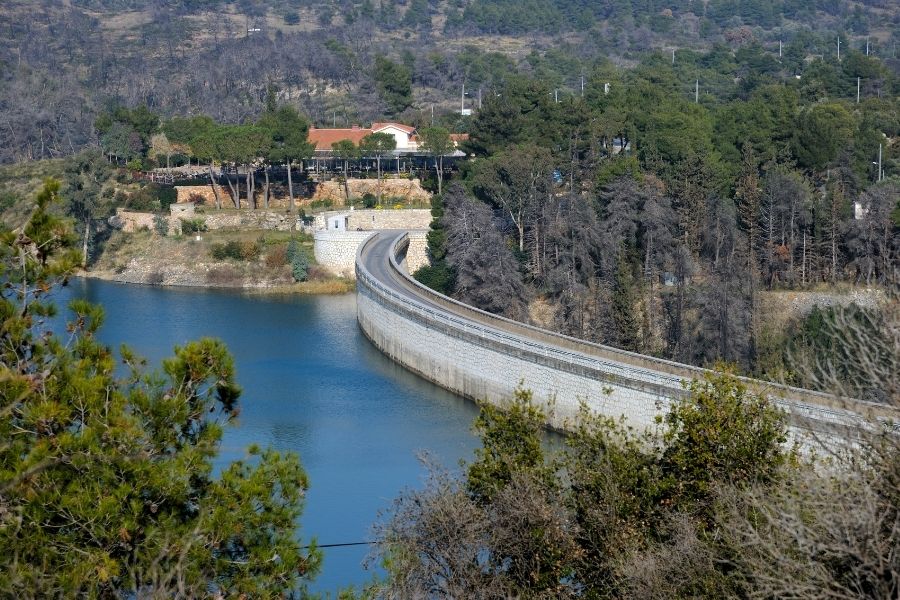
- Marathon Dam (built 1926-1929)
- Herodes Atticus Villa ruins
- Ancient Sanctuary of Nemesis
Natural Beauty and Surroundings
The route winds through olive groves that have colored the Greek landscape for centuries. These trees gave me much-needed shade during my midday walk.
Marathon Lake sparkles beside part of the route. The blue water stands out against the hills.
The lake came about after the dam was built in the 1920s, and now it’s both a water source and a scenic landmark.
Now and then, the path opens up to beautiful views of the Penteli mountains. I can only imagine how much these vistas help tired runners during the race.
Pine forests scent the air along some stretches. The mix of history and nature makes even a simple walk along the Marathon route unforgettable.
Practical Travel Insights for Visiting Marathon
Planning a trip to Marathon takes a little prep, but it’s worth it. The small town mixes ancient history with enough modern comforts to make it easy for travelers and runners alike.
How to Get to Marathon from Athens
Athens is the main jumping-off point for Marathon, and you’ve got several transport options.
I found the KTEL public buses to be the cheapest. They leave regularly from Pedion Areos in central Athens, take about 50 minutes, and cost €5-7 one way.
Taxis or rideshares give you more flexibility but cost more—usually €40-50. Plenty of runners rent a car (€30-40 per day) so they can check out nearby beaches and sights.

If you’re staying longer, some tour companies run special Marathon history tours with transportation from Athens, including stops at the burial mound and the Marathon Run Museum.
I’d suggest booking your ride at least a day ahead, especially in summer or around the Athens Marathon in November.
Best Times to Visit and Run
The best months to visit Marathon are April-June and September-October. Temperatures then range from 65-80°F (18-27°C)—pretty ideal for running.
I learned the hard way that July and August get brutally hot, often over 90°F (32°C), so running in the middle of the day is just not smart. If you do visit in summer, stick to early morning or after 6pm.
The Athens Marathon happens every November. It’s an amazing event, but hotels fill up and prices jump.
Winter (December-February) brings fewer tourists but can get rainy. Spring is gorgeous, with wildflowers popping up along the route.
For the most relaxed experience, visit on a weekday to dodge the weekend crowds from Athens.
Packing and Preparation Tips
Marathon’s weather can be unpredictable, so pack smart.
Running essentials:
- Moisture-wicking clothes
- Good running shoes (already broken in)
- Hydration gear (bottle or backpack)
- Hat and sunglasses
- Reflective gear for early or late runs

General items:
- Sunscreen (SPF 30+)
- Insect repellent (especially near the lake)
- Light jacket for cooler evenings
- Camera for those great historic shots
- Small backpack for day trips
Download offline maps before you go and learn a few Greek basics. Most places take cards, but carry some cash (€50-100) for small shops.
The tap water’s safe, but I always bring a reusable bottle to stay hydrated in the Mediterranean heat.
Local Etiquette and Cultural Highlights
Greeks really value hospitality. Even trying simple phrases like “kalimera” (good morning) and “efcharistó” (thank you) goes a long way.
Marathon’s identity is tied to its ancient battle. When you visit the Tumulus, stay respectful. Photos are fine, but keep voices down at memorials.
Meals run on Mediterranean time—lunch from 1-3pm, dinner after 8pm. Most restaurants serve Greek classics like souvlaki and fresh seafood. I loved the tavernas near Marathon Beach, where the catch of the day is always on the menu.
Definitely check out the Archaeological Museum of Marathon. The staff sometimes share fascinating stories you won’t find in any guidebook if you show real interest.
Beyond the Run: Savoring the Spirit of Marathon
Running in Marathon is just one way to experience this historic spot. The town’s culture runs deep, offering all kinds of ways for visitors to connect with its heritage and community.
Connecting with Local Community
The people in Marathon welcomed me with open arms. Local shopkeepers, always eager to chat, shared stories about the battle and what it means to them while I browsed their stores.
I didn’t expect so many residents to speak such excellent English. That felt like a pleasant surprise.
One evening, I wandered into a community gathering in the main square. Locals jumped in to teach me traditional Greek dances.
Honestly, I stumbled through most of the steps, but everyone still cheered me on. That kind of encouragement just made the night.
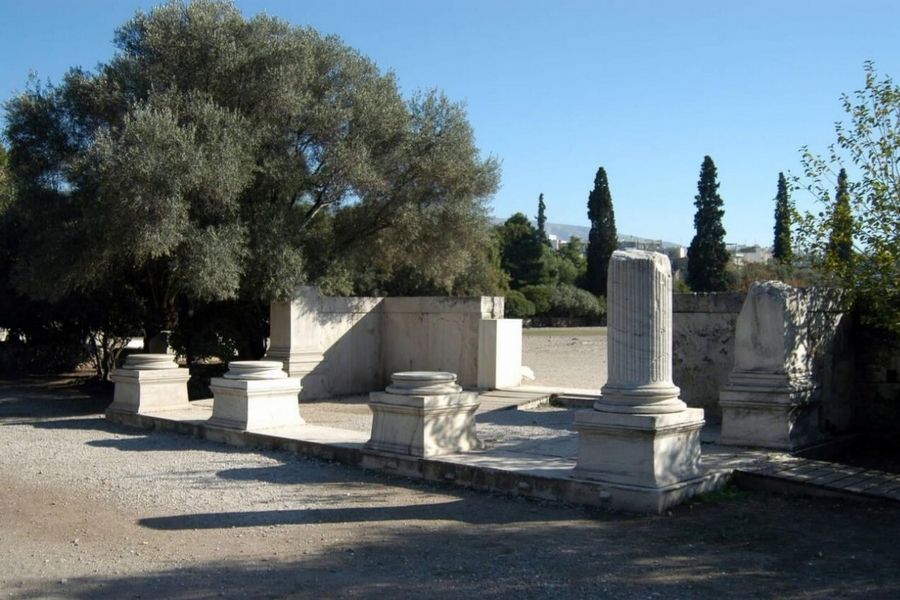
The Marathon Historical Society puts on guided tours, and passionate residents lead the way. My guide, Nikos, told me his family had lived here for generations.
You could feel his connection to the land in every story he told. Somehow, the history felt more real and alive because of it.
Local Tip: Stop by the community center on Thursday evenings. Locals gather there for music and conversation—it’s a good way to meet new people.
Traditional Greek Culinary Experiences
Marathon’s food scene really blew me away with its authenticity and flavor. Small, family-run tavernas line the streets near the beach, serving up dishes straight from old family recipes.
At Taverna Poseidon, I ordered souvlaki that was so tender it almost melted in my mouth. The owner wouldn’t let me leave without trying his homemade tzatziki, made with yogurt from his cousin’s farm.
The olive oil in Marathon deserves its own spotlight. Most restaurants bring it out with fresh bread before your meal.
I couldn’t resist picking up a few bottles at the Thursday farmers market to take home.
Must-Try Local Dishes:
- Marathonian roasted lamb with herbs
- Fresh sea bass caught that morning
- Honey-drenched loukoumades (Greek donuts)
Memorable Souvenirs and Keepsakes
I found it surprisingly easy to pick up meaningful mementos in Marathon.
The craft market by the museum offers handmade replicas of ancient Greek pottery. Each piece comes with a little card that explains its historical background.
I couldn’t help myself—I bought a small bronze warrior figure. A local artist, clearly inspired by the ancient battle, made it, and now it sits proudly on my bookshelf.
Marathon’s olive products just make sense as souvenirs. Besides the oil, I spotted olive wood cutting boards, olive leaf tea, and even olive soap, all at pretty reasonable prices.
A lot of runners pick up custom T-shirts from shops close to the original battlefield. I grabbed one with the route map and that iconic quote, “Rejoice, we conquer!” printed in both English and Greek.