
The first time I walked into St. Mark’s Basilica in Venice, I just stopped and stared. Above me, and honestly everywhere I looked, golden mosaics seemed to bounce light around in a way that felt almost unreal.
These golden artworks stretch across more than 8,000 square meters inside the basilica—that’s about one and a half American football fields, if you’re counting.
I kept picturing how someone, centuries ago, placed each tiny piece by hand. The mosaics tell stories from the Bible and show saints set against this shimmering gold. Sunlight pours through the windows and the whole place glows—it’s like the space sits somewhere between earth and something higher.
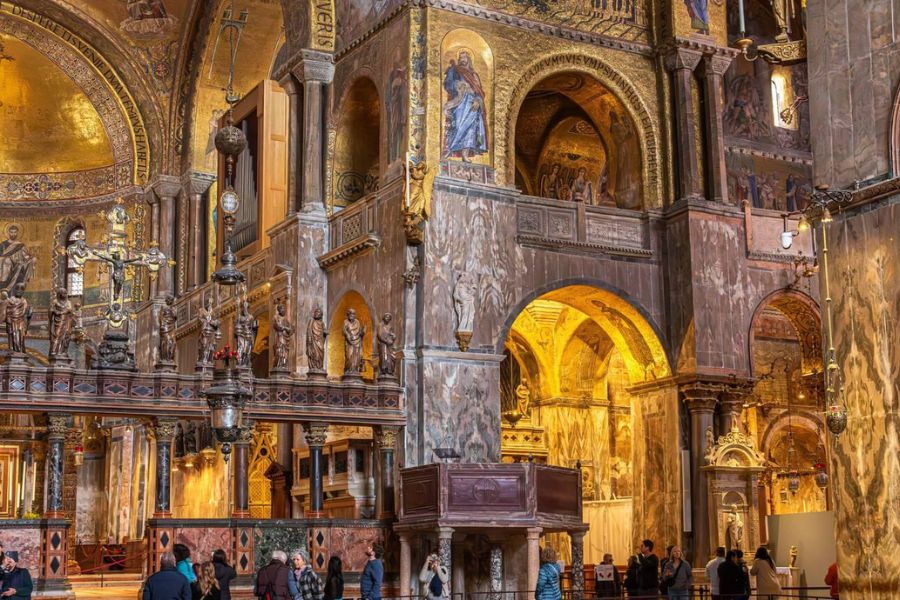
If Venice is on your list, make sure you carve out real time for St. Mark’s. Crowds can get thick, but late afternoon usually brings some breathing room. Bring binoculars if you can; you’ll spot details in these mosaics that have floored visitors for almost a thousand years. No picture really captures what it’s like to stand under that golden ceiling.
Immersed in Gold: First Impressions of 6,000 Square Meters of Mosaics
Walking into this world of gold, I felt like I crossed into another reality where art and light blend into something you just can’t put into words.
Awe and Wonder: Standing Speechless in the Presence of Masterpieces
I froze the moment I entered the vast hall. Six thousand square meters of golden mosaics stretched out in every direction.
My eyes darted everywhere—no single spot felt enough. Each section pulled me in with its tiny details and careful craft.
A few visitors around me whispered, but most just stood there, mouths open, same as me.
These aren’t just pretty decorations. They’re stories—each one told in bits of gold and colored glass.
Artisans spent decades on these works. You can see their skill in every single tile.

People say this is the highlight of any trip to the region. Now I get why travelers come from all over to see this golden wonder.
Sensory Overload: Light, Color, and the Magic of Italian Style
Light dances across these golden mosaics and changes the whole mood every hour. In the morning, sunlight sets the gold blazing. By afternoon, the glow softens and new details pop out.
Italian style runs deep here. The bold colors, the careful composition, and the skill—it’s all a tribute to centuries of artists.
I noticed how even a faint bit of light bounces off the gold tiles and fills the room. Italian masters really perfected this. It makes the place feel alive.
Honestly, it’s overwhelming at first. My brain couldn’t take it all in. But after a while, I just let myself soak it up and found a weird kind of calm.
Unveiling the Legacy: The History Behind the Golden Mosaics
Italy’s golden mosaics carry centuries of artistic tradition and cultural meaning. They still pull in visitors from around the world.
Origins and Artistic Traditions in Italy
Everywhere I go in Italy, reminders of mosaic art pop up. This craft started way back in Mesopotamia, 3rd millennium BC, and eventually made its way here.
Roman artisans first used mosaics for practical floors, working with small colored stones called tesserae. When Christianity took hold, mosaics changed dramatically.
Byzantine artists brought gold into the mix in the 6th century. I saw how these sparkling mosaics turned plain old buildings in Ravenna into something otherworldly.
They put thin gold leaf between bits of glass and made that famous glow that still stuns people today.
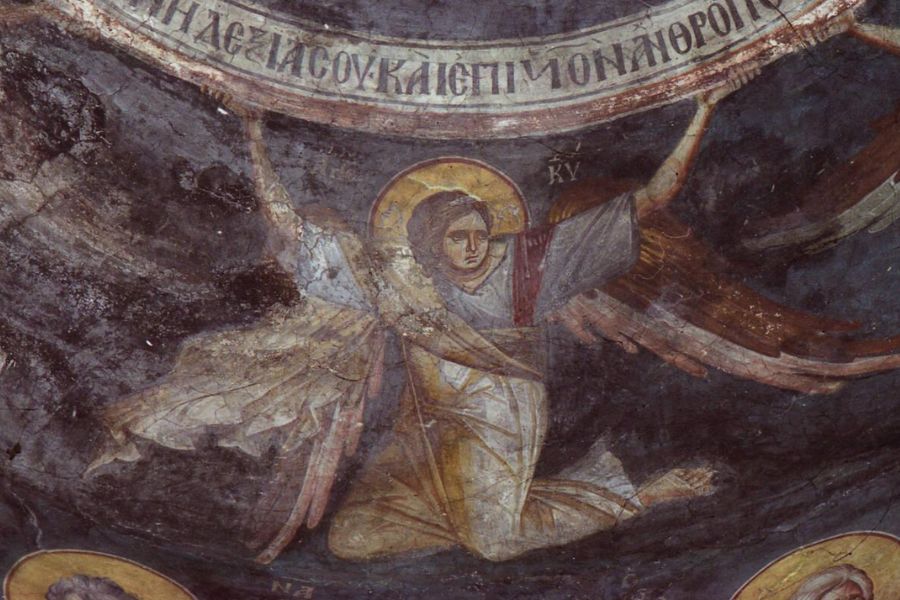
Techniques passed down through families shaped a uniquely Italian tradition. Workshops in Venice and Florence developed their own styles, using local stones—tumbled, honed, or stacked—to create textured scenes that transformed interiors.
Basilicas, Cathedrals, and Palaces: Iconic Landmarks
Saint Mark’s Basilica in Venice holds some of the most jaw-dropping golden mosaics I’ve ever seen. Walking inside always leaves me stunned by the 8,000 square meters of gold mosaic covering almost every inch.
Milan’s Duomo Cathedral features intricate mosaics that have survived for centuries. Sometimes I stand in Piazza del Duomo just thinking about the hours artisans poured into each tiny piece.
Rome’s basilicas use mosaics to tell biblical stories in gold. The Palazzo Ducale in Venice shows how these techniques moved beyond churches into government buildings.
These places became hubs for artistic innovation. Local stone mixed with precious materials, creating mosaics that showed both faith and civic pride.
Each site proves how mosaics became more than decoration—they turned into storytelling tools.
The Enduring Influence of the Renaissance
During the Renaissance, mosaic art took on a new life. The Medici family supported artists, who started blending classical themes with Christian ones.
Florence became a hotspot for new mosaic techniques. Artists started making scenes that felt more real, with better perspective and human figures.
Painters and mosaic artists began working together. Drawings by masters like Raphael ended up as mosaics, creating a new kind of art.

What really gets me is how these Renaissance changes still show up in modern mosaics. Even now, Italian workshops use old techniques with new ideas and materials.
Golden mosaics keep evolving, but they always honor their roots. They’re not just art—they’re a piece of Italy’s soul.
Venetian Opulence: Exploring the Mosaics of Saint Mark’s Basilica
Saint Mark’s Basilica in Venice holds one of the largest and most dazzling mosaic collections anywhere—8,000 square meters of gold. These mosaics tell stories of faith, Venetian history, and pride, all through jaw-dropping artistry.
Gilded Stories: Religious and Historical Narratives
When I first walked into Saint Mark’s Basilica, the golden light hit me right away. The mosaics aren’t just pretty—they’re a visual Bible and a record of Venice itself.
Byzantine artisans created these masterpieces between the 11th and 14th centuries.
The most famous mosaic shows Saint Mark’s body arriving in Venice—a huge deal for the city. I spent ages gazing up at scenes from Christ’s life, Old Testament stories, and saints important to Venetian culture.
What blew me away was how the gold glows differently as the day goes on. Over 85,000 square feet of gold leaf creates that warm, rich light and gives the basilica its nickname: “Church of Gold.”
Exploring St. Mark’s Square and Its Treasures
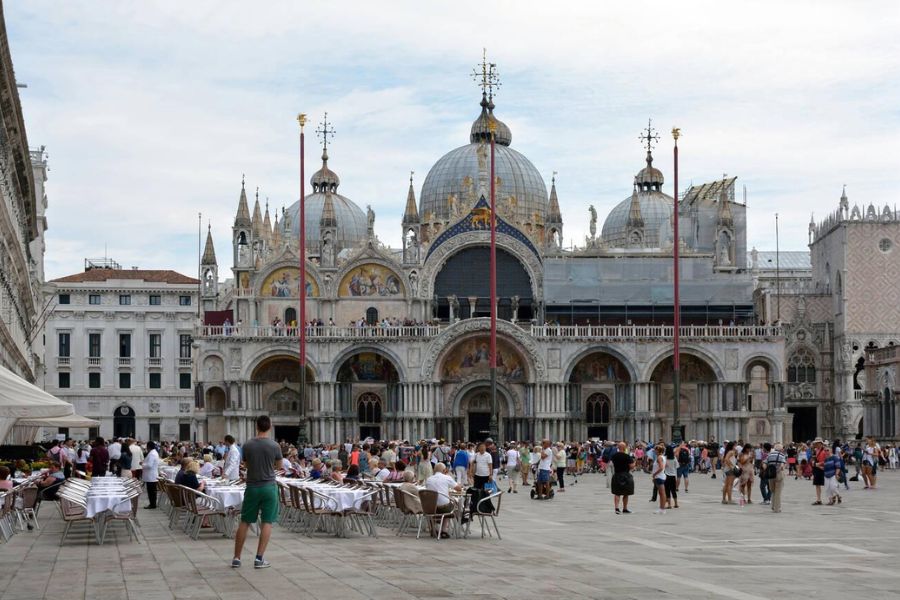
St. Mark’s Square (Piazza San Marco) is the perfect backdrop for the basilica. I always tell people to get there early to avoid the crowds and really take in how the basilica towers over everything.
The square itself is worth exploring, with its:
- Campanile (bell tower)
- Doge’s Palace
- Clock Tower
- Procuratie buildings
From the square, you can admire the basilica’s façade and its impressive exterior mosaics above the doors. These outside mosaics tell the story of St. Mark and his relics arriving in Venice.
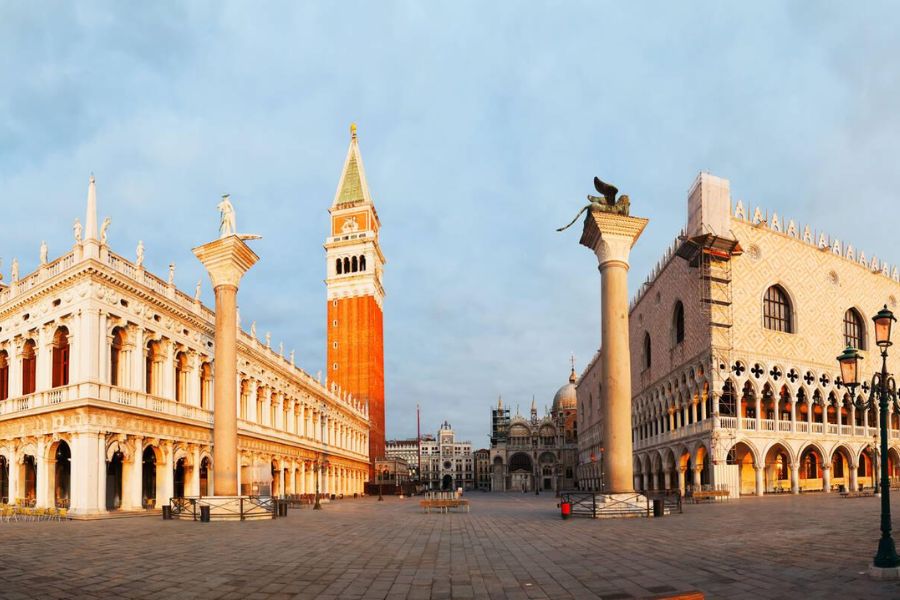
Late afternoon is magic here—sunlight hits the façade just right. And don’t skip the four bronze horses above the main entrance; they’re replicas, but their history is wild.
Basilica Architecture and Artistic Details
The basilica mixes Byzantine, Romanesque, and Gothic styles into something only Venice could pull off. Its domes, arches, and wild details make it unforgettable.
Inside, beyond the mosaics, keep an eye out for:
- The Pala d’Oro: A golden altarpiece packed with over 2,000 gems
- Marble floors: Geometric patterns that echo the mosaics above
- Treasury: Full of religious relics and treasures from Constantinople
I lost track of time studying the little details—faces of saints, tricks for showing depth, and how the artists used colored glass tiles (tesserae) covered in gold leaf.
Each of the five domes has its own mosaic story, covering different parts of Christian history. This place took centuries to finish and stands at the heart of Venice’s art and faith.
A Golden Journey Through Italy’s Most Spectacular Mosaic Destinations
Italy’s mosaic wonders go way beyond the Byzantine classics, forming a glittering trail through its most beautiful cities. Each place puts its own spin on this ancient craft, whether in cathedral ceilings or city squares.
Florence and the Glory of the Duomo Cathedral
Every time I step into Florence’s Duomo Cathedral, it takes my breath away. Brunelleschi’s massive dome holds mosaics that pull your gaze up to the heavens.
The Last Judgment mosaic inside the dome is especially stunning—gold details shimmer in the cathedral’s soft light.
A lot of people skip the Baptistery of San Giovanni nearby, but its ceiling mosaic is a medieval masterpiece. Gold backgrounds make every biblical scene pop.
If you go early in the morning, sunlight streams through and the gold tiles practically dance.
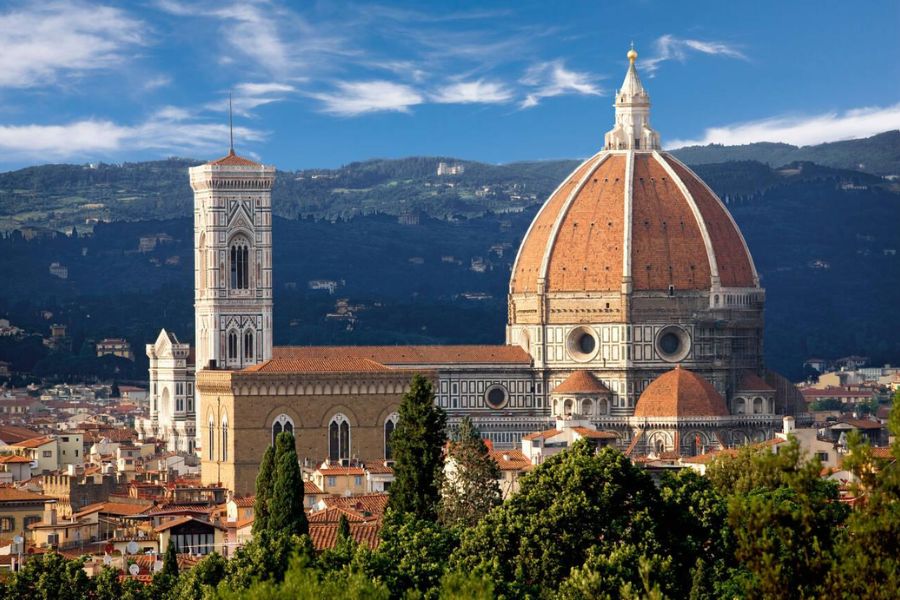
Florence has more than just the Duomo. The Galleria dell’Accademia, besides Michelangelo’s David, also shows off beautiful mosaic art from different eras. It’s cool to see how the tradition changed in Tuscany.
Milan’s Galleria Vittorio Emanuele II and Piazza del Duomo
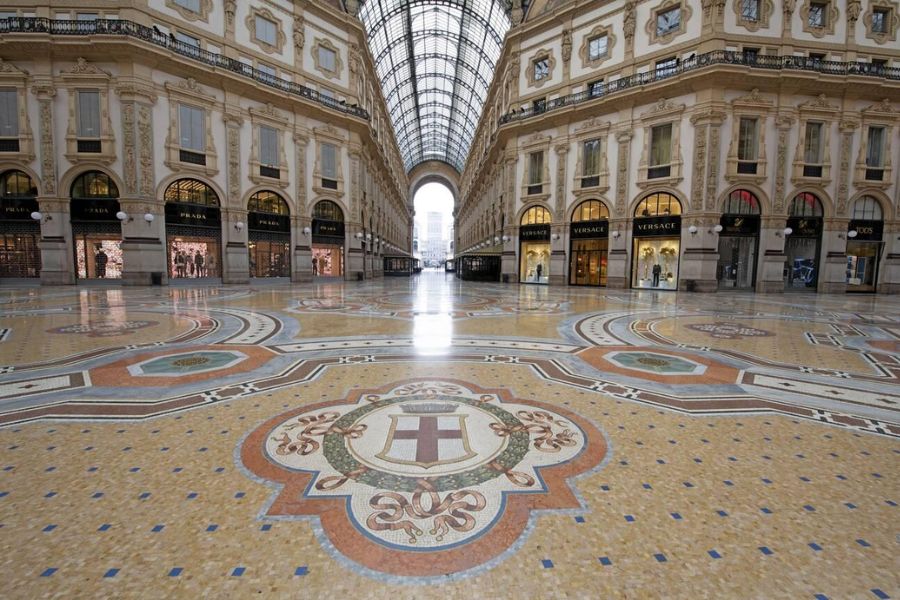
Milan surprised me with its mosaics hiding in plain sight. The floor of Galleria Vittorio Emanuele II has elaborate patterns for different Italian cities.
There’s a mosaic bull in the center—tourists spin on its testicles for luck. (Yes, I’ve done it. It’s a little embarrassing.)
Piazza del Duomo shows how mosaics aren’t just for churches. Milan’s cathedral has glass mosaics that play with light in a totally different way than Florence’s gold ones.
What I love about Milan’s mosaics is how easy they are to find—you just walk on them as you explore the city.
Other Italian Cities: Verona, Rome, Parma, and Beyond
Verona’s Piazza delle Erbe and Piazza dei Signori hold Roman mosaics right next to medieval ones. Seeing the old and new side by side tells Italy’s story in tiny pieces of stone and glass.
Rome is packed with mosaic treasures. Beyond the famous Byzantine works, the Roman Forum has fragments showing scenes from daily life. These pieces feel surprisingly personal—like peeking into the past.
Parma’s baptistery mosaics show the zodiac signs. Standing under those images, I felt a weird connection to medieval Italians who watched the same stars.
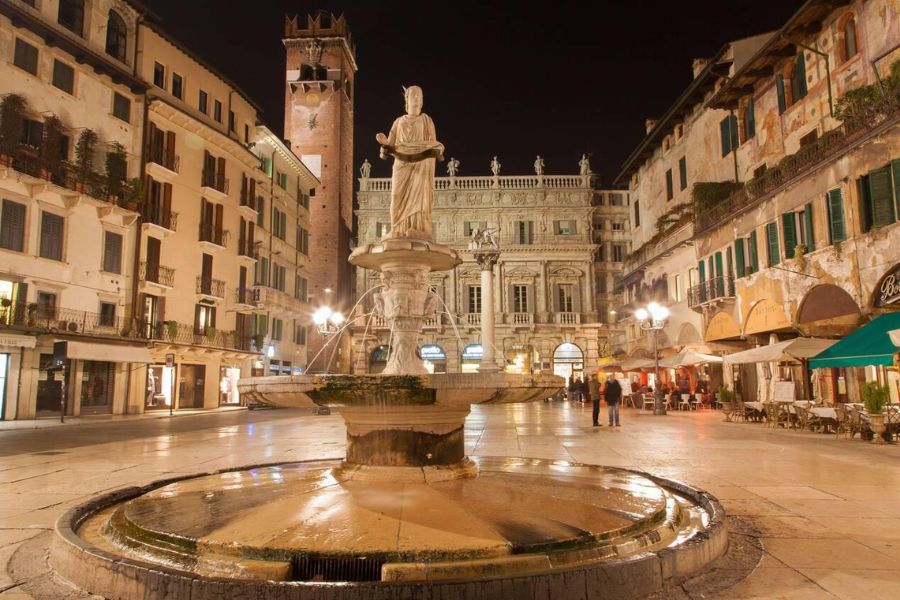
Verona has hidden gems near the Arena and Romeo and Juliet spots. The Scaliger Bridge and Castelvecchio have subtle mosaic touches most people miss as they rush by.
Making the Most of Your Visit: Insider Tips and Experiences
Planning a trip to see the golden mosaics of St. Mark’s Basilica? A few insider tips can make all the difference. I’ve picked up some tricks from my own visits—these should help you enjoy this Venetian treasure with less hassle and more wonder.
Guided Visits and Private Walking Tours
Honestly, I can’t recommend a guided visit to St. Mark’s Basilica enough. When I took a private guided tour, I spotted hidden symbols in the mosaics—stuff I’d never have noticed wandering around by myself.
The guides share all sorts of stories about how these golden masterpieces came to be and how they’ve survived over the centuries.
Most walking tours in Venice cover the basilica and nearby sights like the Doge’s Palace. When I booked my private tour, they threw in “skip-the-line” access. During peak season, that’s a lifesaver.
If you really want to dive deep, there are tours just about the mosaics and their biblical tales. These usually keep groups small, so you can actually ask questions and hang out at your favorite panels.
| Tour Type | Duration | Highlights |
| Basic Guided Tour | 1 hour | Main nave and gold altarpiece |
| Private Tour | 2 hours | Hidden passages and terraces |
| Mosaic Specialists | 3 hours | Detailed artistic explanations |
Booking Accommodations: Hotels in Venice and Florence
I’ve tried both budget and luxury hotels in Venice, and trust me, location makes a huge difference. Hotels right by San Marco Square are convenient, but you’ll pay for it—and you’ll be surrounded by crowds.
My favorite spot in Venice has spacious double rooms and throws in a continental breakfast. It’s just a 10-minute walk from the basilica, but far enough to feel peaceful.
If you’re planning to see more of Italy, Florence pairs really well with Venice. When I visited, I noticed Florence’s hotels usually give you more bang for your buck with similar amenities.
Rooms in both cities disappear fast in summer and during carnival. I booked mine three months ahead to get decent prices and the locations I wanted.
Getting Around: Airports, Railway Stations, and Local Excursions
Flying into Milan airport gives you great railway connections to Venice. I found the train ride scenic and way less stressful than figuring out Venice’s water transportation right after landing.
Venice’s Santa Lucia railway station sits right on the Grand Canal. You can hop on a vaporetto (water bus) straight to St. Mark’s Square. If you’re staying more than two days, grab a multi-day pass.
Day trips to islands like Murano and Burano offer a nice break from the golden grandeur of St. Mark’s. I also loved taking a day trip to Siena while I was staying in Florence.
Venice is all about walking. Bring comfortable shoes—you’ll cross more bridges than you think.
Savoring Local Experiences: Food, Fashion, and Festivals
Venetian food deserves just as much hype as the architecture. I stumbled into tiny bacari (wine bars) serving cicchetti (little plates) just steps from the basilica, and locals definitely outnumbered tourists.
Sure, Milan is famous for risotto alla milanese, but Venice really shines with seafood. The fresh squid ink pasta I had near the Rialto Bridge is still one of my all-time favorite meals.
If you’re into fashion, save your shopping for Florence or Milan. Venice is better for gorgeous glasswork and those iconic carnival masks than for designer stores.

If you can, try to visit during one of Venice’s festivals. I caught the Festa del Redentore, and the fireworks over the lagoon made St. Mark’s domes look even more magical.
From Ancient Baths to Modern Marvels: The Evolving Art of Italian Mosaics
Italian mosaics have changed a lot over the centuries. They started as practical decorations in Roman baths and now show up as stunning art in modern buildings. Their story weaves together technical progress, cultural meaning, and spiritual symbolism.
Roman Baths and Early Mosaic Techniques
When I walked through the ancient baths of Pompeii, I couldn’t help but notice how the early mosaic floors were both useful and beautiful. Romans used small colored stones called tesserae to make sure floors didn’t get slippery in wet areas.
These practical designs eventually became more elaborate, showing off detailed scenes.
Craftsmen picked out limestone, marble, and glass, cut them into tiny cubes, and set them in lime mortar. As I wandered these spaces, I almost imagined the cool marble under my feet, just like ancient Romans might have felt.
Public baths usually featured sea creatures or geometric patterns in their mosaics. The fancier, private baths went for mythological scenes or status symbols. I found some of the best-preserved examples in the Umbria region during my travels.
Influence on Contemporary Art and Architecture
Today’s Italian mosaic artists mix old-school techniques with fresh ideas. In Milan, I’ve seen some amazing modern buildings with mosaics that nod to ancient styles but also push boundaries.
New materials like synthetic tesserae and updated adhesives let artists install mosaics in places that used to be impossible. Some artists I met create huge public pieces that totally transform city spaces. Others focus on small, personal works for private collections.
Digital design tools have changed how artists plan their work, but many still cut each piece by hand. In Venice, I visited a studio where craftspeople keep centuries-old methods alive, even as they use computer-aided design.
Health, Spirituality, and Forgiveness in Mosaic Symbolism
Ancient bath houses used water for healing, and their mosaics reflected this spiritual idea. I noticed images of water deities and flowing designs that hinted at both physical and spiritual cleansing.
When I stepped into Christian basilicas, I saw golden mosaics shining like divine light. The basilicas in Ravenna, honestly, just swept me away with their glow and a peaceful vibe I can’t quite describe.
Mosaic artists often dive into themes like forgiveness and redemption. They bring together broken pieces and create something beautiful—such a striking metaphor for healing, don’t you think?
As I looked at the detailed scenes showing biblical forgiveness, I felt a deep connection to history and to my own life.
Early Christian mosaics sometimes show marshes, hinting at spiritual wilderness and transformation. These images managed to reach people no matter their ability to read, making deep spiritual ideas surprisingly accessible.