
Who says you need a passport or a red-eye flight to find yourself wandering cobblestone streets straight out of a European daydream? All over the US, small towns have captured that Old World spirit—think quirky architecture, cozy bakeries, and festivals that make you forget you’re stateside. Immigrants brought their cultures and traditions, and these communities still celebrate those roots in the most charming ways.
Honestly, some of the best European experiences are hiding right here in America—and they’re way more accessible than a flight across the Atlantic. Picture Bavarian villages tucked into the Pacific Northwest, German wine towns in the Midwest, and even Danish windmills spinning under California sun. These places serve up authentic pastries, host lively Christmas markets, and throw festivals that’ll have you dancing polka or nibbling stroopwafels. If you’re craving a taste of Europe but don’t want the jet lag, these towns deserve a spot on your wish list.
1) Leavenworth, Washington – Bavarian village vibe
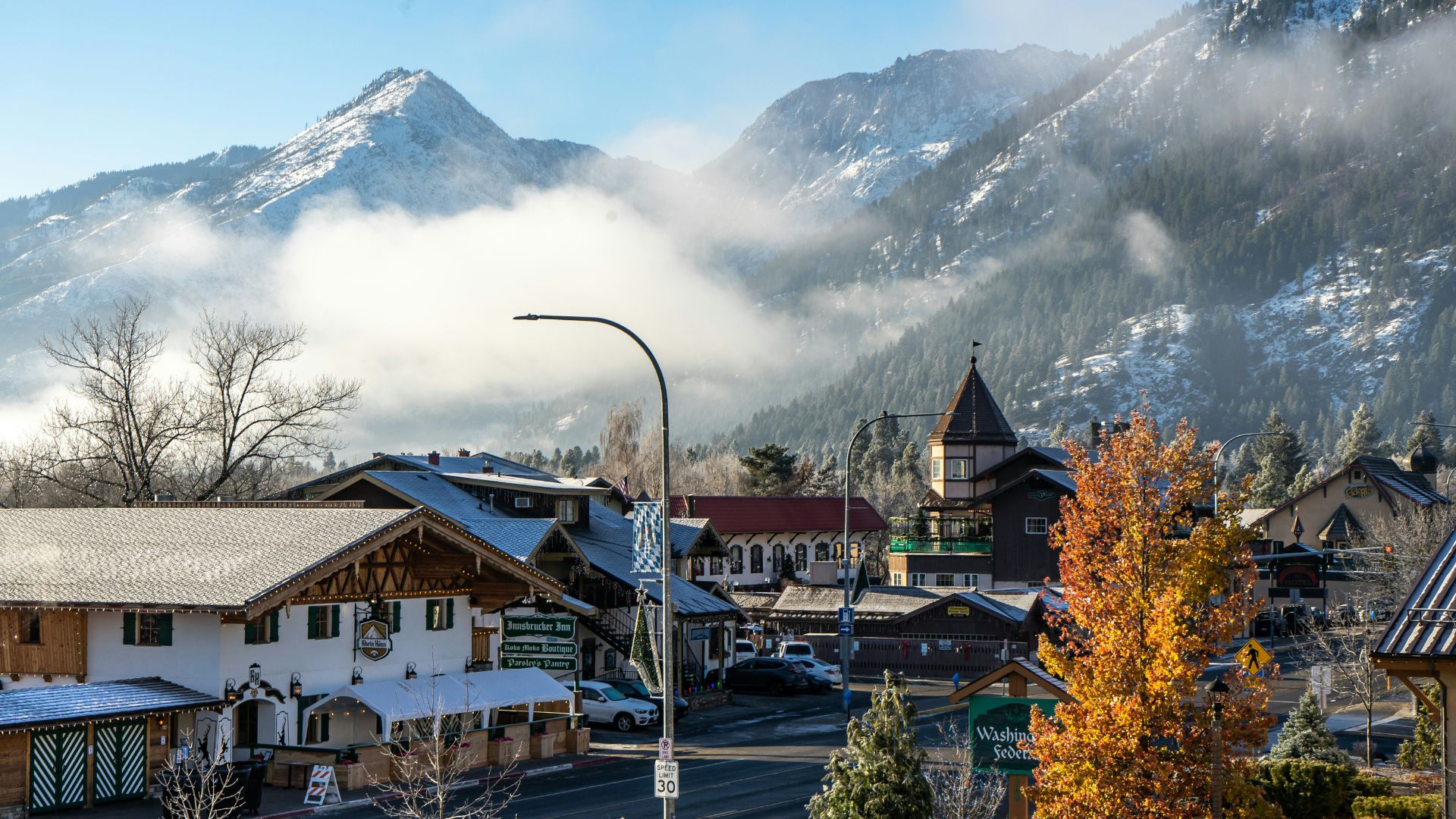
Tucked into the Cascade Mountains, Leavenworth honestly looks like someone plucked it from the Alps. Downtown bursts with German-style buildings—think painted facades, overflowing flower boxes, and those wooden balconies you see in fairytales.
Back in the 1960s, local business owners got creative and decided to give the whole town a Bavarian makeover. It was a bit of a gamble, but it paid off big time.
Now, you can chow down on schnitzel and bratwurst at German restaurants, sip authentic brews in beer gardens, and shop for European imports. Even the street signs get in on the act, showing off both English and German.
Leavenworth goes all in on festivals. Oktoberfest takes over in the fall, and the Christmas Lighting Festival turns the whole place into a glowing winter wonderland. Even if you visit outside festival season, the European vibes stick around.
The Cascade peaks give the town a true Alpine backdrop. You can hike, wander along the Wenatchee River, or just stroll the streets soaking in the architecture. That mix of Bavarian charm and Pacific Northwest scenery? It’s honestly one-of-a-kind.
2) Solvang, California – Danish-inspired town
Need a little Denmark in your life? Solvang delivers, right in California’s Santa Ynez Valley, just a couple hours from LA. Danish immigrants founded the town in 1911, snagging 9,000 acres for about $75,000—pretty wild to imagine now.
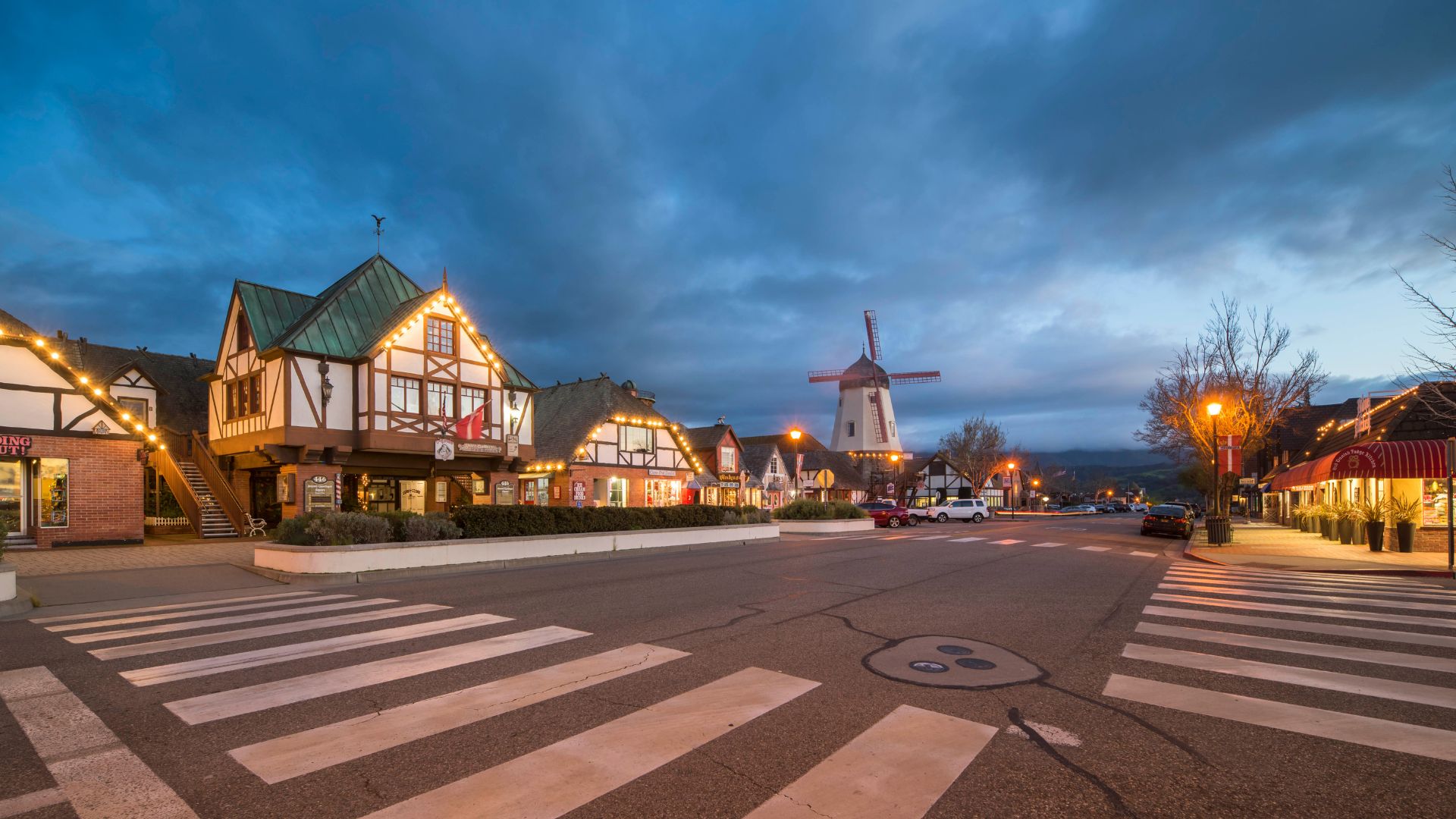
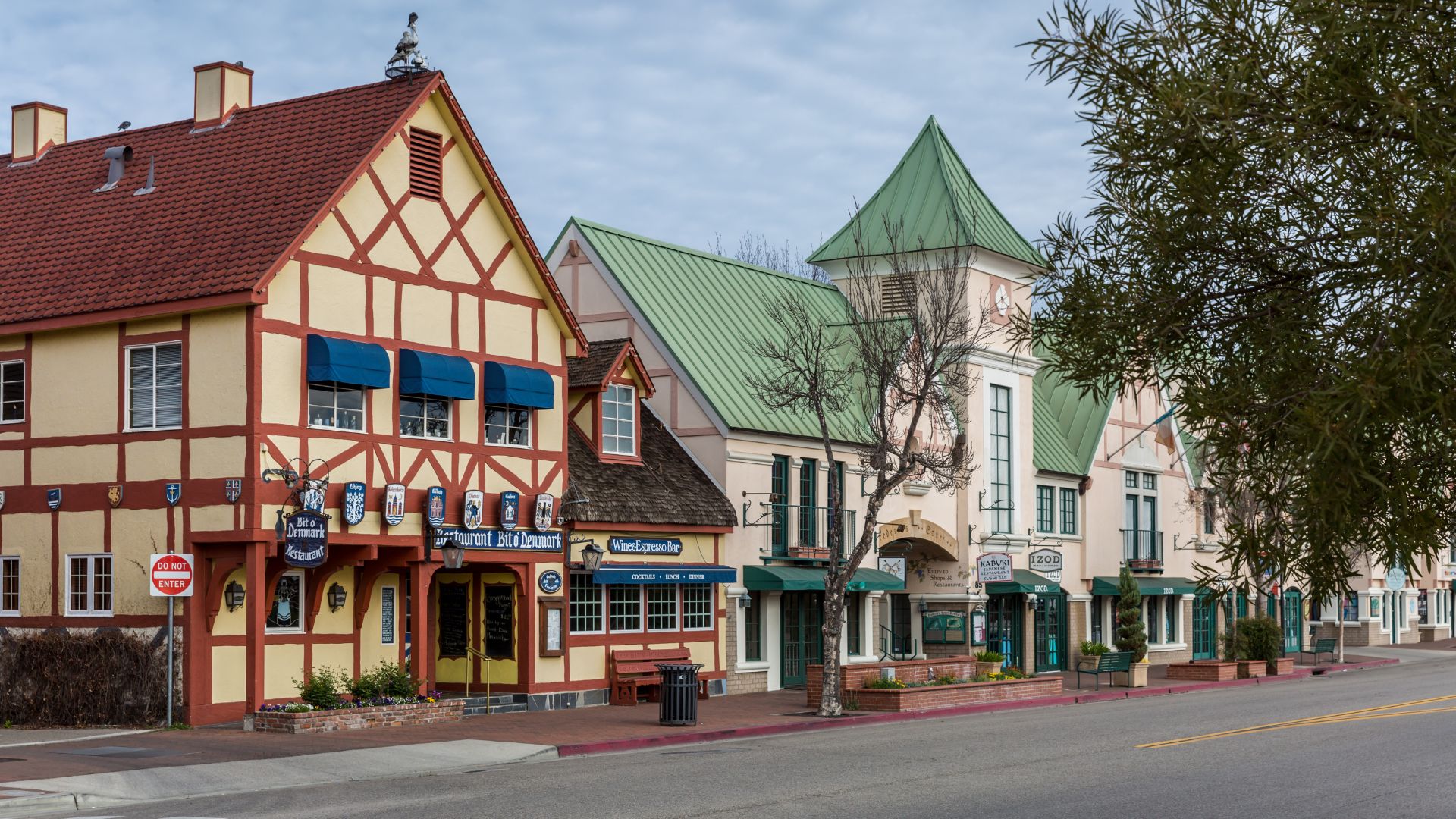
Solvang’s Danish architecture isn’t just for show. It’s genuine heritage, and the town’s kept it alive for over a hundred years. You’ll spot half-timbered buildings, windmills, and bakeries that actually bake the real deal.
With about 6,000 residents, Solvang feels cozy. Walking the cobblestone streets and admiring the unique buildings, you could easily forget you’re in California.
Solvang sits near Santa Barbara, right in the heart of wine country. You can browse Danish shops, devour authentic pastries, and even visit Mission Santa Inés if you’re into history. It’s a seriously easy way to soak up Danish culture—no plane ticket needed.
Somehow, the town’s managed to keep its Danish soul while welcoming travelers from all over. If you’re looking for European charm with a side of California sunshine, Solvang’s a must.
3) Hermann, Missouri – German wine country charm
Hermann hugs the Missouri River, with just under 3,000 people calling it home. German settlers founded the place in 1837, and their fingerprints are everywhere.
By the mid-1800s, Hermann had become Missouri’s wine capital. These days, the town cranks out nearly 200,000 gallons of wine every year—about a third of the state’s total.
Streets are lined with 19th-century German architecture, and the buildings wouldn’t look out of place in Bavaria. Family-owned wineries dot the hills, and you can sample some pretty fantastic local wines.
German-style festivals pop up all year long. You can wander through historic wine cellars and dig into hearty German food at local spots. The vineyards and old buildings make Hermann feel like a European escape—without the transatlantic flight.
Most folks overlook Hermann in favor of bigger Missouri cities, but if you’re after authentic German charm, this town delivers.

4) New Ulm, Minnesota – German heritage with festivals
New Ulm brings a real slice of Germany to Minnesota’s heartland. German immigrants founded it back in 1854, and the town’s never let go of its roots.
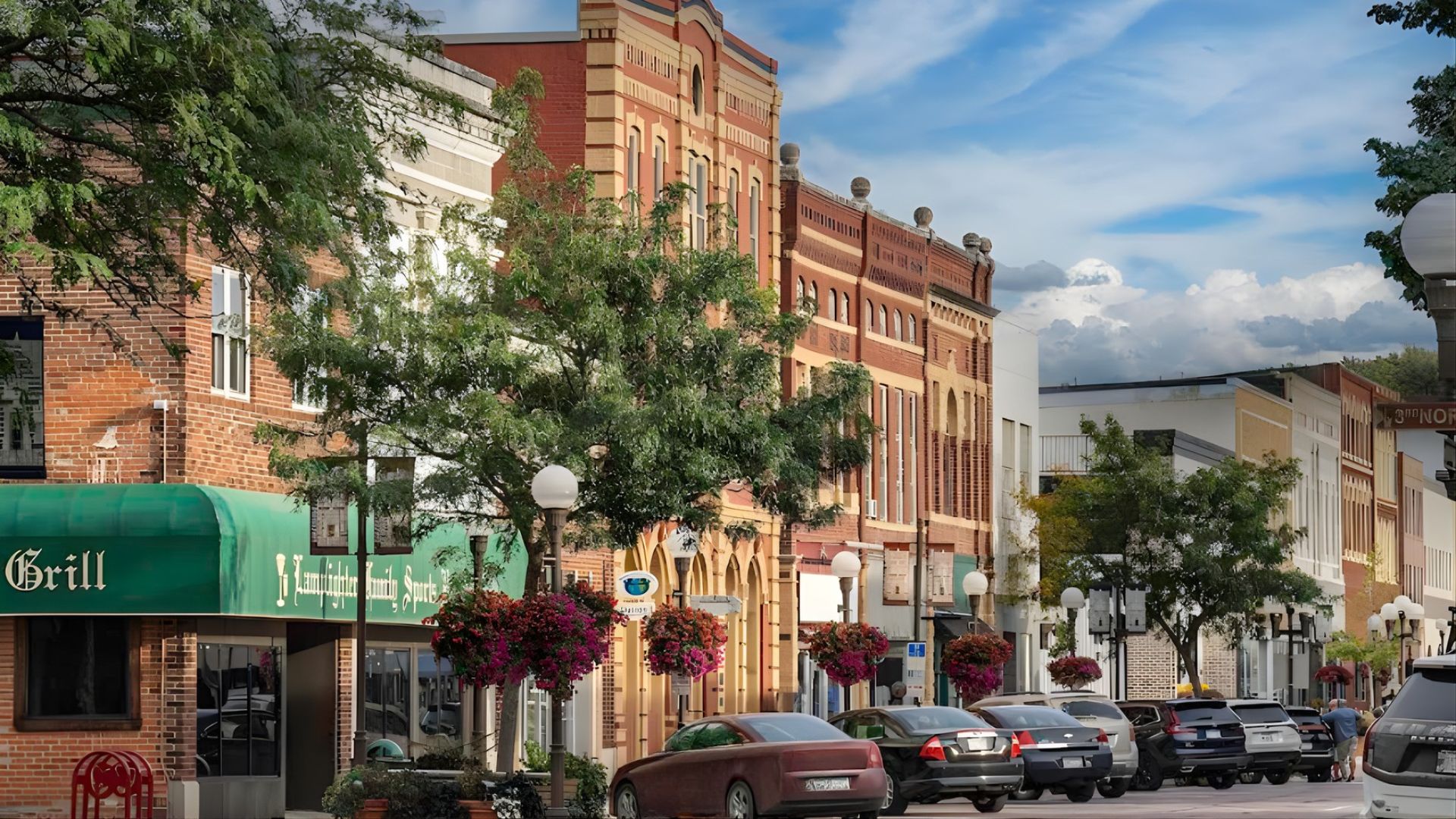
The streets show off German-style buildings that really do transport you. Fun fact: the 2000 Federal Census actually called New Ulm the “most German city in America.”
Foodies, you’re in luck. You can grab bratwurst and locally brewed beer all over town. The menus definitely reflect the community’s dedication to keeping traditions alive.
Festivals are a big deal here. Oktoberfest brings in crowds for polka, German eats, and a healthy dose of community spirit. The Parade of Lights in November adds some holiday sparkle.
New Ulm sits just 90 miles from Minneapolis, so it’s a breeze for a weekend getaway. The town manages to blend Midwestern friendliness with Old World tradition in a way that feels real, not touristy.
5) Frankenmuth, Michigan – Bavarian architecture and hospitality
If you want a true taste of Germany in Michigan, Frankenmuth is the place. German settlers founded it in 1845, and the town’s never lost its heritage.
The streets are packed with half-timbered chalets and Bavarian-style buildings. When you stroll the cobblestone paths, you might forget you’re in the Midwest.
Don’t leave without eating. The Bavarian Inn and Zehnder’s serve up classic German dishes like schnitzel and bratwurst. Polka music drifts from the dining rooms—sometimes it’s impossible not to tap your foot.
Frankenmuth throws a bunch of German festivals, like Oktoberfest, the Bavarian Festival, and the World Expo of Beer. These events fill the town with music, food, and old-school fun.
And don’t miss Bronner’s Christmas Wonderland—the world’s biggest Christmas store. Frankenmuth keeps its German-American vibe going strong all year, so you can soak up Bavarian culture anytime.

6) Lititz, Pennsylvania – Quaint European-style streets
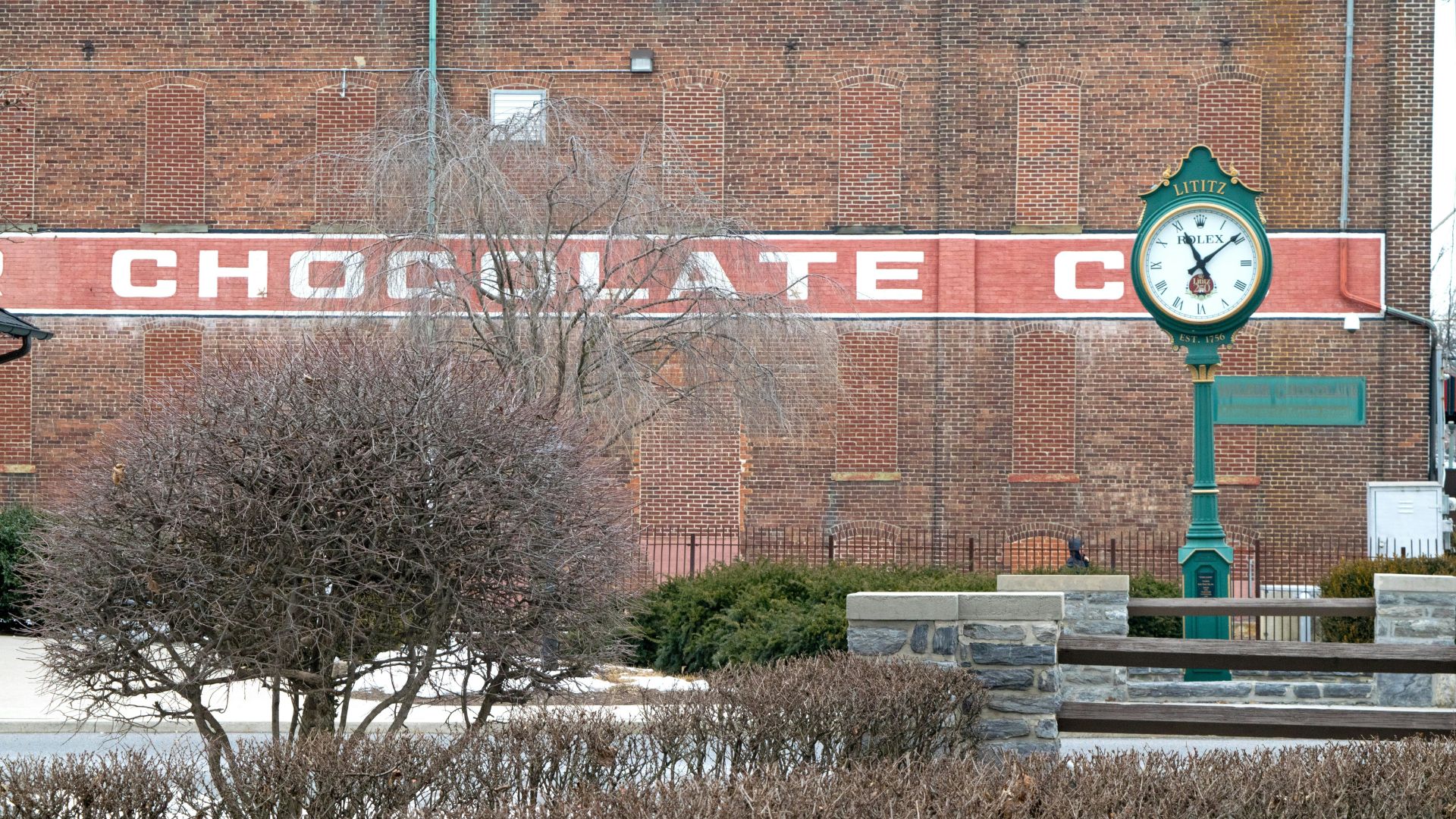
Lititz gives off serious small European village vibes, right in the middle of Lancaster County. The Moravians, fleeing religious persecution in Germany, founded the town in 1756. You’ll see their influence in the blend of English, German, and Victorian architecture along tree-lined streets.
The downtown’s compact, so you can explore most of it on foot. Historic buildings and well-kept structures make it feel like you’ve crossed the ocean.
Lititz follows a classic European layout, with a central square and community spaces. Lititz Springs Park sits in the heart of town—kind of like a miniature village green you’d find in Europe. The gazebo becomes the center of community life, hosting events and concerts.
Main Street is home to unique shops and cafés, all tucked inside historic buildings. The country’s oldest pretzel bakery still operates here, adding to the town’s authentic bakery-town feel. Walkable streets let you slow down and discover architectural gems and local businesses at your own pace.
7) Galena, Illinois – Historic stone buildings
Galena’s downtown boasts over 800 preserved historic buildings, so wandering here feels like stepping into a European village from the 1800s. The town landed on the National Register of Historic Places in 1969, which protected most of its old structures.
Brick and stone architecture lines narrow streets that climb above the Galena River. The whole scene looks like a mashup of Germany’s Rhine Valley and the English Cotswolds.
Lead mining made Galena rich in the 19th century, and residents built some seriously impressive stone and brick buildings. When mining faded, the town slowed down, but that actually helped preserve its historic charm.
You can stroll Main Street and the hillsides to see authentic 19th-century storefronts, homes, and public buildings. Museums, galleries, and shops now fill these spaces, so you get to soak up history while exploring.
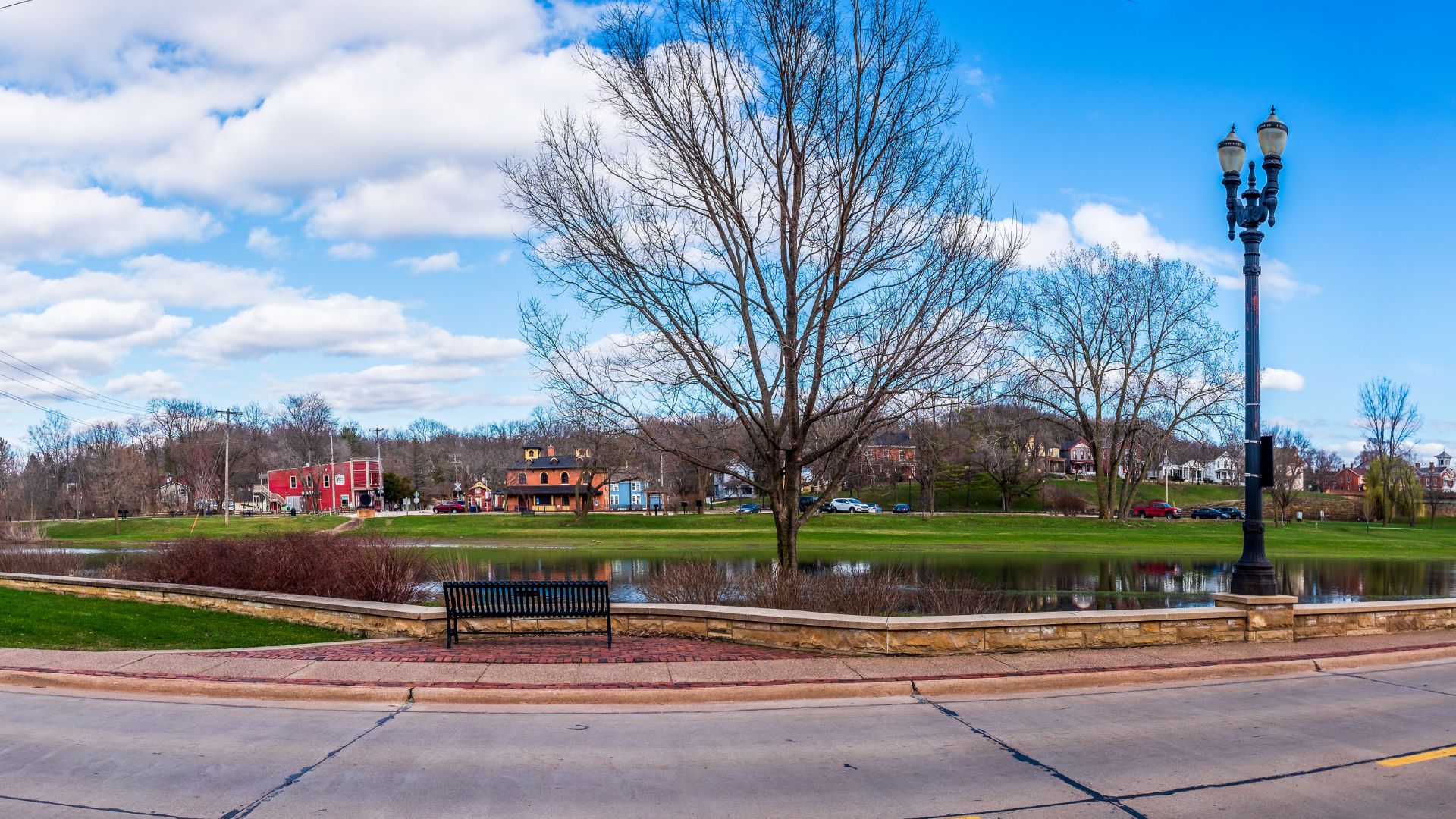
8) Saugatuck, Michigan – Dutch and European art scene
Saugatuck hugs Lake Michigan’s eastern shore and has earned the nickname “Art Coast of Michigan.” The town’s creative pulse and walkable downtown feel a lot like small European coastal villages.
Galleries and art studios pop up everywhere downtown. The James Brandess Gallery on Butler Street is a local favorite, and you’ll spot public art as you wander.
Artists have flocked to Saugatuck for decades. The Ox-Bow School of Art has been here for over a century, nurturing creativity and building a tight-knit arts community.
Rainbow crosswalks mark the downtown streets, showing off the town’s open-minded, welcoming spirit. That small-town charm mixed with creative energy makes Saugatuck feel a lot like a European art haven.
Oval Beach is stunning, with golden sand and clear water. The natural beauty here inspires both artists and visitors. You can gallery-hop by day, then relax by the lakeshore for a taste of that laid-back European vibe.
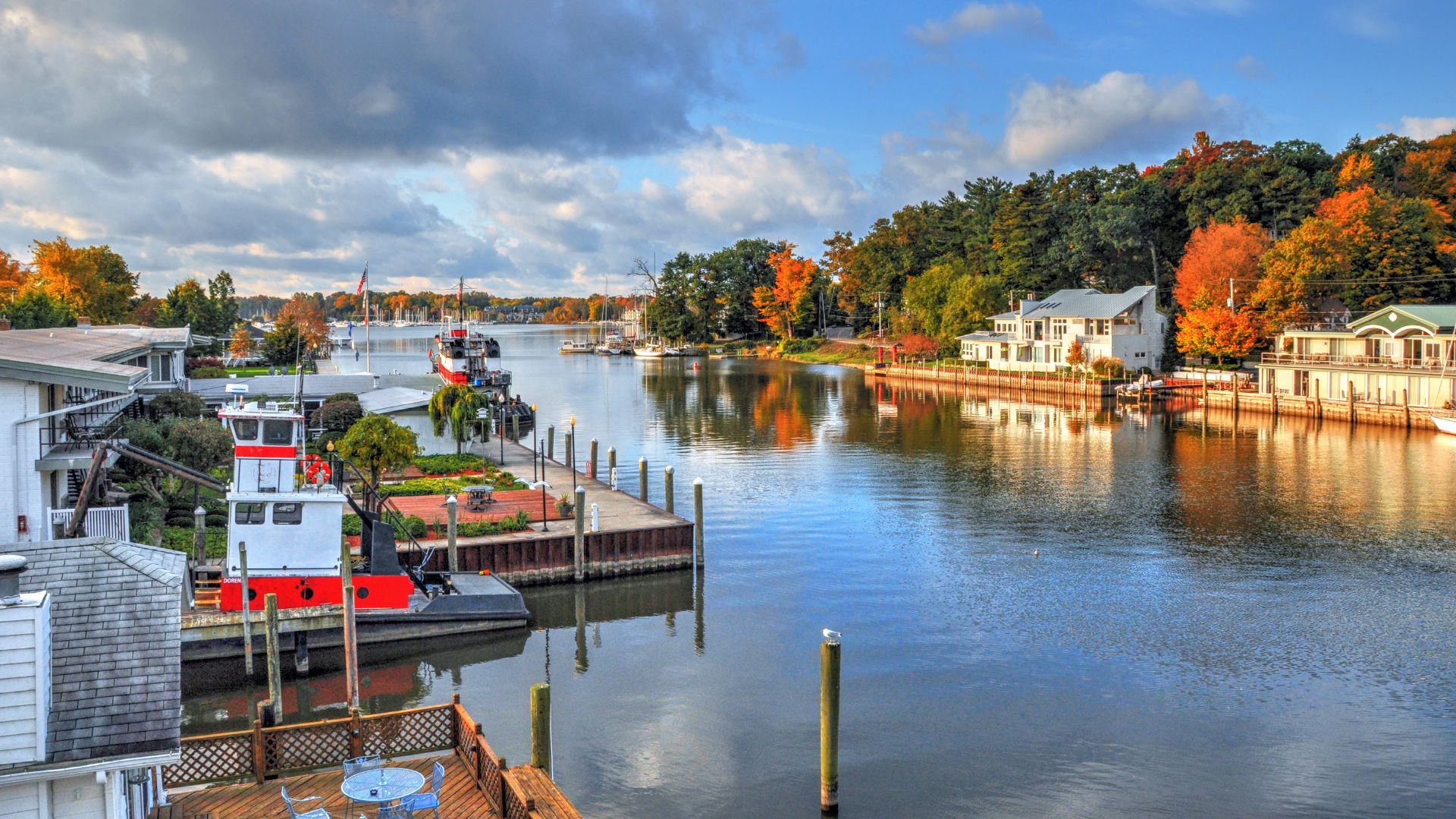
9) Port Townsend, Washington – Victorian European feel
Port Townsend sits at the tip of Washington’s Olympic Peninsula and shows off one of the best collections of Victorian architecture in the Pacific Northwest. The downtown could easily pass for a coastal English or Scottish port.
In the 1880s, investors thought Port Townsend would become a major harbor, so they built grand Victorian buildings. The boom never came, but the ornate architecture stuck around. You can stroll Water Street and admire brick buildings with bay windows and decorative cornices—details that feel straight out of Europe.
The maritime setting adds to the vibe. The town overlooks the Strait of Juan de Fuca, offering scenery that’s reminiscent of British coastal villages. You get that perfect blend of seafaring heritage and Victorian elegance.
Port Townsend manages to keep its historic charm without feeling overly touristy. Local shops, cozy cafés, and galleries fill the old buildings. The town stays a bit under the radar, which helps it keep that authentic European small-town atmosphere.
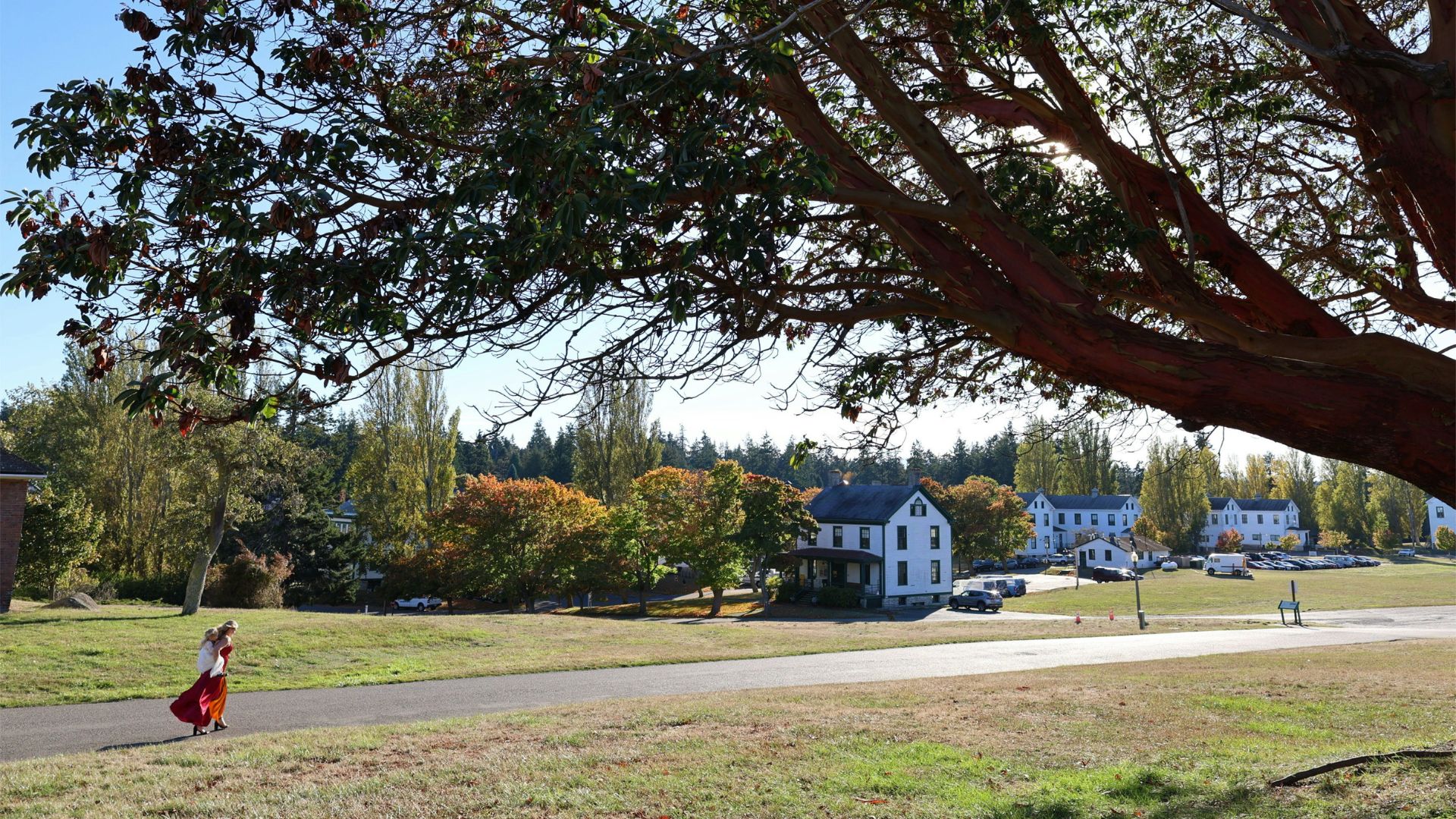
10) Carmel-by-the-Sea, California – Storybook European village
Carmel-by-the-Sea hugs California’s central coast and covers just a single square mile. With about 3,000 to 4,000 residents, it somehow manages to feel like a tucked-away European village.
Wandering the streets, I spot cottages with curved roofs, stone chimneys, and overflowing flower gardens. The architecture draws clear inspiration from English and French countryside homes, giving the whole place a fairytale vibe.
There aren’t any street addresses or chain restaurants here. Instead, I stumble onto secret courtyards and narrow, twisting pathways—just like something out of an old European town.
Art galleries, boutique shops, and wine tasting rooms cluster within easy walking distance. Carmel-by-the-Sea sits right between San Francisco and Los Angeles, perched on the Monterey Peninsula.
The white sand beach is gorgeous, with coastal views that honestly feel a bit unreal.
Local regulations keep the village’s quirky charm and original architecture intact. That careful preservation really sets the European mood.
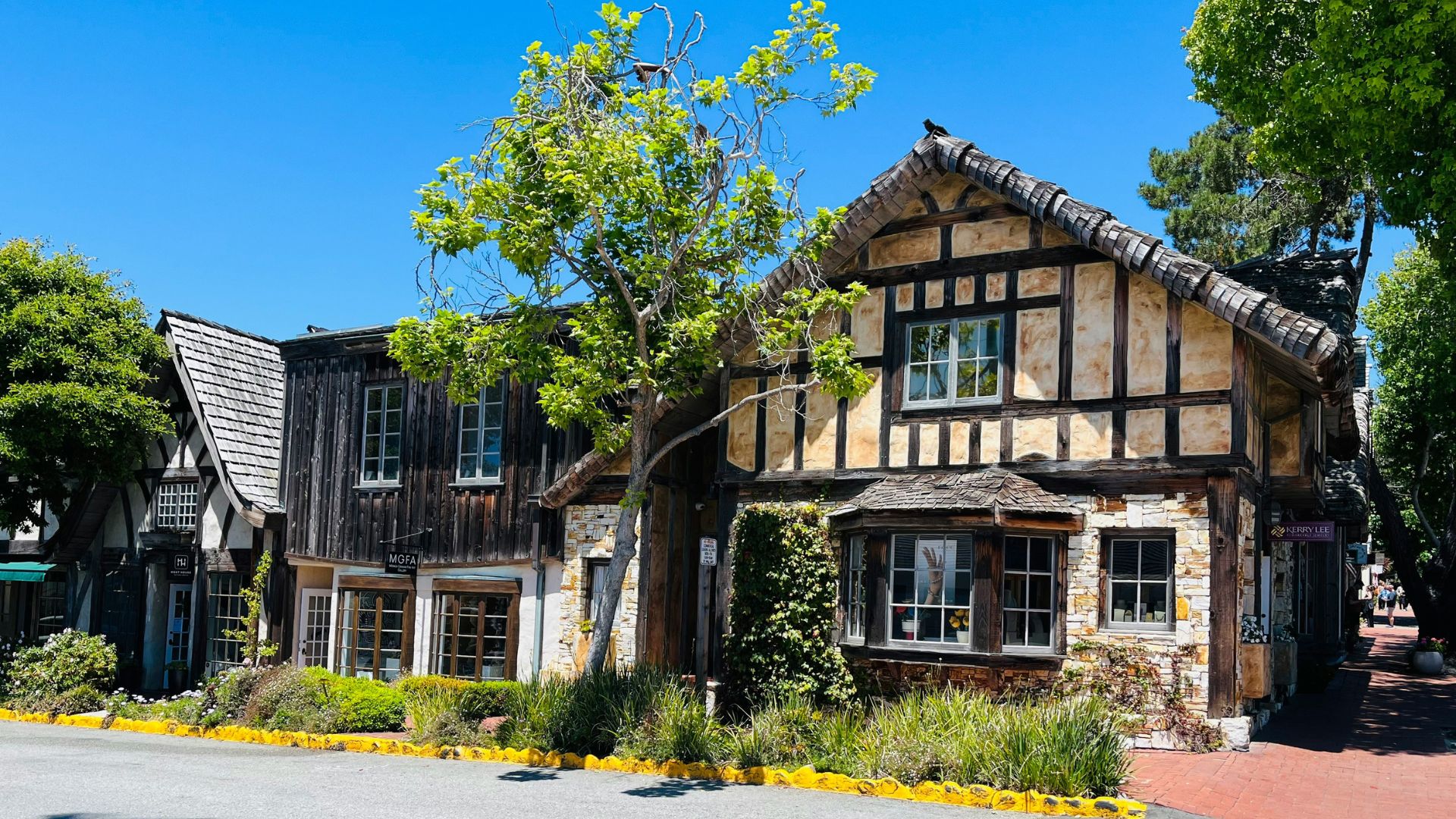
11) Fredericksburg, Texas – German culture and wineries
Fredericksburg pops up in the Texas Hill Country, about 80 miles west of Austin. German immigrants founded the town back in 1846, and their influence is everywhere.
Main Street shows off German architecture with historic buildings housing shops, galleries, and lively biergartens. The local restaurants whip up German-inspired dishes right alongside Texas classics.
If you time your visit for Oktoberfest, you’ll catch traditional celebrations—only with a Lone Star twist.
The area is now Texas’s second-most visited wine region, right behind Napa Valley. Award-winning wineries sit just minutes from downtown, and you can taste local wines pretty much year-round.
Fredericksburg’s roughly 12,000 residents take pride in their German heritage. They keep traditions alive through food, architecture, and a calendar full of cultural events.
You won’t need a passport to soak up this European atmosphere right in the heart of Texas.
The mix of German customs and Hill Country scenery gives Fredericksburg a flavor all its own. Exploring wineries, feasting on bratwurst, and strolling streets that feel more Bavarian than Texan? That’s a trip worth making.

12) Poulsbo, Washington – Norwegian harbor town
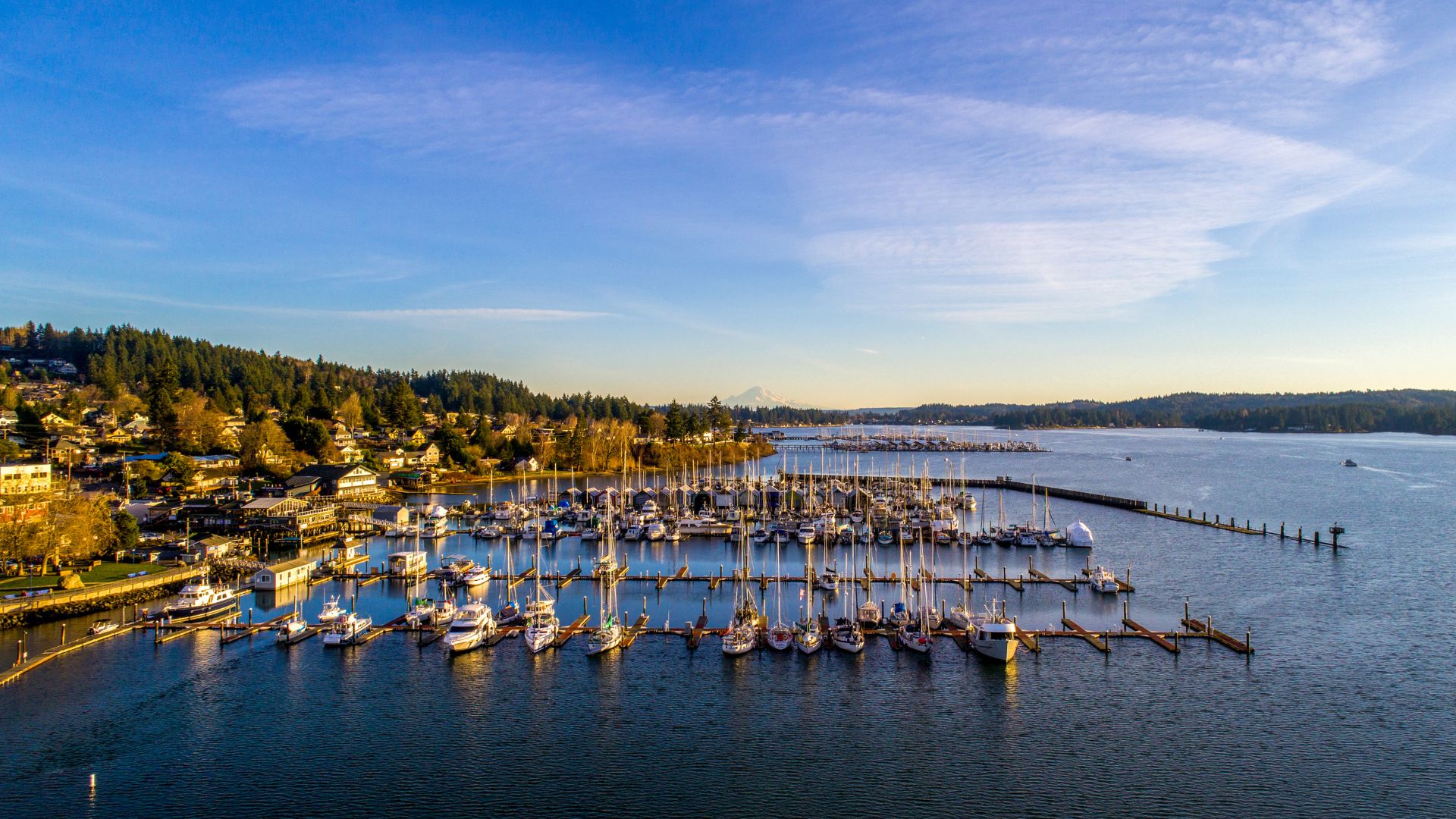
Poulsbo sits on the Kitsap Peninsula, right on Liberty Bay, less than two hours from Seattle. Norwegian immigrants founded this waterfront town more than 140 years ago, and you can still feel that heritage everywhere.
Downtown bursts with Scandinavian-style architecture—bright colors, Nordic patterns, and all sorts of whimsical details. Shops and boutiques line the harbor, making for an easy afternoon wander.
Locals call it “Little Norway,” and honestly, the nickname fits. Norwegian was once the main language here, thanks to all those early settlers.
The town’s name, Poulsbo, even comes from a Norwegian hometown, though the U.S. government tweaked the spelling when setting up the post office.
You can grab pastries at real Norwegian bakeries and join in on cultural festivals that celebrate Poulsbo’s roots. Colorful murals with Norwegian themes brighten up different corners of town.
Three beaches give you access to Liberty Bay, so kayaking, swimming, or just soaking in the Northwest scenery is always an option. A quick ferry ride links Poulsbo to Seattle, making it a super easy day trip.
What Makes a US Town Feel European?
Some American towns just nail that European vibe. It’s not one thing—it’s the mix of building styles, lively festivals, and, let’s be honest, the food.
Architectural Influences and Design
Architecture sets the mood before anything else. Bavarian-style towns show off half-timbered facades, painted murals, and steep, storybook roofs. I love how these mountain towns totally transformed their downtowns to draw in visitors.
Spanish colonial towns bring a Mediterranean spirit with whitewashed walls, red tiles, and wrought iron. French-inspired towns charm with narrow streets, ornate balconies, and stone buildings that could’ve come straight from Provence.
Common European architectural touches:
- Cobblestone or brick-paved streets
- Church steeples and bell towers
- Town squares with fountains
- Colorful facades
- Arched doors and windows
Many towns added these features during big downtown makeovers, especially in the 1960s when they needed a tourism boost. If you find a waterfront, that adds even more authenticity—just like European lake and river towns.
Cultural Traditions and Festivals
Things get really interesting when towns go all-in on European traditions. Oktoberfest turns sleepy streets into Bavarian party zones, with beer gardens, folk music, and dancing. Some places keep the festivities rolling for weeks.
Christmas markets pop up with wooden stalls, mulled wine, and handmade ornaments. Accordion music drifts through streets lined with twinkling lights. Some towns throw French or Italian festivals that highlight their own slice of Europe.
These aren’t just for show. Many locals still have direct ties to Europe and keep traditions alive, year after year.
Local Cuisine Inspired by European Flavors
Food seals the deal. Authentic bakeries serve croissants, strudels, and pastries made from old-country recipes. Cafes pour real espresso and thick, European-style hot chocolate.
German restaurants serve up schnitzel, bratwurst, and pretzels with local beer. French bistros offer quiche and crepes, while Italian spots make pasta the traditional way.
European food finds include:
- Cheese shops with imported selections
- Chocolate makers using Belgian techniques
- Wine bars with European bottles
- Delis packed with cured meats and specialty goodies
Most places use local ingredients but stick to European recipes. It’s a win-win: tourists get a taste of Europe, and locals enjoy seriously good food.

Travel Tips for Experiencing Europe in America
If you want the most authentic vibe, timing and local know-how make all the difference.
Best Times to Visit for Authentic Atmosphere
Spring and fall are honestly the sweet spots for exploring these towns. The weather’s mild, crowds thin out, and everything feels a bit more relaxed.
Many towns throw their biggest festivals in September and October. Leavenworth, Washington, for example, goes all-out for Oktoberfest with real German beer, food, and bands.
French-inspired places hold wine harvest parties that feel straight out of Provence.
Winter brings a special kind of magic. Christmas markets pop up from late November into December, with wooden stalls and spicy mulled wine. Snow on the rooftops, twinkling lights—it’s about as close to a European winter as you’ll get stateside.
Summer means longer days and patio dining, but also bigger crowds. If you visit then, try hitting main attractions early or late in the day.
Navigating Local Events and Customs
Before you go, do a little research on the town’s roots. Some places take their heritage seriously—locals might still speak the ancestral language or follow old customs.
A few cultural quirks to watch for:
- German-themed towns often stick to traditional lunch and dinner hours
- Italian neighborhoods sometimes close up shop for afternoon breaks
- Scandinavian communities might greet you in their own way
Check local event calendars at least a couple weeks ahead. Small towns often plan their whole tourist season around annual festivals, so you’ll want to book accommodations early if your visit overlaps.
Start your trip at a local museum or heritage center. They’ll give you the backstory and help you spot what’s truly authentic versus what’s just for the tourists.
Frequently Asked Questions
Lots of travelers wonder how to find real European charm in the US, from distinctive architecture to cultural experiences that channel Germany, Denmark, and beyond.
Leavenworth, Washington is a standout. It’s a full-on Bavarian village in the Cascades, with alpine buildings, German food, and festivals all year.
Solvang, California brings Danish flair to the Central Coast—windmills, half-timbered houses, and bakeries everywhere. Founded by Danish immigrants in 1911, it keeps tradition alive through architecture and celebrations.
Hermann, Missouri sits on the Missouri River and brings German wine country vibes with local wineries and historic buildings. New Ulm, Minnesota celebrates its German roots through Oktoberfest and unique architecture.
Frankenmuth, Michigan is all about Bavarian hospitality. Family-style restaurants, German shops, and year-round Christmas stores make it feel like a little slice of Europe.
Hermann, Missouri delivers a real German wine country experience. You can tour vineyards, attend festivals, and wander historic streets that still echo 19th-century immigrant life.
New Ulm keeps German traditions strong with the Hermann Monument, authentic eateries, and a brewery using old-school methods. The cultural center even offers German language and custom classes.
Leavenworth boasts over 100 Bavarian-style buildings, complete with murals and wooden balconies. They started the transformation in the 1960s, and now the whole downtown feels Alpine.
Solvang rocks Danish Provincial architecture—steep roofs, exposed timbers, and stucco walls. The town even has Copenhagen replicas and real Danish windmills.
Frankenmuth features Bavarian architecture like a covered bridge, glockenspiel tower, and timber-framed buildings. Hand-painted details and traditional methods make it extra charming.
Leavenworth sits in a mountain valley that really does look like the Bavarian Alps—pine forests, snowy peaks, and all. The Cascades offer hiking and outdoor fun just like Europe’s alpine regions.
Hermann hugs the Missouri River bluffs, with rolling hills covered in vineyards. The stone buildings and river views feel a lot like Germany’s Rhine Valley.
Solvang lies in the Santa Ynez Valley, surrounded by countryside that could pass for Danish farmland. Horse ranches and vineyards dot the gentle hills, adding to the pastoral scene.
New Ulm flies under the radar outside the Midwest, but its German character and cultural events are the real deal. You won’t find the tourist crowds here.
Hermann attracts fewer visitors than Napa or Sonoma but offers quality wineries and well-preserved German heritage. The festivals and historic buildings feel refreshingly authentic.
Frankenmuth is a regional favorite but not as well-known nationally. The town sticks to its Bavarian theme all year, with activities and charm that surprise a lot of first-time visitors.
Leavenworth? Oh, you can’t miss it if you’re craving a little slice of Bavaria right here in the US. The whole place feels like someone plucked a German Alpine village and dropped it in Washington. Picture timbered buildings, flower boxes everywhere, and bratwurst on every corner. Locals throw on lederhosen for festivals, and honestly, the beer flows just as freely as you’d hope.
Then there’s Solvang—California’s own Danish wonderland. The windmills, those half-timbered facades, and the smell of fresh aebleskiver drifting from every bakery make it feel like a quick hop to Denmark. They go all out for Danish holidays, too. If you wander the streets, you’ll spot Danish flags and maybe catch a parade or two.
New Ulm sits in Minnesota, and it’s got a proud German vibe, but with its own twist. They celebrate all things German, from music to hearty food, and you’ll hear polka bands during the festivals. It feels like a town that loves its roots and isn’t shy about sharing them.
Hermann, tucked away in Missouri wine country, leans into its German heritage too, but with a focus on the Rhine region’s traditions. You’ll find rolling vineyards, old-world charm, and plenty of opportunities to sample local wines. If you’re after a taste of Europe without leaving the States, these towns are a good place to start.
