
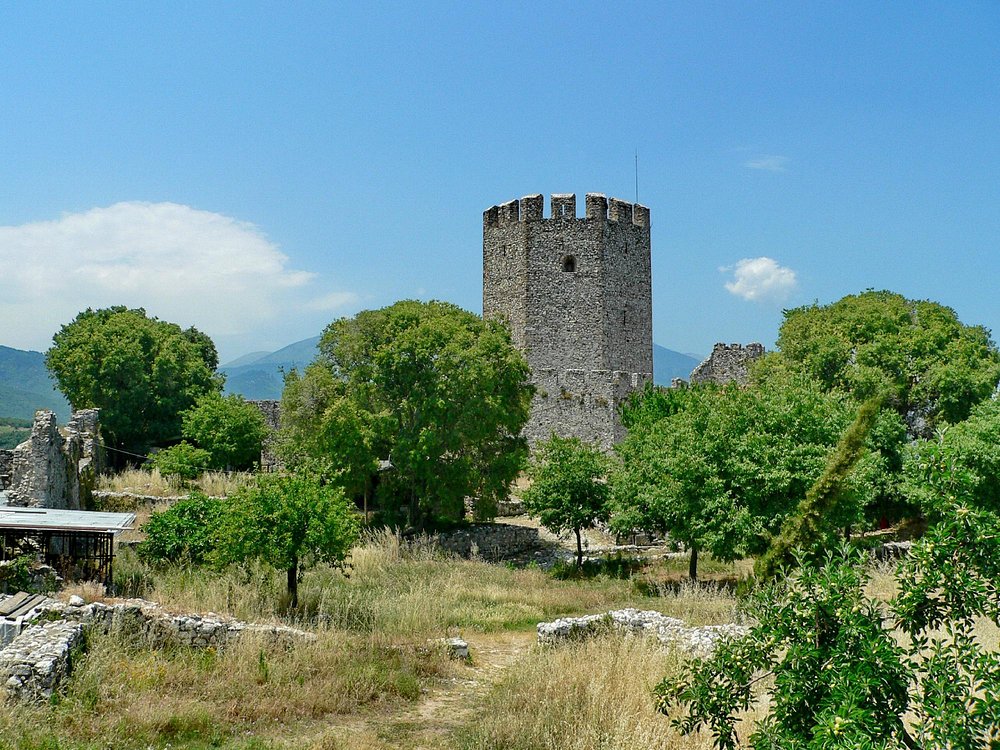
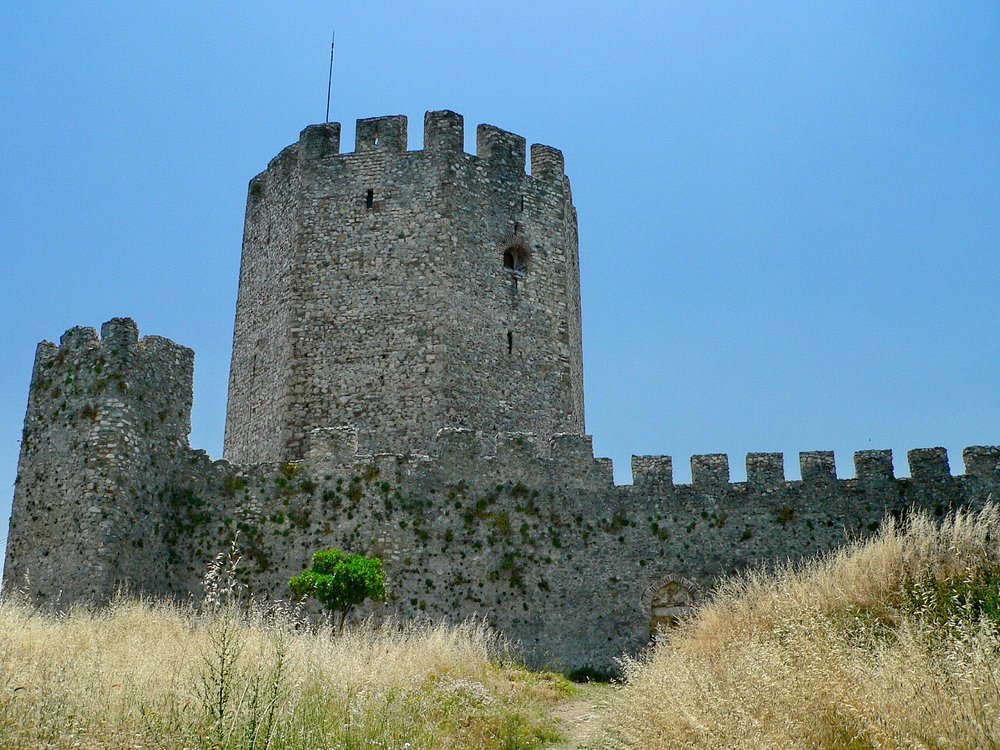
Standing on the ancient stones of Platamonas Castle in Greece, I felt like I’d wandered straight into a Frommer’s guide—except this time, I was the main character. Platamonas Castle sits high on a hilltop, a real Crusader fortress from the 13th century, once guarding the coast and keeping watch over the blue sweep of the Aegean Sea.
Thick medieval walls surround the castle, and the views just go on and on. No wonder it’s captured the imagination of travelers for ages.
But the real magic? I felt it as I wandered the ramparts at sunset. The golden light turned those centuries-old towers into something almost glowing. For a second, I could picture myself as a watchful guard, scanning the horizon for distant sails.
Visiting Platamonas Castle isn’t just about history. It’s a chance to step into a fairytale, soak up echoes of the past, and find a truly unique piece of Greece. Honestly, every traveler should have this on their bucket list.
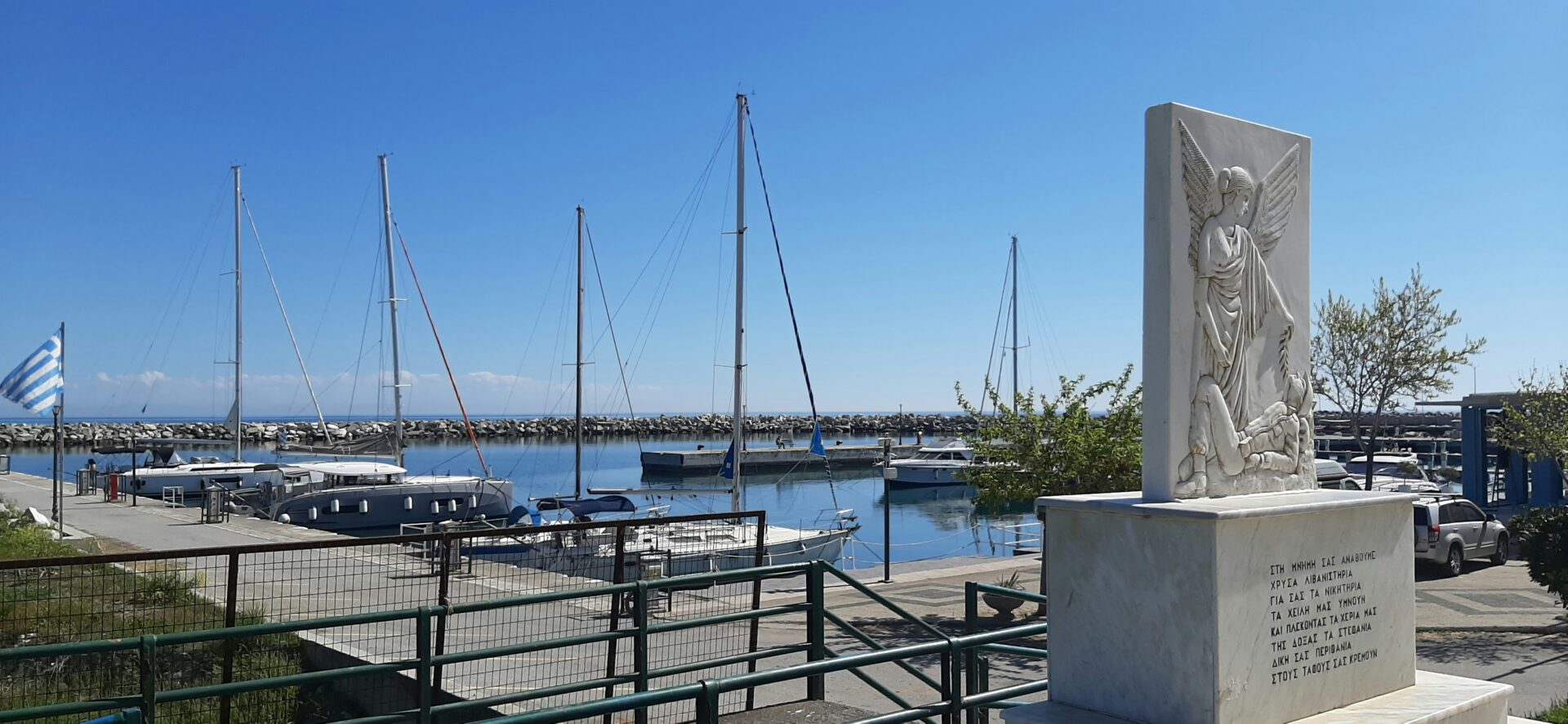
The Legendary History of Platamonas Castle
When I visited Platamonas Castle, echoes from ancient Greece and grand tales from the Middle Ages surrounded me. Every stone and arch seemed to whisper stories shaped by war, power, and faith.
Origins in Ancient and Byzantine Greece
As I wandered the grounds, I noticed traces of ancient Greece beneath the Byzantine stonework. This place’s roots stretch back centuries before the Crusaders ever showed up.
People believe an ancient Greek settlement or lookout once stood here, thanks to its spot by the Tempe Valley—a key route for travelers and armies. Over time, the Romans and then the Byzantines layered their own history onto the place.
In the 10th century, the Byzantines built the first real fortress here. Their strong walls and towers protected trade, nearby villages, and those historic churches. I could almost see priests and merchants passing through the gates, watched closely by Byzantine guards.
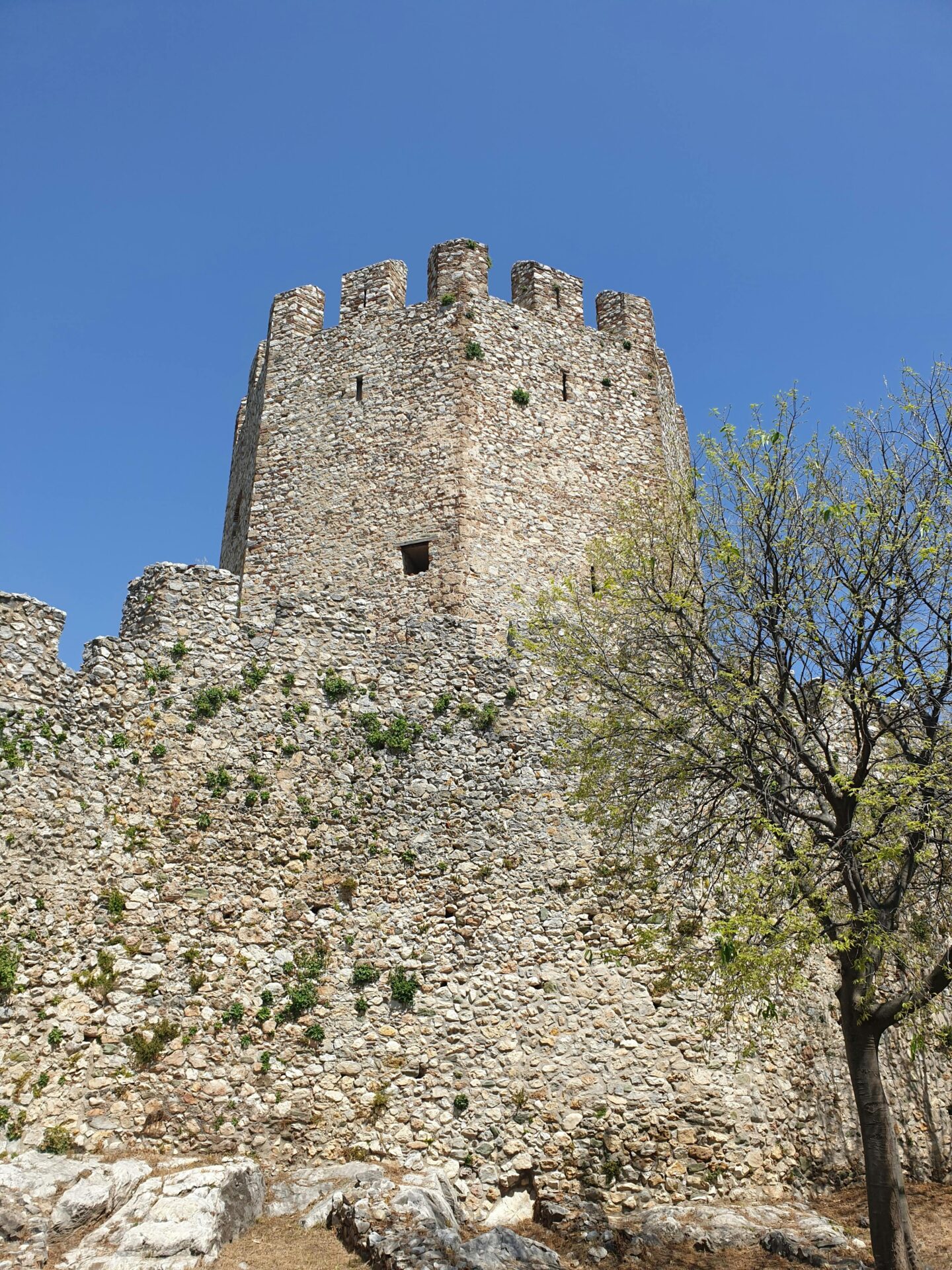
A Crusader Fortress: Stories from the Middle Ages
When I walked beneath those towering ramparts, the medieval Middle Ages felt close. The castle, as it stands now, mostly took shape between 1204 and 1222, built by Western Crusaders during a wild time in Greek history.
After the Crusaders took Constantinople, Boniface of Montferrat gave the site to his knight, Roland Piscia. They rebuilt and reinforced Platamonas Castle, turning it into a real fortress. Those tall stone towers and narrow entrances were designed for battle.
But the Crusaders didn’t hold on for long. Just a few years later, the local Byzantine ruler, Theodore Komnenos Doukas, took the stronghold back. The site kept evolving, gathering stories of sieges, secret passages, and daily life inside the ramparts.
Guarding the Aegean: Strategic Importance
The view from Platamonas Castle just floored me. From up there, I finally understood why this spot mattered so much. The castle sits above the coast, commanding the only passage connecting Macedonia to Thessaly—the Tempe Valley.
Why was this so important?
- It controlled the entrance to southern Greece.
- Troops, traders, and pilgrims all passed by below.
- The castle could spot threats and send warnings quickly.
Throughout ancient, Byzantine, and medieval times, the fortress acted as a shield for Pieria and a checkpoint for anyone traveling between north and south Greece. Its towers and ancient walls still stand, reminding us of its crucial role in watching over the Aegean. For travelers like me, it’s a direct window into another era.
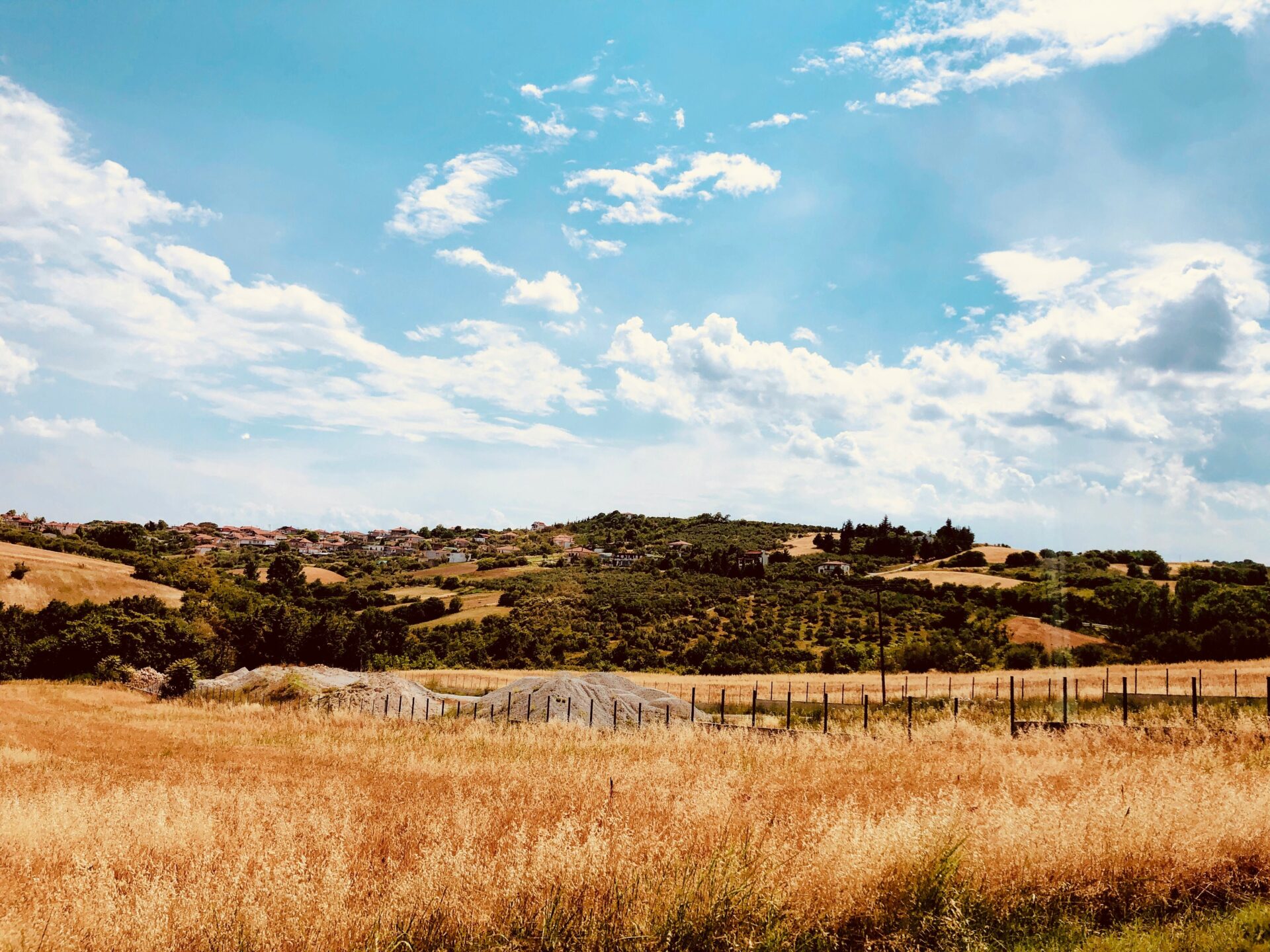
Experiencing the Castle Today
Walking through Platamonas Castle feels special. The fortress rises over the Aegean, just begging you to explore.
From guided tours to museums and unique events, every visit brings a mix of history, local color, and adventure.
Guided Tours and Visitor Information
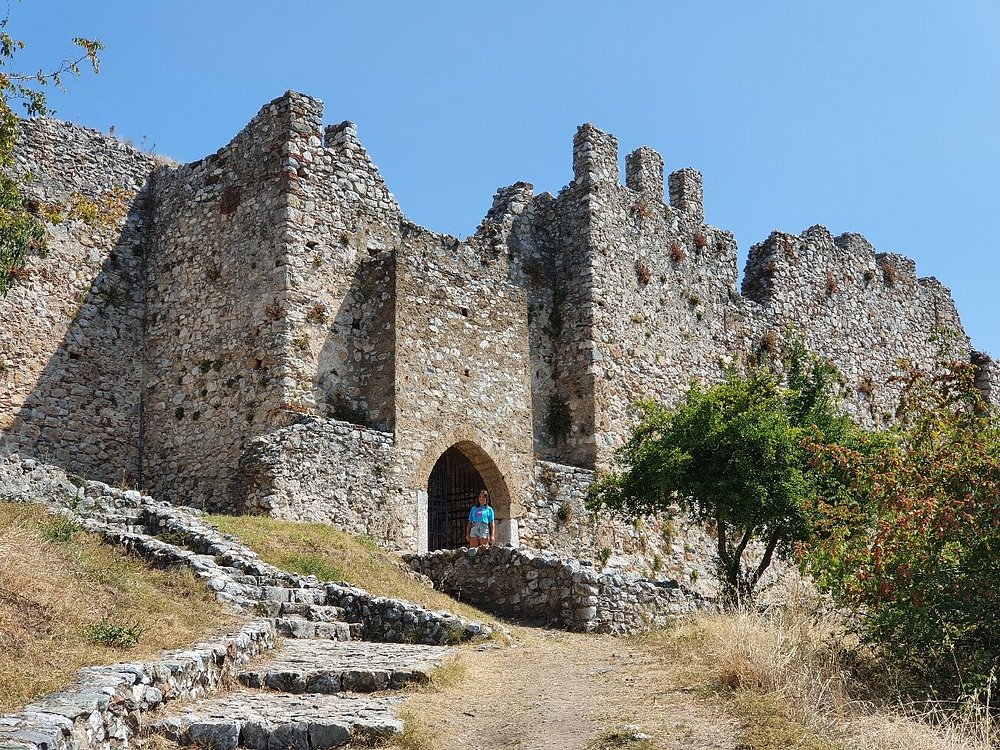
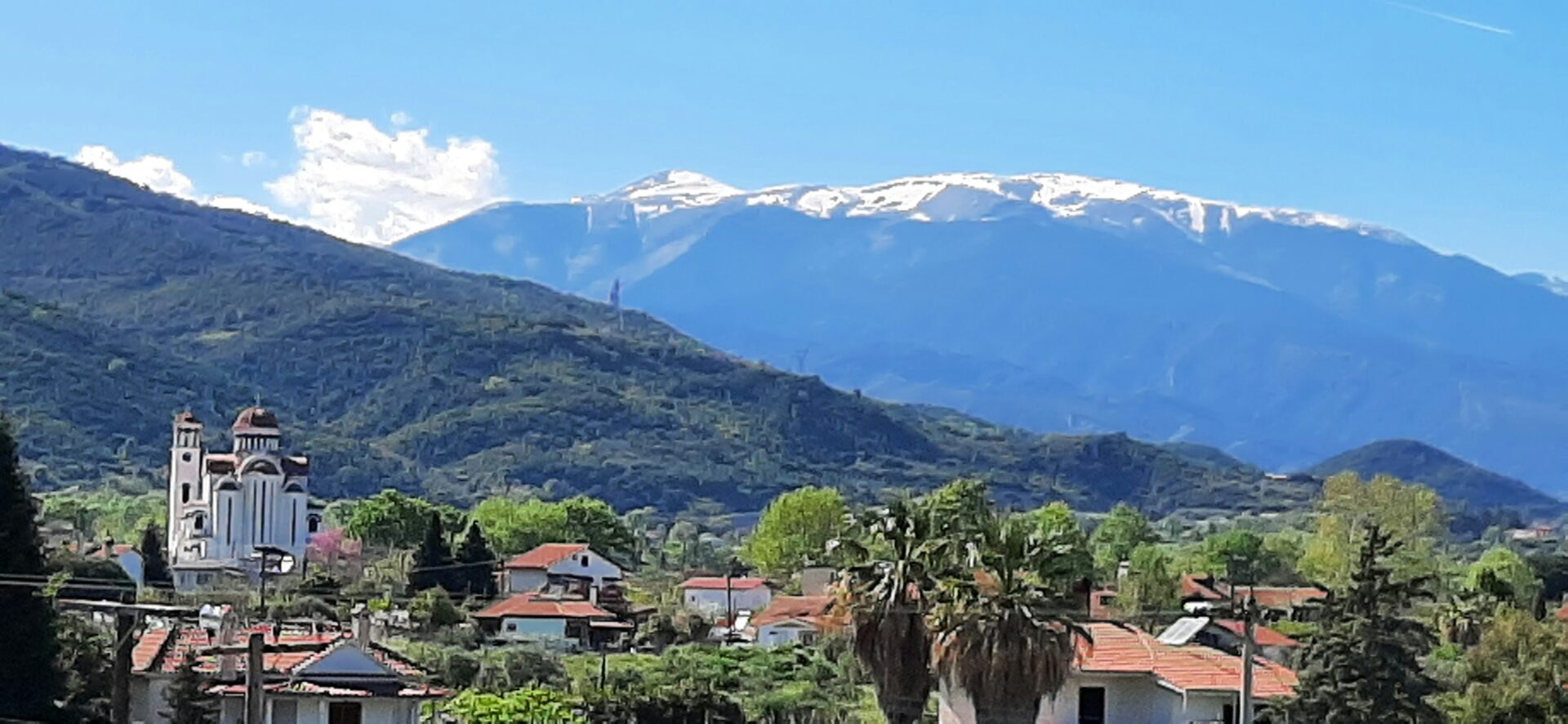
When I arrived, the visitor center handed me a map and some handy tips for seeing the whole site. Platamonas Castle has several paths, some winding up to the highest towers for panoramic views of the sea and Mount Olympus.
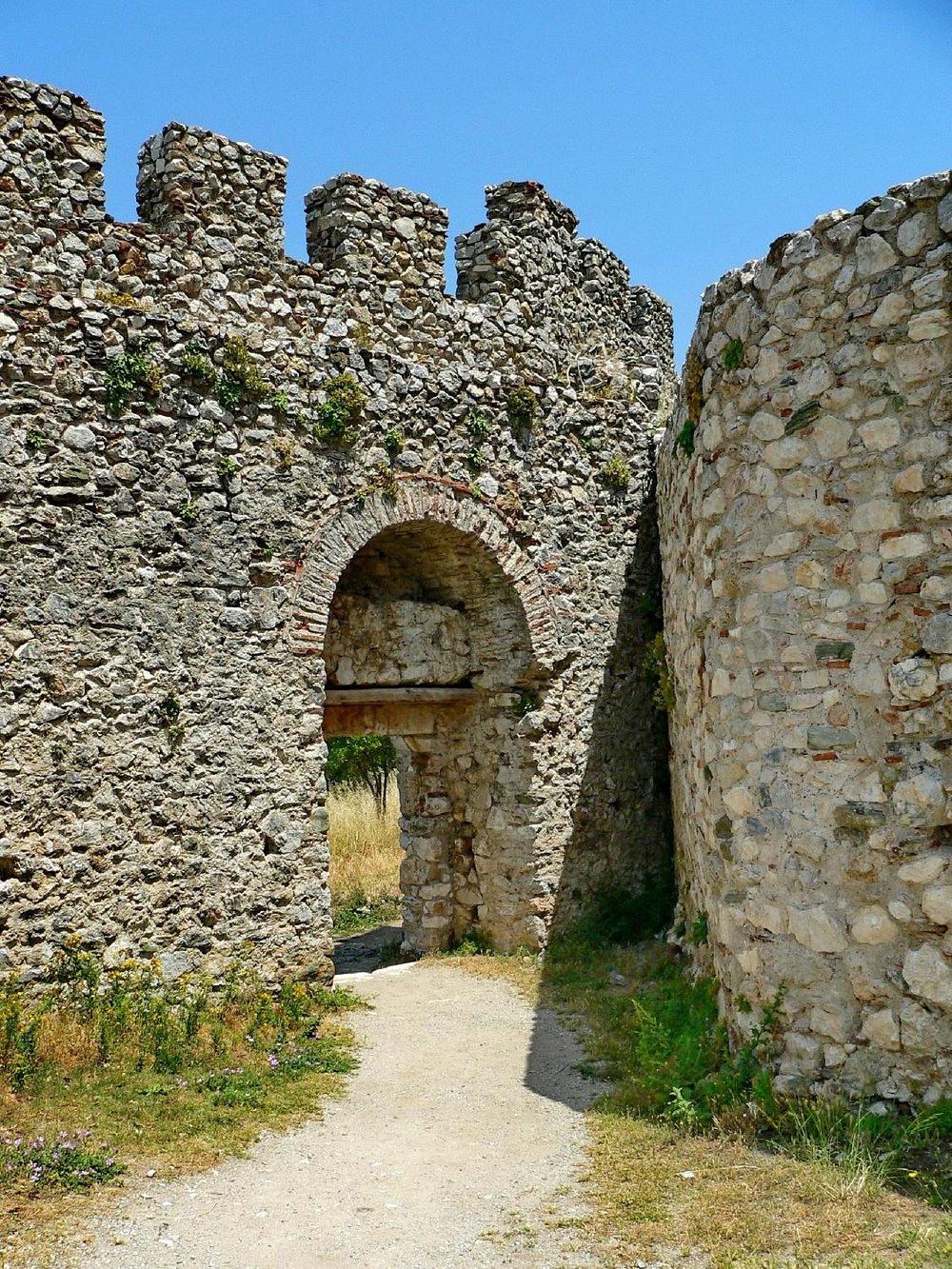
Guided tours run in English, Greek, and sometimes other languages, so learning about the castle’s past and architecture felt easy. Most tours cover the main gate, tall battlements, and old stone walls that have stood the test of time.
The entrance is well-marked off the main road, and parking is close by. I saw people of all ages making their way along the paths, though a few spots get pretty steep.
The staff really know their stuff and often share stories you won’t find in any guidebook. Basic amenities—like toilets, a small snack kiosk, and shady places to rest—make things comfortable, even on hot days.
Hours change by season, so double-check before you go.

Cultural Events and Religious Treasures
Platamonas Castle isn’t just about old stones. In summer, the outer courtyard often fills with open-air concerts and traditional festivals. One night, I got to watch a local dance troupe perform as the sun set over the Aegean—definitely a highlight.
Music drifted through the air, mixing with sea breezes and laughter from families and visitors. Inside the castle grounds, I found a small chapel that’s stood for centuries.
It’s simple but beautiful, holding religious icons and treasures that locals carefully preserve. Sometimes, special religious celebrations take place here, drawing both locals and travelers.
Cultural events change each year. Past highlights include medieval fairs, art displays, and even outdoor film nights. Check the schedule at the entrance or online if you want to catch something special.
Museums and Galleries Nearby
Platamonas Castle itself doesn’t have a full-scale museum, but the Pieria region offers several options nearby. I took a quick drive to the Archaeological Museum of Dion, where ancient Macedonian and Roman artifacts helped me put everything in context.
The displays include pottery, statues, and tools found around the foothills of Olympus. Nearby art galleries showcase local painters and sculptors, inspired by both the castle and the Greek landscape.
Small exhibition spaces in Platamonas and Leptokarya feel welcoming and are sometimes free. The staff often tip you off to current shows or hidden gems.
Families with kids can explore interactive museums dedicated to nature and mythology in the area. Whether you’re after art, history, or hands-on activities, you’ll find plenty to fill a day exploring both the castle and the nearby cultural sites.
Your Fairytale Moment: What Makes Platamonas Castle Magical
Platamonas Castle draws me in with sweeping sea views, lively local scenes, and hidden spots perfect for a quiet escape or a stunning photo.
Every corner offers something memorable, whether I’m watching the waves or exploring the village below.
Panoramic Views Over the Aegean Sea
Standing on the castle’s ancient walls, I’m surrounded by sky, stone, and endless blue. The coastline curves around golden beaches and green hills, creating a landscape that’s both peaceful and wild.
A lot of visitors use the castle as a lookout—and I get it. The views are especially breathtaking at sunset, when the sun slips into the water and the light glows across the Pieria mountains.
I love sitting on the grassy edge, breathing in the salty air, and just soaking in the silence. Sometimes cruise ships glide by in the distance, adding a bit of adventure to the horizon.
I always bring my camera, but honestly, no photo really captures it. This is a place where you just have to pause, look around, and let yourself feel small next to something so old and beautiful.

Immersive Nightlife and Local Dining
When evening falls, Platamonas wakes up with a whole new vibe. Just below the castle and around the village, you’ll find lively tavernas, fresh seafood spots, and friendly cafes.
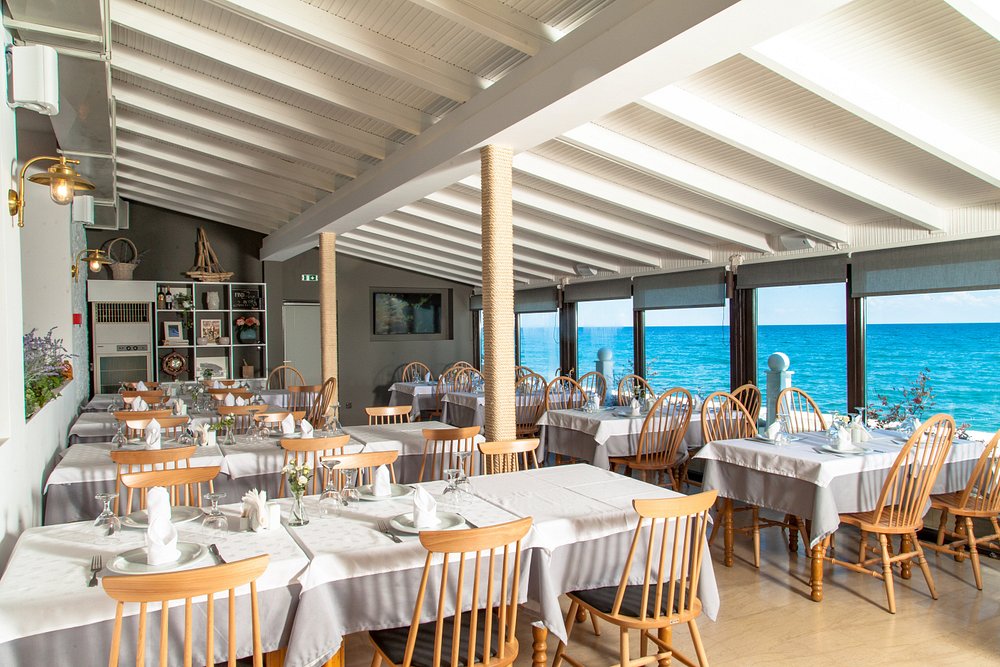
I love tasting grilled octopus or sipping a cold drink while music drifts from a nearby bar. Tables spill onto breezy patios, giving me a front-row seat to the local nightlife.
Some restaurants even have sea views, making dinner feel extra special. For a bit more energy, bars and beach clubs line the shore, buzzing until late.
Here’s what I usually tell friends:
- Try the local seafood—it’s fresh and delicious.
- Catch a traditional music night—it’s a fun way to feel part of the community.
- Stroll by the waterfront after dark—the castle lights up, reflecting off the waves and making every step a little magical.
Secret Corners and Fairytale Photography
My favorite moments at Platamonas Castle often happen off the main paths. Crumbling towers, winding staircases, and ivy-covered stones just beg to be explored.
These secret corners are perfect for quiet reflection or snapping a photo that feels straight out of a postcard. Early morning or late afternoon brings the best light—the golden hour makes every stone and archway glow.
Sometimes I stumble onto a wildflower patch or a shaded bench with a view right down to the beaches. When I want to feel like I’ve stepped into a storybook, I tuck myself away in these quiet nooks, pausing between adventures.
These hidden spots are where the real memories happen—whether I’m sharing them with friends or just enjoying a moment alone.
Exploring the Coast: Platamonas and Enchanting Surroundings
Staying near Platamonas Castle gave me more than just history. The area is packed with unique villages, sunlit beaches, and endless chances to soak up local life.
It’s a place where each day brings a mix of adventure and those easy rhythms of Greek coastal living.
Scenic Villages and Island Hopping
Wandering the winding streets of Platamonas village, I felt like I’d stepped back in time. Whitewashed houses, blooming balconies, and small family-run cafés made it easy to unwind.
I loved mornings sipping Greek coffee by the harbor, watching fishing boats bob on the Aegean. A short drive takes you to other scenic villages like Neos Panteleimonas, perched higher up and offering sweeping views of the sea and Olympus.
Every corner showed off the area’s mix of old stone houses and lush greenery. Platamonas isn’t an island, but I found day trips to nearby islands like Skiathos or Skopelos are totally doable.
You can join group tours or hop on a special boat trip. Ferries leave from nearby ports, so it’s easy to make spur-of-the-moment plans depending on your mood and the weather.

Beaches and Leisure Resorts
The coastline here feels like a dream for anyone who loves the beach. Platamonas beach stretches out with clean sand and shallow water—great for families and solo travelers alike.
I spent lazy afternoons at beachfront tavernas, letting the waves and chatter lull me into a relaxed state.
When I wanted a bit of luxury, I tried out some seaside resorts. These places have pools, modern rooms, and wellness centers that make you want to stay forever.
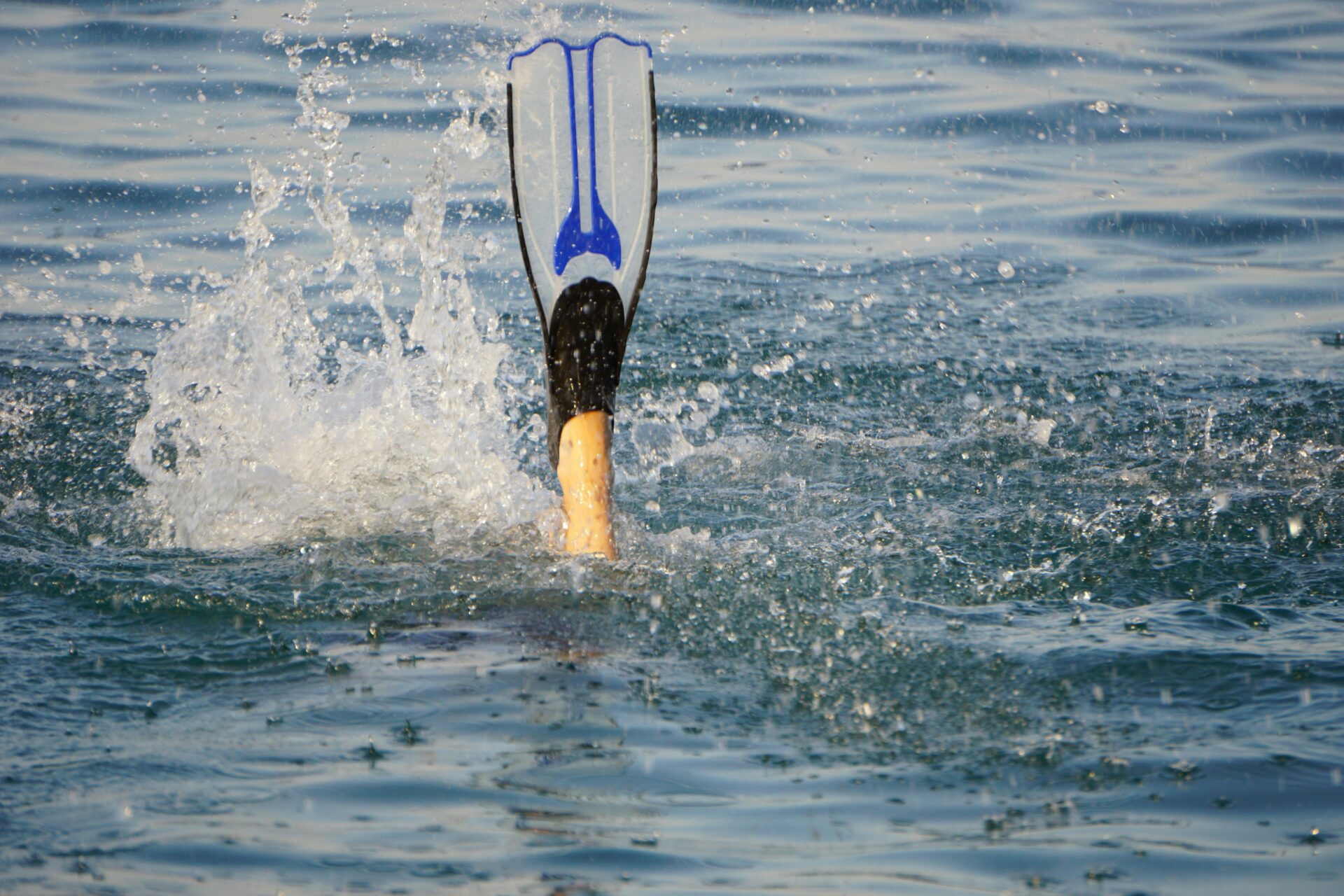
Popular resorts offer group packages and spa retreats, so you can find something that fits your style. Local hotels often help guests arrange guided water sports or themed trips—think kayaking, snorkeling, or maybe even a coastal hike.
Craving variety? Panteleimonas Beach and Skotina Beach are just a short drive away. I found these beaches quieter, with plenty of space to read or just watch the sun dip below the horizon.
Shopping and Local Markets
Exploring the local markets was honestly one of my favorite parts. These markets pop up weekly in Platamonas and nearby towns, and they’re packed with fresh produce, handmade olive oil soaps, and local cheeses.
I chatted with vendors and got a sense of how important these markets are to everyday life here. In the village center, you’ll stumble on small shops selling souvenirs from local artisans.
I picked up a hand-painted ceramic plate and grabbed a bottle of homemade tsipouro—the local spirit. Several shops focus on traditional textiles and jewelry, making it easy to find gifts that actually mean something.
Mini-markets and bakeries hide down little side streets, perfect for picking up fresh bread, pastries, or snacks for the beach. If you’re with a group tour, guides usually point out the best spots for shopping and sometimes set up private tastings or craft demos.
This kind of personal touch turns every purchase into a story, not just a transaction.
Planning Your Visit to Platamonas Castle
Platamonas Castle gives you a rare chance to step into history while soaking up those epic Aegean views. Take a little time to plan your trip, from figuring out local transportation to booking a safe place to sleep nearby.
Getting There and Transportation
I drove to Platamonas Castle, which made everything simple, but public transport works just fine too. Platamonas sits in Central Macedonia, right off the big Athens-Thessaloniki highway (E75).
If you’re coming from Thessaloniki, expect about a 1.5-hour drive south. From Athens, it took me closer to five hours.
Trains run from Thessaloniki or Athens to the Platamonas train station. The train drops you right in town, and you’ll find taxis and local buses for the last stretch to the castle.
If you’re up for it, rent a bicycle—the area’s mostly flat and the scenery is worth the ride. I found parking near the castle entrance, but it fills up fast in summer.
Walking from the town center works if you don’t mind a short uphill trek. Trust me, wear comfortable shoes—cobblestones and uneven paths can catch you off guard.

Entry Requirements, Customs, and Money
Greece belongs to the Schengen Area, so EU and US citizens don’t need a visa for short tourist visits. I only had to show my passport when arriving from outside Europe.
Entry to the castle cost me about €3, and kids or seniors usually pay less. Platamonas Castle stays open daily, typically from 8:00 AM to 3:00 PM.
I’d suggest arriving early—afternoons get crowded. You usually pay for tickets in cash at the gate, though some kiosks now accept credit cards.
Town ATMs work fine, but I always bring a few euros just in case. Dress modestly when you visit—this is a historic site and sometimes hosts religious events.
Photography’s allowed, but commercial shoots need special permission. I make a point of checking local customs on public behavior so I don’t stand out as that tourist.

Hotels, Travel Insurance & Practical Tips
I booked a hotel in Platamonas town. It’s just a quick 10-minute drive from the castle.
The area has everything—small guesthouses, mid-range hotels, and plenty of places with sea views. I found some good options on booking sites like Frommers.com, plus a few local Greek travel pages.
Even during peak season, you can usually find something, though booking ahead definitely makes things easier.
I never skip travel insurance. It really helps me relax if my luggage goes missing or I run into some weird health problem.
You’ll find local pharmacies and clinics nearby. Still, having coverage in advance just takes a load off my mind.
For daily errands, I stuck to small supermarkets and bakeries within walking distance. They’re everywhere, honestly.
Plug adapters for European outlets? Absolutely essential. Tap water’s generally safe, but I always double-check.
Most hotels and tourist spots have someone who speaks English. Still, if I try a few Greek basics, people seem to appreciate it—sometimes I even get an extra smile.
